Can You 100% Get Rid of Chlamydia? What Science Actually Says
Quick Answer: Yes, antibiotics can usually get rid of chlamydia completely. The infection is gone once the bacteria are gone from the body. Firstly, chlamydia is caused by a bacterium, known as Chlamydia trachomatis.

Quick Answer: Yes, antibiotics can usually get rid of chlamydia completely. The infection is gone once the bacteria are gone from the body. But if someone who still has the infection comes into contact with the bacteria again, they can get sick again.
First, Let’s Clear Up a Big Myth About Chlamydia
One of the most common and persistent myths about chlamydia that one often reads on the internet is that chlamydia “stays in your body forever.” This is often based on the assumption that chlamydia, like herpes and other viral infections, stays in the human body forever, albeit in an inactive state. While this assumption is understandable, it is not accurate in the biological sense.
Firstly, chlamydia is caused by a bacterium, known as Chlamydia trachomatis. Bacterial infections are very different from viral infections in their behavior in the human body. Unlike viral infections, chlamydia does not stay in the human nervous system, nor does it get integrated into the human genome. The Chlamydia trachomatis bacterium only stays in certain parts of the human body, like the cervix, the urethra, the rectum, and the throat.
When antibiotics are correctly administered, they kill the bacterium. As long as the bacterium is killed, the infection does not stay in the human body. Chlamydia, therefore, is an STI that can be cured, and it does not stay in the human body forever.
This is why chlamydia is treated like an ordinary infection that can be cured in no time, and millions of people across the world are being treated for chlamydia and going on with their lives.

How Antibiotics Actually Cure Chlamydia
Understanding how treatment works can make the whole situation feel less mysterious. When doctors diagnose chlamydia, they usually prescribe one of two antibiotics. These medications interfere with the bacteria’s ability to reproduce and survive, gradually eliminating them from infected tissues.
Most treatment plans involve either a single dose antibiotic or a short course lasting about a week. Once the bacteria stop reproducing and are cleared by the immune system, the infection is effectively gone.
| Medication | Typical Treatment Approach |
|---|---|
| Azithromycin | Often taken as a single oral dose prescribed by a healthcare provider. |
| Doxycycline | Usually taken twice daily for about seven days to fully eliminate the bacteria. |
Both medications have an extremely high rate of success, provided they are taken correctly. In most cases, the infection will be gone from the system within days after completing the medication. This is why it is so important to take the medication correctly.
For example, an individual could be infected on Monday, and by the end of the week, they are perfectly normal again. This does not mean that the infection went away on its own, but that the antibiotics did their job and prevented the infection from living.
If an individual is concerned about their privacy, there are several options available that offer at-home tests, such as STD Test Kits.
Why Some People Think Chlamydia “Came Back”
If chlamydia is indeed curable, then why do people say that chlamydia comes back? Of course, real life is not quite as straightforward as biology.
In most instances where people say that chlamydia “comes back,” the real reason is reinfection. This means that the initial chlamydia infection is indeed cured, but that reinfection occurred after that initial cure. The reason that reinfection is so prevalent is that chlamydia often does not display any symptoms.
Consider one of the most common scenarios that people are likely to face. Two people are in a sexual relationship. One person tests positive for chlamydia and takes antibiotics to cure themselves. The other person does not get tested, as they are asymptomatic. The person who originally had chlamydia then engages in sexual activity once again with their partner, and their chlamydia “comes back.”
From a medical standpoint, chlamydia does not “come back.” It is reinfection, and the reinfection is caused by the chlamydia that the untreated person still harbors.
This scenario is so common that medical professionals often recommend that all sexual partners be treated simultaneously in order to prevent reinfection and the back-and-forth of chlamydia.
Symptoms Don’t Always Tell the Whole Story
One of the oddities of chlamydia is how silently it lives in the body. People think that if they have a sexually transmitted disease, they should at least have some signs or symptoms that warn them that something is wrong. What they should know is that chlamydia does the exact opposite.
Apparently, as many as half of men with the infection and as many as 70 percent of women with the infection may not even have any symptoms at all. They may be perfectly fine, have regular sex, and still be harboring the infection. This is one of the reasons why the infection is so readily transmitted from one partner to the next.
When they do have symptoms, they may include burning while urinating, unusual discharge, or pain while making love. Men may experience irritation in the urethra or swelling of the testicles. However, the symptoms may not even be consistent or strong enough to make a person think that they have anything wrong with their body.
This is why testing is important. A lot of people only find out that they have the infection after they or their partner have tested positive. Fortunately, once the bacteria is identified, the infection is quite easy to treat.
How Long It Takes for Chlamydia to Leave the Body
Once antibiotics are taken, the bacteria start to die off fast. However, the period taken to get back to normal and the period taken for the infection to completely clear up are slightly different. It is possible to get back to normal even before the body clears up the infection.
The recommended period of abstinence, as well as completing the course of antibiotics, is one week. This period is recommended by medical practitioners so that the antibiotics are fully effective and so that the infection does not spread.
While the infection clears up in the period, it is not recommended to test immediately after. This is due to the temporary presence of the bacteria’s DNA in the system, leading to confusing test results.
| Stage | What Usually Happens |
|---|---|
| Day 1–2 of treatment | Antibiotics begin disrupting bacterial growth. Symptoms may still be present. |
| Days 3–7 | Most bacteria are eliminated. Many people notice symptoms improving or disappearing. |
| After treatment is complete | The infection is typically cleared if medication was taken correctly. |
| About 3 months later | Doctors often recommend retesting to ensure reinfection has not occurred. |
Testing Windows and Why Timing Matters
For instance, an individual might have had unprotected sex a few days ago and immediately be worried about chlamydia. The initial instinct might be to test the very next day. However, biology does not always work in accordance with human instincts.
As is the case with other infections, chlamydia also has what medical professionals call a testing window period. The testing window period refers to the period between the time of infection and the time that the test can detect the infection. Testing too early can mean that an individual will test negative even though they are infected.
For most modern nucleic acid amplification tests, the detection of chlamydia becomes possible one or two weeks after the person is infected. This period is enough for the bacteria to multiply in the human body so that they can be detected.
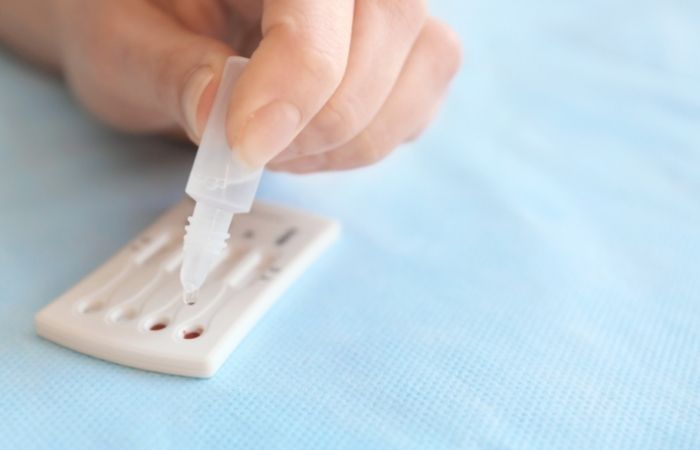
For people who prefer to test in the comfort of their own homes, there are at-home tests that can be very helpful. For instance, an individual can purchase a discreet chlamydia rapid test kit that helps them test for chlamydia without going to the hospital, which is helpful in reducing the anxiety that often comes with testing.
The main idea, regardless of where an individual tests, is that timing is everything in ensuring that the test is accurate and that it reflects what is happening in the human body.
| Situation | What It Usually Means |
|---|---|
| Positive test weeks or months after treatment | Most often a new exposure from a partner who still carried the bacteria. |
| Symptoms continuing immediately after finishing antibiotics | Sometimes irritation from healing tissue or another infection, but should be evaluated by a healthcare provider. |
| Both partners treated at the same time and avoiding sex during treatment | Very low chance of reinfection if no new exposures occur. |
What Happens If Chlamydia Isn’t Treated
The majority of people find out that they have contracted the infection when they are tested for it, and it can often be treated quickly. There are, however, instances where the infection may go undetected for a long period of time. This is the reason why people may not always know that they have contracted the infection until complications arise.
If the infection is not treated, it may spread from the original site of infection to other parts of the reproductive system. In women, this may cause the infection to spread to the uterus and fallopian tubes, resulting in pelvic inflammatory disease. This may cause chronic pelvic pain, as well as complications in fertility.
In men, complications may arise, but this is less common. An example of such complications is when the infection causes inflammation in the epididymis, an organ that is connected to the testicles and plays an important part in the movement of sperm. Even though this infection is curable, if it is not treated, it may become quite uncomfortable.
The complications that may arise from the infection are the reason why people, especially those who are active in sex and are below 25 years of age, need to be tested for the infection. Fortunately, when people are tested for the infection, it can be treated quickly, and complications are avoided.
Why Retesting Is Recommended Even After Successful Treatment
Even if everything works as it should, the doctor recommends another test a few months down the line. This practice sometimes puzzles people, as they think the infection, being cured, would never need to be checked again.
The reason for the test, however, is not the lingering bacteria. This practice helps to detect a new infection, should the person get reinfected. This is because many people infected by the bacteria feel perfectly fine and would never know they have the infection. This practice of retesting, therefore, becomes a safety net for people infected by the bacteria.
One would think of a person who has completed their treatment and gone back to their normal life. A few weeks down the line, they meet a person who did not know they were infected and, unaware of the condition, passed the bacteria to the other person. This person would then remain unaware of the condition for a few more months.
The practice of retesting, therefore, closes the gap between the completion of the treatment and the new infection. This practice ensures the person being treated is completely clean and there has been no new exposure to the bacteria since the treatment.
Once a person completes their treatment, the next step would always be how to ensure they never have to go through the same process again. However, the process of preventing a new infection, as discussed, is quite simple.
The most important factor is to make sure that recent sex partners are tested and treated if necessary. Chlamydia often does not produce any signs or symptoms, which means that an individual may not know they are infected. Treating only one partner will result in the cycle of reinfection, which gives the illusion that the infection has come back.
Using barrier protection like condoms can greatly reduce the transmission of the infection. Although this method may not be 100% effective, it greatly reduces the transmission of bacteria between two people.
Testing can also bring peace of mind. Many people include it in their list of things to do to maintain good health, especially if they have new or multiple sex partners. Convenient services like STD Test Kits allow people to check their status in the comfort of their own homes without having to wait for an appointment.
The basic idea behind testing is that it does not mean anything has gone wrong. It’s just like going to the dentist to have your teeth cleaned or going to the doctor to get a checkup. It’s to prevent small problems from becoming big problems.
FAQs
- 1. Can chlamydia be completely cured?
- Yes. Chlamydia is caused by bacteria, which means that antibiotics can completely cure the infection if taken correctly. Once the bacteria are completely removed from the infected person’s body, the infection can be said to have been completely cured.
- 2. How long does it take for chlamydia to go away after treatment?
- For chlamydia to completely go away after treatment, the bacteria are expected to clear up within a few days after taking antibiotics. Most doctors advise patients to avoid having sex for about seven days after treatment to allow the infection to completely go away.
- 3. Can chlamydia stay in your body forever?
- No. Chlamydia does not stay in the infected person’s body after treatment. Once the bacteria are completely removed from the infected person’s body, it means that the infection has completely gone away.
- 4. Why do some people get chlamydia again after treatment?
- Most people get infected with chlamydia again after treatment due to reinfection from an untreated partner. Most people do not know they are infected with the bacteria since they do not exhibit any signs or symptoms.
- 5. Do you need to retest after chlamydia treatment?
- Yes. Most health professionals advise patients to retest after three months to confirm that they have not been reinfected with the bacteria.
- 6. Can you have chlamydia without symptoms?
- Yes, and this is extremely common. Many people with chlamydia may not have a single symptom, which is why screening is recommended for those with an active sex life.
- 7. How soon after exposure can you test for chlamydia?
- One or two weeks after exposure, you can get tested for chlamydia. Testing sooner than this may give you a false negative, as the chlamydia may not have had time to take hold in the body.
- 8. What happens if chlamydia is left untreated?
- If chlamydia is left untreated, there is a good chance that you may develop such serious health complications as pelvic inflammatory disease, chronic pain in the pelvis, or difficulties in becoming pregnant in women. However, this is not the case if you get tested and treated early on.
- 9. Can you get chlamydia from oral sex?
- Yes, you can get chlamydia from oral sex, though it is not as common as the other forms of the disease. Chlamydia may affect the throat or the genitals, depending on the act of sex you are engaging in.
- 10. Is at-home testing reliable for chlamydia?
- Yes, there are many reliable at-home tests for chlamydia, and they can be quite useful for those people who wish to remain anonymous or simply wish to get tested as quickly as possible.