Can You Get an STD from Pre-Cum or Grinding? Here's the Truth
Quick Answer: Yes, it’s possible, though rare, to get an STD from pre-cum or skin-to-skin contact during grinding. Herpes, HPV, and syphilis are most likely in these situations. You might just be smart and cautious.

Quick Answer: Yes, it’s possible, though rare, to get an STD from pre-cum or skin-to-skin contact during grinding. Herpes, HPV, and syphilis are most likely in these situations. Testing is often recommended if fluids touched genitals or if symptoms appear.
Why This Article Exists (And Who It’s For)
It’s 2AM and you're replaying every second of an encounter that didn’t go “all the way”, but your body feels weird, your guilt is loud, and your search history is full of “can I get an STD if there was no sex?” You might be a teen figuring out your body. You might be queer and worried about shame on top of symptoms. You might just be smart and cautious.
This guide is for anyone who felt exposed, even without full intercourse. It’s for people with real symptoms, people with imagined ones, and those stuck in that gray zone between science and anxiety. We’ll talk about dry humping, rubbing, sleep sex, grinding in underwear, and that awkward moment when you realize pre-cum might’ve touched your skin. You deserve answers without shame, and options that don’t require waiting weeks for a clinic appointment.
Testing isn’t about judgment. It’s about getting back your peace of mind. Whether you're exploring your body for the first time or navigating complicated sexual boundaries, knowing your risks (and when to test) is how you take care of yourself, and any future partners.
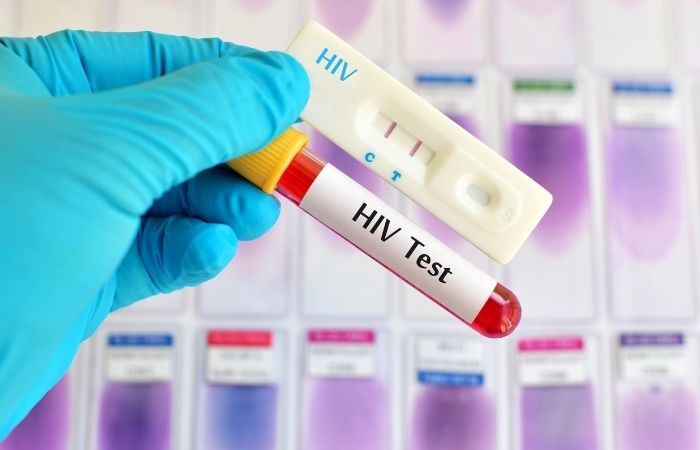
What Counts as “Exposure” If There Was No Sex?
Let’s say there was no penetration, no condom break, and no ejaculation inside or near a vagina, anus, or mouth. You might think, “Well, then I’m safe, right?”, but it’s not always that simple. Some STDs, especially herpes, HPV, and syphilis, don’t need fluids to spread. Skin-to-skin contact alone can transmit them if one partner has active lesions or viral shedding. And pre-cum? It can contain infectious material, even when you never climaxed.
Consider these examples:
| Situation | STD Risk Level | Key Concerns |
|---|---|---|
| Dry humping in underwear | Very low | Barrier prevents direct contact, but grinding can irritate skin |
| Grinding naked or in thin clothing with pre-cum | Low to moderate | Risk for herpes, HPV, possibly chlamydia if fluids contact genitals |
| Sleep sex or unclear boundary encounters | Moderate | If penetration occurred during sleep or while intoxicated, testing is smart |
| Touching genitals then rubbing partner | Low | Possible risk if fluids transfer, especially for HSV or trichomoniasis |
Figure 1. STD risk comparison in non-penetrative encounters. Always consider skin contact, fluids, and whether symptoms later develop.
It’s worth noting that HIV is rarely transmitted this way, pre-cum has a lower viral load than semen, and skin needs direct entry points (like mucous membranes or sores) for transmission. But herpes and HPV? They don’t care if there was a condom. They show up through contact, sometimes even when there are no symptoms present yet.
How STD Anxiety Kicks In (Even When Risk Is Low)
Jalen, 20, didn’t have sex. He and his new girlfriend rubbed against each other in her car after a night out. There was underwear. There was pre-cum. Two days later, he started feeling itchy. Then came the spiral. He googled “STD from dry humping” and was instantly drowning in worst-case scenarios.
“I couldn’t sleep. I was checking my groin with a flashlight every few hours. I felt heat down there and convinced myself I had herpes, even though nothing had happened.”
Sound familiar? STD anxiety is real. It often spikes in people with health anxiety, trauma histories, or religious sex shame. Even a low-risk encounter can spark days, or weeks, of body checking, intrusive thoughts, and guilt spirals. And here’s the kicker: stress can actually mimic symptoms. You might feel burning, tingling, or discomfort that has more to do with cortisol than chlamydia.
We don’t write that to dismiss your fear. We write it to tell you: if your body is reacting, you deserve clarity. And sometimes the only way out is to test, not because you likely have something, but because you need the weight off your chest.
Can Pre-Cum Carry STDs Like HIV or Chlamydia?
Yes, but let’s break it down. Pre-ejaculate (pre-cum) is the clear fluid released before ejaculation. Its job is to neutralize the urethra, but it can also pick up leftover sperm, bacteria, or viruses from previous ejaculations. This includes chlamydia, gonorrhea, and in some cases, HIV.
According to a 2016 study published in the Journal of Infectious Diseases, HIV can be detected in pre-ejaculate, though transmission via pre-cum alone is significantly lower than with full semen exposure. Similarly, chlamydia bacteria can reside in the urethra and make their way into pre-cum, especially in people who are asymptomatic carriers.
Here’s how it plays out practically: if pre-cum touches the opening of the vagina, anus, or mouth, or raw skin, it can act as a vehicle for transmission. If it touches skin alone (without breaks), risk drops, but not to zero, especially for herpes or HPV, which don't require fluid to spread.
When to Test If You’re Worried (Even If You Didn't Have Sex)
If you’re spiraling after an “almost” encounter, testing can feel like the only way to breathe again. But here’s the catch: testing too early can give you false reassurance. Every STD has a window period, the time between exposure and when a test can accurately detect infection. If you test before that window closes, you might get a negative that doesn’t mean you’re in the clear.
Here’s how that breaks down for the most common infections:
| STD | Earliest Testing | Best Time to Test | Can It Spread via Pre-Cum or Skin Contact? |
|---|---|---|---|
| Chlamydia | 5 days | 14+ days | Yes (via pre-cum) |
| Gonorrhea | 5 days | 14+ days | Yes (via pre-cum) |
| Herpes (HSV-1/2) | 7 days (if symptoms) | 12–16 weeks (for blood test) | Yes (skin contact) |
| HPV | N/A | Diagnosis usually via Pap or visible symptoms | Yes (skin contact) |
| Syphilis | 3 weeks | 6+ weeks | Yes (skin contact, lesions) |
| HIV | 10 days (NAAT) | 4–6 weeks (Ag/Ab test) | Rarely (only if mucous contact with fluid) |
Figure 2. Window periods and STD transmission potential from pre-cum or skin contact. Source: CDC, NIH, and WHO guidelines.
So what should you do?
If it’s been less than five days, testing might not catch anything, but you can still prep. Order a home test kit now so you’re ready at day 7 or 14. If it’s been 10–14 days, test now and consider a follow-up if results are negative but symptoms appear. If it’s been over a month, you’re in the prime zone for accurate testing.
Some people test early just to take back control. That’s valid, but know you might need to test again later to confirm results. If you’re feeling symptoms now (like discharge, burning, sores, or flu-like feelings), don’t wait. Symptoms override the calendar.
The “False Negative” Trap: When Testing Too Soon Backfires
Steph, 24, tested on day 4 after a grinding session where her partner’s pre-cum touched her vulva. The test was negative. But two weeks later, she developed tingling and saw a blister. The second test came back positive for HSV-2.
“I thought I was being smart by testing early, but it made me feel safe when I wasn’t. I wish I’d waited, or known to retest.”
False negatives are common when testing too soon. Most at-home and clinic-based tests rely on either the body’s immune response (antibodies) or detecting the DNA/RNA of the STD. If your body hasn’t reacted yet, or there’s not enough pathogen present, tests can miss it.
This doesn’t mean testing is useless. It means testing is a snapshot in time. The best approach? Test at the earliest reasonable day, then set a reminder to retest if you’re still worried. Especially for herpes and syphilis, which can take weeks to show in your blood even if you’re infected.

Should You Retest? Here’s How to Decide
There’s no shame in testing more than once. In fact, for people in the gray zone, where exposure wasn’t high-risk but wasn’t nothing either, retesting is often the smartest move. It’s how you confirm peace of mind and avoid a surprise diagnosis weeks later.
Use this guide:
- Retest in 2–4 weeks if your first test was early or inconclusive
- Retest after symptoms appear, even if your earlier test was negative
- Retest after new partners or any unprotected contact, even if “almost”
If you took antibiotics for another reason (like acne or a UTI), that could also affect results. Some antibiotics partially treat bacterial STDs like chlamydia or gonorrhea, but without clearing them fully. If that’s your situation, a follow-up test is key.
Need a discreet way to retest? This combo STD test kit screens for the most common infections, no clinic visit required.
Why You Might Feel “Symptoms” Even If You’re Negative
This is one of the hardest parts: You test. You’re negative. And yet, your body still feels off. You’re itchy. You swear there’s a bump. You feel weird down there. So… what gives?
In many cases, this is somatic anxiety, your body reacting to stress, hypervigilance, and fear. When your brain is in fight-or-flight mode, it tunes into every tiny sensation. Sweat feels like discharge. A hair feels like a sore. A muscle twitch becomes burning. This isn’t fake, it’s real. But it’s not always an infection.
That said, it’s also possible to have early symptoms before a test picks something up. Herpes, for example, can cause tingling and flu-like feelings before visible sores. The key is to notice patterns and not rely on symptoms alone. If you’re still feeling off after 10+ days, or if new signs appear, retesting is your next step.
Your Privacy, Your Power: How Testing Works Discreetly
Here’s what most people don’t know: you don’t need to wait weeks for a doctor’s appointment or deal with judgment in a waiting room to get tested. At-home rapid STD tests are now FDA-approved for several infections and ship discreetly to your door.
Packaging is plain. Your name isn’t printed on the outside. No pharmacy pickup required. Many kits offer results in 10–20 minutes from a finger-prick or urine sample. Others are mail-in labs with results sent securely online.
This isn’t just convenient, it’s trauma-informed care. It means you can handle testing on your terms, in your own space. And if you do test positive? You’ll know quickly and can begin treatment sooner, sometimes even via telehealth or discreet partner services.
What If You Test Positive After a “Low-Risk” Encounter?
First: breathe. A positive result doesn’t mean you were reckless. It doesn’t mean someone lied to you. And it definitely doesn’t mean your life is over. Many people test positive after what they thought were “safe” or “low-risk” situations, especially with infections like herpes, HPV, or chlamydia, which often show no symptoms until much later.
If your result is positive, your next steps depend on what was detected. For bacterial infections like chlamydia, gonorrhea, and syphilis, treatment is typically a short course of antibiotics. For herpes or HPV, management involves antiviral medication (if needed), regular monitoring, and emotional support. Most STDs today are highly manageable with early care.
Ada, 26, got a positive chlamydia result after a sleep-sex encounter with her ex. She’d convinced herself there was no risk because they didn’t “really have sex.”
“I cried when I saw the result, then I got on a telehealth call and got meds the same day. That test literally saved me from passing it to my next partner.”
Let that be your takeaway: Testing isn’t a punishment. It’s how you protect yourself and others. If your partner doesn’t get it, that’s their problem, not yours.
When the Panic Was Just Panic, But Still Valid
For every real case of transmission, there are dozens of false alarms. The anxiety is still real. The checking. The spiraling. The sleep loss. That doesn’t mean you were wrong to worry, it means your brain was trying to protect you.
Luis, 18, spent two weeks convinced he had syphilis after a makeout session turned into grinding. He had no symptoms. Two negative tests. But he couldn’t stop googling.
“It wasn’t about the risk. It was about the shame. I grew up religious and felt like I did something dirty. Testing helped me move on, but so did talking to someone about why I was so afraid.”
You can’t always avoid risk. But you can always take care of yourself after. That’s power.
FAQs
- 1. Can you get chlamydia from dry humping?
- Not if everyone kept their clothes on, think denim-on-denim grinding at a house party. But if genitals touched bare skin or pre-cum soaked through underwear, the risk, while still low, isn’t zero. Chlamydia lives in fluids, so it's more about where those fluids went, not how “serious” the hookup was.
- 2. Is pre-cum really that risky?
- Here’s the deal: pre-cum isn’t just “nothing.” It can carry chlamydia, gonorrhea, and in rare cases, HIV, especially if there was an earlier ejaculation still lingering in the urethra. It’s not as risky as full-blown semen, but if it made contact with mucous membranes (like the vagina, urethra, or rectum), it’s worth getting tested.
- 3. I’m itchy and I can’t stop checking, am I making this up?
- Nope. Your brain is in high-alert mode, scanning for danger, and it turns every skin cell into a warning flare. This is a real thing called somatic anxiety. You might feel burning, tingling, even see redness, but that doesn’t mean it’s an STD. It might just be fear in your skin. Still, if symptoms stick around, get tested. That’s how you quiet the panic.
- 4. Can herpes spread from grinding or skin contact?
- Yes, and it often does. Herpes is sneaky. It can spread without symptoms, condoms, or ejaculation. If your genitals touched someone else’s, especially skin with a healing sore (or no sore at all), transmission is on the table. Grinding naked? That’s contact. Herpes doesn’t need penetration to show up.
- 5. I tested negative but still feel weird, should I test again?
- Depends on when you tested. If it was less than two weeks after exposure, your body might not have had time to “register” the infection yet. That’s called the window period. If it’s been longer, and you’re still feeling off, retesting at 4–6 weeks can give you a more solid answer. Peace of mind is worth the extra step.
- 6. Do STDs spread from sleep sex or things I don’t fully remember?
- Yes, and this is where things get complicated. If someone had sex with you while you were asleep or too intoxicated to consent, that’s not just a health risk, it’s a consent issue. If there’s any chance fluids were exchanged, or you’re unsure what happened, testing is not just smart, it’s your right. And you deserve support, not shame.
- 7. Can I take antibiotics “just in case” without testing?
- We get the urge, but don’t do it. Self-medicating can mask symptoms without treating the infection, or worse, create antibiotic resistance. Test first. Treat second. That’s how you protect yourself and the next person you touch.
- 8. My partner tested negative, so why am I still freaking out?
- Because your anxiety doesn’t care about their lab results. Maybe you don’t fully trust them. Maybe you’re carrying old shame. Maybe your body still feels off. It’s okay to need your own answer. You’re not overreacting, you’re taking ownership of your health. Test if you need to. You’re allowed.
- 9. What STDs can I actually get without having “real sex”?
- Let’s retire “real sex,” shall we? Skin-to-skin STDs like herpes, HPV, and syphilis don’t care about penetration. They care about contact. Fluids like pre-cum can transmit chlamydia and gonorrhea if they reach the right spots. Even if it “wasn’t sex,” if things got wet and close, a test might be worth your time.
- 10. Are home tests legit if I didn’t technically have sex?
- Yes, 100%. If you’re worried, if fluids were exchanged, or if you just need to sleep again without replaying the whole thing in your head, test. You don’t need a doctor’s blessing to care for your own peace of mind. The test doesn’t care how the exposure happened. Neither should you.
You Deserve Answers, Not Assumptions
Maybe it wasn’t sex. Maybe it didn’t feel like “enough” to count. But if you’re here, worried, sleepless, or stuck in your head, it matters. Not because you did something wrong, but because you care enough to check.
STDs don’t only happen to “reckless” people. They happen during hookups, in relationships, during sleep, in silence. Some show no symptoms. Some cause guilt before they cause anything else. Testing isn’t a confession. It’s self-care. It’s how you silence the spiral and get back to being present in your life and body.
How We Sourced This Article: We combined current guidance from leading medical organizations with peer-reviewed research and lived-experience reporting to make this guide practical, compassionate, and accurate. In total, around fifteen references informed the writing; below, we’ve highlighted some of the most relevant and reader-friendly sources.