Can You Get an STD in Your Throat? Symptoms Most People Ignore
Quick Answer: Yes, you can get an STD in your throat from oral sex. Infections like gonorrhea, chlamydia, syphilis, herpes, and HPV can infect the throat, though symptoms are often mild or completely absent.
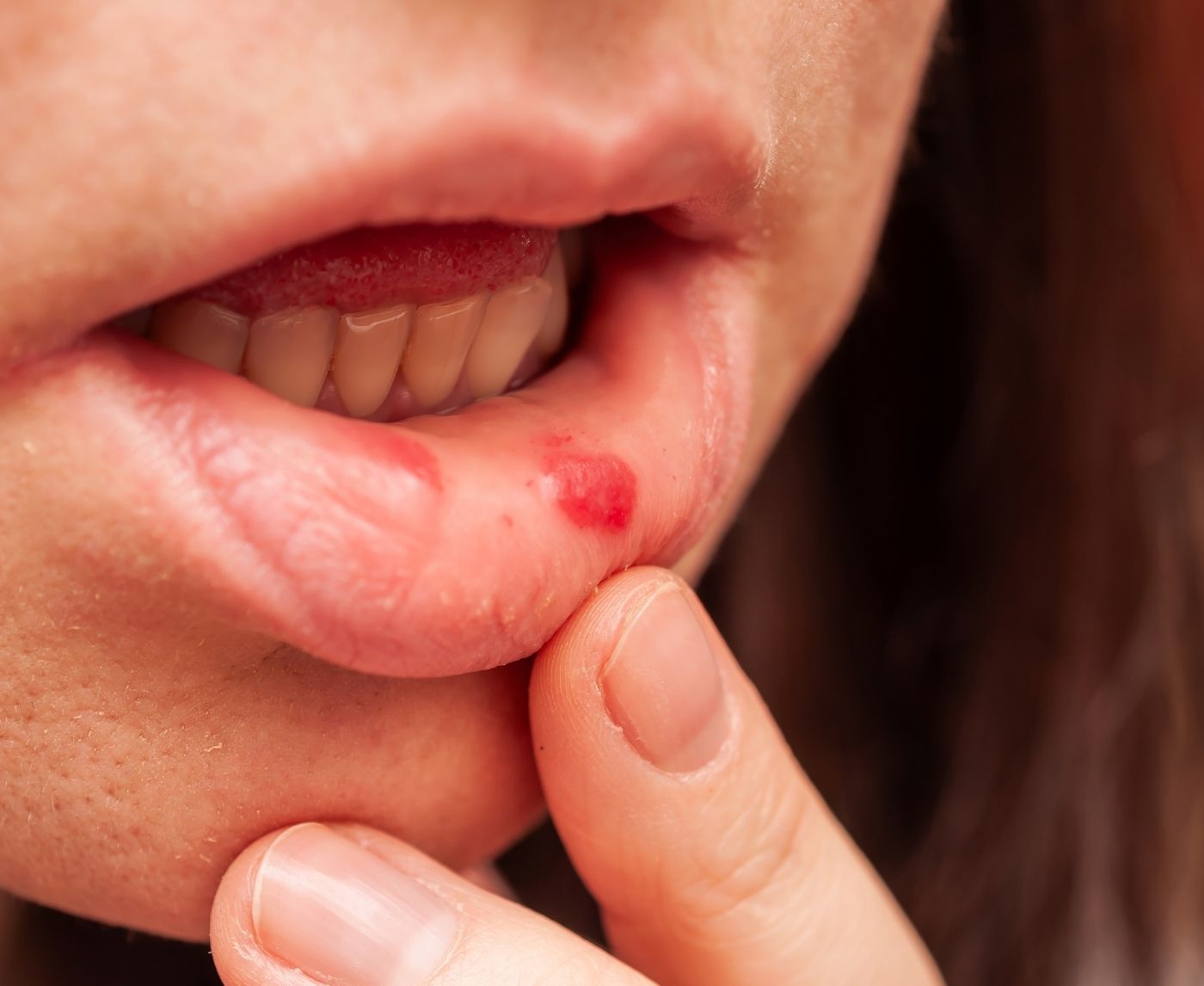
Quick Answer: Yes, you can get an STD in your throat from oral sex. Infections like gonorrhea, chlamydia, syphilis, herpes, and HPV can infect the throat, though symptoms are often mild or completely absent.
Why Throat STDs Are Easier to Miss Than People Think
One of the most surprising things about oral STDs is how subtle they can be. Someone might expect a sexually transmitted infection to cause obvious symptoms, intense pain, visible sores, something unmistakable. In reality, infections in the throat often behave very differently.
A person might simply notice a mild sore throat that feels like seasonal allergies. Another might see white patches on their tonsils and assume it’s strep throat. And many people with throat infections feel absolutely nothing at all.
This happens because the throat is a different environment than genital tissue. The immune system in the mouth and throat often suppresses symptoms effectively, which means the infection can exist with very little visible warning.
A public health nurse once put it bluntly during a training session: “Half the people who have oral gonorrhea don’t know they have it.” That statement surprises people, but it reflects what clinicians see every day in screening programs.
The result is a subtle transmission cycle. Someone feels perfectly healthy, continues their normal sexual activity, and unknowingly passes the infection to a partner.

What an STD in the Throat Can Actually Feel Like
Imagine standing in front of the bathroom mirror before brushing your teeth. You open your mouth and notice your tonsils look slightly red or swollen. Maybe there are tiny white spots that resemble the beginning of strep throat.
These subtle changes are often how throat STDs appear when they do cause symptoms.
The most common infection affecting the throat is gonorrhea, medically called pharyngeal gonorrhea. It spreads through oral sex when bacteria from the genitals enter the throat.
But several other infections can appear in this area as well.
| Infection | How It Reaches the Throat | Typical Symptoms |
|---|---|---|
| Gonorrhea | Oral sex with an infected partner | Mild sore throat, redness, swollen tonsils, sometimes no symptoms |
| Chlamydia | Oral sex | Often no symptoms; occasionally mild throat irritation |
| Herpes (HSV-1 or HSV-2) | Kissing or oral contact with an active sore | Painful throat ulcers, fever, swollen glands |
| Syphilis | Oral contact with infectious sores | Painless ulcers or lesions in the mouth or throat |
| HPV | Skin-to-skin contact during oral sex | Often none; sometimes throat warts or lesions |
Notice something interesting here: several of these infections cause very subtle symptoms or none at all. That’s one reason doctors rarely diagnose them based on symptoms alone.
Testing is usually the only reliable way to know what’s going on.
The Symptoms People Tend to Ignore
There’s a pattern clinicians see again and again. Someone has a mild throat irritation for a few days, assumes it’s allergies or a seasonal cold, and never thinks twice about it. Weeks later, they learn a partner tested positive for an STD and suddenly that forgotten sore throat becomes suspicious.
Here are some of the symptoms people often overlook.
| Symptom | Why It’s Often Ignored |
|---|---|
| Mild sore throat | Common with colds or allergies |
| White spots on tonsils | Often mistaken for strep throat |
| Swollen lymph nodes | Can happen with many minor infections |
| Red or irritated throat | Looks similar to viral infections |
| No symptoms at all | Very common with oral gonorrhea and chlamydia |
One infectious disease specialist once joked that the throat is “the stealth mode location” for certain STDs. The infection may sit there subtlely while the person feels completely normal.
That doesn’t mean it’s harmless. Even without symptoms, the bacteria can still be transmitted to sexual partners.
How Doctors Actually Test for STDs in the Throat
The idea of throat STD testing makes some people nervous, but the process is surprisingly simple. In most cases, testing involves a quick swab of the back of the throat, similar to what doctors do when checking for strep.
That swab is then analyzed using highly sensitive laboratory methods designed to detect bacterial DNA. These tests are extremely accurate for identifying infections like gonorrhea and chlamydia.
People often assume a urine test will detect every STD, but that’s not always the case. If an infection is located in the throat, a throat swab is usually required to identify it.
Clinics that specialize in sexual health frequently test multiple sites, throat, genitals, and sometimes the rectum, because infections can exist in one location without appearing in another.
For people who want privacy or convenience, discreet testing options also exist through services like STD Test Kits, which allow individuals to screen for several infections from home before seeking further care if necessary.
Many readers describe the emotional moment before testing in a similar way: standing in a pharmacy aisle or sitting in their car thinking, “I just want to know.” Testing often replaces uncertainty with clarity, which is usually the most valuable part of the process.
Why Oral STDs Spread So Easily
Oral sex is often perceived as “lower risk” than vaginal or anal sex, which leads many people to skip protection entirely. While the risk of some infections is lower, it’s definitely not zero.
Bacteria like gonorrhea thrive in warm, moist environments such as the throat. During oral contact, those bacteria can transfer easily between partners.
Another factor is awareness. Many people simply don’t realize throat infections are possible, so they never consider testing that area.
Researchers studying sexually transmitted infections have repeatedly found that pharyngeal gonorrhea plays an important role in community transmission. Because it often causes no symptoms, it can persist unnoticed until routine screening detects it.
This doesn’t mean oral sex is inherently dangerous. It simply means sexual health works best when people understand the realistic risks and take reasonable precautions.
When a Sore Throat Probably Isn’t an STD
At this point it’s important to step back and keep things in perspective. Most sore throats are not caused by sexually transmitted infections.
Viruses are responsible for the vast majority of throat irritation. Seasonal colds, flu viruses, and even dry air can leave your throat feeling scratchy for a few days.
A clinician might look for a few contextual clues when evaluating symptoms. Did the sore throat appear shortly after oral sex with a new partner? Are there unusual lesions in the mouth? Is the person part of a population with higher screening rates for certain infections?
Even then, symptoms alone rarely provide a definitive answer. Testing is what turns suspicion into certainty.
And interestingly, many people who fear the worst end up learning their symptoms are caused by something far less dramatic, allergies, mild viral infections, or even irritation from acid reflux.
The internet tends to jump straight to worst-case scenarios. Real medicine usually takes a calmer approach.
Why Testing Is the Fastest Way to Stop the Guessing
There’s a moment most people reach when worrying about symptoms becomes more exhausting than simply finding out the truth. That moment often happens late at night while scrolling through search results.
The reality is that guessing rarely works. Throat infections look too similar to each other, and many sexually transmitted infections produce minimal symptoms.
Testing replaces speculation with information.
For people who want answers quickly and privately, some choose to begin with an at-home screening option like the 6‑in‑1 At‑Home STD Test Kit. These kits can screen for several common infections discreetly before someone decides whether clinic follow-up is necessary.
Clinicians often describe testing as one of the simplest acts of preventive care available. It protects both your own health and the health of your partners.
And perhaps most importantly, it replaces uncertainty with clarity, which is exactly what most people want when they start Googling symptoms.
What Happens If an STD Actually Infects Your Throat?
One of the strange things about throat infections is how anticlimactic they can feel once they’re diagnosed. People imagine something dramatic, severe pain, visible sores, an unmistakable sign that something is wrong. But most of the time, a throat STD behaves more like a background infection than a crisis.
Someone might only notice mild irritation while swallowing. Another person might feel perfectly normal and only discover the infection during routine screening. In fact, many clinicians say that when patients learn they have oral gonorrhea or chlamydia, their first reaction is usually disbelief rather than fear.
“I honestly felt fine,” one patient recalled after a routine screening caught a throat infection. “If they hadn’t swabbed my throat, I would never have known.”
This lack of symptoms is one reason throat infections play a subtle but important role in STD transmission. Someone may unknowingly carry the bacteria and pass it to partners during oral sex.
Fortunately, most bacterial infections affecting the throat are treatable with standard antibiotics once they are identified. The key step is simply discovering the infection in the first place.

The Timeline: When Symptoms Usually Appear
Another common question people ask is how quickly symptoms appear after oral sex. The answer depends on the specific infection involved.
Some infections develop symptoms within a few days. Others can remain undetected for weeks or even months. That delay is one reason people often struggle to connect symptoms with a particular encounter.
The table below shows the typical incubation periods for several infections that can affect the throat.
| Infection | Time Until Symptoms May Appear | Common Early Signs |
|---|---|---|
| Gonorrhea | 2–7 days | Mild throat irritation, redness, swollen tonsils |
| Chlamydia | 1–3 weeks | Often no symptoms; occasionally mild soreness |
| Herpes (HSV) | 2–12 days | Painful throat ulcers, fever, swollen glands |
| Syphilis | 10–90 days | Painless sore or ulcer in mouth or throat |
| HPV | Weeks to months | Usually no symptoms; occasionally warts or lesions |
Figure 3. Estimated incubation periods for common infections that can affect the throat. Exact timing varies depending on immune response and exposure level.
Notice something interesting: several infections may not produce noticeable symptoms at all. This is why doctors often recommend routine screening for sexually active individuals rather than relying solely on how someone feels.
A Real-Life Scenario Doctors See All the Time
Consider a situation clinicians encounter regularly.
Jordan, 27, had started seeing someone new. A few days after a weekend together, Jordan noticed a mild sore throat but assumed it was seasonal allergies. The irritation faded after a few days, and life moved on.
Three weeks later, Jordan received a message: a former partner had tested positive for gonorrhea and was notifying recent contacts. Suddenly that forgotten sore throat felt much more significant.
Jordan went to a clinic for screening. The throat swab came back positive for pharyngeal gonorrhea, even though the symptoms had already disappeared.
“I never would have connected the two,” Jordan said later. “It felt like a random sore throat.”
Stories like this are extremely common in sexual health clinics. Because symptoms are mild or short-lived, infections often remain unnoticed until routine testing reveals them.
How Common Are Throat STDs, Really?
People are often surprised to learn how frequently throat infections appear in STD screening programs.
Research from sexual health clinics consistently shows that pharyngeal gonorrhea is especially common among individuals who engage in oral sex with multiple partners. Some studies estimate that a significant percentage of gonorrhea infections detected in screening programs occur in the throat rather than the genitals.
This matters because throat infections can act as a hidden reservoir for transmission. Someone might test negative through urine screening but still carry bacteria in the throat if that area was not tested.
Public health researchers have increasingly focused on this phenomenon because it helps explain why certain infections continue to circulate even in populations with regular testing.
The takeaway isn’t that oral sex is unusually risky. The takeaway is simply that infections can appear in more places than people expect.
Why Throat Testing Sometimes Gets Missed
Another interesting detail is that throat testing is not always included automatically during STD screening.
Many clinics primarily test urine or genital swabs because those are the most common infection sites. If someone does not mention oral exposure, the throat might never be tested.
Sexual health specialists often encourage patients to be open about the types of sexual contact they’ve had. That information helps clinicians decide which sites should be tested.
Someone who has engaged in oral sex may benefit from a throat swab in addition to standard testing. The procedure itself takes only a few seconds and can detect infections that would otherwise remain hidden.
Understanding this detail helps explain why some infections go undetected for longer than expected.
The subtle Role of Oral Infections in STD Transmission
From a public health standpoint, throat infections are rather intriguing. They are not very dangerous but do have an important place in the transmission of certain bacterial infections.
The throat is a comfortable place for certain micro-organisms, such as the Neisseria gonorrhoeae bacterium, which causes gonorrhea. In some cases, the infection stays longer in the throat than it does in the genital areas.
The mild nature of the infection causes people to go about their sexual activities without realizing they are spreading the disease. Eventually, the micro-organism is transmitted from one person to another through subtle means.
Throat infections are often discovered by scientists trying to map the transmission of STDs, but they are not always aware of their place in the puzzle.
This is the main reason for the new trend in tests being based not on the symptoms but the sexual activities.
The Good News: Most Throat STDs Are Treatable
After reading about symptoms and transmission, some people start to feel anxious about what a throat infection might mean for their health. Fortunately, the reality is usually far less dramatic than the internet makes it sound.
Bacterial infections like gonorrhea and chlamydia are typically treated with antibiotics once diagnosed. Treatment protocols are well established and widely used in clinics around the world.
Other infections, such as herpes, behave differently because they are viral rather than bacterial. While herpes cannot be permanently eliminated from the body, antiviral medications can help control symptoms and reduce transmission risk.
The most important step in every case is accurate diagnosis. Once someone knows what they are dealing with, treatment decisions become straightforward.
That clarity often brings an enormous sense of relief. Many people describe feeling far less anxious after testing simply because the guessing game finally ends.
Can You Tell the Difference Between an STD and a Normal Sore Throat?
This is where things get tricky. When people search for “STD in throat symptoms,” they’re usually trying to solve a detective puzzle: is this just a regular cold, or is something else going on?
The problem is that the throat only has a limited number of ways to react to irritation. Whether the cause is a virus, allergies, acid reflux, or a bacterial infection, the symptoms can look almost identical.
Someone might wake up with swollen tonsils and assume strep throat. Another person might notice mild redness while brushing their teeth and worry about an STD after oral sex. Both reactions are understandable, because the visual differences can be subtle even for trained clinicians.
Doctors usually rely on context rather than symptoms alone. Timing, recent exposures, and testing results provide much clearer answers than trying to diagnose a throat infection by appearance.
One clinician explained it this way during a patient consultation:
“If I looked only at throats, I’d guess wrong half the time. Testing tells us what’s actually there.”
Common Causes of a Sore Throat That Aren’t STDs
It’s important to keep perspective here. Most sore throats are not sexually transmitted infections. In fact, viral infections are by far the most common explanation.
The human throat deals with irritants constantly, viruses, environmental allergens, dry air, and even stomach acid from reflux. Any of these can produce redness or discomfort that feels alarming if you’re already worried about an STD.
The table below shows some of the most common causes doctors see.
| Condition | Typical Symptoms | How Long It Usually Lasts |
|---|---|---|
| Common cold | Sore throat, runny nose, mild cough | 3–7 days |
| Seasonal allergies | Scratchy throat, sneezing, watery eyes | As long as exposure continues |
| Strep throat | Severe throat pain, fever, white tonsil patches | Several days with treatment |
| Acid reflux | Burning throat sensation, hoarseness | Varies depending on triggers |
| Dry air or irritation | Mild scratchy throat, especially in the morning | Often resolves quickly |
Figure 4. Most sore throats are caused by viruses or environmental irritation rather than sexually transmitted infections.
Because these everyday conditions are so common, people often dismiss mild throat irritation without considering other possibilities. Most of the time, that assumption is correct.
But if symptoms appear shortly after oral sex with a new partner, testing can provide peace of mind.
What Doctors Look for During an Evaluation
When someone visits a clinic worried about throat STD symptoms, the conversation usually starts with a few simple questions.
Doctors ask about recent sexual contact, whether oral sex occurred, and if the patient has noticed any additional symptoms such as fever, mouth sores, or swollen glands.
Those details help determine whether a throat swab should be included in testing.
In many cases, clinicians test multiple sites because infections don’t always stay in one location. A person might have gonorrhea in the throat but not in the genitals, or vice versa.
This site-specific testing approach has become increasingly important in modern sexual health care. It allows doctors to identify infections that would otherwise remain undetected.
And for patients, the testing process itself is usually quick and straightforward, often taking less than a minute.

The Psychological Side of STD Symptom Searches
Anyone who has ever Googled symptoms late at night knows how quickly anxiety can spiral. You start with a mild sore throat, click a few search results, and suddenly you’re convinced something serious is happening.
This reaction is extremely common. Sexual health questions often carry an emotional charge because people worry about stigma, judgment, or what a diagnosis might mean for their relationships.
A sexual health educator once described this phenomenon perfectly:
“Half my job is explaining the science. The other half is helping people realize they’re not the only person who’s ever worried about this.”
The truth is that millions of people search these same questions every year. Curiosity about symptoms and testing is a normal part of taking care of your health.
And in many cases, the answer ends up being far less dramatic than the internet makes it seem.
When It Actually Makes Sense to Consider Testing
So when should one consider testing for a throat STD?
According to most physicians, it is wise to consider testing when one develops symptoms after oral sex with a new partner, when one’s partner tells you they have an STD, or when one is part of a routine testing regimen.
One should also consider testing when symptoms persist beyond the usual time or when they don’t respond to the usual treatments for common diseases.
For individuals who value privacy and ease of access, one can consider starting with a discreet screening process with STD Test Kits. This is because one can start with a self-test at home before scheduling a visit with a health provider.
Many individuals have reported that having a plan in place, such as test, confirm, treat, helps make the entire process much less intimidating.
The Bigger Picture: Sexual Health Is Normal Health
One of the healthiest shifts happening in modern medicine is the normalization of STD testing as routine healthcare rather than something mysterious or embarrassing.
Just like cholesterol tests or blood pressure checks, STD screening is simply another tool for maintaining health.
Most infections are either treatable or manageable once detected. The real challenge is overcoming the hesitation people feel about getting tested in the first place.
That hesitation often disappears the moment someone realizes how common these infections actually are.
Sexual health professionals see thousands of patients every year with similar questions, similar worries, and similar relief once the facts become clear.
And that relief usually begins with one simple step: finding out what’s actually going on.
FAQs
- 1. Can you really get gonorrhea in your throat from oral sex?
- Yes, gonorrhea infection in the throat, also known as pharyngeal gonorrhea, is possible if one engages in oral sex with an infected person. However, the infection causes very mild symptoms, which are sometimes absent.
- 2. What does an STD in the throat feel like?
- The infection does not have to have major symptoms, and some people do not feel anything at all. When the infection has some symptoms, they are very mild and include a slight sore throat, swollen tonsils, and sometimes some redness and white spots, which resemble the symptoms of strep throat.
- 3. Can chlamydia live in your throat?
- Yes, chlamydia infection in the throat is possible, although it is less likely compared to gonorrhea. Most people do not have any symptoms, and this is the reason throat swabbing is sometimes used during STD testing.
- 4. How do doctors test for STDs in the throat?
- The test for infection in the throat is conducted by swabbing the throat, and the results are obtained through lab tests, which involve the identification of the genetic material of the infection.
- 5. Can you get an STD in your throat from kissing?
- Most STD infections cannot be spread through kissing, but some infections, such as herpes and syphilis, can spread through kissing, but only if the person has lesions in the mouth.
- 6. How long will a throat STD last without treatment?
- This will depend on the type of STD. Some STDs caused by bacteria will last for weeks or months without treatment. Other types of infections will recover more slowly without treatment. It should be noted that even without treatment, the infection will still be transmittable.
- 7. Do the symptoms of an STD in the throat develop right away?
- No. The symptoms of an STD will develop over a few weeks. This is the reason why people will not be able to associate the symptoms with a particular encounter.
- 8. Should I be tested for an STD if I have only had oral sex?
- Yes. It should be noted that the risk of contracting an STD through oral sex is less than through other types of sex. Nevertheless, there are several types of STDs, such as gonorrhea, syphilis, and herpes, which are transmittable through oral sex.
- 9. Are throat STDs common?
- Yes. They are more common than people think. The most common of the STDs is the pharyngeal gonorrhea. This is the reason why the infection will often not be diagnosed since the symptoms will not be visible.
- 10. Can a throat STD go away on its own?
- Yes. It should be noted, however, that this should not be relied upon. The infection will still be transmittable to a partner.
Before You Panic, Here’s What Actually Matters
If you’ve made it this far, chances are you started with a simple question: can you get an STD in your throat? The honest answer is yes, but the bigger truth is that throat infections are usually far less dramatic than people imagine.
Most throat STDs cause either mild symptoms or none at all. Many people only discover them during routine screening, and once identified, common bacterial infections like gonorrhea or chlamydia are typically treated with standard antibiotics.
The important takeaway isn’t panic. It’s awareness. Knowing that oral sex can transmit certain infections simply means you have one more piece of information about how sexual health works.
If your brain is stuck in the “what if” loop, the endless cycle of symptom searching and late-night Googling, testing is often the fastest way to move forward. Many people choose a discreet option like the 7-in-1 Complete At-Home STD Test Kit to check for several common infections privately and quickly.
Once you have real answers, the anxiety tends to disappear surprisingly fast.
This article was developed using current guidance from leading sexual health organizations, peer-reviewed research on pharyngeal sexually transmitted infections, and real-world clinical insights from sexual health educators. Roughly fifteen references informed the writing, with the most accessible and authoritative sources listed below so readers can verify the information directly.