




Last updated: March 2026
You can have sex again after gonorrhea, but not right away, and not without a few conditions being met first. The short answer is 7 days after completing treatment, with all symptoms resolved, and only after your partner has been treated too. That last part trips people up more than anything else. Getting treatment yourself while your partner stays untreated is one of the most reliable ways to end up right back at square one.

People are also reading: HIV Rapid Test Errors and Faint Lines: How to Know What’s Real
What "Diagnosed with Gonorrhea" Actually Means for Sex
Picture this: you get a positive test result, you're handed a prescription, and within two days, the discharge and burning are gone. Naturally, the brain starts doing math, the symptoms are gone, so the infection must be gone, right? This is one of the most common and costly assumptions people make about gonorrhea, and it's wrong in a way that has real consequences.
Gonorrhea is caused by the bacterium Neisseria gonorrhoeae, which colonizes the warm, moist lining of the urethra, cervix, rectum, and throat. When you receive antibiotic treatment, those bacteria begin dying, but that process takes time. Symptoms often resolve within two to three days of starting antibiotics because the bacterial load drops quickly. The infection, however, is not fully cleared at that point. Live bacteria can still be present and transmissible even after symptoms disappear.
This distinction matters enormously for sexual activity. You are still contagious, to a meaningful degree, during the treatment window, even if you feel completely fine. Gonorrhea transmits easily through vaginal, anal, and oral sex. It does not require ejaculation to spread, and it does not require obvious symptoms in either partner. Someone can be actively infectious and have no discharge, no burning, and no awareness that anything is wrong. This is especially common in women, where up to 50% of infections produce no noticeable symptoms at all.
So when the question is "can I have sex after a gonorrhea diagnosis," the real question underneath it is: has the bacteria been fully eliminated from your body? And the honest answer is that you cannot know that until a specific amount of time has passed after completing treatment.
The 7-Day Rule, Where It Comes From and Why It Exists
The 7-day abstinence window after gonorrhea treatment is not an arbitrary precaution. It comes directly from the CDC's STI Treatment Guidelines, which instruct clinicians to advise patients to abstain from sexual activity for 7 days after treatment and until all sex partners have also completed treatment and resolved any symptoms. This is the established clinical standard, not a suggestion.
The reason this window exists comes down to how antibiotics work against bacterial infections. When you receive treatment for gonorrhea, typically a single intramuscular injection of ceftriaxone, the antibiotic begins killing bacteria by disrupting their cell wall synthesis. This process is effective, but it's not instantaneous. Research on bacterial clearance shows that at genital and rectal sites, gonorrhea RNA (the detectable marker of infection) becomes negative in more than 95% of cases within 7 days of treatment. That 7-day mark is the evidence-based threshold at which the infection is reliably cleared at urogenital and rectal sites.
There's another biological reason the wait matters beyond just bacterial clearance. Even while the infection is being treated, the mucosal tissues that gonorrhea inflames, the urethra, cervix, and rectal lining, remain irritated and compromised. Inflamed tissue is more permeable to other pathogens. Having sex during active or recently treated gonorrhea doesn't just risk reinfection with gonorrhea; it also briefly elevates susceptibility to HIV and other sexually transmitted infections. This is why the CDC also recommends testing for chlamydia, syphilis, and HIV at the time of any gonorrhea diagnosis; coinfections are common, and compromised tissue increases the window of vulnerability.
One more detail worth understanding: the 7-day clock starts from when you receive treatment, not from when symptoms disappear. If symptoms are still present at day 7, abstinence should continue until they fully resolve. The combination of completed treatment plus symptom resolution is what the guidelines require, not one or the other.
Can You Use a Condom Instead of Waiting?
This is probably the most common workaround people consider, and it deserves a direct, honest answer: condoms significantly reduce the risk of transmitting gonorrhea, but they do not eliminate it entirely during active infection, and the medical guidance is still to wait the full 7 days regardless of condom use.
Condoms work by creating a physical barrier against the exchange of genital fluids. For gonorrhea transmission at the urethra and cervix, consistent and correct condom use is highly effective; studies put the protection rate at roughly 70–80% with real-world use. That sounds reassuring until you remember that you're weighing a 20–30% residual transmission risk during a period when you know you have an active bacterial infection. That's not a gamble worth taking with someone you care about.
There's also the practical reality of condom coverage. Gonorrhea can infect the skin and mucosal tissue around the genital area that a condom doesn't cover, the base of the penis, the perineum, and the area around the vaginal opening. These areas can carry the bacteria and transmit during skin-to-skin contact during penetrative sex. It's not common, but it's enough of a real mechanism that condoms don't close the loop on risk during the treatment window.
The honest position: condoms are essential once the 7-day window has passed and you're resuming sexual activity with partners whose treatment status is uncertain. During the treatment window itself, they're better than nothing, but they're not a substitute for the wait. If you slipped and had sex within the 7-day period, even with a condom, it's worth letting your partner know so they can get tested and potentially retreat if needed.
Getting Tested and Treated at Home, Your Next Step
If you're reading this because you think you might have gonorrhea, or because a recent partner has told you they tested positive, the most important move right now is to get tested. Not in a week. Not after you "see if symptoms develop." Now, or as close to now as possible. The faster you confirm an infection, the faster you can treat it, notify partners, and stop the transmission cycle before it spreads further.
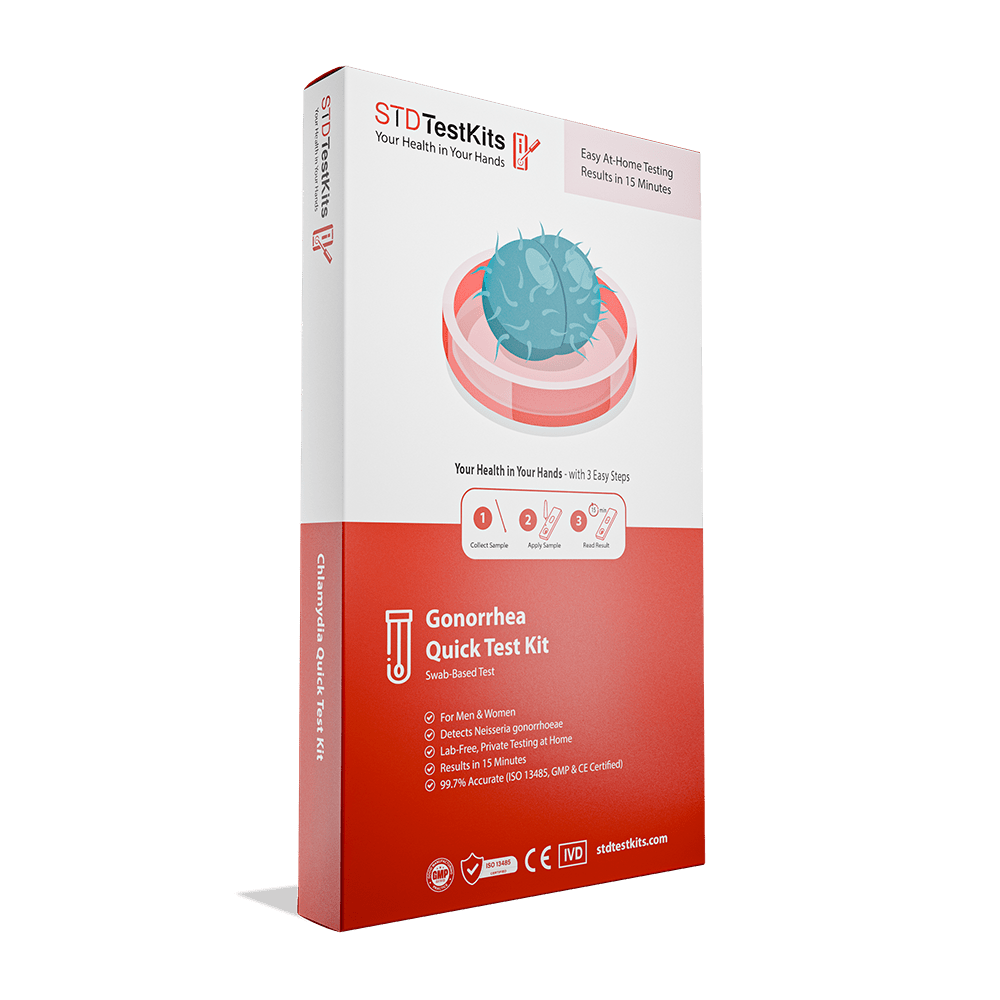
At-home rapid tests have made this dramatically easier. You no longer have to schedule an appointment, sit in a waiting room, or navigate the awkwardness of a clinic visit. The Gonorrhea At-Home STD Test Kit from STD Test Kits delivers results with over 99% accuracy from the privacy of your own home, no lab visit, no prescription, no one else involved. You collect the sample, follow the instructions, and get a clear result within minutes.
The critical timing detail: gonorrhea can be reliably detected starting 3 weeks after exposure. Testing earlier than that can return a false negative even if an infection is present, because the bacterial load may not yet be high enough to trigger a positive result. If you know a specific exposure date, wait until 3 weeks have passed before testing, and if your result comes back positive, treat immediately and retest 3 months later to confirm clearance and check for reinfection.
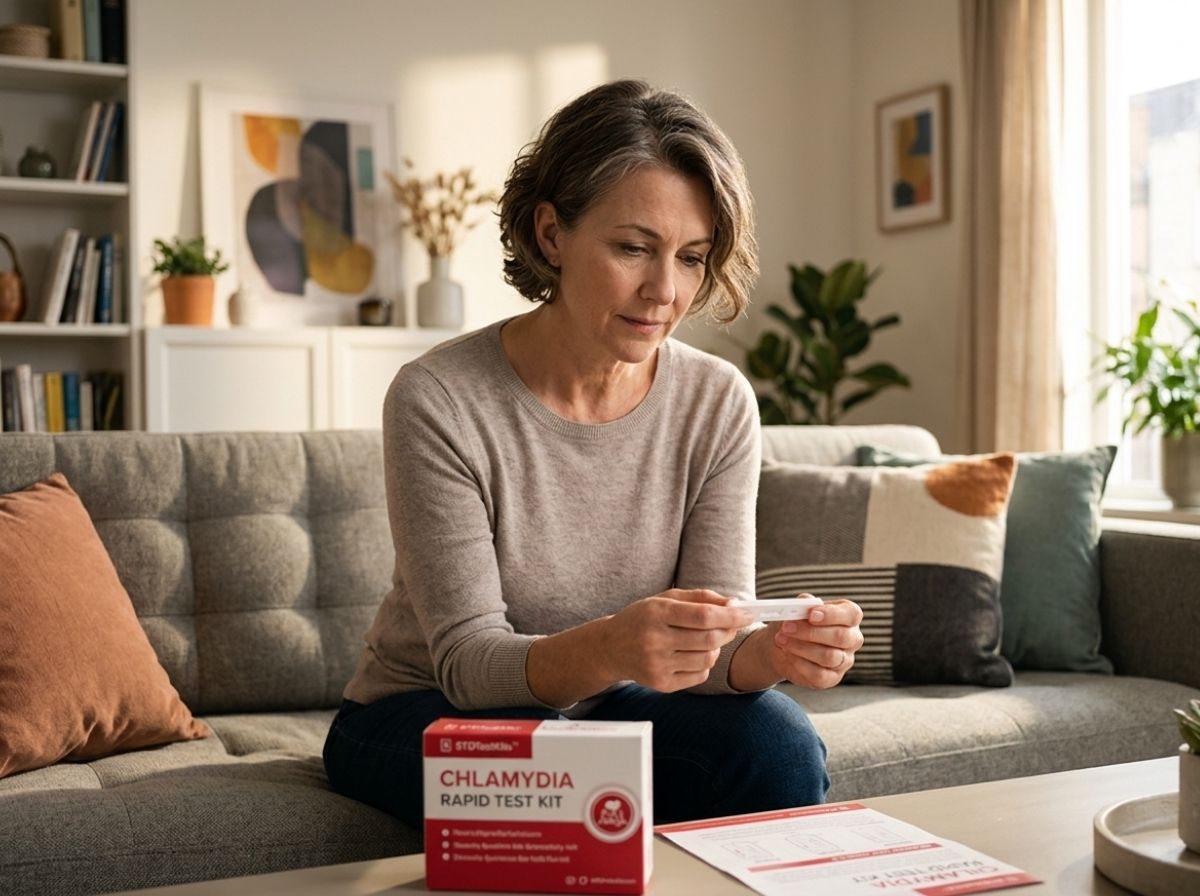
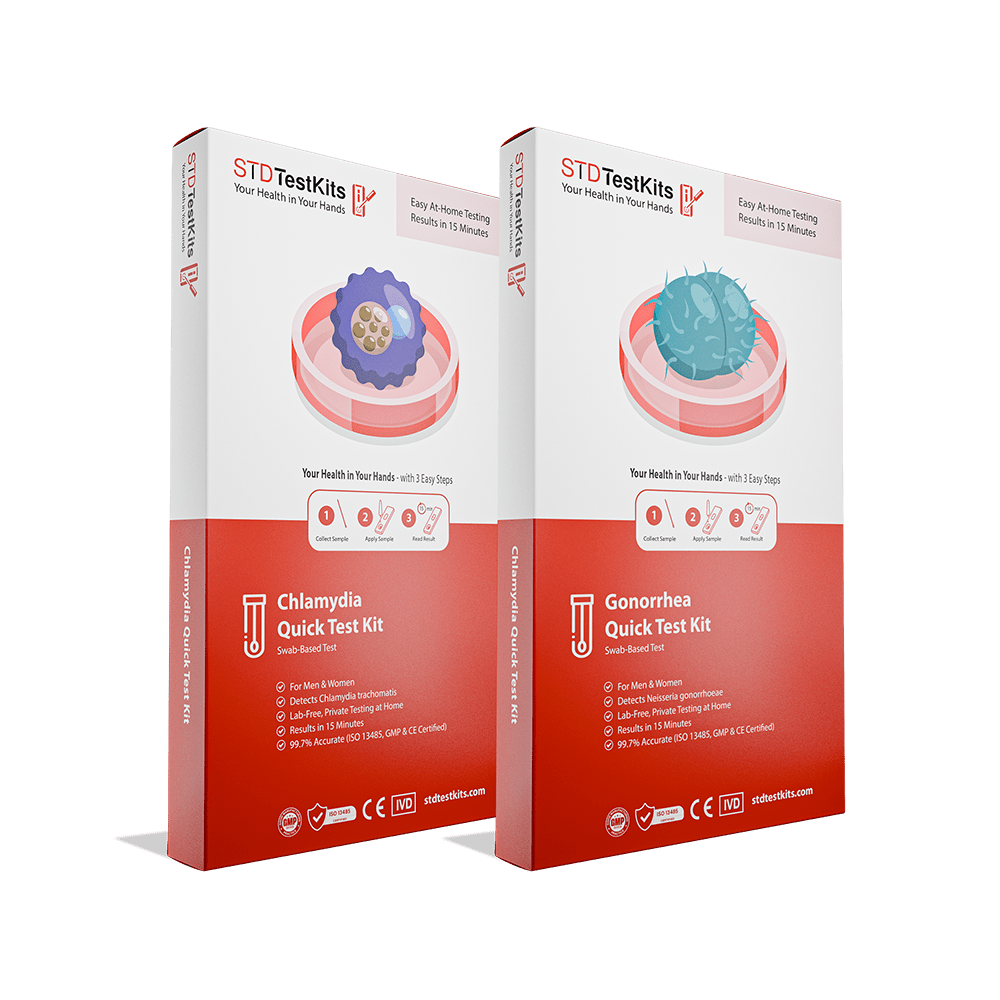
Because gonorrhea and chlamydia frequently occur together, studies suggest up to 40% of gonorrhea diagnoses involve a co-occurring chlamydia infection; it's worth testing for both at the same time. The Chlamydia & Gonorrhea At-Home STD Test Kit covers both infections in a single kit, which saves time and removes the risk of treating one infection while unknowingly leaving the other unaddressed.
One thing worth knowing: a test of cure, meaning retesting immediately after treatment to confirm the infection is gone, is not routinely recommended for uncomplicated urogenital or rectal gonorrhea when treatment with recommended regimens is used. The 3-month retest is about checking for reinfection, not verifying the original treatment worked. The exception is pharyngeal (throat) gonorrhea, where a test of cure at 7–14 days after treatment is specifically recommended. More on that below.
People are also reading: Can You Get HIV from Oral Sex? What the Science Really Says
What About Your Partner? This Part Is Non-Negotiable
You can do everything right, take the antibiotics, wait the full 7 days, abstain from sex during the treatment window, and still end up reinfected if your partner was not also treated. This is not a technicality. It's one of the most well-documented patterns in gonorrhea management, and it accounts for the majority of repeat infections seen in STI clinics.
The CDC guidelines are explicit on this point: sex partners from within the previous 60 days before symptom onset or diagnosis should be referred for evaluation, testing, and presumptive treatment. If your last potential exposure was more than 60 days before your diagnosis, the most recent partner should still be evaluated. This is because gonorrhea has no immunity; getting infected once does not protect you from getting infected again, immediately, from the same or another untreated partner.
Telling a partner is uncomfortable. There's no way around that. But the practical consequence of not telling them is very predictable: they continue unknowingly carrying the infection, you complete treatment, resume sex, and within days you're reinfected. You're then back to 7 more days of abstinence, another round of antibiotics, and another notification conversation, except now it's more complicated. In many places, expedited partner therapy (EPT) allows a diagnosed patient to deliver medication or a prescription directly to their partner, bypassing the need for a separate clinic visit. If your healthcare provider offers this option, it's worth taking.
The 7-day wait after treatment also applies to your partner. Even if they receive treatment the same day as you, you should both wait 7 days from the time they completed treatment before resuming unprotected sex. The clocks don't sync retroactively; it's 7 days from their treatment completion, not yours.
The Reinfection Problem: Why So Many People Get Gonorrhea Twice
Gonorrhea doesn't build lasting immunity the way some infections do. Your immune system mounts a response to Neisseria gonorrhoeae, but that response doesn't leave behind lasting antibody protection. Once treatment clears the infection, your body returns to roughly the same baseline susceptibility it had before. Get exposed again from an untreated partner or a new contact, and you'll get infected again, full stop.
The data on reinfection is sobering. Research published in Sexually Transmitted Diseases found that the overall median proportion of females reinfected with gonorrhea was 11.7% across 17 studies, meaning roughly 1 in 9 women who received treatment went on to get gonorrhea again. Among men, a separate systematic review found a median reinfection probability of 7.0%. These aren't small numbers, and they likely undercount the true rate since many reinfections go undetected in people without symptoms.
The primary driver of reinfection is not new sexual partners; it's the original partner who wasn't treated. When both partners complete treatment simultaneously and abstain for 7 days, the cycle breaks. When one partner goes untreated, the bacteria have a living host to return from. This is why the CDC recommendation to retest 3 months after treatment exists: it's a catch net for the reinfections that happen despite patients believing they've done everything right. If you're retested at 3 months and test positive again, the investigation should focus on partner treatment compliance, not treatment failure.
Younger age is consistently associated with higher reinfection rates across studies, likely because younger people are more likely to have multiple concurrent partners, less likely to disclose a diagnosis to all relevant partners, and more likely to have partners who don't seek testing on their own. This isn't a moral judgment; it's a pattern that informs why more intensive follow-up and retesting is recommended for younger patients diagnosed with gonorrhea.
Pharyngeal Gonorrhea, The Exception That Changes the Timeline
Everything covered so far applies to urogenital and rectal gonorrhea, the most commonly diagnosed forms. But pharyngeal gonorrhea, meaning infection of the throat, follows a meaningfully different timeline and requires different management. If you acquired gonorrhea through oral sex, this section is especially relevant to you.
The throat is an anatomically distinct environment from the genitals or rectum. The oropharynx (the back of the throat and tonsil area) contains its own microbiome, has different mucosal characteristics, and provides a niche in which gonorrhea behaves somewhat differently, particularly in terms of how quickly antibiotics clear the infection and how antibiotic resistance tends to develop. Research on pharyngeal clearance shows that the median time for gonorrhea RNA to become undetectable at the throat is around 3 days after treatment, but achieving clearance in more than 95% of cases takes up to 12 days. That's nearly double the urogenital clearance window.
Because of this longer and less predictable clearance timeline at the pharynx, the CDC specifically recommends a test of cure for pharyngeal gonorrhea, something not required for urogenital or rectal cases treated with recommended regimens. The test of cure should happen between 7 and 14 days after treatment. This confirms that the infection has actually cleared at the throat site, which is important because pharyngeal gonorrhea is often asymptomatic (most people don't develop a sore throat), making it easy to assume treatment worked without any verification.
Transmission from the pharynx during deep kissing is also a recognized, if underappreciated, route. Most people are aware that oral-genital contact can transmit gonorrhea, but throat-to-throat transmission via saliva during kissing has been documented in research settings. This means that during the pharyngeal clearance window, even kissing carries a non-trivial transmission risk that doesn't apply to urogenital infections. If you have pharyngeal gonorrhea, the conservative and clinically sound approach is to abstain from all forms of intimate oral contact, including kissing, until your test of cure confirms clearance.
FAQs
1. Can I have sex the day after I take my gonorrhea treatment?
No. Even if you received a single-dose injection of ceftriaxone, the antibiotics need a full 7 days to reliably clear the bacteria from urogenital and rectal sites. Having sex the next day, even with a condom, while the infection is still technically active, puts your partner at real risk of transmission.
2. My symptoms went away after 2 days. Does that mean I'm cured?
It means the bacterial load has dropped significantly, which is a good sign, but it's not the same as being cured. Symptoms typically resolve before the infection is fully cleared. The 7-day window exists precisely because symptom resolution and bacterial clearance don't happen at the same time. Wait the full 7 days after treatment, with symptoms fully resolved, before resuming sexual activity.
3. What if I used a condom during the 7-day wait? Does my partner need to be treated?
Yes. Condoms reduce transmission risk but don't eliminate it, particularly with a confirmed active bacterial infection. If you had sex within the 7-day window, even with a condom, your partner should be tested and, depending on the results and clinical advice, potentially treated. Don't assume the condom made it safe.
4. Do I need a test of cure after gonorrhea treatment?
For uncomplicated urogenital or rectal gonorrhea treated with recommended regimens, a test of cure is not routinely necessary. The exception is pharyngeal (throat) gonorrhea, which requires a test of cure at 7–14 days after treatment because clearance at the throat takes longer and is less predictable. The CDC also recommends retesting 3 months after any gonorrhea diagnosis to check for reinfection.
5. My partner refuses to get tested or treated. What do I do?
This is a frustrating but unfortunately common situation. If you have sex with an untreated partner after completing your own treatment, there's a real chance you'll be reinfected. Some areas offer expedited partner therapy (EPT), where you can provide your partner with medication or a prescription without them needing to see a doctor. Contact your healthcare provider or local sexual health clinic to find out if this is available in your area.
6. How soon after gonorrhea treatment can I test to confirm I'm clear?
For urogenital and rectal gonorrhea, a routine test of cure isn't recommended. If you want to confirm clearance, wait at least 7 days after treatment before retesting by NAAT, testing earlier can yield false positives from residual bacterial nucleic acids even after the bacteria are dead. For throat gonorrhea, test of cure should happen between 7 and 14 days post-treatment.
7. Can I get gonorrhea again right after being treated?
Yes. Treatment clears the current infection but provides no immunity against future exposure. If you resume sex with a partner who was not treated, or who was reinfected themselves, you can get gonorrhea again immediately. This is why the 3-month retest is recommended, to catch any reinfections that happened despite patients following treatment guidelines.
8. Is gonorrhea still contagious if I have no symptoms?
Yes. Gonorrhea is frequently asymptomatic, particularly in women, where the majority of infections produce no noticeable symptoms. An asymptomatic person can carry and transmit an active infection just as easily as someone with obvious discharge or burning. This is why testing after a potential exposure matters regardless of whether symptoms develop.
9. What happens if I had sex and didn't know I had gonorrhea?
It happens more often than most people realize, since many infections are asymptomatic. If you later find out you had an active infection during a sexual encounter, let that partner know so they can get tested. Most recent partners (within 60 days of your diagnosis) should be evaluated and tested. Early treatment prevents complications and stops the spread to others.
10. How long does gonorrhea stay in your body if untreated?
Untreated gonorrhea doesn't clear on its own. The bacteria can persist for months or even years, often without causing obvious symptoms, all while continuing to cause tissue damage internally and remaining transmissible to partners. In women, untreated gonorrhea can spread to the uterus and fallopian tubes, leading to pelvic inflammatory disease (PID), which is a significant cause of infertility and chronic pelvic pain. Getting tested and treated promptly is the only way to stop the infection.
Take Control of Your Sexual Health, At-Home Testing Made Simple
Gonorrhea is one of the most common bacterial STIs in the United States, according to the CDC's 2024 provisional data, gonorrhea cases declined for the third consecutive year, but hundreds of thousands of new infections are still being reported annually, and many more go undiagnosed. The good news is that it's highly treatable when caught early. The harder part is catching it, especially when symptoms aren't obvious and clinic visits feel like a barrier.
At-home testing removes that barrier entirely. The Gonorrhea At-Home STD Test Kit from STD Test Kits delivers laboratory-grade accuracy (99%+) from the privacy of your home, no appointment, no waiting room, no judgment. If you've had a recent exposure, results arrive quickly, and you can act on them the same day. For a more complete picture, the Chlamydia & Gonorrhea 2-in-1 At-Home STD Test Kit covers both infections at once, smart, given how often they appear together.
Testing isn't a confession. It's a responsible health decision that protects you, protects your partners, and gives you real information instead of guesswork. Whether you're in the 7-day wait after treatment, checking in after a new partner, or just overdue for a routine test, visit stdtestkits.com and take the next step today. Clarity is one test away.
How We Sourced This: Our article was constructed based on current advice from the most prominent public health and medical organizations, and then molded into simple language based on the situations that people actually experience, such as treatment, reinfection by a partner, no-symptom exposure, and the uncomfortable question of whether it "came back." In the background, our pool of research included more diverse public health advice, clinical advice, and medical references, but the following are the most pertinent and useful for readers who want to verify our claims for themselves.
Sources
1. CDC, Gonococcal Infections Among Adolescents and Adults: STI Treatment Guidelines
2. CDC, Sexually Transmitted Infections Surveillance, 2024 (Provisional)
6. Planned Parenthood, Can I Have Sex While Treating Gonorrhea?
About the Author
Dr. F. David, MD is a board-certified infectious disease specialist focused on STI prevention, diagnosis, and treatment. He writes with a direct, sex-positive, stigma-free approach designed to help readers get clear answers without the panic spiral.
Reviewed by: Rapid STD Test Kits Medical Review Team | Last medically reviewed: March 2026
This article is for informational purposes and does not replace medical advice.