Can You Safely Breastfeed with an STD? Here’s the Real Answer
Quick Answer: Some STDs, like HIV and syphilis, can be transmitted through breast milk, but most cannot. Whether breastfeeding is safe depends on the specific infection, symptoms, and whether you’re receiving treatment.
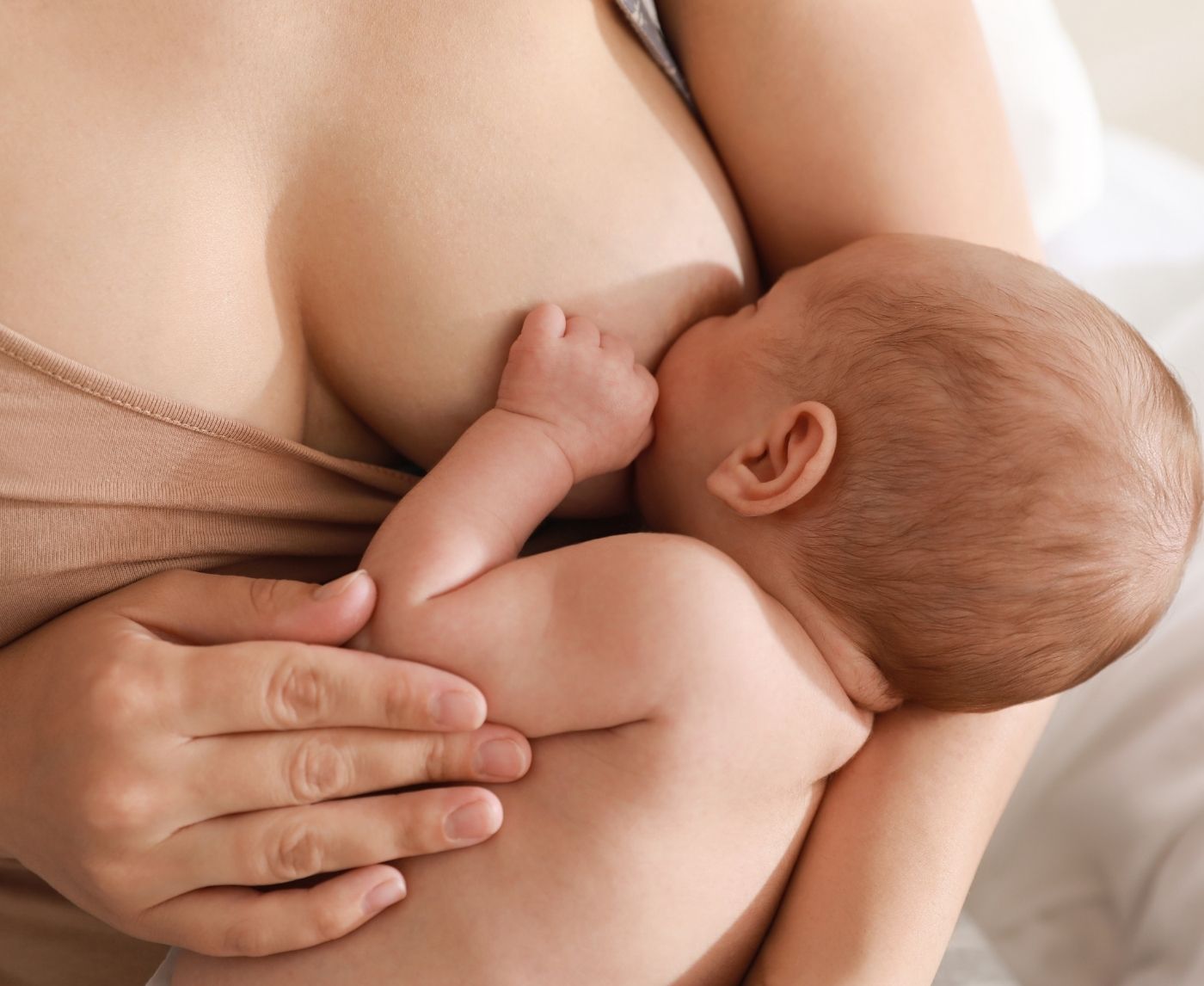
Quick Answer: Some STDs, like HIV and syphilis, can be transmitted through breast milk, but most cannot. Whether breastfeeding is safe depends on the specific infection, symptoms, and whether you’re receiving treatment.
Why This Matters for So Many New Parents
Breastfeeding is one of the most intimate and vulnerable things a new parent does, yet it often collides with medical realities no one talks about. Postpartum bodies are raw. Hormones are chaotic. And sex, whether it’s a reconnection with a partner or something more complicated, is often back in the picture before anyone talks about testing.
Lena, 27, had never tested positive for an STD before, but after a one-time hookup with an ex three months after giving birth, she developed burning and spotting. “I felt so stupid and so terrified. My baby was latching just fine, but I kept thinking, what if I hurt him?” she said.
This guide is for anyone navigating those same fears. Whether you’ve had a recent exposure, just got diagnosed, or are waiting on results, we’ll help you understand what breastfeeding means in the context of different STDs, and how to move forward safely without shame.

People are also looking for: How Antibiotics Mess With Your Vagina, And What to Do About It
Can STDs Really Be Passed Through Breast Milk?
This is the question that sparks late-night panic, and the answer depends entirely on which STD you’re talking about. Most sexually transmitted infections don’t transmit through breast milk. But a few notable ones can, especially if the infection is active or untreated.
Here’s what the evidence says:
| STD | Can It Be Passed Through Breast Milk? | Special Notes |
|---|---|---|
| HIV | Yes | Transmission possible through breast milk, especially without antiretroviral therapy. |
| Syphilis | Yes, but rare | If lesions are present on the breast, transmission risk increases. |
| Herpes | Yes, if lesions on breast | No risk from milk alone, only if baby contacts sores during feeding. |
| Hepatitis B | No | Safe to breastfeed; newborn should receive HBV vaccine. |
| Hepatitis C | No | Generally safe unless nipples are cracked or bleeding. |
| Chlamydia | No | No evidence of transmission through breast milk. |
| Gonorrhea | No | Transmission risk is birth-related, not lactation-related. |
| Trichomoniasis | Unlikely | Limited data; no known breast milk transmission cases. |
| HPV | No | HPV is not transmitted through breast milk. |
Table 1: STD transmission risk through breast milk, based on current CDC and WHO guidance.
What If You’re Still Waiting for Test Results?
Here’s the tough reality: most new parents don’t have test results in hand the moment they start to worry. And many clinics don’t even ask about breastfeeding when you get tested. So what should you do while you wait?
According to the CDC, most people can continue breastfeeding unless there’s a known or suspected high-risk infection like untreated HIV or active breast lesions from herpes or syphilis. If you’re feeling unsure, you can pause direct breastfeeding and “pump and dump” until results come back, especially if you have any symptoms on or near your chest.
Testing at home can be one way to get clarity fast. STD Test Kits offers discreet at-home testing for multiple infections. You can order a combo test kit here and get results in minutes, helpful when you’re stuck between anxiety and a feeding schedule.
What Doctors Don’t Always Say About Postpartum STD Risk
There’s a quiet assumption in many medical settings that once you’ve delivered a baby, your sexual health somehow resets. But postpartum sex is sex, and it carries the same potential for exposure to chlamydia, gonorrhea, herpes, and other STDs, whether you're a few weeks or a few months into breastfeeding.
One of the most common missed connections? Testing after childbirth. Many hospitals test during pregnancy, but few retest unless there's a clear reason. Yet infections can be acquired at any time, and often go unnoticed. According to the National Library of Medicine, a significant number of new infections occur postpartum, especially among individuals with new partners or relationship transitions after delivery.
Postpartum STDs often present with subtle or confusing symptoms, think spotting, mild itching, or discharge, which are easily mistaken for healing or hormonal changes. This is why testing matters even if you think what you're experiencing is “just” postpartum weirdness.
“I Was Breastfeeding and Had No Clue I Had Herpes”
Rina, 31, had delivered her daughter vaginally with no complications. She'd been in a new relationship for two months and felt healthy, until she noticed a blister on her breast. “I thought it was a clogged duct or maybe thrush,” she said. But when the pain worsened and her baby began refusing to nurse on that side, she went to urgent care.
The diagnosis? Herpes simplex virus (HSV-1). “I cried the whole way home. I didn’t even know you could get herpes on your breast.” Rina was advised to avoid nursing on the affected breast until the lesion healed completely, but she was able to continue feeding on the other side. Her baby remained healthy and uninfected.
Her story is more common than you’d think. HSV can be transmitted during oral sex, even without visible sores. And when it affects the breast, it presents a real risk, especially if the baby latches onto an active lesion.
This is why prompt testing and clear diagnosis matter. If you’re unsure what’s causing nipple pain, redness, or lesions, don’t guess. Test. Then take action.
When You Can (and Can’t) Keep Breastfeeding
Most of the time, having an STD doesn’t mean you have to stop breastfeeding. But there are exceptions based on the infection type, treatment status, and where symptoms show up.
Here’s a breakdown of common scenarios and what doctors typically advise:
| Situation | Breastfeeding Guidance | What To Do |
|---|---|---|
| Diagnosed with chlamydia or gonorrhea | Safe to continue | Begin treatment; monitor symptoms but continue nursing as usual |
| Positive for HIV and not on treatment | Do not breastfeed | Switch to formula; consult specialist about ART immediately |
| Positive for HIV and on antiretroviral therapy | Sometimes permitted | In resource-limited settings, WHO permits it under strict care plans |
| Lesion on nipple from herpes or syphilis | Do not nurse from affected breast | Use pump to maintain supply, discard milk until healed |
| Hepatitis B or C diagnosis | Safe to breastfeed | Ensure baby receives Hep B vaccine; avoid nursing if nipples are bleeding |
| Unsure of diagnosis but had recent exposure | Pause direct nursing if symptoms present | Test immediately; consider pumping and discarding until results are known |
Table 2. General breastfeeding guidance by STD and symptom status. Based on current CDC and WHO recommendations.
Important: In the U.S., HIV-positive individuals are typically advised not to breastfeed, even if on medication. This guidance may vary globally. Always consult a specialist.
Confused About Testing? Here’s How to Start
If you’re reading this while holding a baby in one arm and Googling with the other, let’s keep it simple. You don’t need to go to a clinic to get tested. At-home STD kits can give you answers quickly, and privately.
This combo test kit screens for multiple infections in one go. You get results in minutes, and it doesn’t interfere with feeding, pumping, or parenting duties. Testing is discreet, accurate, and crucial for your peace of mind.
If you recently had unprotected sex, new symptoms, or a partner disclosure, don’t wait for it to get worse. Whether you’re cleared or need treatment, knowing the truth empowers you to protect your baby and your body.
Can STDs Affect Your Breast Milk Quality or Supply?
This is a common fear, and a very human one. If you’ve been diagnosed with an STD, it’s normal to worry whether your milk is “tainted” or unsafe. But in most cases, an STD does not affect the nutritional quality or production of breast milk itself. The risk, when it exists, comes from transmission via blood, sores, or systemic infection, not from changes in the milk’s content.
HIV is the major exception. The virus can be present in breast milk and is known to transmit in the absence of antiretroviral therapy. According to the World Health Organization, in areas where formula feeding is not safe or feasible, exclusive breastfeeding under ART supervision is still recommended. But in countries with access to clean water and formula, like the U.S. and U.K., breastfeeding is not advised for HIV-positive individuals.
For other STDs like chlamydia, gonorrhea, and trichomoniasis, there’s no evidence that the infection enters breast milk or affects supply. However, systemic symptoms, like fever, pain, or stress, can indirectly lower milk production. In those cases, care and treatment for your own health is also care for your baby.
When Guilt Gets in the Way of Getting Tested
Many parents delay testing because they feel ashamed. They think having an STD means they’re dirty, irresponsible, or unfit to parent. That stigma is powerful, and dangerous. It keeps people from seeking care, from getting answers, and from protecting their children.
“I didn’t want to admit I’d had sex again,” said Marisol, 25, who had a new partner within four months postpartum. “My OB never brought up testing again after birth, and I didn’t ask. When I got symptoms, I convinced myself it was just stress.” She later tested positive for gonorrhea.
This silence, medical and cultural, hurts everyone. The reality is that sex happens after pregnancy. Sometimes it’s planned and joyful. Sometimes it’s a mistake or a trauma. Either way, testing is not a confession of wrongdoing. It’s a form of protection and power.
If you’re struggling with guilt, remember: your baby deserves a healthy parent. And you deserve healthcare that treats you with dignity.
Why Some Doctors Still Give Outdated Advice
You may hear conflicting information depending on who you ask. One nurse might say you must stop breastfeeding entirely. Another might say everything is fine, even when you have lesions on your chest. This inconsistency isn’t your fault; it’s a gap in education and empathy.
Many healthcare providers aren’t trained in the nuances of postpartum sexual health. They’re more focused on birth outcomes and infant milestones than what happens if a parent gets herpes on their areola. Others may be bound by outdated guidelines, or hesitate to discuss sexual behavior at all, especially with young or unmarried parents.
That’s why it’s crucial to advocate for yourself. Ask specifically: “Is this infection a risk to my baby through breast milk or contact?” Demand testing if your body feels off. And if you’re dismissed, seek a second opinion, or consider home testing for peace of mind. Trusting your gut is not overreacting; it’s smart parenting.

People are also looking for: Can You Get Hepatitis B From Oral Sex? Yes, and Here’s How.
What If You Were Diagnosed During Pregnancy?
If you tested positive for an STD while pregnant, your care team should have guided you through treatment and any risks to your baby. But what about after delivery? Does that diagnosis affect your breastfeeding safety?
Here’s a general breakdown:
- Successfully treated during pregnancy: If you completed treatment and your doctor confirmed resolution, breastfeeding is typically safe for most STDs.
- Untreated or ongoing infection: You’ll need to evaluate risks based on current symptoms, test results, and whether lesions or blood exposure are present.
- Reinfection post-delivery: If you’ve had new partners or exposure, your pregnancy test result is no longer reliable, retesting is essential before assuming safety.
If you aren’t sure whether you were re-tested after delivery, or your last test feels outdated, it’s smart to test again. Timing matters. STDs can be acquired postpartum just like any other time in life.
When in doubt, a combo home STD test offers quick, discreet clarity. You can test on your own time and follow up with a provider if anything comes back positive.
FAQs
- 1. Can STDs really be passed through breast milk?
- For the most part, no, but a few can. HIV is the one doctors are most cautious about, especially if you're not on treatment. Syphilis and herpes can be passed if there are open sores on your breasts. But infections like chlamydia or gonorrhea? No evidence they show up in breast milk at all.
- 2. I have herpes. Do I have to stop breastfeeding?
- Not necessarily, only if you have an active sore on your breast or nipple. The milk itself is fine. The danger comes from the baby’s mouth touching a lesion. So if the flare is somewhere else on your body, you can likely keep nursing. Still, always check with your provider to be safe.
- 3. Can I just keep breastfeeding and not say anything?
- Honestly? That’s what a lot of people do, not out of malice, but out of fear and shame. The better move: get tested. You don’t have to announce it to the world. But if there’s even a small chance you’re carrying something that could affect your baby, getting answers is an act of love.
- 4. What if I was diagnosed with HIV but I'm on meds?
- It depends where you live. In the U.S., breastfeeding is generally not recommended, even with undetectable viral loads. But in other countries, it might be allowed under a doctor’s close care plan. If this is your situation, don’t go it alone, talk to a specialist who knows your full story.
- 5. I had unprotected sex last week. Should I pause breastfeeding?
- Not unless you’re showing symptoms or know you were exposed to something serious like HIV or syphilis. If you’re just anxious (which is totally valid), keep feeding and test as soon as you can. Most STDs take several days to become detectable anyway.
- 6. Is “pump and dump” still a thing?
- Only in rare cases, like if you have visible sores on your nipples or your provider says it’s necessary. For most STDs, there’s no need to toss your milk. But if it makes you feel safer while you wait on test results, go ahead. Just keep your supply going so you don’t lose momentum.
- 7. What if I already breastfed before I knew I had an STD?
- First: take a breath. Most STDs don’t get passed that way, and your baby is probably fine. If you're worried, call your pediatrician and let them know the situation. They’ve seen this before. Getting support now is better than spiraling in silence.
- 8. Can my baby get chlamydia or gonorrhea from me?
- During birth? Possibly. Through breast milk? Not likely. These infections don’t survive in milk or transfer that way. But if you’re newly infected, you’ll want to start treatment quickly to avoid complications, for you, not your milk.
- 9. Are the meds for treating STDs safe while breastfeeding?
- In most cases, yes. The antibiotics and antivirals used for things like chlamydia, gonorrhea, or even herpes are safe during lactation. Your doctor should double-check dosages, but you usually won’t have to stop feeding.
- 10. My OB never mentioned STD testing after birth. Should I ask?
- Yes, absolutely. Many providers assume you’re low risk unless you say otherwise, but life is messier than that. Whether it’s a new partner, a one-time thing, or just a gut feeling, you deserve to know your status without shame or judgment.
You Deserve Answers, Not Assumptions
Having an STD doesn’t make you a bad parent. It doesn’t make you dirty or broken. It makes you human. What matters most is how you care for yourself and your baby moving forward, and that includes getting tested, asking questions, and refusing to let shame silence you.
If you’re worried, you don’t have to wait for a clinic or sit in more fear. This at-home combo test kit can give you answers discreetly and quickly. Because peace of mind isn’t a luxury, it’s part of care.
How We Sourced This Article: We combined current guidance from leading medical organizations with peer-reviewed research and lived-experience reporting to make this guide practical, compassionate, and accurate. In total, around fifteen references informed the writing; below, we’ve highlighted some of the most relevant and reader-friendly sources.