How Herpes Creates the Perfect Conditions for HIV to Enter the Body
Quick Answer: Untreated herpes increases HIV risk because outbreaks and microscopic skin breaks allow HIV easier access to immune cells. Daily suppressive therapy reduces shedding, inflammation, and your overall risk.
Quick Answer: Untreated herpes increases HIV risk because outbreaks and microscopic skin breaks allow HIV easier access to immune cells. Daily suppressive therapy reduces shedding, inflammation, and your overall risk.
“It’s Just a Cold Sore”: Why People Downplay Herpes (And How Risk Sneaks In)
Herpes has a PR problem. It’s so common, 50 to 80% of adults have it, depending on the region, that people treat it like a trivial skin nuisance. But inside exam rooms, clinicians see a different pattern: untreated outbreaks, partners assuming a cold sore is “no big deal,” and months of skipped antivirals because someone is tired of pickup-line judgment or didn’t feel “sick enough” to need medication.
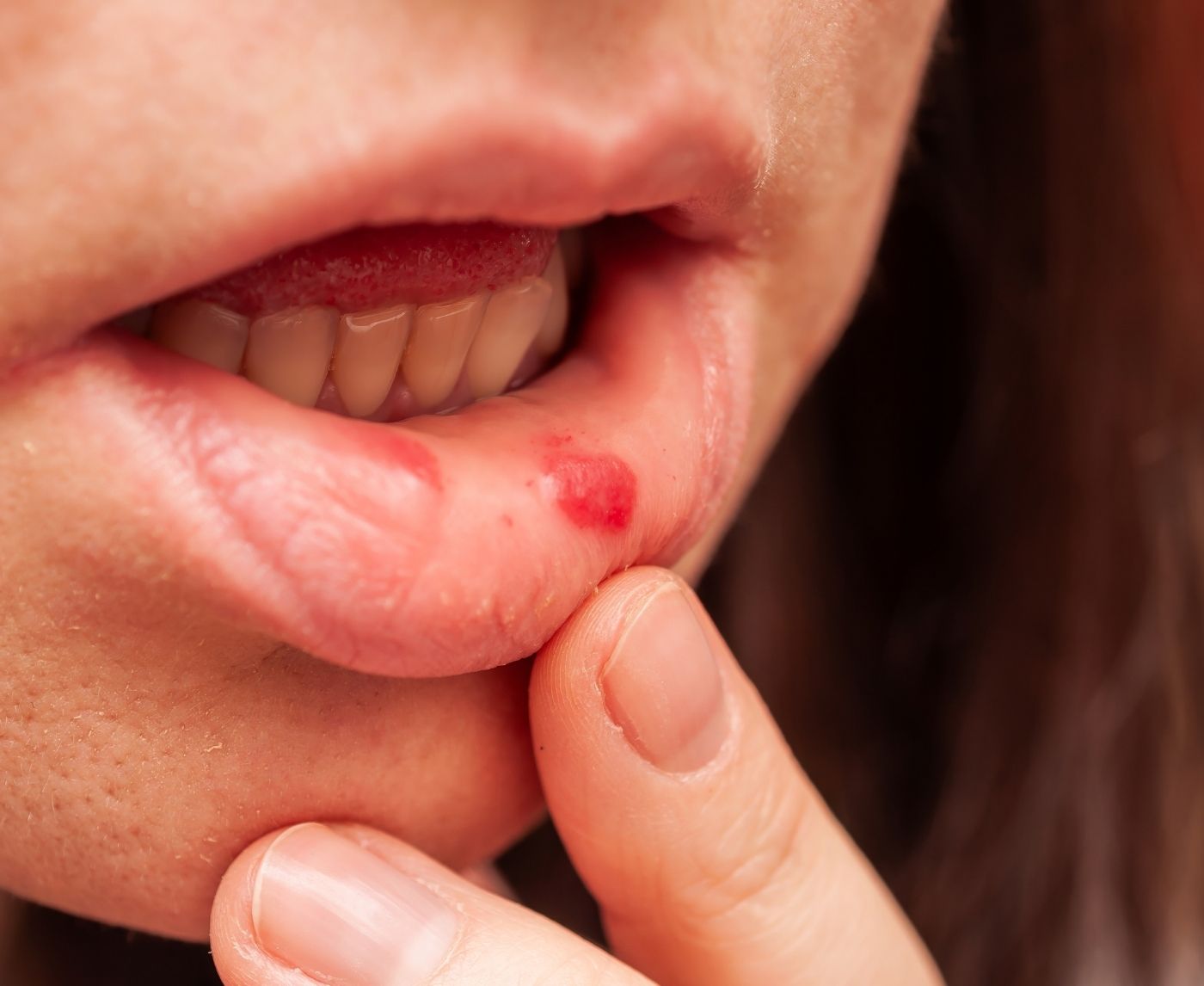
I remember talking to a guy named Ty, who shrugged while tugging at the drawstring of his hoodie. “I thought it was nothing. Just stress. You know… I get flares when I’m exhausted.” What he didn’t know is that even tiny lesions, ones you can barely see, draw immune cells like macrophages and CD4 cells to the surface of the skin. These are the same cells HIV targets first. In other words: untreated herpes doesn’t just coexist with HIV risk; it actively increases it.
If you’ve ever pushed through an outbreak because you were busy, burnt out, or ashamed to ask for meds, this article is for you. Not to shame you, but to arm you. Because there’s a world of difference between living with herpes and letting it raise risks you never signed up for.
Why Untreated Herpes Makes It Easier for HIV to Enter the Body
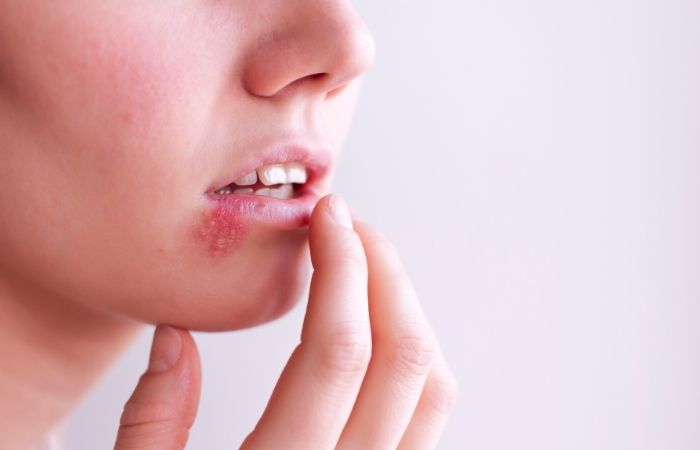
When people hear “herpes causes HIV risk,” they imagine something dramatic, huge blisters, open wounds, visible warning signs. But the real mechanism is microscopic. Even when sores look healed or barely visible, herpes leaves behind tiny breaks in the skin and mucosa. Think of them as small unguarded doorways. HIV doesn’t need much room to enter; it only needs access to specific immune cells beneath the surface.
Here’s the part that most blogs skip: during herpes outbreaks, the immune system rushes to the site with CD4 T-cells (HIV’s favorite target). So now you have three overlapping forces: fresh immune cells at the surface, microscopic skin breaks, and increased viral shedding. That combination creates a biological “perfect storm” for HIV transmission or acquisition. This isn’t fear-mongering, it’s physiology. And it’s something you can reduce dramatically with consistent treatment.
If you’re currently waiting for a flare to “get bad enough” before treating it, or you feel like suppressive therapy is a punishment instead of protection, remember this: the goal is not perfection. It’s prevention. Daily antivirals decrease shedding by over 70%, and that alone reduces the biological odds that HIV can take hold. And if you need discreet, at-home access to testing, STD Test Kits offers options without a clinic wait room or awkward check-in desk.
The Science Without the Scare Tactics: A Simple Breakdown of the HIV–Herpes Connection
Let’s slow down and make this digestible. When herpes reactivates, even if you don’t see a blister, three key things happen under the skin:
- Microscopic tears form. These are tiny, invisible breaks in the skin or mucous membranes. HIV only needs a small opening.
- Immune cells gather at the site. The body sends CD4 cells to fight the herpes virus. These are the exact cells HIV infects.
- Viral shedding increases. Even without sores, herpes sheds viral particles that trigger inflammation, which further weakens your natural barrier.
When you combine all three, the risk of HIV transmission goes up, for you and for your partner. This doesn’t mean having herpes is dangerous. It means ignoring herpes management is. Treatment breaks the chain. Condoms break the chain. Suppressive therapy breaks the chain. Testing breaks the chain.
And if you need a way to check multiple infections at once, especially after a risky encounter, the Menopause Symptoms or STD Warning Signs? What Women Miss can give you discreet results from home without mailing samples or waiting for a clinic call.
“I Thought If I Didn’t Touch It, It Would Just Go Away”
Lena, 27, had been dealing with genital herpes for two years, but she avoided suppressive therapy because she didn’t want “daily meds.” She waited until outbreaks appeared, sometimes treating them, sometimes not. She also believed that if she didn’t see a sore, she wasn’t contagious. After a weekend trip with a new partner, she learned he had tested positive for HIV. She panicked, assuming she had somehow been “responsible” for everything.
“No one ever told me the inflammation alone was enough to raise risk. They just said herpes was ‘annoying but common.’ I wish someone had explained what was actually happening in my skin.”
Lena’s story mirrors thousands of real cases. Not because people are careless, but because our culture lacks honest conversation about herpes. Suppressive therapy is not about shame. It’s harm reduction. It’s protecting your future relationships. It’s protecting your partners. And, critically, it’s protecting you.
What’s Happening Under the Skin: The Conditions HIV Waits For
The tricky thing about herpes is that it doesn’t always announce itself. Sometimes it whispers. Sometimes it hides. Even between outbreaks, the virus is still active at a cellular level, sending ripples through the immune system that you can’t feel but HIV can take advantage of instantly. This is where many people underestimate risk, not because they’re careless, but because the biology is invisible and no one explains it outside medical journals or rushed clinic visits.
When herpes flares, even microscopically, the body recruits immune cells to the area. These cells are meant to help you heal, but HIV sees them as targets. HIV isn’t efficient on intact, healthy skin. It needs inflammation, disruption, something that makes your body’s defenders poke their heads above the wall. Herpes unintentionally provides that. Untreated, it becomes an open invitation: “Here are the cells you’re looking for. Right at the surface. Come in.”
Researchers have been documenting this pattern for decades, yet most public messaging still frames herpes as inconvenient rather than medically relevant. The truth is kinder and more useful: herpes becomes safer when it’s managed. Daily therapy reduces viral shedding, soothes inflammation, and keeps those immune cells beneath the surface where they belong.
Treated vs. Untreated Herpes: How the HIV Risk Actually Changes
People often ask whether the HIV risk difference is truly meaningful, or if the internet is exaggerating it. This is where a clear picture helps. Below is a simple comparison showing how untreated and treated herpes create very different biological environments for HIV.
| Condition | What’s Happening in the Skin | Impact on HIV Risk |
|---|---|---|
| Untreated Herpes | Increased inflammation, microscopic breaks, immune cells concentrated near the surface, frequent or silent reactivation. | Creates an accessible pathway for HIV to reach target cells, significantly elevating transmission or acquisition risk. |
| Treated Herpes | Reduced inflammation, fewer outbreaks, decreased viral shedding, fewer surface-level immune cells. | Lowers HIV vulnerability by minimizing entry points and reducing the number of target cells available for infection. |
Figure 1. Comparison of HIV vulnerability under treated vs untreated herpes conditions, based on current epidemiological and clinical research.
Notice how the difference isn’t about moral choices or “sexual responsibility.” The difference is biological. A person with herpes who takes daily antivirals can have a dramatically lower HIV risk profile than someone who ignores lesions or tries to “wait out” symptoms. Treating herpes doesn’t erase all risk, nothing can, but it changes the terrain. It shifts the body from “highly favorable for HIV entry” to “far less accessible.” And for many people, that shift is life-changing.
Why “I Don’t Have Symptoms” Doesn’t Mean You’re Not at Risk
This is one of the most dangerous myths: the belief that no symptoms mean no activity. Herpes is notorious for silent shedding, the release of viral particles even when the skin looks completely normal. This shedding triggers a light, chronic inflammation you cannot feel but HIV responds to instantly. So when someone says, “I haven’t had an outbreak in months,” the real question becomes: “But has the virus been active beneath the surface?” Often, yes.
Asymptomatic shedding is one of the reasons healthcare providers emphasize suppressive therapy even for people who rarely flare. It’s not about preventing discomfort; it’s about reducing biological vulnerability. This isn’t meant to scare you, it’s meant to empower you. If you’ve ever wondered why your partner’s doctor or your own provider nudged you toward daily antivirals, this is why. They weren’t judging your sex life. They were protecting your immune system.
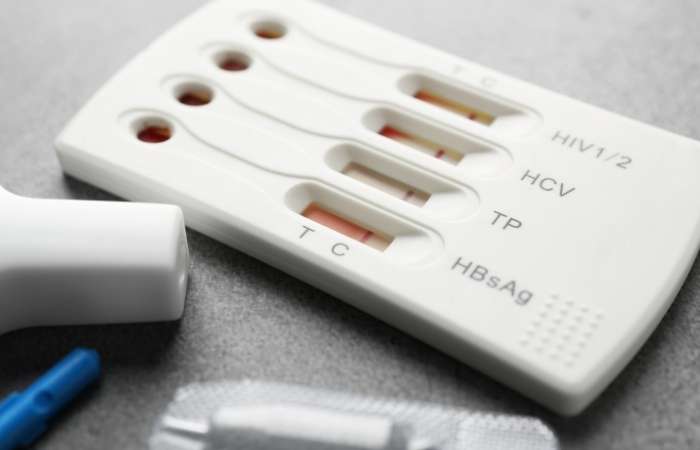
If you’re reading this and thinking, “Maybe I should check my status again just to have a clean baseline,” that’s a smart, grounded response. At-home testing options like the 6‑in‑1 At‑Home STD Test Kit give you privacy and rapid results without having to explain your concerns at a front desk or wait for a clinician to call.
The Night Everything Suddenly Made Sense
Marcus, 31, had lived with oral herpes since he was a teenager. He never thought twice about it. He didn’t take medication, didn’t avoid sex when he felt a tingle, didn’t know suppressive therapy existed. After his partner tested HIV positive during a routine screen, Marcus spiraled. “I thought HIV was something extreme, something you’d know was coming. I didn’t know herpes made it easier. No one ever connected those dots for me.”
“When the doctor explained the inflammation thing, the immune cells, it clicked. I wasn’t reckless. I was uninformed.”
Marcus started treatment the same week. Not because he felt guilty, but because understanding the mechanism gave him his power back. He stopped seeing herpes as a mark against him and started seeing it as something he could manage strategically. That emotional reset is what many people need, permission to stop punishing themselves for not knowing what no one ever taught them.
Suppressive Therapy: Not a Burden, A Shield
The phrase “daily medication” can be intimidating, especially in communities where medical mistrust runs deep. But herpes suppressive therapy isn’t about forcing you into a pharmaceutical routine. It’s about lowering HIV risk in a way that respects your autonomy. Medications like acyclovir or valacyclovir reduce viral shedding by over half, and in some cases, more, which dramatically reduces HIV susceptibility.
People often ask whether they need to take antivirals forever. The honest answer? It depends on your body, your outbreak frequency, your HIV risk level, and your sexual networks. Some people take them for a year then taper. Others use them during high-activity dating seasons. Others stay on them long-term because the peace of mind is worth it. What matters is that skipping treatment altogether leaves your skin and immune system unnecessarily exposed.
If you’re not sure whether suppressive therapy makes sense for you, a good first step is simply knowing your full status. That knowledge, without judgment, without clinic wait times, without fear, starts with testing. You can explore discreet options at STD Test Kits.
When Herpes Flares, HIV Sees Opportunity: Understanding the Timeline of Risk
Most people imagine risk as a single moment, a bad decision, a broken condom, a night they wish they could redo. But the way herpes interacts with HIV doesn’t follow that clean timeline. Instead, the body goes through phases that are quietly shifting your vulnerability even when you aren’t aware of it. Risk rises and falls based on inflammation, viral shedding, and the presence of immune cells near the skin’s surface. That means the timing of your outbreak, your treatment patterns, and even where you are in your healing stage all affect the biological landscape HIV encounters.
To make this clearer, imagine the skin like a city with gates opening and closing. During a herpes outbreak, those gates are open. During healing, they’re cracked. During effective suppressive treatment, they’re mostly closed, reinforced, and patrolled. HIV is always looking for an unlocked door. Understanding when those doors are more likely to appear is the first step to controlling your risk instead of feeling haunted by it.
The table below breaks down how HIV vulnerability shifts across the herpes timeline. These are not exact numbers, biology doesn’t work on perfect timers, but they reflect the patterns documented across clinical, epidemiological, and immunology research. Think of this as a map of what’s happening inside your skin, not a prediction of what will happen to you personally.
| Herpes Phase | What the Skin Is Doing | Biological Environment for HIV |
|---|---|---|
| Prodrome (tingling, itching) | Nerves activate, subtle inflammation begins, early viral activity under the skin. | Elevated risk: immune cells begin moving toward the surface before a sore appears. |
| Active Outbreak | Lesions form; skin integrity weakens with visible and microscopic breaks. | Highest risk: HIV has easy access to CD4 cells gathered at the site. |
| Healing Stage | Skin closes visibly but remains fragile with ongoing cellular repair beneath the surface. | Moderately elevated risk: tiny cracks and inflammation persist even after the sore “looks healed.” |
| Asymptomatic Shedding | No visible sores; the virus quietly releases from nerves into the skin. | Increased risk: inflammation and surface-level immune cells are still present despite no symptoms. |
| Suppressive Therapy + No Outbreaks | Reduced viral activity, less inflammation, skin barrier remains intact. | Lowest risk: HIV has limited access to target cells and fewer entry points. |
Figure 2. Timeline of herpes reactivation phases and how each stage alters biological vulnerability to HIV entry.
Seeing the timeline laid out like this helps people understand why “I feel fine” doesn’t always equal “I’m not shedding.” It also explains why partners sometimes seroconvert despite no visible outbreak. HIV doesn’t need dramatic skin changes, it only needs the right combination of inflammation, surface-level immune cells, and disrupted skin integrity. The good news is that treatment dramatically shortens the duration of these risk-heightened phases and makes the “low-risk” phase the predominant one in your month-to-month life.
Why Some Communities Experience Higher Risk, And Why It’s Not Their Fault
Herpes and HIV don’t exist in a vacuum. They live inside communities shaped by shame, medical access, stigma, and survival. In queer spaces, particularly among Black and Brown LGBTQ+ communities, people talk about HIV; they don’t talk about herpes. That silence creates gaps, gaps where misinformation spreads, where untreated outbreaks become normalized, where suppressive therapy is dismissed as something “extra” instead of something protective.
I once interviewed a young man who said, “I didn’t treat my herpes because none of my partners talked about theirs. It felt like something we all just lived with.” But silence is not safety. Silence is a risk factor. When people don’t see their lived experience reflected in sexual health conversations, they don’t learn the mechanisms that affect their lives, bodies, and partners.
If you belong to a community where HIV rates are higher due to systemic reasons, not personal ones, then untreated herpes becomes a multiplier you didn’t ask for. Managing herpes isn’t about shame. It’s about protecting yourself against a virus that disproportionately affects the very communities society underserves.
The Role of Pleasure, Consent, and Real-Life Sex in Risk Reduction
Sex doesn’t happen in diagrams. It happens in bedrooms, cars, hotel bathrooms, the floor of your best friend’s living room after too much tequila, wherever connection finds you. Pleasure doesn’t pause itself because you’re anxious about a tingling sensation you hope isn’t a prodrome. Consent doesn’t evaporate because you forgot the name of the antiviral you meant to pick up from the pharmacy. Real sex is messy, human, impulsive, and that’s exactly why realistic prevention matters.
Managing herpes to lower HIV risk isn’t about abstinence or purity or being the “perfect” sexual partner. It’s about shifting your body into a safer physiological state so you can enjoy intimacy fully and confidently. Pleasure and protection don’t compete. They reinforce each other. When you’re not silently panicking about potential inflammation or shedding, sex becomes easier, safer, and more enjoyable for everyone involved.
If you’ve felt a knot in your stomach because you’re unsure whether you’re due for testing again, consider using an at-home option. It gives you answers before fear has time to snowball. You can explore discreet, rapid tests at STD Test Kits or choose a multi-panel option if you want reassurance across several infections.
“No One Told Me Herpes Treatment Was Also HIV Prevention”
Sierra, 24, didn’t think she needed daily meds. “I only get an outbreak maybe once a year,” she told her clinician. But she was dating someone who had HIV, and while they discussed condoms and viral load, no one mentioned how her own untreated HSV-2 influenced their shared risk. She assumed her body was the “non-issue” in the equation.
“When the doctor explained that treating my herpes was part of protecting both of us, something clicked. It wasn’t about me being sick. It was about keeping the door closed.”
Sierra started suppressive therapy not out of fear, but out of love, for herself, for her partner, for the life they were building. Stories like hers remind us that sexual health isn’t just disease management. It’s relationship care. It’s intimacy maintenance. It’s a way of saying, “We matter enough to protect what we have.”
FAQs
- 1. Does untreated herpes really increase HIV risk even without symptoms?
- Yes. Even without symptoms, herpes causes asymptomatic shedding that causes inflammation and brings immune cells to the surface, providing an entry point for HIV. Even though you may not feel anything, something is happening beneath the surface of your skin. That is why suppressive therapy is recommended for people with herpes. It is an additional precaution that you should not ignore.
- 2. Can oral herpes (cold sores) increase HIV risk as much as genital herpes?
- Yes. Oral herpes increases HIV risk, especially during oral sex that may have minor breaks in lip or mouth tissue. Herpes causes immune cells to be attracted to the surface, which increases HIV entry points. Even though the risks are not as high as those of genital herpes, the biological process is the same. It is still a risk.
- 3. If my partner has HIV but an undetectable viral load, will my untreated herpes still pose an HIV risk?
- Having an undetectable viral load means that HIV transmission is much lower. However, even though your HIV risk may be low, untreated herpes is still an additional layer of biological vulnerability. It is an additional precaution that you should not ignore.
- 4. Does suppressive therapy completely eliminate my HIV risk?
- There is nothing that completely eliminates my HIV risk. However, suppressive therapy minimizes my viral load, the amount of inflammation, and the amount of immune cells that are attracted to my skin. It is a very powerful tool that minimizes my HIV entry points. I would consider it a good precaution, even if it is not perfect.
- 5. Can condoms protect me from HIV even during a herpes outbreak?
- Condoms, even in a herpes outbreak, are not perfect. While condoms do offer protection, herpes sores that do not come into contact with a condom increase my HIV entry points.
- 6. Do I have to be on herpes medicine every day if I want to reduce my risk of getting HIV?
- I do not necessarily have to be on herpes medicine every day. While some people choose to be on medicine every day, some choose to only be on medicine in certain situations, such as in a new relationship or in a situation where I am in a high-risk situation or experience a lot of herpes outbreaks.
- 7. If I don't have many herpes outbreaks, do I still have to be concerned about getting HIV?
- Yes. This is because even if you don't have many herpes outbreaks, you still have asymptomatic shedding. This means your herpes is still active, even if you don't have symptoms. This can still create an environment in your body where HIV can enter. Treatment can help stabilize this in your body.
- 8. How do I know if I am experiencing asymptomatic shedding?
- You won't be able to feel it because that is part of the point of having asymptomatic shedding. It can happen on any given day without warning. However, suppressive therapy helps prevent this from happening often.
- 9. Do I need to get retested for HIV if I have just experienced a herpes outbreak?
- Yes, if you have just experienced an outbreak and were exposed to HIV in the past, it would be best to get retested. This is because HIV tests have a window of time in which they are accurate. If you have just experienced an outbreak, getting an at-home test can give you quick results, but you should also retest after the appropriate time.
- 10. Is it better not to have sex at all if I have an active herpes outbreak?
- Yes, because having sex when you have an active herpes outbreak makes you more susceptible to getting HIV. It's best to wait until the sores have completely healed, along with being on suppressive therapy.
You Deserve Answers, Not Assumptions
If you’ve made it this far, take a second and breathe. None of this information is meant to overwhelm you. It’s meant to empower you with what most people never hear, that treating herpes isn’t just about managing outbreaks. It’s about protecting your sexual future, safeguarding your partners, and radically reducing the biological pathways that make HIV transmission easier. This isn’t an accusation. It’s clarity. And clarity is a form of care.
When people understand how herpes affects the immune system, the fog lifts. They stop blaming themselves for “not knowing.” They stop imagining worst-case scenarios in silence. And they start making grounded, informed decisions that strengthen their relationships, their wellbeing, and their sense of control. Testing, treatment, and honest education are not punishments. They’re tools, powerful ones, that let you build a safer and more confident sexual life.
If something in your gut is telling you it’s time to check your status or retest after a recent encounter, listen to that voice. It isn’t fear, it’s intuition. You can order a discreet, at-home kit through a Combo STD Home Test Kit or browse other options on the STD Test Kits homepage. Peace of mind doesn’t need an appointment.
How We Sourced This Article: Our sources for this article include the latest recommendations from major medical associations, scientific studies, and actual reports from the sexual health world. Although there are about fifteen sources that have influenced the creation of this piece, we have included six of the most reader-friendly sources for you below. Every link we have used has been checked to ensure that it is from a respectable medical source and that it will open in a new tab.