Can You Trust a Home STD Test?
Quick Answer: Home STD tests are generally accurate when used correctly and at the right time, but accuracy depends on the infection, the test type, and how closely you follow instructions.
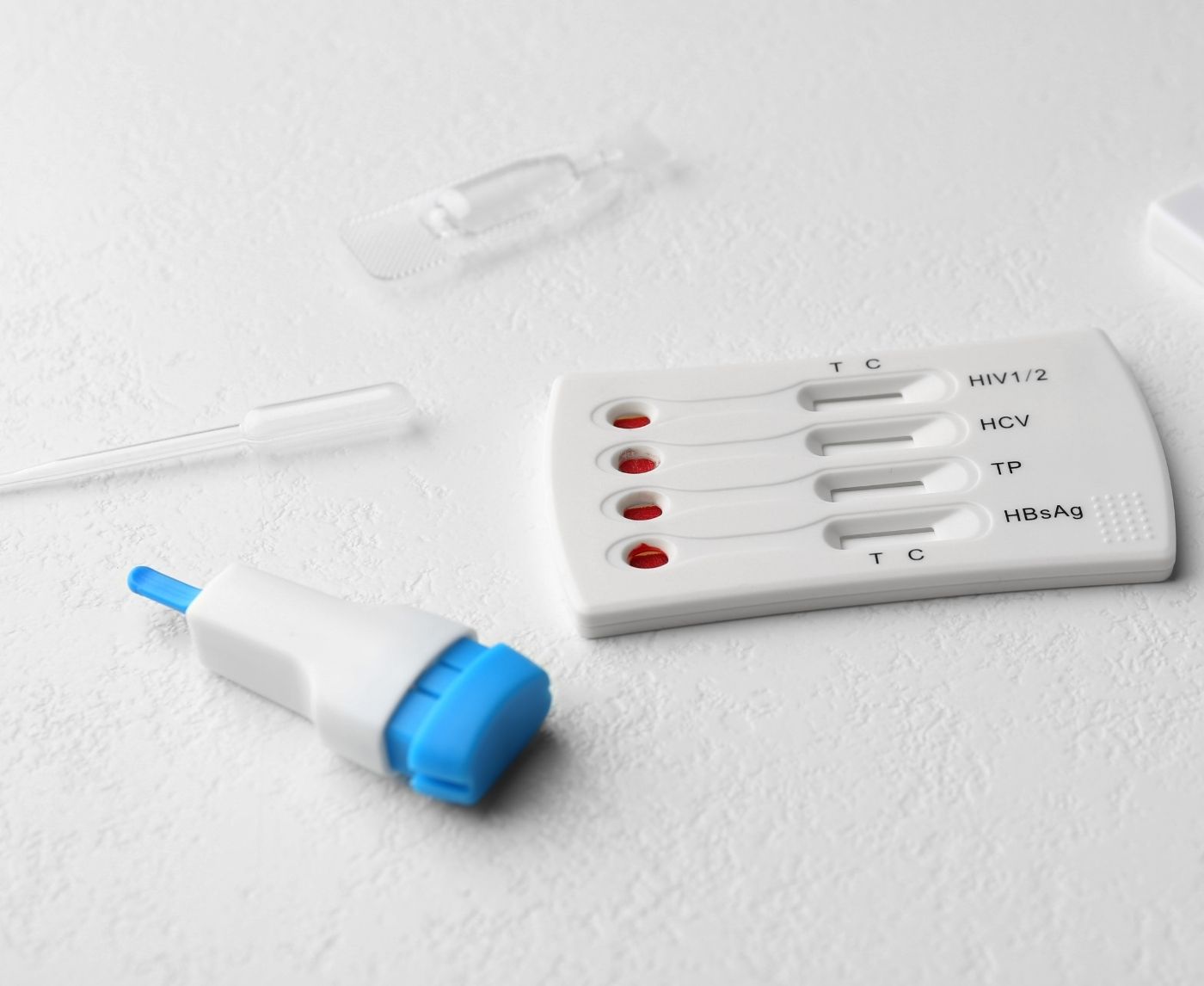
Quick Answer: Home STD tests are generally accurate when used correctly and at the right time, but accuracy depends on the infection, the test type, and how closely you follow instructions. False negatives can happen, especially during window periods, so follow-up testing may be necessary.
Why This Guide Matters Right Now
Not everyone can, or wants to, go to a clinic. Maybe you live hours from the nearest town. Maybe you’ve had bad experiences with judgmental providers. Maybe you’re just trying to stay under the radar while figuring things out. Home STD tests offer a lifeline for people in your situation, but they also come with trade-offs.
Infections like chlamydia, gonorrhea, HIV, and syphilis are common, often silent, and sometimes serious. Accurate testing is key to stopping spread and starting treatment. This article walks you through how home tests detect those infections, what the accuracy numbers really mean, and when to trust your result, or question it.
If you're deciding between a rapid home test, a mail-in lab kit, or a clinic visit, this guide gives you the real-world context to choose wisely. Testing is care, not confession.
How Home STD Tests Work (And What Accuracy Actually Means)
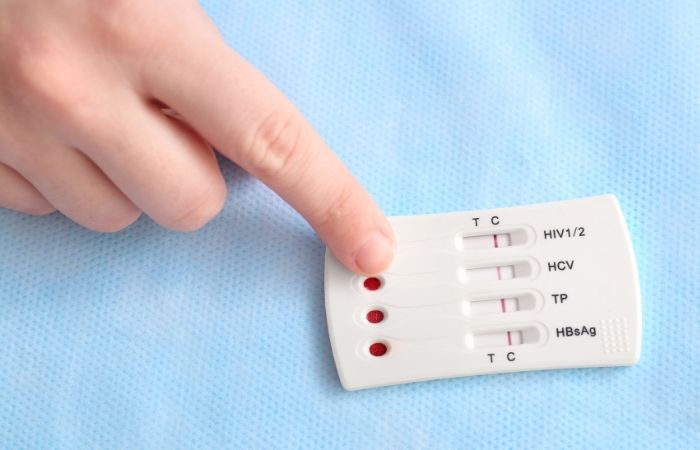
Most home STD tests fall into two categories: instant rapid tests you perform and read yourself, and mail-in kits that use lab-grade diagnostics like NAAT (nucleic acid amplification tests). Both start with a self-collected sample, usually urine, a genital or throat swab, or a fingerstick blood drop. That sample is then either processed on the spot or shipped to a lab.
But what does it mean when the box says “99% accurate”? That’s where things get tricky. “Accuracy” is a broad term that includes sensitivity (ability to detect true positives) and specificity (ability to avoid false positives). It also depends on whether the test was performed under ideal conditions, in a lab, or by a sleep-deprived human in a bathroom at midnight.
Here’s what those numbers really mean:
| Term | What It Measures | What It Affects |
|---|---|---|
| Sensitivity | % of true positives correctly identified | Low sensitivity = false negatives |
| Specificity | % of true negatives correctly identified | Low specificity = false positives |
| Accuracy | Overall correct results under test conditions | Can vary depending on user error |
When a home STD test says “99% accurate,” it’s usually quoting lab-based data. But in real life, user technique, timing, and the stage of infection all influence how reliable that number really is.
Accuracy by Infection: Not All Tests Perform the Same
The accuracy of home STD tests isn’t one-size-fits-all. Some infections, like HIV, are reliably detected with FDA-approved rapid tests. Others, like syphilis or HPV, require antibody detection or cervical swabs that can be trickier at home.
Let’s break it down infection by infection, based on sensitivity and specificity ranges reported in peer-reviewed data and manufacturer testing.
| Infection | Common Test Type | Sensitivity | Specificity |
|---|---|---|---|
| HIV | Rapid antibody or Ag/Ab combo | 99.5%+ | 99.8%+ |
| Chlamydia | NAAT (mail-in) | 92–98% | 98–99% |
| Gonorrhea | NAAT (mail-in) | 90–96% | 98%+ |
| Syphilis | Antibody (blood spot) | 85–95% | 95–98% |
| HPV | Self-swab (high-risk types) | 84–93% | 91–95% |
| Trichomoniasis | Rapid antigen or NAAT | 85–95% | 97–99% |
Note: These are general ranges across major home test brands. Specific product data may vary. Always read your kit’s instructions and included documentation.
While these numbers look reassuring, remember: a 92% sensitivity means that 8 out of 100 infections could be missed. That risk grows if you test too soon, collect a poor sample, or misread results.
Timing Is Everything: The Window Period Problem
You could take the most accurate test in the world, but if you take it too soon, it might miss the infection completely. That’s because every STD has a “window period,” or the time between when you’re exposed and when a test can reliably detect the infection. During this period, your body hasn’t produced enough of the virus, bacteria, or antibodies to trigger a positive result.
For example, if you were exposed to HIV yesterday and test tomorrow, even a gold-standard lab test might come back negative, not because you’re uninfected, but because it’s too early. CDC guidelines recommend testing for HIV 2–4 weeks after exposure with an antigen/antibody test, and again at 90 days for full confirmation.
Here’s how window periods affect the most common STDs:
| Infection | Window Period | Best Time to Test |
|---|---|---|
| Chlamydia | 5–14 days | 2 weeks after exposure |
| Gonorrhea | 3–14 days | 1–2 weeks after exposure |
| HIV (Ag/Ab test) | 18–45 days | 3–12 weeks after exposure |
| Syphilis | 21–60 days | 6–12 weeks after exposure |
| Trichomoniasis | 5–28 days | 2–4 weeks after exposure |
Even if your test is done properly, testing during the window period may yield a false negative. That's why many doctors recommend a second test weeks later if you're still unsure, or if symptoms appear despite a negative result.
“My Test Said Negative… But I Was Still Infected”
Kevin, 26, had a one-night stand on a weekend trip. The condom broke, and by Tuesday, he was already panicking. He took a home chlamydia and gonorrhea test from a reputable brand, followed every instruction, and mailed it in. Three days later, the email came: negative.
“I felt immediate relief. I thought, ‘I’m good.’ I moved on with my life.”
Two weeks later, Kevin started noticing discharge and a painful burning sensation when peeing. He took another test, this time through a clinic. The result: chlamydia positive. His initial test hadn’t been wrong; it had just been too early.
“I wish I’d known about the window period. That first test gave me false peace of mind.”
Kevin’s story isn’t rare. Many people test too early, assume they're clear, and delay treatment, putting themselves and others at risk. That’s why understanding when to test is just as important as how.
Real-World Accuracy vs Lab Accuracy
In a lab setting, everything is controlled: sterile collection, trained technicians, temperature monitoring, no interruptions. In your apartment or a truck stop bathroom? Not so much. That’s where the difference between advertised accuracy and real-world accuracy starts to show.
Common user errors include:
- Not collecting enough sample (especially for swabs)
- Touching the sample area or contaminating it
- Letting the sample dry out or sit too long before mailing
- Misreading faint lines on rapid test cassettes
- Using expired kits or storing them improperly
Even if a test is 95% accurate on paper, those numbers assume perfect technique. Real-world performance often drops, especially with self-collection. That doesn’t mean home tests are useless, it means they work best when you respect their limits and follow instructions carefully.

What Faint Lines and Inconclusive Results Really Mean
You pee on the strip or prick your finger, and the result comes back...unclear. A faint line. A weird color change. What now?
In many home STD tests, especially lateral flow (rapid) formats, a faint second line may still mean a positive result. But inconsistent line strength can also signal a bad test, expired kit, weak sample, or environmental contamination.
Here’s what to do:
- If you see any second line, no matter how faint, assume it’s positive and confirm with a lab or second test.
- If you get no line at all in the control window, the test is invalid. You need to retest.
- If results seem unclear, call the test manufacturer’s helpline. Most have nurse lines or printed instructions with support numbers.
If you feel unsure, don't guess. Either test again or head to a clinic. In sexual health, clarity is worth the extra step.
When You Should Get a Confirmatory Test
In some cases, even the best home STD tests can't take the place of a doctor's visit. That's when confirmatory testing comes in. If your test result is positive or if your symptoms don't match your test result, a follow-up test in a clinical setting can help make sure you don't have a false positive or missed infection.
Here are some times when a second test is medically necessary:
- If you get a positive result on a home test, always double-check before starting treatment or telling your partners.
- If you have symptoms but a negative test result, you may have missed an infection. Repeat testing can catch these infections, especially during the window period.
- If you have multiple partners or are at high risk of exposure, you should think about getting tested again even if your home test is negative, especially if you tested early.
- Pregnancy: Always check with a doctor to make sure the results are correct, whether they are positive or negative. This is for the safety of both the parent and the baby.
- People with weakened immune systems: Antibody-based test results can be affected by immune disorders or medications.
Clinics and telehealth providers can order advanced tests like RNA-based NAATs or antibody titers that can find infections that are still in their early stages or are not showing any symptoms. They can also help with treatment, which home kits can't do directly.
Pregnancy, Medications, and Other Special Situations
Your body's biology, combined with any medications you're on, can impact just how reliable a home STD test is. Certain antibiotics taken ahead of time may, for example, have reduced the bacterial infection just enough to provide a false negative-even when an infection is still present.
Likewise, pregnancy and immunosuppressive conditions like HIV or chemotherapy can alter your body’s response to an infection. If you’re immunocompromised, your antibody levels may rise slower than expected, delaying a positive result even on highly sensitive tests.
This doesn’t mean home tests are unsafe in these cases, it just means they shouldn’t be your only source of truth. If you're in one of these groups, treat home testing as a starting point, not a final answer.
When Privacy Matters: Why Home STD Tests Are Still Essential
All this talk of false negatives and confirmatory testing might make you wonder: are home tests even worth it?
Absolutely, especially when privacy, speed, and discretion matter. For many people, these tests are the only safe, shame-free way to start the process. They let you test on your own time, in your own space, without involving employers, family, or clinics you’re not ready to talk to yet.
And when used correctly, especially FDA-cleared home test kits with lab-grade processing, they can be just as accurate as a clinic’s. What matters most is understanding their limits and using them wisely.
Try This If You’re Still Unsure
If your head’s spinning right now, window periods, sensitivity charts, possible errors, you’re not alone. A huge part of why people delay testing is confusion, not fear.
That’s why home testing can be so powerful. It gives you a first step. Even if you plan to follow up with a doctor, starting with a discreet, doctor-trusted kit gives you a baseline. No judgment. No waiting room. Just one clear answer today.
Order a discreet combo test kit here, it checks for multiple common STDs with one sample and comes in unmarked packaging. Fast, clear, confidential.
If you're still unsure when to test or retest, use our Window Period Calculator to find your best test timing based on exposure date.
Reducing Shame, Not Just Risk
It’s hard to overstate how much emotional accuracy matters. A lot of people who test positive, or fear they might, carry shame that keeps them from seeking care. That’s why home STD testing isn’t just about convenience; it’s about control. It gives you a way to take charge of your health without feeling watched, judged, or exposed.
Whether your result is positive or negative, you’ve already taken the most important step: deciding to find out. And if your result isn’t clear? That’s not a failure. That’s a signal. It means you care enough to dig deeper, get confirmation, and protect yourself and your partners.
FAQs
- 1. Can I actually trust the results of a home STD test?
- Yes, but “trust” comes with an asterisk. If you test after the window period and follow the instructions like your health depends on it (because it kinda does), your result is usually legit. The trouble starts when people test too early, rush the swab, or treat the control line like a suggestion. Trust the test, but also trust your gut if something still feels off.
- 2. Are home STD tests as good as going to a clinic?
- In many cases? Yes. Especially if you're using a mail-in kit with lab processing. Those often use the same NAATs your local clinic does. But if you’re dealing with intense symptoms, you’re pregnant, or you need treatment guidance, nothing beats a provider who can talk you through it. Think of home tests as a great starting point, not a full diagnosis in a box.
- 3. What’s a false negative, and how common is it?
- A false negative means the test says you’re clear, but the infection is actually there, like a smoke detector that misses the fire. It’s more likely if you test during the window period (too soon after exposure), or if the sample wasn’t collected correctly. That’s why doctors often recommend retesting a few weeks later, especially if something feels off.
- 4. Can I get a false positive on a home test?
- It’s rare, but it can happen, especially with antibody-based tests like those for syphilis or HIV. Other infections, autoimmune issues, or even pregnancy in some cases can confuse the test chemistry. That’s why any positive result should be followed by a second, confirmatory test through a provider. No one should start treatment based on a single at-home result.
- 5. How soon after sex can I take a home STD test?
- We get it, you want answers now. But most infections won’t show up on a test immediately. Chlamydia and gonorrhea usually need about 5–7 days. HIV may take 2–4 weeks, and syphilis can take even longer. Test too early, and you might get a false sense of security. Use our window period calculator to get your best timing.
- 6. If my home test is negative, should I still retest later?
- If you tested early, yes. If you’ve got symptoms that don’t quit, definitely. And if you’re sleeping with new or multiple partners, regular testing should just be part of your routine. One test doesn’t mean you’re done for life, it’s a snapshot, not a storybook ending.
- 7. Do home tests cover oral or anal STDs too?
- Not all of them. A lot of kits are only meant for samples from the genitals. If you had oral or anal contact, look for a test that includes swabs from the throat or rectum. If you're not sure, look at the product details or call the brand's customer service number. And if you're not sure, a clinic can swab all the right spots.
- 8. Is anyone else going to see my results?
- Nope. Your results are yours. Reputable test brands keep your data private and secure, no surprise mail, no insurance drama, no “we shared this with your employer” nonsense. Kits come in discreet packaging, and the report goes to your inbox, not your medical chart (unless you choose to share it).
- 9. What if I’m broke? Are home tests my only option?
- Not at all. Home tests are often cheaper than uninsured clinic visits, but they’re not your only path. Many health departments, community clinics, and Planned Parenthood locations offer free or sliding-scale testing. Some even mail free kits. Don’t let money stop you from getting answers, you’ve got options.
- 10. I’m pregnant. Can I still use a home STD test?
- Yes, but no matter what the result says, you should talk to your provider. Some STDs can make pregnancy and childbirth harder, so your care team needs to know everything. A home test can be a good first step, especially if you're early in the process, but it shouldn't be the last word if you're pregnant.
You Deserve Answers, Not Assumptions
Home STD tests aren’t perfect, but neither is waiting, wondering, or avoiding care. Used wisely, they’re powerful tools that give you control over your health, your choices, and your peace of mind. They’re not a replacement for medical guidance, but they’re often the first brave step toward it.
So if you're anxious, unsure, or just done with not knowing, this discreet combo kit can help. It checks for multiple infections with one sample and comes backed by lab-grade accuracy.
Whatever your result, you deserve clear answers and real options. Testing is a tool of care, not judgment.
We used clinical studies, CDC and WHO guidelines, peer-reviewed research on how well STD tests work, and real-life patient experiences to make this guide as accurate and reliable as possible. We've picked out some of the most useful and easy-to-read sources below. These are based on a mix of real-world use, scientific evidence, and the most recent medical consensus on how accurate and limited tests are.