Do I Have to Tell My Partner I Had HPV in the Past?
Quick Answer: You are not legally or medically required to disclose a past HPV infection that has cleared, but ethical or emotional reasons may make disclosure feel important. “Am I putting someone at risk?”

Quick Answer: You are not legally or medically required to disclose a past HPV infection that has cleared, but ethical or emotional reasons may make disclosure feel important. If you are unsure whether the virus is still active, testing or waiting for cervical screening results may help you decide.
Why This Is So Hard to Talk About
HPV is almost never just about HPV. When people ask if they have to tell a partner, what they’re really asking is: “Will they still want me?” “Am I putting someone at risk?” “Will this ruin something good before it even starts?”
Take Jesse, 28, for example. He’d had an HPV diagnosis during a checkup years ago. No symptoms, just a lab result that showed a low-risk strain. The doctor said it wasn’t a big deal, it might clear on its own. Fast-forward four years, Jesse is dating again after a divorce. Things with his new partner are getting physical, and now he’s spiraling: “If I say something, I sound risky. If I don’t, I feel shady.”
This tension, between honesty and protection, shame and transparency, is uniquely common with HPV. That’s because unlike other STDs that require treatment or have visible symptoms, HPV often comes and goes silently. And yet, it’s also tied to cancer risk, anxiety, and relationship fear. That mix makes it hard to know what “doing the right thing” even looks like.
What the Science Says About HPV (and “Clearing” It)
First, some clarity: HPV is a skin-to-skin virus. You don’t need penetrative sex to get it. Condoms reduce risk but don’t fully prevent it. Around 80% of sexually active people will have it at some point, even if they only have a few partners their whole lives.
The immune system typically clears the virus within 1–2 years. That means your body suppresses it to undetectable levels, and it stops causing changes in the cells it infects. For most people, that’s the end of the story. No symptoms, no transmission, no long-term problems.
But “cleared” doesn’t always mean gone forever. Some strains of HPV may remain dormant in the body, undetectable by tests but potentially reactivating later, especially if the immune system weakens. This is rare, but not impossible, and it's one reason disclosure can feel so loaded: there’s no simple yes/no timeline like there is for something like chlamydia.
| HPV Fact | What It Means in Real Life |
|---|---|
| Most HPV infections clear in 1–2 years | If it’s been years since your diagnosis and you’ve had no abnormal Pap tests, your body likely cleared it |
| No symptoms doesn’t mean no infection | HPV often shows up with no signs, especially in men, who currently have no routine screening |
| “Cleared” may not mean gone forever | Some studies suggest the virus may reactivate later, especially in immunocompromised people |
| No current test for HPV “clearance” in men | Men can carry and transmit HPV even if they have no symptoms and no way to confirm they’re HPV-free |
Table 1. How HPV behaves in the body and why disclosure is complicated.
Is Disclosure Required? What the Law and Ethics Say
Here’s the short version: legally, you are generally not required to disclose a past HPV infection in most countries, including the U.S., U.K., Canada, and Australia, especially if you no longer have active symptoms or test results indicating infection.
This differs from some laws around HIV or syphilis, where nondisclosure can carry legal consequences in certain states or countries. With HPV, there’s no legal mandate for past disclosure because it’s so common, hard to detect, and often not a current threat.
But ethical pressure is real. Many people feel like they owe honesty to someone they’re becoming intimate with, even if that honesty could complicate the relationship. The problem is that HPV isn’t black and white, “I had it” could mean ten different things, from a single abnormal Pap test years ago to a partner having visible warts last year. So the emotional weight of the conversation often outweighs the actual transmission risk.
Some partners may want to know everything; others may not care. That’s why this decision isn’t just medical, it’s relational. It depends on your comfort, your partner’s values, and the kind of connection you’re building. That brings us to the emotional terrain: the fear of being judged or rejected over something so common.
Let’s Talk About Shame (And Why HPV Isn’t “Dirty”)
HPV can feel dirty. Even when you know it’s common. Even when you know it usually causes no symptoms. Even when a doctor reassures you it’s “nothing to worry about.” That shame isn’t logical, it’s cultural. We live in a world that weaponizes sexual health as a measure of morality. And that makes talking about something like HPV feel like a confession rather than a fact.
Dani, 33, remembers the moment they stopped telling new partners. “I used to bring it up on the second or third date. But one guy looked at me like I was diseased. I didn’t even have it anymore. I cried in the bathroom. After that, I just stopped telling people unless they asked.”
This isn’t rare. Many people stop disclosing not because they want to hide, but because they’re tired of being punished for being honest. That’s why we say this clearly: You are not dirty. You are not broken. You are not irresponsible. Having had HPV doesn’t make you unworthy of love, sex, or trust. It just means you’re human, like nearly everyone else who’s ever had sex.
Are You Still Contagious Years Later?
This is the million-dollar question: if it’s been years since your diagnosis or abnormal Pap result, are you still contagious? The answer depends on your body, your testing history, and your partner’s immune status.
According to the American Cancer Society, most HPV infections go away on their own within 2 years. If you’ve had normal Pap smears or HPV tests since your initial diagnosis, it’s likely your body cleared the virus. In that case, the odds of transmission are extremely low.
But here’s the catch: there is no standard HPV screening for men, and there’s no definitive “clearance test” that tells you the virus is completely gone. That means some people may still carry a dormant infection that could become active again, or potentially transmit it, though the risk is unclear and likely small.
So when you’re wondering if you’re still contagious, think about:
- How long it’s been since your diagnosis (more than 2 years? Lower risk)
- Whether you’ve had normal cervical screenings since then
- Whether you’ve had new partners or potential re-exposures
- Whether your partner has been vaccinated or had abnormal Pap results themselves
If all signs point to normal, you may feel confident not disclosing. If you’re unsure, or if it’s weighing heavily, there’s no harm in saying something simple and calm. We’ll walk you through how.
Scripts and Scenarios: What to Say (Or Not Say)
So you’ve decided you might want to tell them, but you don’t want it to be awkward, scary, or too much too soon. Here are a few lived-world examples of how people approach this moment:
Option 1: Low-Key Honesty
“I had HPV a few years ago, one of the low-risk types. It cleared on its own and hasn’t come up since. Just wanted to mention it because I know some people care, and I’d rather be upfront.”
This tone works well when you want to de-stigmatize and offer transparency without making it a dramatic reveal. It gives your partner room to ask questions, or not.
Option 2: Post-Vaccine Framing
"I had HPV in the past, but I've been vaccinated and had normal results for years." I don't worry, but I always try to share these things when I think they are important.
This works especially well if you know your partner is health-conscious or values transparency. It shows care, not panic.
Option 3: Gentle Deferral
"I've had HPV before; it's very common and usually goes away on its own." I'm totally willing to talk more about it or get tested. But I don't want it to be a big deal unless you do.
Perfect for casual relationships or situations where you want to offer clarity without pressure.
Of course, you don’t have to say anything. Especially if your HPV history is years behind you, and you’ve had no abnormal results or symptoms since, silence is a valid choice. But if the weight of not saying it feels heavier than the fear of their reaction, that’s often your answer right there.
How At-Home HPV Tests Fit In
If you’re still unsure whether your past infection is gone, or you just want extra reassurance before talking to a partner, at-home HPV tests can offer clarity. These tests are currently available for people with cervixes and typically detect high-risk strains that may cause cervical changes.
While not a perfect substitute for in-office screening, they’re a solid starting point, especially if you’re between appointments or don’t have easy access to a clinic. Some tests are FDA-approved for home collection, which means you collect a sample (usually a vaginal swab), mail it to a lab, and get secure results online.
Men don’t currently have an approved HPV test. That’s one of the biggest gaps in HPV care, and why so many carriers never know they have it. But for women and AFAB individuals, especially those with an old diagnosis, testing can offer closure.
| Test Type | Who It’s For | Detection | Best Use |
|---|---|---|---|
| At-home HPV DNA test | People with cervixes (typically 25–65) | High-risk strains linked to cervical cancer | Routine screening or peace of mind after past HPV |
| Pap smear + HPV co-test (clinic) | Anyone with a cervix (via doctor) | Cell changes + virus presence | Gold standard for monitoring and early detection |
| No test available (men) | All cisgender men & AMAB individuals | None | Use protection, monitor partners, discuss vaccine |
Table 2. Common HPV testing options and their relevance after a past diagnosis.
If you’re considering testing at home before disclosing, or just to check in on your health, you can explore our discreet kits here or ask your doctor about a co-test that includes HPV screening.
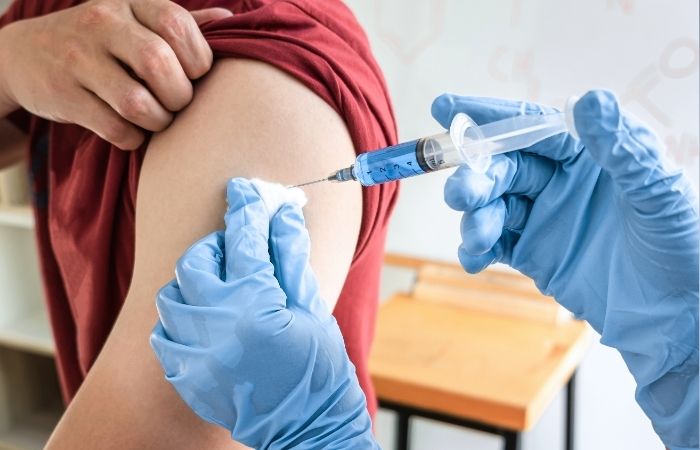
Vaccination, Immunity, and Risk in New Relationships
What if your partner already has the HPV vaccine? Does that change what you need to say? Maybe. The HPV vaccine (like Gardasil 9) protects against the strains most likely to cause genital warts and cancer, but not all strains. If your past infection involved a type that’s covered by the vaccine and your partner is vaccinated, the risk of transmission becomes extremely low. You may feel more confident skipping disclosure or simply giving them a brief heads-up without deep diving into your history.
Vaccination also changes the emotional dynamics of the conversation. A vaccinated partner may respond with: “Thanks for telling me, but I’m not worried.” And that can be healing. It reminds you that past infections aren’t moral stains, they’re just part of being a sexually active adult.
But what if you’re not sure what strain you had? Or if your partner isn’t vaccinated? That doesn’t automatically mean you’re a danger to them. The overwhelming majority of HPV exposures cause no symptoms and resolve on their own. But if they have health anxiety or a history of abnormal Pap results, the stakes may feel higher. That’s where dialogue matters more than disclosure alone.
Remember: this isn’t about confessing a crime. It’s about co-creating safety in a way that respects your history and your partner’s boundaries.
What If They React Badly?
This is the fear at the root of it all: “What if they leave?” “What if they shame me?” “What if they use this against me?” Those reactions are unfortunately real for some people. And if they happen, you’re not overreacting by feeling hurt. But it’s also worth reframing: if someone judges you for a common, treatable, cleared virus, what does that say about their readiness for real intimacy?
Take Anjali, 26. She told a new partner about a past HPV infection that had cleared years ago. He went quiet, then ghosted her. “At first, I was crushed,” she says. “But honestly? I dodged a bullet. Anyone who’s scared off by something that 8 in 10 people get probably isn’t ready for adult relationships.”
The goal here isn’t to scare you into silence or push you into unnecessary vulnerability. It’s to help you recognize that disclosure is a filter. The right people won’t punish you for your past. The wrong people might. But wouldn’t you rather find that out now?
When NOT to Tell: Giving Yourself Permission
Not every situation calls for disclosure. You don’t need to disclose a past HPV infection to:
- A one-time hookup where no further contact is expected
- A partner already vaccinated and informed
- Someone you’re no longer sexually active with
- Anyone who makes you feel unsafe, controlled, or coerced
There’s a difference between honesty and obligation. You get to decide when, how, and if you share. If you’re in a casual setting and you’re using protection, your emotional safety matters too. Don’t let social pressure force you into disclosure that puts you at risk of shame or control. If you want to test first, or wait to know someone better, that’s your call, not theirs.
And if it’s been years since your diagnosis and no red flags have come up? You’ve likely moved past contagiousness and into personal history. That history is yours to own, not justify.
Takeaway: It’s About Choice, Not Guilt
So, do you have to tell your partner you had HPV in the past? No. But you can, if it helps you feel more grounded, honest, or clear. You’re not hiding something if you don’t bring it up. And you’re not oversharing if you do. You’re just navigating one of the most emotionally misunderstood infections in sexual health.
If you need a grounding next step, start with testing. Get a recent result, especially if you have a cervix. Talk to a provider. And if you’re still unsure, ask yourself: “Would knowing this help my partner make an informed choice, or would it just create fear without risk?” That’s your compass.
If you’re ready to test discreetly before disclosure, or want to offer your partner an option to do the same, you can order an at-home HPV test kit here. It’s private, fast, and gives you both peace of mind.
Whether you tell them or not, you deserve partners who value your truth, not penalize it.
FAQs
- 1. Can I still give someone HPV if I had it years ago?
- Probably not, but let’s be real: there’s no 100% guarantee. Most people’s immune systems kick HPV out within 1–2 years, and if that’s you, chances are you’re not contagious anymore. But because HPV can go “ghost mode” (aka dormant), it’s not impossible for it to show back up. That said, transmission risk drops big-time over time, especially if you’ve had normal screenings or no symptoms since.
- 2. Do I have to tell my partner about it if it's long gone?
- Nope. There’s no law that says you have to bring it up, especially if you’re no longer infected. This is more about emotional ethics than medical rules. You’re allowed to keep your past yours, unless you feel like sharing would build trust or calm your own nervous system. Some people disclose to feel clean. Others don’t because it feels unnecessary. Both are okay.
- 3. What if they freak out when I tell them?
- Then you just learned something valuable. If someone panics over a super common virus that almost everyone gets eventually, they might not be emotionally ready for intimacy, sexual or otherwise. Your honesty is a strength. If they can't handle it, that says more about them than about you.
- 4. I’m a guy, how do I even know if I still have HPV?
- Ugh, you don’t, and that’s the problem. There’s no FDA-approved test for HPV in men. Unless you have visible warts or a partner flags it, you’re basically flying blind. That’s why this virus spreads so easily: it’s invisible and untestable in half the population. Doesn’t mean you’re a walking risk, just means disclosure isn’t always based on data. Sometimes it’s a gut call.
- 5. What about the HPV vaccine, does it mean I’m safe now?
- Safer? Yes. Completely immune? Not quite. The HPV vaccine protects against the strains most likely to cause cancer or warts, which is awesome. But there are lots of HPV types out there. If you’ve already been exposed to one, the vaccine can’t undo that, but it can stop you from getting others. Think of it like a virus seatbelt: not a force field, but very helpful.
- 6. Can I get HPV again even if it cleared?
- Yeah, unfortunately. It’s not like chickenpox where you get it once and you’re done. HPV has dozens of strains. Clearing one doesn’t protect you from the others, and yes, your body can get reinfected, especially with a different type.
- 7. Do I need to tell a hookup or one-night stand?
- That’s your call. If you’re not showing symptoms, and your past infection was ages ago, many people choose not to bring it up in short-term situations. Especially if you’re using protection. Your emotional safety matters too, if you feel unsafe or judged by someone, you don’t owe them your sexual medical history.
- 8. My partner had HPV, should I be worried?
- Not unless they’re actively dealing with symptoms or cell changes. Chances are, if you’ve had sex, you’ve already been exposed. The vast majority of people never get sick from it. If you're nervous, talk to a provider, get vaccinated if you haven’t, and keep up with screening if you have a cervix. No need to spiral.
- 9. Can I still have a normal sex life?
- Please do. HPV doesn’t take away your right to pleasure, trust, or intimacy. Most people have it at some point. You’re not damaged, dirty, or dangerous. You’re just... a person with a body that’s lived a little. Own it. Your sex life is yours to define.
- 10. How do I bring it up without it being super awkward?
- Start simple. “Hey, I had HPV a while ago. It cleared, and it’s not really a big deal medically, but I wanted to be upfront.” Keep your tone calm, don’t overshare, and follow their lead. You’re not asking for permission to exist, you’re just being real. And that’s sexy as hell.
You Deserve Truth, Not Fear
Having had HPV doesn’t define your worth or your future. Whether you tell your partner is up to you, but it should never come from shame. If you’re clear on your status, confident in your health, and connected to your values, disclosure becomes less about fear and more about care.
Don't wait and wonder; get the answers you need. This at-home HPV test kit can help you get answers and feel good about moving forward.
How We Sourced This Article: We combined current guidance from leading medical organizations with peer-reviewed research and lived-experience reporting to make this guide practical, compassionate, and accurate.
- CDC – Genital HPV Infection Fact Sheet
- NHS – Human Papillomavirus (HPV)
- Planned Parenthood – HPV Overview
- Chapter 11: Human Papillomavirus | CDC Pink Book
- Anogenital Warts – HPV Infection Management | CDC
- HPV Infection – STI Treatment Guidelines | CDC
- HPV Vaccination Recommendations | CDC
- HPV and Cancer – National Cancer Institute
- Should I Be Worried About a Positive HPV Test? – Mayo Clinic