Do You Need an STD Test After Oral Sex? What Doctors Recommend
Quick Answer: Yes, you can get some STDs from oral sex. If you have symptoms, if your partner has a known infection, or if you often get new partners, your doctor will usually tell you to get tested.
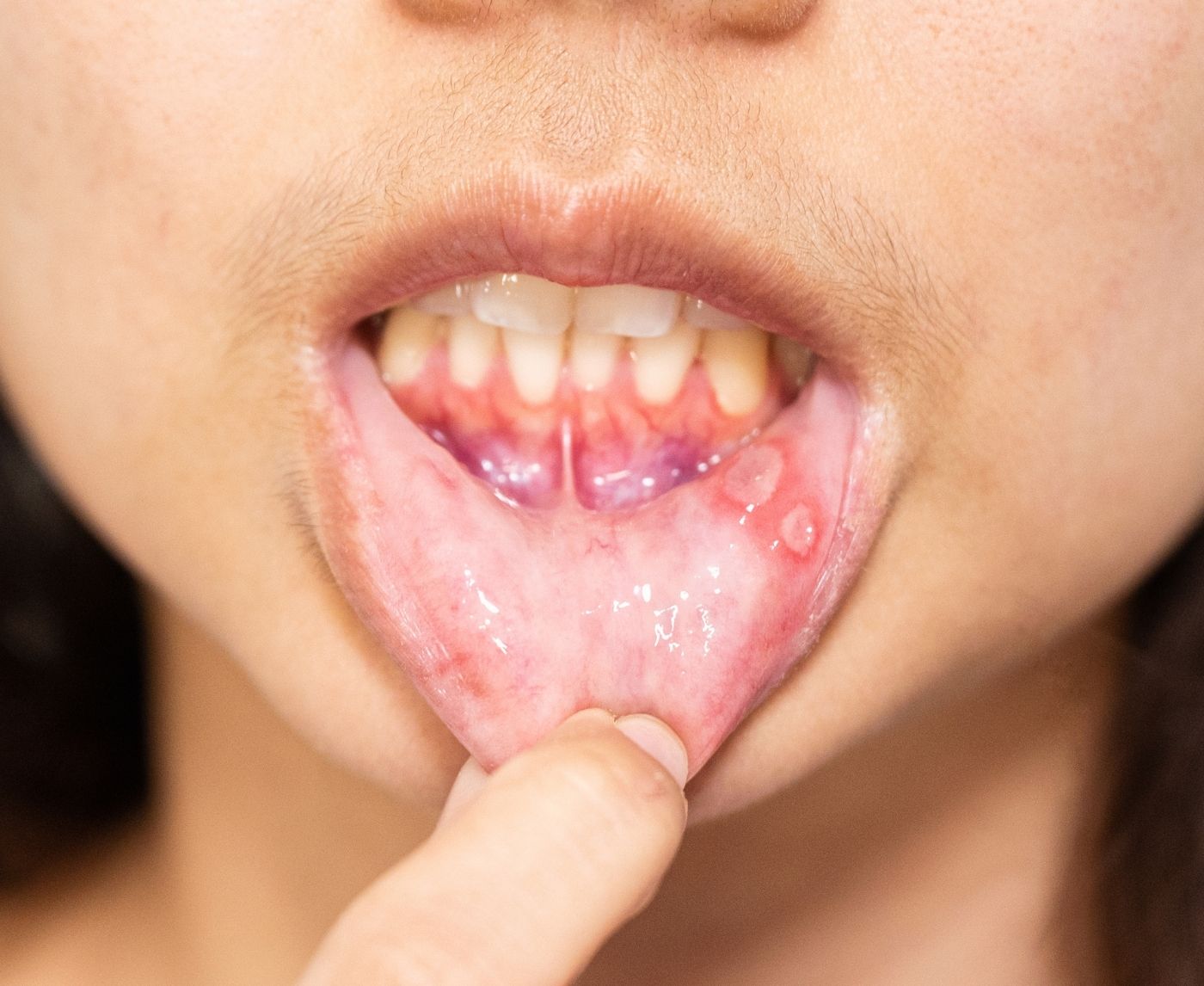
Quick Answer: Yes, you can get some STDs from oral sex. If you have symptoms, if your partner has a known infection, or if you often get new partners, your doctor will usually tell you to get tested. Throat swab tests can find infections like chlamydia, gonorrhea, and syphilis.
The Quiet Truth About Oral Sex and STD Risk
Oral sex is in this weird place in public health discourse. We tend to think of it as “not really sex,” or at least not really the kind of sex that can transmit anything important. This is partly because of outdated sex ed materials from earlier decades, which emphasized pregnancy prevention almost exclusively.
But oral sex can absolutely transmit infections. The tissue in our mouths and throats is very delicate and therefore has the biological capability to carry many of the same infections as genital tissue. If we introduce bacteria or viruses into this tissue, they can just as easily take hold there.
Some doctors are saying right now that this is one of the reasons why we still see many cases of infections like gonorrhea. The reason is that throat infections tend to have very mild or no symptoms at all, which means we can spread them to partners without knowing it.
A physician working in one of the larger cities’ busiest sexual health clinics described this in an interview about public health:
“Most people who come in for STD testing think about genital symptoms. Very few realize that the throat can carry the same infections.”
This is why, during STD testing visits, physicians often ask patients this rather specific question: have they had oral contact with a partner’s genitals? This is the only detail necessary to determine whether they should have a throat swab as part of their screening.

Which STDs Can Actually Spread Through Oral Sex?
Not all sexually transmitted infections spread easily through oral contact, but some well-known ones do. Knowing which infections can cause this kind of transmission helps explain why doctors recommend testing.
| STD | Can Spread Through Oral Sex? | Common Location of Infection | Typical Symptoms |
|---|---|---|---|
| Gonorrhea | Yes | Throat, genitals, rectum | Sore throat, redness, often no symptoms |
| Chlamydia | Yes (less common) | Throat or genitals | Usually asymptomatic |
| Syphilis | Yes | Mouth, lips, genitals | Painless sores called chancres |
| Herpes (HSV-1 / HSV-2) | Yes | Mouth or genitals | Blisters or cold sores |
| HPV | Yes | Mouth, throat, genitals | Often none, sometimes warts |
| HIV | Possible but rare | Bloodstream | Flu-like symptoms in early stage |
Figure 1. Common infections that can spread through oral sex and where they typically appear in the body.
The most common infection linked to oral transmission is gonorrhea. Researchers of public health have noted that throat infections tend to serve as a hidden reservoir for the bacteria, implying that people may be infected without their knowledge.
This is the reason why, in some instances, a throat swab may be ordered even if there are no symptoms at all. This is done to detect infections that may be hidden.
In the case of herpes, transmission of the disease often takes place during oral sex, especially if the person has a cold sore and performs oral sex. This is how genital herpes infections caused by HSV-1 are often contracted.
The essential thing to learn from this is that, while oral sex is not safe, the degree of risk varies depending on the infection.
What Symptoms Actually Suggest an Oral STD?
The hard part is that a lot of throat infections don't show any signs at all. Oral gonorrhea or chlamydia can be in someone's body for weeks without them knowing it. That's one reason why doctors often stress the importance of regular screenings for people who have more than one partner.
Even so, some symptoms do show up from time to time when the throat gets infected.
| Possible Symptom | How Often It Appears | Possible Cause |
|---|---|---|
| Sore or scratchy throat | Occasional | Gonorrhea or irritation |
| Redness in throat | Occasional | Bacterial infection |
| White spots or patches | Rare | Syphilis lesion or secondary infection |
| Painless sores in mouth | Rare | Syphilis or herpes |
| No symptoms at all | Very common | Many oral infections |
Figure 2. Symptoms associated with oral STDs and how frequently they occur.
A sexual health nurse explained it this way to a group of patients in a patient education workshop:
“Half the time people come in convinced they have an STD in their throat, it turns out to be seasonal allergies or reflux. The other half of the time, the infection is completely silent.”
As a result, it is understandable that testing would provide a solution to a problem that is filled with uncertainty and anxiety, and possibly a lack of symptoms.
If a person experiences symptoms such as sores in the mouth, constant pain in the throat after a sexual encounter, or finds out that a partner has tested positive, then it is recommended that a person tests as soon as possible. And in a case where the anxiety is the problem, then a test can solve the problem in a matter of minutes.
For those who value their privacy, there are many who seek to first explore the discreet testing options that are available to them through STD Test Kits.
When Doctors Actually Recommend Testing After Oral Sex
One of the biggest misconceptions concerning oral sex and STDs is the assumption that testing should be done immediately after sex. This, however, is not true, and the reason for this misconception stems from the fact that the human body does not work as quickly as one might think. When the body comes into contact with any foreign pathogen, such as bacteria or viruses, the body must allow the pathogen to replicate before the results of the test will be accurate. This time period, during which the pathogen must replicate, is referred to as the testing window, and it occurs whether the pathogen infects the throat or the genitals.
A patient, Jordan, explained the classic scenario during their intake interview. Three days after having sex, Jordan woke up with a scratchy throat and immediately jumped to the worst-case scenario.
“Basically, I came into the clinic three days after having sex, and I had a scratchy throat, and I just knew I had gonorrhea or whatever. So, I came in, and the doctor said, ‘Well, even if you did, it’s probably too early to detect yet.’”
The doctor was not making light of the patient’s concern, he simply explained the timing of the testing. It would be considered a false negative simply because the pathogen had not had the time to replicate enough to be detected.
Most doctors recommend testing after oral sex in the following three instances. The first instance, of course, would be if the patient has already developed symptoms. A sore throat, unusual sores, or lesions in the mouth would be cause for concern and would warrant testing, as the pathogen would already be present in the throat.
The second instance would be if the patient has been knowingly exposed to someone with an STD, such as gonorrhea, chlamydia, or syphilis, and tests positive for one of these diseases.
The third instance would be if the patient simply wishes to know their status and tests every three to six months, no matter how many sex partners they have had.
The Testing Timeline Doctors Use
The time frame for testing varies depending on the type of infection. Some bacteria reproduce quickly and can be found in blood tests or swabs within days, while others take weeks to be found.
The table below shows the rough timing that most doctors use to decide whether or not to test after oral exposure.
| STD | Typical Detection Method | Earliest Detection Window | Most Reliable Testing Time |
|---|---|---|---|
| Gonorrhea | Throat swab (NAAT) | 3–5 days | 7–14 days |
| Chlamydia | Swab or urine test | 5–7 days | 14 days |
| Syphilis | Blood test | 3 weeks | 6 weeks |
| Herpes | Swab of lesion | 2–12 days after sores appear | During active outbreak |
| HIV | Blood antigen/antibody test | 18–45 days | 6 weeks |
Figure 3. Approximate testing windows used by clinicians after possible exposure.
The essential point to grasp is that testing the following day does not really help, while waiting for at least a week greatly increases the chances of obtaining accurate results for the diseases most likely to be contracted.
While this may be annoying, especially if the urge to find answers arises, many experts encourage waiting, which can actually increase the accuracy of results.
For people struggling to come to terms with the “what if” dilemma, getting tested as soon as possible can help clear up any confusion. Many people opt for discreet testing services such as the STD Test Kits homepage to check for common diseases before determining whether or not to seek further medical attention.
Throat Swab vs Standard STD Test: Why the Location Matters
Another interesting fact that patients are often surprised by is that not all STD tests check for infection in the exact same location. In other words, if someone only gives a urine sample, they may not even detect that they are infected with a throat infection.
This is also the reason that many STD clinics will often base their testing on the history of sexual activity rather than on symptoms. In other words, someone who has had oral sex may also be tested for infection on the back of the throat.
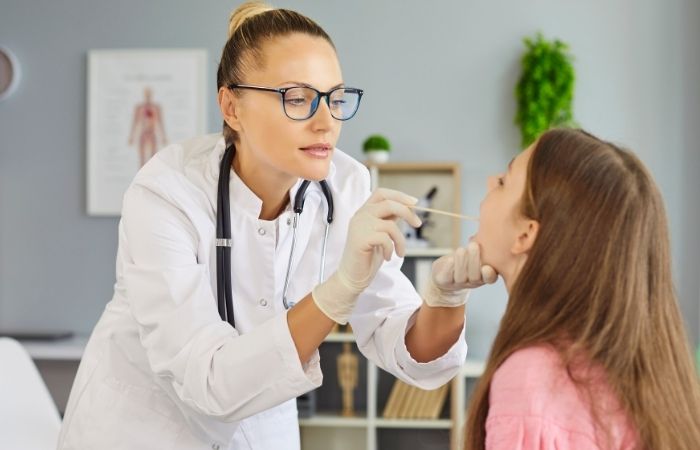
The process is also very simple and painless. A healthcare provider will swab the tonsils and the back of the throat. This is similar to the process for checking for strep throat. The results are then sent off for nucleic acid amplification testing.
Many patients are surprised by just how quickly the process is over. One nurse practitioner even jokingly told someone coming in for testing:
“It takes longer to fill out the paperwork than it does to swab your throat.”
In fact, for those suffering from gonorrhea, throat swabbing is considered the most accurate testing procedure. These tests are also able to detect even small amounts of bacteria.
Many testing kits are also available for those who want to send off their testing results via mail. These testing kits include swabs that are specifically designed for oral testing.
Why Many Oral STDs Go Completely Unnoticed
One of the most interesting things about oral infections is that they can live in a way that is almost undetected. While genital infections are not always comfortable, throat infections are often undetectable.
In studies of the transmission of gonorrhea, researchers have found time and again that there are a great number of throat infections that are undetectable, meaning that people are infected without pain, fever, or swelling in the throat.
This is a strange situation indeed. A person can be perfectly healthy and still spread infection by having sex with another person.
A health educator described it like this in a seminar:
“The throat is like a quiet hotel for bacteria. They live there for a while, and you don’t even know they are there.”
This does not mean that infections will last forever. They can be cleared up with antibiotics after they are detected. But it is part of the reason that screening is a part of sexual health for people who have multiple partners.
Testing is not really about symptoms in this case. It is about clarity.
Clarity is always worth a quick swab.
A Real Scenario Doctors See All the Time
Take an example: an individual has a sexual encounter with a new partner during a weekend trip. It is an oral encounter without intercourse. After a few days of the encounter, he is unsure whether he should get himself tested.
This is exactly what sexual health clinics deal with every day.
During one such interview with a sexual health clinic, a patient named Alex described his case almost word for word:
“There wasn’t any intercourse, just oral. So I assumed there was basically no risk. But then I started reading online and realized I might be wrong.”
The physician discussed his case with him. There were no symptoms of an infection, no symptoms from his partner, and it had only been four days since he had sex. In this case, he suggested to Alex that he should wait a week before he got himself tested.
His rationale for this advice is quite simple: if he were to get himself tested too soon after his encounter, he would get a negative test result. If he were to wait a few more days, his results would be far more accurate.
What is interesting is that most individuals think that doctors would immediately advise patients to get themselves tested after any sexual encounter. It is not so. It is a far more rational response to a sexual encounter than what most individuals think.
How Risk From Oral Sex Compares to Other Sexual Activities
Another useful way to understand the situation is to compare oral sex risk with other forms of sexual contact. Public health researchers often describe oral transmission as possible but generally less efficient than vaginal or anal intercourse.
This difference largely comes down to biology. Certain infections spread more easily through genital mucosal tissue than through the mouth and throat. That said, “lower risk” does not mean “no risk.”
| Sexual Activity | Relative STD Transmission Risk | Common Infections Spread |
|---|---|---|
| Anal intercourse | Highest | HIV, gonorrhea, chlamydia, syphilis |
| Vaginal intercourse | High | Chlamydia, gonorrhea, syphilis, HPV |
| Oral sex | Moderate to low | Gonorrhea, herpes, syphilis, HPV |
| Kissing | Low | Herpes (HSV-1) |
Figure 4. Relative STD transmission risk associated with different types of sexual contact.
Gonorrhea is one infection that comes up a lot in studies of oral transmission. The bacteria can live in the throat without causing any noticeable symptoms, which lets it move quietly between partners.
On the other hand, HIV and other infections are very unlikely to spread through oral sex unless there are other risk factors, like open sores, bleeding gums, or being around a lot of infected fluids.
This difference is important because a lot of people think that the most dangerous infections are the ones that are most likely to spread through oral contact. In reality, bacterial infections are usually the most important thing to worry about.
The Truth About HIV Risk From Oral Sex
One of the biggest worries on the Internet when it comes to HIV is the possibility of it being spread through oral sex. People immediately think of this when it comes to any form of exposure.
However, when it comes to scientific facts and figures, it is very difficult to spread HIV through oral sex. This is because there are natural enzymes in the mouth that protect against HIV. Furthermore, saliva has antiviral properties that reduce the risk of HIV even more.
Does this mean it is not possible? If an individual has gum problems or oral ulcers, or has just had dental work done, it is true that there is a slightly higher risk. In fact, there is a slight increase in risk if an individual has any of these problems.
A doctor who specializes in infectious diseases once gave an interview on public health and discussed this very topic:
“When patients ask us about HIV and oral sex, we reassure them that it is an extremely low risk. In fact, other diseases are far more likely to be spread through oral sex.”
This is an interesting way to shift focus to other diseases that may be spread through oral sex.
When Doctors Usually Say Testing Is Not Necessary
Another question that people ask is whether all oral encounters require testing. The answer to that is no in most cases.
If a person has oral sex with a partner who is in a long-term relationship and who has been recently tested for STDs and has come back negative, then in most cases, doctors would say that there is little chance of infection. In such a case, there would be no need to test unless symptoms are present.
In cases of single encounters where both partners have been recently tested for STDs, doctors would say that there is little chance of infection in such cases. In both of these cases, there would be no need to test unless symptoms are present.
Of course, everyone has their own level of comfort with regards to testing. There are some people who would like to get tested regularly for STDs for their own peace of mind. There is nothing wrong with that either.
Testing for STDs is all about clarity. Knowing your status is about clarity. Knowing your status is about being able to make informed decisions about your health and your partners.
For those people who would like to know their status without having to make an appointment at a clinic, there are a number of home screening kits that are now available. The 7-in-1 Complete At-Home STD Test Kit is one such kit that tests for several of the most common STDs in one test.
FAQs
1. Can you get gonorrhea if you practice oral sex?
Yes, gonorrhea can be contracted during oral sex, and the infection will be in the throat. This type of infection, which occurs in the throat, is referred to as oral or pharyngeal gonorrhea. Some individuals infected with gonorrhea in the throat may not display any symptoms at all, and the test may be done on the throat.
2. Do I need to take the throat swab STD test if I practice oral sex?
Not always, because if the individual with whom you had oral sex did not display any symptoms, then the need to take the throat swab STD test arises. Also, if you are the type of person with many sex partners, then taking the throat swab STD test would be recommended.
3. How long after oral sex should you be tested for STDs?
The length of time before testing for STDs varies depending on the STD. For bacterial STDs like chlamydia and gonorrhea, the best results will be obtained if the test is done 7 to 14 days after having sex.
4. Can chlamydia be contracted if you practice oral sex?
Yes, chlamydia can be contracted if one has oral sex, and the infection will be in the throat. Although the chances of getting chlamydia in the throat are low, the infection will be present, and the individual may not display any symptoms at all.
5. What does oral gonorrhea feel like?
Oral gonorrhea does not usually feel like anything at all, and the individual may just think he or she has a mild sore throat, which may be red and irritated, just like any other throat infection.
6. Is HIV a risk from oral sex?
HIV transmission from oral sex is thought to be extremely rare. In contrast, other diseases like gonorrhea, herpes, and syphilis are much more likely to be transmitted orally.
7. Should you test after oral sex if you have no symptoms?
Doctors generally recommend that you should test for STDs after oral sex only in cases where you have symptoms, a partner has symptoms, or you test regularly due to a high number of new sex partners. Routine testing is recommended every few months for those who wish to know their STD status at all times.
8. Can you get herpes from oral sex?
Yes, you can get herpes from oral sex. If a partner with an active cold sore gives oral sex, you can get herpes. This is one of the most common methods by which herpes is spread to the genital area.
9. Can a sore throat from oral sex mean an STD?
Yes, but not usually. There are a number of reasons for a sore throat, and STDs are not always a cause. The only way to know for certain whether you have an STD is to get a test done.
10. Are at-home STD tests reliable after oral exposure?
Yes, there are a number of at-home STD tests that are quite reliable, provided you test at the appropriate time. These tests are done in a laboratory and are generally accurate.
Before You Spiral on Google, Here’s the Real Takeaway
In talks about sexual health, oral sex is a bit of a gray area. It's very common, often thought to be less risky, and there is a lot of confusion about it online. The truth is much simpler: some infections can spread through oral contact, but testing decisions usually depend on symptoms, exposure, and timing.
If a partner later says they have an infection or shows symptoms, getting tested is a good idea. But if you're not sure what's going on and your anxiety starts to rise, testing can also give you something just as useful: clarity.
You can use discreet screening tools like the8‑in‑1 Complete At-Home STD Test Kit to get quick answers without having to wait for a clinic appointment. It lets you quickly and privately check for a number of common infections.
How We Sourced This Article: This guide brings together advice from well-known public health groups, peer-reviewed research, and real-life examples of how to test for and transmit STDs orally. The writing was based on about fifteen sources, such as medical guidelines, epidemiological studies, and materials for teaching sexual health. The six sources listed below are the most reliable and easy-to-read references that were used in the research.