FDA Clears At-Home HPV Test: What It Means for STD Testing
Recent reporting from The Associated Press has highlighted the FDA’s decision to allow an at-home screening option for those who are infected with the HPV virus.
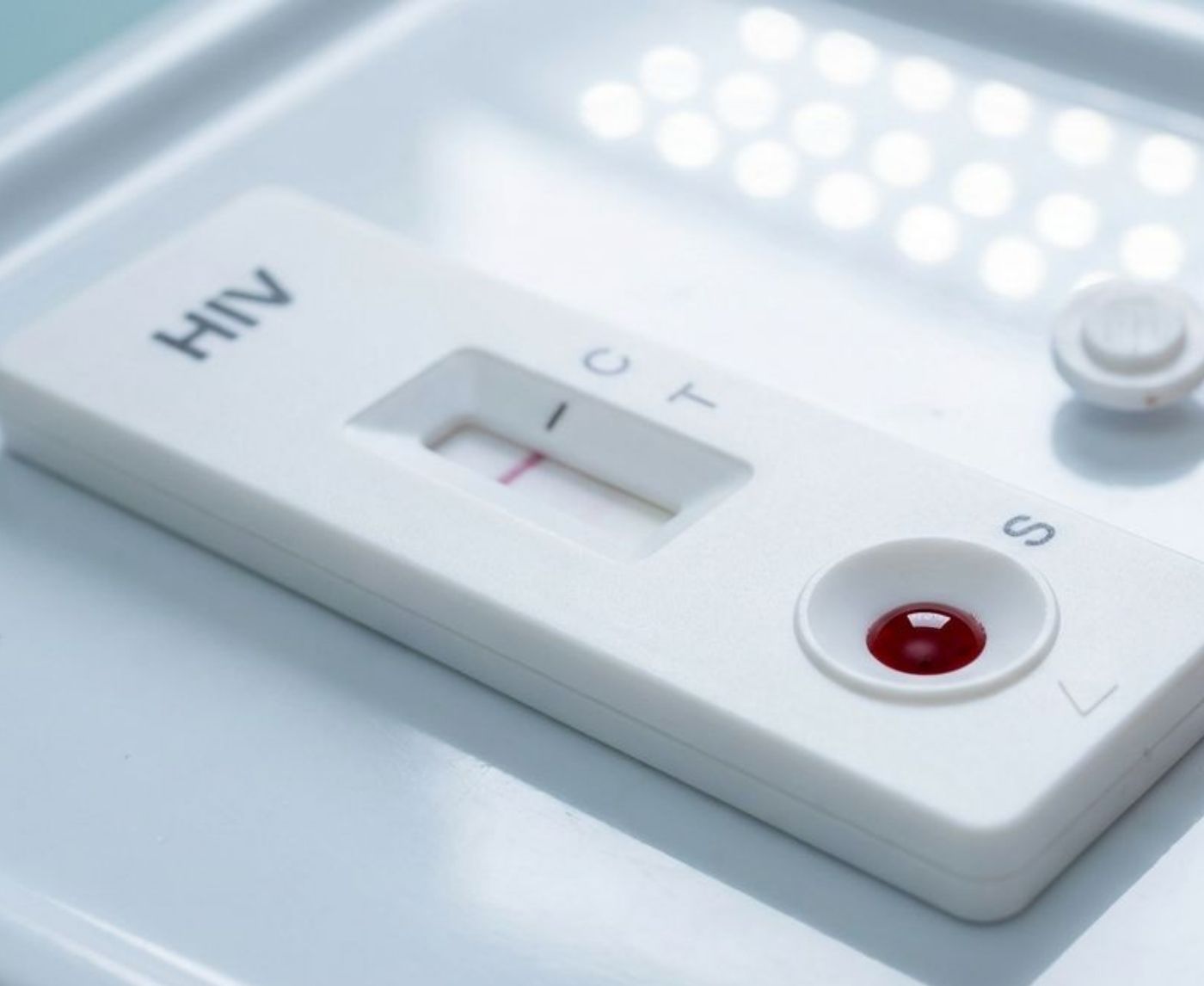
Quick Answer: A new report said that the FDA had approved a new at-home HPV test for finding cervical cancer. That particular authorization is mostly about HPV screening, but it is part of a bigger trend: health officials are more and more in favor of people testing for sexually transmitted infections at home. There are already home STD tests for some infections that let people check their sexual health in private without going to a clinic.
Recent reporting from The Associated Press has highlighted the FDA’s decision to allow an at-home screening option for those who are infected with the HPV virus. This is interesting because it shows that there is a certain confidence in these types of tests being used within the home. As is indicated by this type of testing, which is being used to identify whether or not someone is infected with a type of virus that causes cervical cancer, there is a certain ease to these tests that allows individuals to take control of their own sexual health.
Why At-Home STD Testing Is Becoming More Common
For decades, sexually transmitted infection testing has traditionally required scheduling a clinic appointment, waiting in a waiting room, and in some cases, waiting longer for a test due to embarrassment, financial constraints, and inaccessibility. However, public health professionals have long acknowledged these barriers to testing, which may prevent people from getting tested as often as recommended. Home testing options have also been developed in response to these issues.
At home tests use the same fundamental principles of science and medicine as tests performed in a doctor’s office. However, instead of having a healthcare professional obtain a sample, people may take a sample on their own, following the instructions provided with the test. This sample may be a swab, a urine test, or a small prick on a finger, depending on the disease being screened. This sample is either analyzed on the spot with a rapid test device or is sent to a lab for further analysis.
The recent regulatory activity with home HPV screening tests illustrates a significant shift in the way medicine is approaching sexually transmitted disease testing. More and more, healthcare professionals and regulators are realizing that if testing is made more convenient and private, people will be more inclined to get screened. This, in turn, may help reduce the spread and incidence of these diseases.
However, for people who prefer discretion and convenience, there are also options available at home, provided by STD Test Kits, who offer screening tools for people to test for certain diseases in private.
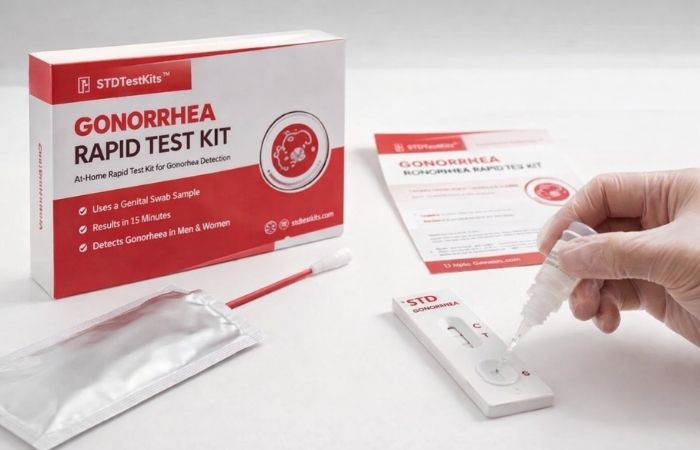
What Counts as an STD Test and How Different Tests Work
The tests for sexually transmitted infections are intended to find the infection-causing organism or the immune system’s reaction to the infection. Various sexually transmitted infections require different testing procedures because viruses, bacteria, and parasites behave differently in the body.
For instance, HPV tests seek the presence of genetic material from high-risk strains of the virus that cause cervical cancer. Other STIs, such as chlamydia and gonorrhea, may be detected by nucleic acid amplification tests that look for the bacteria’s DNA. Blood tests may be used to find antibodies or antigens for STIs like HIV and syphilis.
At-home STD tests employ the same scientific techniques as standard tests. However, the procedure is modified to allow the individual to carry out the test by himself. The reliability of any test performed at home or in a clinical setting largely depends on the timing and the collection of the sample.
| Infection | Typical Sample | What the Test Detects | Notes |
|---|---|---|---|
| HPV | Cervical or vaginal swab | Viral DNA | Used for cervical cancer screening |
| Chlamydia | Urine or swab | Bacterial DNA | Often asymptomatic |
| Gonorrhea | Urine or swab | Bacterial DNA | Frequently tested alongside chlamydia |
| Syphilis | Blood sample | Antibodies | May require confirmatory testing |
| HIV | Blood or oral fluid | Antibodies or antigens | Window periods vary |
Each test type is designed around the biology of the infection it detects. Because of this, timing plays a crucial role in determining whether a test will accurately identify an infection.
Why Timing Matters: Window Periods Explained
One of the most important factors in STD testing is the “window period.” This term describes the amount of time between exposure to an infection and the moment when a test can reliably detect it. Testing too early may produce a false negative result simply because the infection has not yet reached detectable levels.
Window periods vary widely between infections. Some bacteria can be detected within days, while certain viruses may take weeks before the body produces measurable antibodies. Understanding these timelines helps individuals decide when testing will provide the most reliable results.
| Infection | Earliest Detection | Recommended Testing Window |
|---|---|---|
| Chlamydia | 5–7 days | 1–2 weeks after exposure |
| Gonorrhea | 5–7 days | 1–2 weeks after exposure |
| Syphilis | 3 weeks | 4–6 weeks after exposure |
| HIV | 10–14 days | 3–6 weeks after exposure |
| HPV | Weeks to months | Often detected during routine screening |
Because HPV infections often produce no symptoms, screening programs have historically relied on clinic-based tests. The emergence of at-home screening options reflects efforts to make those screenings more accessible for people who might otherwise delay testing.
Rapid Tests vs Laboratory Tests
The other important difference that has been observed between STD tests is that some tests provide rapid results, while others require laboratory testing. The rapid results are usually available within a few minutes by using a device that detects antibodies or antigens. The laboratory results may take a few days as the sample is analyzed by using advanced technology.
Both rapid results and laboratory results have their advantages. The rapid results are convenient as results are readily available, while laboratory results are more effective as infections are diagnosed at a very early stage. The home testing options provide a combination of both results as a person can perform a test at home and receive results electronically after laboratory results are available.
If conducted correctly at an appropriate time after infection, both tests are effective in identifying infections. What is important is choosing the right test at a particular time for a particular purpose by carefully collecting a sample.
Some people may want to test at home as it is more convenient to choose a time that suits a busy schedule at work. The home testing options are available through STD Test Kits as a person can test for various infections at home.
When Should You Test After a Possible Exposure?
One of the first and most frequent queries that people have after an encounter that prompts concern is: how soon should I get tested? This, in turn, depends on several factors, including the nature of the infection, the presence or absence of symptoms, and the time elapsed since the encounter. It is important not to get tested too soon, as results might not reflect accurately, and at the same time, not get tested too late, so that transmission is avoided.
Generally, medical practitioners suggest that testing should be conducted on the basis of scenarios and not on the presence or absence of symptoms. This is because some of these diseases, particularly those that are transmitted through sexual contact, have no symptoms in the initial stages, and hence, an individual can be infected and spread an infection without even knowing that they are infected. This is why routine testing is an important aspect of sexual health care, even if an individual feels completely normal.
In cases where an individual feels that they have been exposed to an infection, it is recommended that they get tested within one or two weeks if they suspect an infection like chlamydia or gonorrhea. For viral infections, it might take longer before they can be detected. If an individual gets tested soon after an encounter, it is recommended that they get tested again after some time.
For instance, a person might engage in unprotected sex with a new partner and become worried about the risk of infection. In such a case, the person might consider testing during the first week to diagnose any possible bacterial infections. If the results are negative and the person develops symptoms after a while, they might consider retesting after a few weeks. However, the layered testing method is a common practice in the treatment of sexually transmitted diseases.
The main objective of the practice is not only to diagnose the infection at the earliest possible time but also to avoid false-negative results due to the early stages of infection. The knowledge of the time scale helps eliminate confusion when considering the need for testing. For people who value their privacy and wish to avoid the stigma associated with testing, the availability of home testing kits provides a convenient way to diagnose possible infections without the need to visit a testing facility. Home testing kits from providers such as STD Test Kits allow people to test from the comfort of their homes.
How Privacy and Convenience Are Changing STD Testing
For many, the biggest obstacle in obtaining an STD test has not been technology, but comfort and accessibility. Going into a clinic can be intimidating, particularly for younger adults or those who are sensitive about issues like STDs. Other issues, like clinic hours, transportation, and medical billing and records, can also be an obstacle.
Home testing, on the other hand, provides an opportunity for people to take control of their own sexual health. Instead of waiting weeks for an appointment, an individual can order a test, collect the sample, and receive results without ever having to leave their house. This can be particularly beneficial for those who live in rural areas and have limited sexual health clinics in their areas.
Another reason why people are opting for home testing is that it provides an added level of privacy. This, in turn, has encouraged more and more people to look into home testing. While medical professionals are an essential part of the testing and treatment process, home testing provides an opportunity for those who might not otherwise seek testing.
The recent regulatory scrutiny on home HPV testing has further validated that testing samples, even those that are self-collected, can be an effective tool in identifying and diagnosing diseases, provided they are utilized correctly. While there are obviously different testing procedures that must be taken in order to identify and diagnose different diseases, one thing is clear: sexual health testing has never been more flexible and accessible than it is today.
What Happens If an STD Test Is Positive?
However, while getting a positive STD test result may be a daunting experience, it is worth noting that most STD cases are easily managed, and the patient recovers completely with proper medical care. The first step after getting a positive test result is to verify the result with a healthcare professional and get information on the available treatment options. In most cases, STD treatment is readily available and effective.
Bacterial STD cases, such as chlamydia and gonorrhea, are easily treated with antibiotics. These STD cases are completely cured if treated early, and the patient is unlikely to experience long-term health consequences. On the other hand, viral STD cases, such as herpes and HIV, cannot be cured with a single dose of medication. However, with recent advances in medicine, these STD cases can be managed to a large extent, and the patient is unlikely to experience long-term health consequences.
The second step after getting a positive STD test result is to inform recent sexual partners about the STD diagnosis. This is a crucial step in preventing further STD cases and curtailing the spread of STDs in the community. Many healthcare providers offer services for notifying recent sexual partners, and the process is usually anonymous.
Finally, in cases where STDs may cause long-term health consequences, monitoring and follow-up may be recommended. This is particularly true for STD cases, such as high-risk HPV, which may cause cervical cancer. Screening for these STD cases is available, and early detection allows healthcare providers to intervene in a timely manner to prevent long-term consequences.
It is worth noting that while getting a positive STD test result may be a daunting experience, it is crucial to understand that STD tests offer a clear picture. Therefore, getting a positive test result is a step in the right direction, and the patient is in a position to take steps to protect his/her health and the health of his/her sexual partners.

The Bigger Picture: Why Early Testing Matters
The recent news about at-home HPV screening is a part of a larger movement within the public health system to improve early detection of sexually transmitted diseases. The earlier that diseases are caught, the easier it is to treat them, making it less likely for complications to arise while at the same time reducing transmission rates within a population as a whole.
In years past, it was common for individuals to wait until a sexually transmitted disease had already caused symptoms before undergoing a test. The problem is that by the time symptoms have developed, it is possible that a person has already been infected for weeks or months. Regular screening is a way to close this gap by making it easier to catch diseases before health complications arise.
In fact, public health organizations across the globe are actively promoting screening for sexually active individuals, especially if a person has a new partner or is not using protective devices. The fact that more private screening options are now available means that more individuals are able to get screened without having to wait for a doctor's appointment.
As health care technology continues to advance, it is likely that screening will become more accessible as a means of testing for diseases. The ultimate goal is the same: making it easier for people to get screened so that more are willing to take that step. The more that people are willing to get screened, the better off individual health is as a result.
Understanding Accuracy and Limitations of At-Home STD Tests
When there is a new testing method that is made available in the public eye, one of the first concerns that people have is how accurate it is. The fact remains that there are several factors that go into making an at-home test kit accurate, including how the sample is taken, how soon after being infected an individual takes the test, and even what type of virus they are infected with. At-home tests use the same technology that any clinic would, but they give that technology over to the individual.
The biggest difference between an at-home test and any clinic-based test is that an individual has to ensure that they are following all instructions when they take the test. This includes making sure that they take an adequate sample, so that if they are infected, they can be sure that they can get an accurate result. This means that if an individual takes an at-home test and does not get an adequate sample, they could end up reducing the overall accuracy of the test.
The fact remains that timing is one of the biggest factors that goes into making an at-home test kit accurate. This means that if an individual takes an at-home test too soon after they have become infected, they could end up not being able to get an accurate result, even with advanced technology. This is why there are so many recommendations that an individual should take an at-home test after they have been infected and waited a certain amount of time.
The fact that there is so much interest in at-home HPV testing has a lot to do with the fact that there is so much conversation about at-home testing in general.
| Factor | How It Influences Results | What Users Should Do |
|---|---|---|
| Timing After Exposure | Testing too early may produce false negatives | Follow recommended window periods |
| Sample Collection | Improper swabbing or insufficient blood samples can reduce accuracy | Follow kit instructions carefully |
| Type of Infection | Different pathogens require different detection methods | Use a test designed for the specific infection |
| Handling and Storage | Extreme temperatures or contamination may affect results | Store kits according to instructions |
| User Error | Incorrect timing or interpretation of results | Review instructions before beginning |
These things are true whether the test is done at home or in a doctor's office. Home testing can be a useful first step in finding infections if the instructions are followed correctly and the tests are done during the right time frame.
Common Reasons People Choose At-Home STD Testing
The discussion on home HPV testing is a reflection of a larger movement: people are increasingly interested in healthcare services that fit into their daily lives. This is especially true for STD testing services. As much as clinics are an important resource for those who need to be tested for STDs, many people are interested in the flexibility that home testing allows.
One obvious advantage is that a person can order a test online and then take the test without having to make an appointment or wait in a clinic. For those with a busy schedule or who do not have access to healthcare providers, this is an important advantage.
Another important aspect is that of privacy. Sexual health is a difficult topic for many people to discuss. As a result, some people may be discouraged from going to a clinic to be tested because of the fear of being stigmatized. With home testing, a person is able to take control of their health in a place where they are comfortable.
A third advantage is that of accessibility. For some people, especially those living in remote areas, access to a sexual health clinic may be difficult because of its distance or its hours of operation. With home testing, a person is able to be tested without having to travel to a clinic.
For those who are interested in private STD testing services, some services that are available include at-home STD test kits that allow for multiple STD testing.
FAQs
- 1. Can I really test for STDs at home?
- Yes, it is possible to test for some STDs at home. These tests are available as test kits that require a urine sample, a swab sample, or a blood sample. The results are then ready as shown by a device that comes with the test kit or after the sample has been analyzed by a lab.
- 2. How accurate are at-home STD tests?
- These tests are accurate if proper procedures are followed when taking a sample for testing. The accuracy of the results depends on whether it is within the recommended time after exposure to the disease. The results are thus reliable if proper procedures are followed.
- 3. How soon after having sex should I test for an STD?
- The time after which a person should test for an STD depends on the kind of disease. In some cases, it is possible to test for some diseases a week or two after exposure. However, it is advisable to test later after a few weeks if the test is conducted soon after exposure to the disease.
- 4. What if I test positive for an STD?
- If a person is found to be positive for an STD, it is advisable to seek medical assistance as soon as possible. Most STDs are treated by antibiotics if they are caused by bacteria. However, some diseases are caused by viruses that require constant medical supervision to prevent complications from arising.
- 5. Do STD tests detect HPV?
- HPV testing is a common procedure that is part of cervical cancer screening for people with a cervix. The procedure involves identifying strains of the virus that are associated with cancer risk.
- 6. Can a person get an STD without showing symptoms?
- Yes, a person can get an STD without showing symptoms. Most STDs do not show symptoms during the initial stages. Therefore, it is advisable for people who are sexually active, especially if they have a new partner, to get tested.
- 7. Are home STD tests private?
- Yes, home STD tests are private. Most home testing services ensure that a person’s confidentiality is maintained. The tests are usually sent in discreet packages, and the results are usually sent online.
- 8. Do I still need to see a doctor after I take a home STD test?
- Yes, it is advisable for a person to see a doctor after they have taken a home STD test. A person is advised to see a doctor if they test positive for an STD.
- 9. Why do some STDs require retesting?
- Retesting is usually necessary for people who have been diagnosed with an STD. Some STDs may take a while before they show up in the results of a test. Therefore, a person may be advised to get retested as a way of confirming the results of a test.
- 10. Can I trust the privacy aspect of the test?
- 100%. No flashy branding, no awkward visits to the chemist, and no medical bills that scream “STD TEST” in all capital letters.
You Don’t Have to Wait for Symptoms to Take Action
The recent news reports about at-home HPV testing represent a good example of the ever-evolving nature of sexual health testing. As technology improves and regulatory stances regarding self-collected samples become more liberalized, the process of testing becomes more accessible and discreet than ever. This is an important point because some of the most common STDs may remain asymptomatic for weeks, months, or even years.
Screening tests represent one of the most effective means of protecting yourself and those with whom you have sexual relations. Whether through a medical professional or private screening options at home, the process of understanding your status provides the necessary information with which to take the next step with assurance.
If you are interested in a private and discreet experience with STD testing, STD Test Kits provides options available to consumers. At-home testing provides an opportunity to test for a variety of common STDs without the need of a clinic visit.
How We Sourced This Article: This guide compiles the latest clinical recommendations regarding vaginal infections alongside peer-reviewed research on sexually transmitted infections and the vaginal microbiome. We read medical literature from the CDC, Mayo Clinic, NHS, and infectious disease journals to make sure that the explanations of bacterial vaginosis, yeast infections, and trichomoniasis were correct and not stigmatizing.