Flu, Stress, or HIV? What Early Infection Actually Feels Like
Quick Answer: Early HIV symptoms usually appear 2–4 weeks after exposure and often resemble a mild flu. The only way to be sure is to wait until the window period is over and then get an HIV test.

Quick Answer: Early HIV symptoms usually appear 2–4 weeks after exposure and often resemble a mild flu. People may experience fever, sore throat, fatigue, swollen lymph nodes, or rash during this phase, known as acute HIV infection. The only way to be sure is to wait until the window period is over and then get an HIV test.
The Strange Two-to-Four Week Window
When HIV first enters the body, it doesn't show any obvious signs right away. The virus, on the other hand, quietly starts to make copies of itself inside immune cells. During this early stage, known as acute HIV infection, the virus levels rise quickly and the immune system starts to fight back.
This is why many people notice symptoms somewhere between two and four weeks after exposure. The immune system is essentially sounding an alarm. The reaction can feel similar to what happens when your body fights the flu or mononucleosis.
But here’s the tricky part: not everyone experiences this phase in the same way. Some people feel noticeably sick for a few days. Others have symptoms so mild they barely register. And a significant percentage never notice symptoms at all.
One patient described the moment this uncertainty began:
“About three weeks after a hookup, I woke up drenched in sweat and felt like I had the flu. My throat hurt, my neck felt swollen, and I couldn’t shake the thought: what if this is HIV?”
That moment, when normal illness suddenly feels suspicious, is incredibly common. And it’s why understanding the pattern of early HIV symptoms matters.
What Early HIV Infection Can Actually Feel Like
During acute infection, the body’s immune response causes symptoms that overlap heavily with common viral illnesses. Doctors often compare it to a short bout of flu or mono. The experience usually lasts several days to about two weeks.
The most frequently reported symptoms include fever, fatigue, swollen lymph nodes, sore throat, and body aches. Some people also develop a rash or night sweats. Others describe an overwhelming sense of exhaustion that feels different from normal tiredness.
This is how those symptoms usually show up when someone first gets HIV:
| Symptom | How It Often Feels | Why It Happens |
|---|---|---|
| Fever | Low-grade or moderate fever, often sudden | Immune system reacting to viral replication |
| Fatigue | Deep tiredness that sleep doesn’t fully fix | Immune activation and inflammation |
| Sore throat | Scratchy or painful throat similar to flu | General immune response to infection |
| Swollen lymph nodes | Tender lumps in neck, armpits, or groin | Lymph nodes filtering infected immune cells |
| Rash | Flat reddish spots on torso or arms | Inflammatory immune reaction |
These symptoms tend to appear together rather than alone. Someone experiencing early HIV infection might feel feverish, exhausted, and sore all at once, almost like a heavy viral illness that arrives out of nowhere.
Still, these signs are not unique to HIV. That’s why doctors caution against trying to diagnose yourself based on symptoms alone.
Why Early HIV Is So Easy to Confuse With the Flu
One of the biggest reasons people miss early HIV infection is that the symptoms mimic extremely common illnesses. Fever, sore throat, fatigue, and body aches are exactly what doctors expect during flu season or even after a stressful week with poor sleep.
The overlap is so strong that many people never realize they experienced acute HIV infection until years later. They simply assumed they had a bad cold.
Consider this story from Jordan, a 27-year-old who later learned he had HIV:
“I had what I thought was the worst flu of my life. Fever, chills, and this weird rash across my chest. It lasted maybe five days. I recovered and forgot about it completely.”
Months later, a routine test revealed the truth. That brief illness had likely been the body’s first response to HIV.
Because the symptoms resemble other infections, doctors often rely on timing rather than sensation alone. If someone experiences flu-like symptoms two to four weeks after a potential exposure, HIV testing becomes especially important.
That’s also why having access to clear, private testing options matters. Many people choose to confirm their status discreetly using a reliable at-home STD testing option rather than waiting weeks for a clinic appointment.
How Long Early Symptoms Usually Last
The acute phase of HIV infection is usually short. Most symptoms appear suddenly, peak within a few days, and then fade over one to two weeks as the immune system begins partially controlling the virus.
This can make things confusing because someone gets sick, gets better, and thinks the problem is over. The virus is now in a quieter stage called clinical latency, which is what really happened.
During this stage, HIV continues damaging the immune system slowly, even though the person may feel completely healthy. Without testing, it’s almost impossible to detect.
The timeline below shows how symptoms and testing windows often line up:
| Time After Exposure | What May Happen | Testing Reliability |
|---|---|---|
| Week 1 | Usually no symptoms | Too early for most tests |
| Weeks 2–4 | Possible flu-like illness | Some antigen tests may detect infection |
| Week 4+ | Symptoms usually fade | Most modern tests reliable |
If you’re worried about an exposure, testing at the right time provides far more clarity than trying to interpret symptoms.
Many people prefer a private approach, especially when anxiety is high. A discreet at-home combo STD test kit can check for more than one infection without having to wait weeks for an appointment.
The Anxiety Spiral: When Every Symptom Starts to Feel Suspicious
One of the hardest parts of this early window isn’t just the physical symptoms, it’s the uncertainty. A mild fever suddenly feels like evidence. A sore throat feels loaded with meaning. Even normal fatigue can start to feel ominous when you’re replaying a recent sexual encounter in your head.
Many people describe this period as a kind of mental loop. You Google symptoms, compare timelines, and start noticing sensations you might normally ignore. The human brain is very good at filling in gaps when fear is involved.
“I kept checking my temperature every few hours,” one reader explained. “If I felt tired, I’d panic. If my throat felt scratchy, I’d panic more.”
This is completely understandable. The problem is that the symptoms of early HIV infection are so common that they overlap with dozens of everyday illnesses. Stress itself can even produce physical sensations, like headaches, fatigue, and stomach discomfort, that feel suspiciously similar.
Doctors often emphasize a simple but important truth: symptoms alone cannot confirm or rule out HIV. The only reliable way to know your status is testing.
When Symptoms Don’t Mean HIV at All
Another reality people rarely talk about is that most flu-like illnesses following a sexual encounter have nothing to do with HIV. Respiratory viruses, seasonal flu, COVID, mononucleosis, and even severe allergies can produce nearly identical symptoms.
In other words, the body doesn’t have a unique “HIV feeling.” The immune system reacts to many viruses in the same basic way: inflammation, fever, and fatigue.
This is why healthcare providers usually evaluate three factors together instead of focusing on symptoms alone:
| Factor | What It Means |
|---|---|
| Exposure risk | Unprotected sex, needle sharing, or other known transmission risk |
| Timing | Symptoms appearing about 2–4 weeks after exposure |
| Testing results | Lab or rapid tests confirming whether the virus is present |
Without testing, even doctors cannot determine whether flu-like symptoms are caused by HIV or something else. This is why guidelines from organizations like the CDC strongly recommend testing whenever there has been potential exposure.
Why Testing Matters More Than Symptoms
The biggest misconception about HIV is that you would “know” if you had it. In reality, many people experience mild symptoms, or none at all, during early infection. The virus can remain undetected for years without regular testing.
Modern HIV testing has changed this dramatically. Today’s antigen/antibody tests can detect infection far earlier than older methods, sometimes within just a few weeks of exposure.
That means you don’t have to rely on guesswork. Testing turns a cloud of anxiety into a clear answer.
For people who prefer privacy, convenience has improved dramatically as well. Many individuals now use at-home testing kits that allow them to check their status discreetly without scheduling a clinic visit.
“Waiting for results was the scariest part,” one patient said. “But once I actually tested, the uncertainty disappeared. I finally knew where I stood.”
That clarity, whether the result is negative or positive, is often the biggest relief.
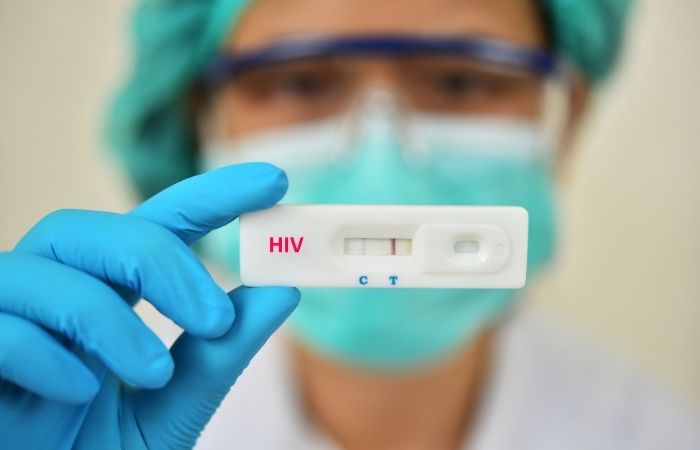
What To Do If You Think You Were Exposed
If you believe you may have been exposed to HIV, the most important step is not panic, it’s timing. Testing too early can produce a false negative because the virus hasn’t reached detectable levels yet.
Most experts recommend waiting at least a few weeks after exposure before relying on a rapid test result. Some tests detect infection sooner than others, which is why understanding the window period matters.
In practical terms, the steps usually look like this:
- Step 1: Consider whether the encounter involved real transmission risk.
- Step 2: Monitor your health during the following weeks.
- Step 3: Take an HIV test once the recommended window period has passed.
- Step 4: If a doctor tells you to, test again later.
A discreet combo STD test kit can check for multiple infections at once, which is great for people who want quick answers from home. This is especially helpful because some other sexually transmitted infections can make you feel like you have HIV.
Either way, testing replaces speculation with facts, and that’s the most important step forward.
What Early HIV Does Not Usually Feel Like
When people search for early HIV symptoms online, they often imagine something dramatic, severe illness, unmistakable warning signs, or symptoms that feel obviously different from everyday sickness. But that’s rarely how early HIV works.
Most of the time, the early phase of infection feels surprisingly ordinary. The fever might be mild. The sore throat might feel like a common cold. Even the fatigue can resemble the exhaustion that follows a stressful week or poor sleep.
This normality is exactly why acute HIV infection often goes unnoticed. The body reacts to HIV the same way it reacts to many viruses: by activating the immune system. That immune response produces symptoms that overlap with dozens of common illnesses.
Here are a few things that early HIV symptoms typically do not look like:
| Myth | Reality |
|---|---|
| You would immediately know something is wrong | Many people experience mild symptoms or none at all |
| HIV causes severe illness right away | Early symptoms are often mild and short-lived |
| Symptoms appear within days | They usually appear about 2–4 weeks after exposure |
| You can diagnose HIV based on symptoms | Only testing can confirm infection |
Understanding these misconceptions can help reduce unnecessary panic. Symptoms can raise awareness, but they are never a reliable diagnosis.
The Quiet Stage That Often Follows
After the early immune response fades, HIV usually enters a quieter phase. Doctors call this stage clinical latency. During this period, a person may feel completely healthy even though the virus is still active inside the body.
This stage can last for years without treatment. The virus slowly affects the immune system while producing few noticeable symptoms. Many people discover their status during routine testing rather than because they feel sick.
This is why public health experts emphasize regular testing as part of normal sexual health. If you know your status early, treatment can start right away, which greatly improves long-term health outcomes.
Modern HIV treatment is extremely effective. With consistent care, people living with HIV can maintain a normal life expectancy and reach an undetectable viral load that prevents transmission.
Before You Spiral: The Most Practical Next Step
If you’re reading this because you’re worried about symptoms after a sexual encounter, take a breath. Anxiety in this situation is incredibly common, and it doesn’t mean something is wrong.
The healthiest response is simple: test at the right time. HIV testing removes the guesswork that symptoms can never answer.
Some people feel more comfortable visiting a clinic, while others prefer the privacy of testing at home. Either approach can provide accurate results when used within the correct window period.
If convenience and discretion matter to you, the easiest option may be using a reliable at-home combo STD test kit. It allows you to check for multiple infections without appointments, waiting rooms, or awkward conversations.
The most important thing to remember is this: uncertainty is far scarier than knowledge. A test result, whatever it may be, gives you the information needed to move forward with clarity.
FAQs
- 1. Could early HIV really feel like a normal flu?
- Yes, and that’s exactly why people miss it. Early HIV symptoms often feel like the kind of bug you’d normally sleep off for a few days: fever, sore throat, body aches, maybe some fatigue that makes you cancel plans and crawl back into bed. The body is reacting to a virus, and your immune system doesn’t have a special “HIV alarm bell.” If you had flu-like symptoms a few weeks after a risky encounter, it’s worth testing, not because symptoms prove anything, but because timing matters.
- 2. What does early HIV fatigue actually feel like?
- People often describe it as a kind of heavy exhaustion that feels different from normal tiredness. Think less “I stayed up too late” and more “my whole body feels drained for no clear reason.” Some people say they feel foggy or sluggish for several days. That said, fatigue alone is incredibly common and can come from stress, sleep loss, or dozens of minor infections.
- 3. Do early HIV symptoms show up exactly two weeks after exposure?
- Not like clockwork. For many people, symptoms appear somewhere between two and four weeks after exposure, but bodies don’t follow calendars. Some people feel sick closer to the two-week mark, others later, and many never notice symptoms at all. That’s why testing schedules are based on window periods rather than symptoms.
- 4. If I had a fever after sex, should I panic?
- No, panic rarely helps. Fever happens for hundreds of reasons, most of them harmless viral infections. What matters more is context: if the fever appeared a few weeks after a possible HIV exposure, it’s reasonable to test. Think of the fever as a signal to check in with your health, not as a diagnosis.
- 5. Is the rash from early HIV obvious?
- Not usually. When it appears, the rash tends to look like small reddish spots or patches on the chest, back, or arms. It often doesn’t itch and can be subtle enough that people overlook it entirely. Many other viruses cause similar rashes, so doctors never rely on that symptom alone to diagnose HIV.
- 6. What if I felt sick for a few days and then everything went back to normal?
- That actually fits the pattern many people report during acute HIV infection. The immune system reacts strongly for a short period, symptoms show up briefly, and then the body settles down again. But the same pattern also happens with dozens of everyday viruses. If you’re unsure, the only reliable way to know what happened is testing.
- 7. Can anxiety make symptoms feel worse?
- Absolutely. When someone is worried about HIV, it’s common to become hyper-aware of every sensation in the body. A minor headache suddenly feels intense. A normal lymph node feels swollen. Stress hormones can even create physical symptoms like fatigue or stomach discomfort. That’s why getting tested can be such a relief, it replaces guessing with facts.
- 8. What do people do wrong the most when they try to find out if they have HIV early?
- Assuming that the symptoms will be very clear or obvious. In reality, early HIV can be hard to notice or even completely silent. One of the main reasons that infections go undetected for years is that people wait for "obvious signs" before getting tested.9. If I feel fine now, could I still have HIV?
- 10. What’s the simplest way to stop worrying about symptoms?
- Get tested at the right time. Symptoms can spark questions, but they rarely provide answers. A test replaces that endless “what if” loop with something far more useful: clarity.
You Deserve Clarity, Not Guesswork
Flu symptoms can mean a lot of things. A rough week, a seasonal virus, bad sleep, stress piling up. And sometimes, rarely, but importantly, it can be the body reacting to early HIV infection. The tricky part is that your immune system doesn’t label the experience for you.
The goal isn’t to analyze every sore throat or every tired morning. The goal is to remove uncertainty. If symptoms showed up a few weeks after a sexual encounter that carries risk, testing gives you the one thing symptoms never can: a clear answer.
Don’t sit in the “what if.” If exposure is even a small possibility, start with a private screen like the Combo STD Home Test Kit. The process is discreet. The results are yours. And clarity always feels better than guessing.
How We Sourced This Article: This guide blends current clinical guidance on HIV transmission, acute HIV infection, and diagnostic window periods with peer-reviewed infectious disease research and real-world patient experiences. We reviewed medical literature on early HIV symptom presentation, immune response timelines, and testing reliability to ensure accuracy while keeping the explanations clear and accessible. Only established public health authorities and medical research publications informed the clinical distinctions presented here.
- Centers for Disease Control and Prevention – What Is HIV
- Centers for Disease Control and Prevention – HIV Testing Overview
- The World Health Organization's HIV Fact Sheet
- An Overview of HIV and AIDS in the NHS
- Mayo Clinic: What Causes HIV/AIDS and How to Tell if You Have It
- PubMed – Research on Acute HIV Infection