Gonorrhea in the Eye: Symptoms, Treatment, and Urgent Signs
Quick Answer: Gonorrhea in the eye, also called gonococcal conjunctivitis, requires fast treatment with systemic antibiotics. Symptoms include thick yellow discharge, swelling, and severe redness. “Just Pink Eye?”
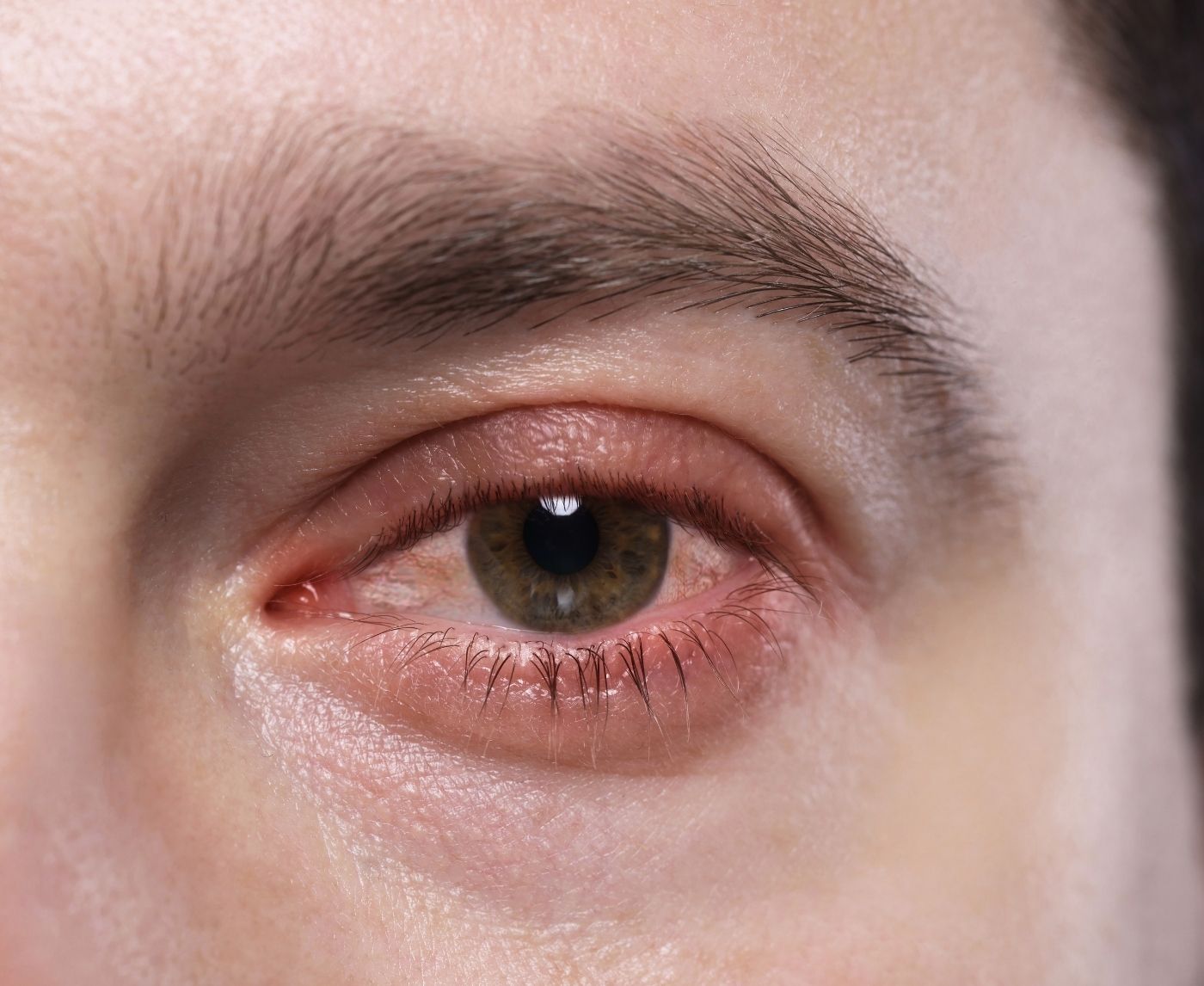
Quick Answer: Gonorrhea in the eye, also called gonococcal conjunctivitis, requires fast treatment with systemic antibiotics. Symptoms include thick yellow discharge, swelling, and severe redness. It’s a medical emergency, not just pink eye.
“Just Pink Eye?” Why Eye Gonorrhea Is Often Misdiagnosed
Most people assume a red, itchy, or leaking eye is conjunctivitis, the common “pink eye” caused by allergies or viruses. But gonococcal conjunctivitis looks different. The discharge is thicker, the swelling more intense, and the onset more rapid. In fact, the infection can destroy the cornea in under 24 hours if left untreated.
Gonorrhea spreads through direct contact with infected fluids, so oral sex, splashed semen, or even touching your eye after genital contact can transmit it. It’s more common than you’d think, especially among people who don’t realize gonorrhea can infect areas beyond the genitals. According to the CDC, extragenital gonorrhea infections are rising, particularly in the throat and eyes.
And here’s the kicker: gonorrhea in the eye is often misdiagnosed as allergic or viral conjunctivitis, especially if the clinician doesn’t know about a recent sexual encounter. That delay can lead to vision-threatening consequences.

What Gonorrhea in the Eye Actually Looks Like
Gonococcal conjunctivitis can affect one or both eyes. Symptoms usually show up fast, within 1 to 3 days of exposure, and escalate rapidly. It’s not subtle. Here’s how it typically presents:
| Symptom | Description |
|---|---|
| Thick yellow-green discharge | Often so severe it crusts the eyelids shut or leaks continuously |
| Rapid eyelid swelling | Can cause the eye to swell shut within hours |
| Intense redness | More diffuse and angry-looking than allergic pink eye |
| Eye pain or burning | Especially with movement or light sensitivity |
| Blurry vision | Caused by discharge, corneal involvement, or swelling |
| Fever or systemic symptoms | In rare cases, the bacteria can enter the bloodstream |
Figure 1. Common symptoms of gonococcal conjunctivitis and how they differ from viral or allergic pink eye.
How It Spreads: More Than Just “Getting It in Your Eye”
It’s easy to assume you need direct contact with semen or vaginal fluids to get eye gonorrhea. But in reality, touching your genitals or your partner’s and then rubbing your eye can be enough. This is known as autoinoculation, self-spread from one infected body site to another. It’s one reason why hand hygiene after sex matters more than most people realize.
Eye infections also occur in newborns during delivery. This condition, called ophthalmia neonatorum, can be prevented with antibiotic drops at birth, but it underscores how easily the bacteria spreads through mucosal surfaces.
Here are a few real-life transmission scenarios:
| Scenario | Possible Exposure Path |
|---|---|
| Receiving oral sex, then rubbing eyes | Fingers transmit bacteria from genitals to eyes |
| Splash of ejaculate during sexual activity | Direct mucosal contact with infected fluid |
| Shared towel or pillowcase after sex | Rare but possible if used immediately after contact |
| Neonatal exposure during vaginal birth | Infant’s eyes exposed to infected birth canal fluids |
Figure 2. Transmission routes of gonorrhea to the eyes, some direct, others overlooked.
If you’ve had any kind of recent sexual contact, especially oral-genital, and develop severe eye symptoms, don’t downplay it. This isn’t about promiscuity or blame. It’s about protecting your sight.
How Gonorrhea in the Eye Is Treated
Treating gonococcal conjunctivitis is not as simple as using eye drops. This isn’t a typical bacterial pink eye, it’s a full-body infection that happens to show up in the eye. That means treatment must be systemic. According to the CDC’s 2021 guidelines, the standard treatment includes a high-dose intramuscular injection of ceftriaxone.
Most cases require:
- Ceftriaxone injection (500–1000 mg IM) , Single dose, possibly repeated if severe
- Saline irrigation of the eye , Removes discharge and reduces bacterial load
- Hospitalization , For vision monitoring and IV antibiotics in severe or neonatal cases
Topical antibiotics like erythromycin eye ointment may be added, but they are never enough on their own. This is not a DIY treatment scenario. Without systemic antibiotics, gonorrhea in the eye can lead to corneal ulceration and permanent vision loss in as little as 24 to 48 hours.
Is Home Treatment Ever Safe?
The short answer? No. Gonorrhea in the eye is a medical emergency. Attempting to treat it at home with leftover eye drops or over-the-counter meds can delay care and lead to severe outcomes.
However, there are still ways to start the right path from home:
- Telehealth appointments , Many providers can prescribe systemic antibiotics after a remote evaluation
- Rapid STD testing , If your eye symptoms started after a known exposure, confirm a gonorrhea infection through a gonorrhea test kit
- Urgent care guidance , If you live far from an ER, a same-day clinic can triage and direct you appropriately
Here’s where at-home testing fits in: it helps you rule in (or out) gonorrhea elsewhere in your body. Since eye gonorrhea often comes from an active genital or throat infection, testing positive elsewhere can confirm the source, helping your provider move faster.
Marcus, 32, was vacationing in Cabo with his boyfriend. They had oral sex one night and swam in a hotel pool the next morning. Two days later, Marcus woke up with crusted eyelids and a dull ache behind one eye. Assuming it was chlorine irritation, he used artificial tears for a day. But things worsened fast, by the next morning, he couldn’t open his eye at all.
At a walk-in clinic, the doctor noticed the thick, purulent discharge and immediately asked about sexual history. A rapid gonorrhea urine test came back positive. Marcus was sent to the ER, where he received IV antibiotics and an ophthalmology consult.
“I was embarrassed. I told them I hadn’t had sex in Mexico. I didn’t even know you could get an STD in your eye.”
He recovered fully, but only because treatment began in time. Had he waited another day, he could have suffered corneal damage. His story is a reminder: timing is everything with eye infections. Pride or panic should never delay treatment.
Urgent Signs You Can’t Ignore
Redness alone might not mean it’s gonorrhea. But the following symptoms are red flags for gonococcal conjunctivitis and should prompt emergency care:
- Thick yellow or green discharge that crusts or runs continuously
- Eyelid swelling that worsens quickly or seals the eye shut
- Blurred vision or pain when looking at light
- Fever or symptoms that affect both eyes simultaneously
If you experience these and have had recent sexual contact (even if protected), especially oral-genital, bring it up with your provider. Many patients delay care because they’re afraid of being judged. But the faster you act, the less damage is done, and no one should lose vision because of stigma.
Peace of mind is one test away. If you’ve had a high-risk encounter and want to rule out genital or throat gonorrhea, try a discreet combo STD test kit at home. It won’t treat eye gonorrhea, but it can confirm infection elsewhere, giving your doctor a clearer picture.
What Happens After Treatment: Will It Come Back?
Gonorrhea in the eye typically clears with correct antibiotic treatment, but some cases need follow-up testing, especially if symptoms return. The good news is that gonorrhea doesn’t stay in the eyes after successful treatment. It doesn’t “hide” or go dormant like herpes or HPV.
However, reinfection is very possible. Gonorrhea doesn’t give you immunity. You can catch it again from a partner who wasn’t treated or through a new exposure. The CDC recommends re-testing three months after any gonorrhea infection, even if symptoms are gone.
In eye-specific cases, follow-up may include:
- Ophthalmologist exam to check for corneal damage
- Repeat STD panel (urine, throat, rectal if applicable)
- Visual acuity test if vision was affected during infection
Remember: gonorrhea in the eye isn’t a different disease, it’s just a rare location for a common infection. That means all the same prevention tools apply: condoms, regular testing, and partner treatment matter just as much.
What About Your Partner?
If you’ve been diagnosed with gonococcal conjunctivitis, your sexual partner(s) need to be informed, even if they don’t have symptoms. Gonorrhea often hides in the throat or rectum without signs and can be passed back and forth silently.
You can tell them directly or use anonymous notification tools like TellYourPartner.org or a local public health service. If you’re not comfortable having the conversation, many clinics and telehealth services can contact your partner confidentially.
“I had no idea I had it,” said one partner in a published case series. “I got tested because she said it might’ve come from me, and she was right.”
Partner treatment isn’t optional, it’s the key to stopping the cycle. In the U.S., many states allow expedited partner therapy (EPT), where your doctor can prescribe treatment for your partner without a full visit.
Privacy and Discretion: What to Expect
If the idea of walking into a clinic or ER to say “I think I have gonorrhea in my eye” makes your stomach drop, you’re not alone. It’s awkward. But your vision is worth more than embarrassment. That said, you do have discreet options:
- STD rapid test kits , Test for genital, throat, or rectal gonorrhea at home
- Telehealth appointments , Many services can evaluate eye symptoms by photo or video
- Discreet delivery , At-home kits like ship in unmarked packaging
Results from at-home kits are private and not automatically reported. You choose if and when to share them. Still, if you test positive and symptoms affect your eyes, don’t delay. Bring results to a clinic or ER so they can move quickly.
Gonorrhea doesn’t care if you’re shy. But neither do trained providers. This is their job, and they’ve seen worse. Your vision is more important than a five-minute awkward conversation.
FAQs
- 1. Wait, gonorrhea in the eye is a thing?
- Yup, and it's more common than you think. The same bacteria that causes genital gonorrhea can infect your eye if it gets in there, usually via fingers, fluids, or an unexpected splash during oral or partner play. It’s not just an internet myth.
- 2. How would I know if my red eye is from gonorrhea and not, like, allergies or a dirty contact?
- Great question, and a common one. If your eye is leaking thick yellow-green pus (not just watery or itchy), and it swells up fast or feels painful, especially after recent sexual contact, it’s time to consider something more serious than allergies. Bonus clue: if it hurts to look at light or your vision gets blurry, don’t mess around. Get seen, literally and medically.
- 3. Can I catch gonorrhea in my eye just from touching my junk and rubbing my face?
- Yes, that's exactly how some people get it. It’s called autoinoculation, moving the infection from one part of your body (or your partner’s) to another with your hands. Wash those hands after sex, even if things felt chill. Your eye doesn’t need to be part of the experiment.
- 4. Is this something I can treat with over-the-counter eye drops?
- We wish. Unfortunately, no. This isn’t a “grab some Visine and hope for the best” situation. You need systemic antibiotics, usually a shot of ceftriaxone, and fast. Topical drops alone won’t cut it, and waiting can cause lasting damage. Think ER or urgent care, not CVS.
- 5. How soon do the symptoms show up after exposure?
- Usually within 24 to 72 hours. That fast. You might wake up thinking your eye is just dry or irritated, and by lunch, it’s swollen shut and oozing. If you’ve had any recent oral-genital contact and this timeline matches, get checked ASAP.
- 6. Can I lose my vision from this?
- It’s rare, but yes, if untreated. The infection can damage the cornea, and in severe cases, even cause perforation. The key word here is untreated. If you get proper antibiotics quickly, most people heal fully without any lasting eye issues.
- 7. What if I don’t have symptoms anywhere else? Could it still be gonorrhea?
- Totally. You might have no symptoms genitally, rectally, or in your throat, and still have it in your eye. That’s why full-panel testing matters. Gonorrhea can lurk in asymptomatic areas, and the eye is sometimes the only place it makes a scene.
- 8. Should my partner get tested if I test positive?
- Yes, 100%. Gonorrhea doesn’t show up in just one partner magically. Even if they feel fine, they could be carrying it, and pass it right back to you. Use a tool like TellYourPartner.org if a face-to-face convo feels too intense.
- 9. Is this just a “guy” problem?
- Not at all. Gonorrhea doesn’t care about gender. Women, nonbinary folks, anyone doing oral or genital contact can get this. And because some providers don’t ask about sexual exposure, cases in women and queer folks are often misdiagnosed as regular pink eye. Speak up. You deserve better care.
- 10. If I treat it, am I immune after?
- Nope, there’s no long-term immunity. Gonorrhea can come back the next week if your partner wasn’t treated or if there’s a new exposure. That’s why re-testing after three months is recommended, even if everything feels fine.
You Deserve Answers, Not Assumptions
It’s easy to write off red eyes as irritation or allergies. But if you’ve had any recent sexual exposure, especially oral, and you’re now dealing with swelling, pain, or leaking pus, you need to know the truth: this could be gonorrhea in the eye. It’s rare, but it’s real. And it can be treated if you act fast.
Don’t wait and wonder, get the clarity you deserve. This at-home combination test will assess you for prevalent forms of the disease. After results are in, you can schedule a consultation if you are unsure of what you'll do with information you now have.