He Didn’t Know HPV Could Affect Him, Until the Diagnosis
Quick Answer: HPV affects men just as much as women, but most men show no symptoms. Safe sex, vaccination, and routine awareness are your best tools in 2025.

Quick Answer: HPV affects men just as much as women, but most men show no symptoms. While there’s no approved test for HPV in men unless symptoms appear, the virus can lead to genital warts, anal cancer, and throat cancers. Safe sex, vaccination, and routine awareness are your best tools in 2025.
This Isn’t Just a Women’s Virus, And Never Was
Let’s get one thing straight from the start: HPV (short for human papillomavirus) is the most common sexually transmitted infection in the world. According to the CDC, over 42 million Americans have HPV at any given time. While most sexually active women will get it at some point, so will most sexually active men. Yet for decades, the cultural narrative focused almost exclusively on women, primarily because HPV can lead to cervical cancer, and screening tools like the Pap smear and HPV test exist only for people with a cervix.
That doesn’t mean men are safe, it means they’ve been largely left out of the conversation. HPV in men can cause genital warts, penile cancer, anal cancer, and an alarming rise in oropharyngeal cancers (that’s throat, tongue, and tonsil). In fact, according to the American Cancer Society, HPV-related throat cancers are now more common in men than cervical cancer is in women.
Kevin’s story isn’t unusual. Men don’t get routine HPV screening. Many don’t even know HPV causes cancer. And the vaccine? It was only in recent years that the push for male vaccination caught up, and even now, it's far from universal.
Why You Might Not Know You Have HPV
Here’s the kicker: Most people with HPV never know they have it. The virus often lives silently in the body, never causing symptoms. For men especially, there’s no standard test unless visible genital warts appear, or unless cancer symptoms develop much later. This invisibility can create a false sense of safety, especially if you don’t “feel” infected.
Let’s walk through a common scene. You hook up with someone new. You use a condom, but maybe not for oral. Everything seems fine. Weeks go by. No pain, no bumps. Life moves on. But HPV doesn’t need a dramatic symptom to make its mark. It spreads through skin-to-skin contact, including oral, anal, and vaginal sex, even mutual masturbation if there’s genital contact. And condoms don’t cover everything.
In some cases, genital warts might show up as small, flesh-colored growths around the penis, scrotum, anus, or mouth. They might be itchy, but often they’re painless. In other men, especially those who have receptive anal sex, HPV can lead to cell changes deep inside the rectum that aren’t visible at all. Oral sex can allow HPV to settle in the throat and lie dormant for years before triggering cancerous changes.
Table 1: HPV Symptoms in Men by Area of the Body
| Body Area | Possible HPV Symptoms | Often Misinterpreted As |
|---|---|---|
| Genital (penis, scrotum, groin) | Flesh-colored warts, flat lesions, raised bumps | Shaving irritation, skin tags, herpes |
| Anal region | Internal or external warts, itching, bleeding | Hemorrhoids, fissures, hygiene-related rash |
| Mouth and throat | Persistent sore throat, hoarseness, swollen lymph nodes | Allergies, post-nasal drip, tonsillitis |
Table 1. Many HPV symptoms in men are mild or mistaken for other common conditions. This makes regular sexual health awareness, not just symptom tracking, critical.
Why the HPV Vaccine Still Matters, Even for Adults
By now, you’ve probably heard of the HPV vaccine. It was originally marketed to young girls and later expanded to boys, but too many people missed the window. What most don’t realize is that in 2025, the HPV vaccine is approved for use in adults up to age 45. It doesn’t treat existing infections, but it can protect against future ones, especially the high-risk strains linked to cancer.
Here’s what this looked like for Leo, a 37-year-old bisexual man who had never been offered the vaccine. After his partner was diagnosed with high-risk HPV, Leo went looking for answers. “It felt like a system failure,” he said. “I’d been sexually active for years and had no clue HPV could affect me too. No doctor ever brought it up.” He got vaccinated. It wasn’t too late.
Getting the HPV vaccine now is like setting up a fireproof barrier. It won’t reverse past exposure, but it could prevent your next encounter from turning into a long-term problem. It’s especially important for men who have sex with men (MSM), who are at higher risk for anal and throat cancers due to certain types of exposure.
If you’re unsure whether it’s worth it, talk to a provider or start with a discreet STD test to understand your current status. Then protect your future.
Why Testing for HPV in Men Is So Complicated
One of the most frustrating things about HPV for men? You usually can’t test for it, unless there’s already a visible problem. Unlike cervical screening, there’s no FDA-approved swab or urine test for asymptomatic HPV in men. That doesn’t mean you’re powerless. It just means you have to think differently about how testing, prevention, and timing work together.
Let’s say you recently had a partner tell you they tested positive for HPV. Maybe you’re panicking. Maybe you’re Googling late at night wondering if you should get tested, treated, or both. Here’s the real talk: if you don’t have symptoms, there’s no standard test your provider can offer. That doesn’t mean you’re in the clear, it means we need to look at the bigger picture: vaccine status, safe sex, and symptom tracking.
Some specialized clinics offer anal pap smears for high-risk populations like MSM or immunocompromised individuals, especially for those living with HIV. These are not standard and often require advocacy. Oral HPV is typically detected only if cancer develops and a biopsy is performed, which makes proactive awareness even more important.
HPV Transmission Isn’t About “Dirty” Sex, It’s About Contact
HPV doesn’t care if the sex was romantic, casual, kinky, or monogamous. It spreads through skin-to-skin contact, no ejaculation, no penetration required. You can get HPV from oral sex, from shared toys without protection, from grinding with genitals exposed, and yes, even from partners who say they’re “clean” because they’ve been tested, since most STI panels don’t include HPV for men.
One study published in the journal Sexually Transmitted Diseases found that up to 70% of men will contract HPV in their lifetime. Many of them will clear it naturally within two years. But here’s the catch: during that time, they can pass it to partners unknowingly. That makes testing for other STDs and being open about recent partners more than just a health decision, it’s a trust decision too.
We need to stop treating HPV like it’s only a problem if it becomes cancer or warts. It's a problem because we don't talk about it. The silence is what spreads it.
Table 2: What to Do If You Think You’ve Been Exposed to HPV
| Time Since Exposure | What You Can Do | Why It Matters |
|---|---|---|
| Within 0–7 days | Track symptoms, avoid new partners, consider other STD testing | Early signs may not appear; HPV tests aren't available for men but ruling out co-infections is wise |
| 1–6 weeks | Check for visible warts, ask partner about HPV strain, discuss vaccination if not already done | Some strains cause visible signs; high-risk types are invisible but still transmissible |
| 6+ weeks | Continue routine testing for other STDs, request anal pap if MSM or high-risk | HPV can stay silent for months, ongoing vigilance is key |
Table 2. Even though standard HPV tests for men aren’t available, timeline-based strategies can still reduce spread and increase awareness.
The Mental Load: When Shame Delays Action
Part of the reason HPV in men goes so underdiagnosed is because it carries a weird cocktail of shame and confusion. "If I don't have symptoms, am I fine?" "If I give someone HPV, does that mean I cheated?" "If my girlfriend has HPV, does that mean she got it from someone else?" These are the questions that don’t always show up on clinic forms, but they show up in bedrooms, breakups, and late-night panic attacks.
HPV isn’t proof of cheating. It isn’t proof of bad hygiene. It isn’t proof of being “risky.” It’s proof that you’re a human being who’s had sex, like most adults. Some men carry the virus for years before symptoms, or never get symptoms at all. You could be someone’s first partner and still have HPV. That’s how common and sneaky this virus is.
Kevin, the man from earlier, remembers googling his diagnosis in the parking lot. “All the websites talked about women. I thought I was the only guy going through this.” You’re not. And we need to rewrite that narrative. Right here. Right now.
Can You Prevent HPV? Here's What Actually Helps
You can’t undo past exposure. But you can make choices that reduce risk, for yourself and for others. Using condoms or dental dams helps, though not completely. The best defense remains the HPV vaccine, which protects against the most dangerous strains (like 16 and 18, linked to cancer) and the ones that cause warts (like 6 and 11).
If you're under 45 and unvaccinated, it’s not too late to start. Even if you’ve already had HPV, the vaccine can prevent reinfection with other strains. If you're sexually active with multiple partners, especially in queer or MSM communities, ask your provider about an anal pap or visual wart inspection. And keep testing for other STDs regularly, even if HPV itself isn’t on the panel.
Most importantly, talk about it. With partners. With friends. With providers. Because silence is where the virus hides, and spreads.
How At-Home STD Testing Fits Into HPV Awareness
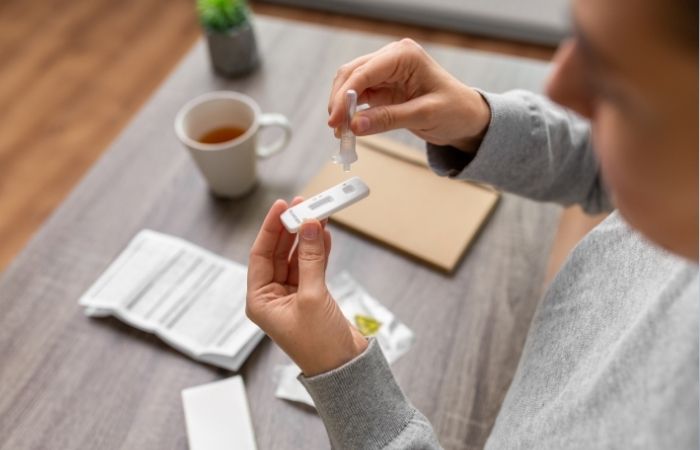
While you can’t self-test for HPV if you’re a man without symptoms, that doesn’t mean at-home testing isn’t useful. In fact, it’s one of the smartest first steps. Here’s why: HPV often rides alongside other infections. If you’ve recently had unprotected sex, a new partner, or are experiencing any unusual symptoms (burning, discharge, itching, bumps), an at-home combo STD test kit can check for chlamydia, gonorrhea, syphilis, and more. Knowing your overall status gives you a clearer path forward.
For example, many people confuse herpes with HPV. Others assume a wart must be a skin tag. Testing helps cut through the noise. And in 2025, you don’t need to schedule a clinic appointment to get those answers. With discreet shipping, secure packaging, and fast results, at-home kits are part of the new sexual health playbook, especially for men who’ve been left out of the old one.
If your head keeps spinning, peace of mind is one test away. No clinic waiting rooms. No awkward conversations. Just clarity, at home.
What Happens If HPV Turns Into Cancer
Most HPV infections clear on their own. That’s the part doctors say quickly, often in the same breath as “don’t worry.” But here’s the part that lands harder when you’re the one lying awake at night: some infections don’t clear, and those are the ones that can change cells slowly, quietly, over years. In men, that risk shows up most often as cancers of the throat, anus, and penis.
Oropharyngeal cancer linked to HPV has risen dramatically over the past two decades, especially among men in their 30s, 40s, and 50s. Many never smoked. Many felt healthy. The first signs were subtle, difficulty swallowing, ear pain on one side, a lump in the neck that didn’t go away. By the time symptoms appeared, the virus had been there for years. That delay isn’t about neglect. It’s about biology and blind spots in screening.
This is why awareness matters more than panic. Knowing that persistent symptoms deserve follow-up. Knowing that vaccination reduces future risk. Knowing that HPV-related cancers in men are real, increasing, and still highly treatable when caught early. The goal isn’t fear. It’s earlier action.
Table 3: HPV-Related Cancers in Men and Early Clues
| Cancer Type | Common Area | Early Signs Men Often Miss |
|---|---|---|
| Oropharyngeal cancer | Throat, tonsils, base of tongue | Persistent sore throat, hoarseness, neck lump |
| Anal cancer | Anal canal | Bleeding, itching, pain often blamed on hemorrhoids |
| Penile cancer | Glans or foreskin | Skin changes, sores, discoloration mistaken for irritation |
Table 3. HPV-related cancers in men often start with symptoms that feel minor or unrelated. The red flag is not how bad it is, but how long it lasts.
Talking to Partners Without Blame or Panic
This is the part no one scripts for you. You find out a partner has HPV. Or you’re diagnosed with warts. Or you read an article like this and realize you might be carrying something you can’t test for. The instinct is either to shut down or to over-explain. Neither helps.
A calm, honest conversation sounds less dramatic than people expect. HPV is common. It doesn’t point to cheating. It doesn’t come with a timestamp. Framing it that way can take the heat out of the moment. Many couples find that learning together, about vaccination, about risk reduction, about what symptoms to watch for, turns a tense disclosure into a shared plan.
If you’re dating, disclosure decisions depend on context. There’s no legal requirement to disclose HPV in most places, especially without symptoms, but many people choose transparency anyway. Not because they’re guilty, but because trust matters. You’re allowed to protect your privacy and still care about someone else’s health.
Why Men Are Finally Being Pulled Into the HPV Conversation
In 2025, the shift is happening slowly, but it’s real. Public health messaging now acknowledges that HPV-related cancers in men are climbing. Pediatric guidelines recommend vaccination for all genders. Adult catch-up vaccination is more widely discussed. Even so, many men still report that no clinician has ever talked to them about HPV unless something went wrong.
This gap isn’t accidental. It’s the result of decades of framing sexual health as something women manage. Pap smears. Birth control. STI prevention conversations that center pregnancy risk. Men were treated as secondary participants rather than equal stakeholders. HPV exposes how flawed that model is.
Taking HPV seriously as a man isn’t about self-blame. It’s about reclaiming agency. You deserve information that applies to your body, your risks, and your relationships, not just a footnote in someone else’s appointment.
FAQs
- 1. Can men actually get tested for HPV?
- This is where most guys hit a wall. If you don’t have visible symptoms like warts, there’s no routine HPV test for men. No swab. No blood test. No quick urine sample. It’s frustrating, and it’s not your fault. Testing usually only happens if something shows up or if a doctor is investigating cancer-related symptoms. That’s why prevention and awareness matter so much here.
- 2. If I don’t have symptoms, does that mean I don’t have HPV?
- Not necessarily. In fact, most men with HPV feel completely normal. No pain. No bumps. No warning signs. The virus can sit quietly in the body for months or even years. Feeling fine doesn’t equal being HPV-free, it just means the virus isn’t causing obvious trouble right now.
- 3. How long does HPV stick around in men?
- For many guys, the immune system clears HPV on its own within one to two years. Sometimes faster. Sometimes slower. There’s no countdown timer you can feel ticking. That uncertainty can mess with your head, but it also means a diagnosis isn’t a life sentence. It’s usually a chapter, not the whole book.
- 4. Can I give someone HPV even if I never knew I had it?
- Yes, and this is one of the hardest truths to sit with. HPV is most often spread by people who have no symptoms at all. That doesn’t make you reckless or dishonest. It makes you human. This is exactly why HPV is so common and why shame doesn’t belong anywhere near this conversation.
- 5. Is the HPV vaccine still worth it if I’m already sexually active?
- Short answer: yes, it can be. The vaccine doesn’t erase past exposure, but it can protect you from strains you haven’t encountered yet, including the high-risk ones linked to cancer. A lot of men assume they “missed their chance.” In 2025, that’s often not true.
- 6. Do condoms fully protect against HPV?
- They help, and they’re still a good idea, but they’re not a force field. HPV spreads through skin-to-skin contact, and condoms don’t cover everything. Think of them as reducing risk, not eliminating it. Pairing condoms with vaccination is where protection really levels up.
- 7. If my partner has HPV, does that mean someone cheated?
- Almost never. HPV doesn’t come with a timestamp. Someone could have picked it up years ago, long before your relationship started. This is one of the biggest relationship landmines HPV creates, and it’s fueled by misunderstanding, not reality.
- 8. Can straight men get HPV-related cancer?
- Yes, and this is a huge misconception. Straight men are now the group most affected by HPV-related throat cancers. Oral sex is the main route of transmission. If you’ve ever had oral sex, this applies to you, no labels required.
- 9. What should I actually do if I’m worried right now?
- Take a breath first. Then focus on what you can control. Watch for persistent symptoms. Get vaccinated if you’re eligible. Test for other STDs so you’re not missing something treatable. And if something feels off and doesn’t go away, push for follow-up. You’re not being dramatic, you’re being responsible.
- 10. Is HPV something I should be ashamed of?
- No. Full stop. HPV is incredibly common, usually temporary, and often invisible. Shame only delays conversations, testing, and care. Awareness moves things forward. Silence doesn’t.
You’re Not Late, You’re Just Finally Included
If this article stirred anxiety, that’s understandable. But it should also offer relief. Knowing that HPV affects men doesn’t mean something bad will happen to you. It means you’re no longer invisible in the conversation. You can get vaccinated. You can monitor symptoms. You can test for other STDs. You can talk to partners without shame.
If you want clarity now, a discreet option like the at-home combo STD test kit can help rule out other infections and give you a clearer baseline. Knowledge doesn’t make sex scarier. It makes it safer, calmer, and more honest.
This article is based on current public health advice, peer-reviewed research, and clinical observations of how HPV affects men of various ages and sexual orientations.
- Mayo Clinic – HPV Infection
- About Genital HPV Infection | CDC
- Cancers Associated with Human Papillomavirus | CDC
- HPV and Oropharyngeal Cancer | CDC
- Genital Warts - Symptoms and Causes | Mayo Clinic
- HPV Vaccine: Who Needs It and How It Works | Mayo Clinic
- Human Papilloma Virus (HPV) and Oropharyngeal Cancer | PubMed Central