Hemorrhoids vs Herpes: How to Tell the Difference
Quick Answer: Hemorrhoids are swollen veins in or around the anus that cause pressure, itching, or bleeding, while herpes causes clusters of painful blisters or sores from a viral infection. Hemorrhoids don’t.

Quick Answer: Hemorrhoids are swollen veins in or around the anus that cause pressure, itching, or bleeding, while herpes causes clusters of painful blisters or sores from a viral infection. If you see fluid-filled blisters, ulcer-like sores, or flu-like symptoms, herpes is more likely. If the lump feels firm, vein-like, and bleeds with bowel movements, it’s usually hemorrhoids.
Why These Two Conditions Get Confused So Often
The anus is not an area most people examine regularly. So when something changes, even slightly, the brain fills in worst-case scenarios. A painful bump near the anus can feel like a diagnosis before you’ve even taken a breath. The fear escalates because herpes carries stigma. Hemorrhoids don’t.
But medically, the overlap makes sense. According to guidance from the Centers for Disease Control and Prevention (CDC), herpes can present with pain, itching, and sores around the genital or anal area. Meanwhile, the Mayo Clinic describes external hemorrhoids as swollen veins that cause itching, discomfort, swelling, and sometimes bleeding. If you’re just going by sensation, they can blur together.
Aisha, 29, described it like this: “I felt a small bump after a long road trip. I’d been constipated. But I also had a new partner. I spent three days convinced I had an STD before I realized it was just hemorrhoids.”
Then there’s Daniel, 34. “Mine started with burning and then tiny sores. I kept telling myself it was irritation. By the time I tested, it was clearly herpes. I wish I’d paid attention to the blisters.”
The difference often comes down to what you see, what you feel, and what happened in the weeks before the symptoms appeared.
What Hemorrhoids Actually Feel Like
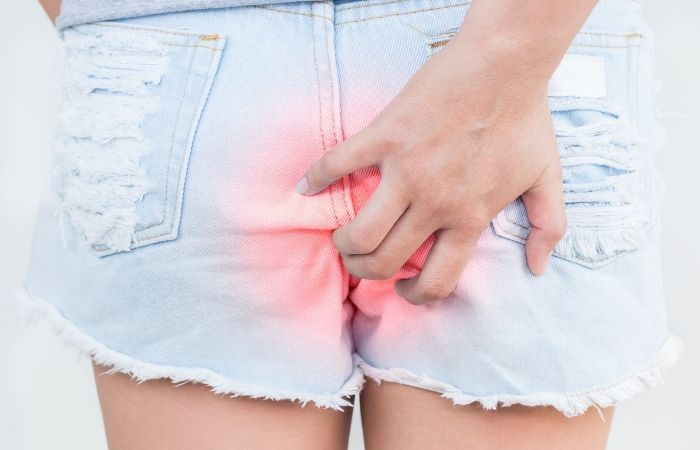
Hemorrhoids are swollen blood vessels. That’s it. No virus. No infection spreading through your body. Just veins under pressure. They’re often triggered by constipation, straining, heavy lifting, pregnancy, prolonged sitting, or diarrhea. The sensation is usually dull, throbbing, or pressure-like rather than sharp and electric.
External hemorrhoids tend to feel like a firm or rubbery lump near the anal opening. They can itch intensely. They may ache when you sit down. And if irritated, they may bleed bright red blood during a bowel movement. What they don’t typically do is form clusters of fluid-filled blisters.
Importantly, hemorrhoids do not cause flu-like symptoms. They do not cause swollen lymph nodes in the groin. They do not spread to partners. And they do not appear in crops or stages the way herpes lesions can.
What Anal Herpes Usually Looks and Feels Like
Herpes in the anal area is caused by the herpes simplex virus, either HSV-1 or HSV-2. It spreads through skin-to-skin contact, including anal sex, oral-anal contact, or genital contact. Many people search “can herpes look like hemorrhoids” because the first symptom can be a tender bump. But the evolution is different.
Herpes lesions often begin as small, painful blisters. These blisters can break open and form shallow ulcers. The area may burn, tingle, or feel raw before anything visible appears. This prodrome phase, a warning sensation, is something hemorrhoids don’t cause.
The first outbreak is usually the most intense. According to the World Health Organization, initial herpes infections can include fever, body aches, and swollen lymph nodes. That systemic component is a major differentiator.
Leandro, 26, said: “I knew something was off because I felt sick, like I had the flu, but also had pain when I sat down. When I finally looked, there were tiny open sores. That’s when I knew it wasn’t hemorrhoids.”
Side-by-Side Comparison: Hemorrhoids vs Herpes
| Feature | Hemorrhoids | Herpes |
|---|---|---|
| Cause | Swollen veins from pressure/strain | Herpes simplex virus (HSV-1 or HSV-2) |
| Appearance | Firm lump or swollen vein | Clusters of blisters or shallow sores |
| Pain Type | Dull ache or pressure | Sharp, burning, stinging pain |
| Itching | Common | Common, often with tingling first |
| Bleeding | Bright red blood possible | Uncommon unless sores rupture |
| Flu-like symptoms | No | Possible during first outbreak |
| Contagious | No | Yes (skin-to-skin contact) |
Figure 1. Core differences between hemorrhoids and anal herpes based on CDC and WHO guidance.
If you’re reading this because you typed “hemorrhoids or std” into a search bar, pause for a second. Panic is not a diagnostic tool. Patterns are. Timing is. Evolution of symptoms is.
Timing Tells the Story: When Symptoms Start Matters
If you’re trying to figure out whether it’s hemorrhoids or herpes, the calendar can be more revealing than the mirror. Hemorrhoids usually show up after pressure. Constipation. A long flight. Heavy lifting. Pregnancy. Hours sitting at a desk or in a car. The trigger is mechanical.
Herpes follows exposure. Symptoms typically appear within 2 to 12 days after skin-to-skin contact with someone shedding the virus, according to the CDC. If you had new sexual contact recently, especially unprotected anal sex or oral-anal contact, and pain or sores developed about a week later, that timeline deserves attention.
That doesn’t mean every post-sex itch is herpes. It means timing creates context. If your symptoms began right after a painful bowel movement, hemorrhoids are far more likely. If they started days after a new partner and feel different from anything you’ve experienced before, herpes becomes part of the differential.
The Evolution Pattern: Lumps vs Blisters
One of the most overlooked clues in the hemorrhoids vs herpes confusion is how the lesion changes over time. Hemorrhoids tend to remain structurally similar. They may swell more or shrink, but they do not typically transform from clear blisters into open ulcers.
Herpes lesions evolve. They often begin as small fluid-filled blisters. These can rupture within a day or two and become shallow, painful sores. The skin may look red and inflamed around them. Healing can take 2 to 4 weeks during a first outbreak, and the area may crust slightly as it resolves.
If what you’re seeing looks like a smooth, firm bulge without surface breakdown, that leans hemorrhoid. If you’re seeing clustered blisters or open sores that sting when touched, that leans herpes. The phrase “can hemorrhoids blister” comes up often in search results. The answer is no, hemorrhoids do not create fluid-filled blisters.
Pain Quality: Pressure vs Fire
People often describe hemorrhoid pain as pressure-like. It feels heavy. Throbbing. Worse when sitting or straining. It may improve after a bowel movement or warm bath. The discomfort tends to be localized and mechanical.
Herpes pain is different. Patients frequently use words like burning, stabbing, electric, raw. There may be tingling before visible sores appear, a prodrome phase that acts like a warning signal. That burning after anal sex that persists and intensifies over days is more consistent with anal herpes symptoms than with simple hemorrhoidal swelling.
Ravi, 31, explained it this way: “I’ve had hemorrhoids before. This didn’t feel the same. It felt like the skin itself was on fire.” That distinction, familiar versus unfamiliar pain, can be a powerful diagnostic clue.
Systemic Symptoms: The Detail People Miss
Hemorrhoids stay local. They don’t make you feel sick. They don’t cause swollen lymph nodes in your groin. They don’t give you fever or body aches.
Herpes, especially during a first outbreak, can. The NHS notes that initial herpes infections may include flu-like symptoms, fatigue, and painful urination in addition to sores. If you’re experiencing rectal pain plus fever and muscle aches, that combination strongly suggests infection rather than vascular swelling.
This is one of the clearest dividing lines between hemorrhoids or herpes when symptoms overlap visually.
When It’s Not Classic: Atypical Presentations
Not all herpes presents dramatically. Some people have mild outbreaks that look like tiny cracks in the skin. Others may experience anal itching and irritation without obvious blisters. This is why “herpes without blisters” is a common search phrase. Mild cases can resemble irritation, fissures, or even inflamed hemorrhoids.
Likewise, thrombosed hemorrhoids, when a clot forms inside the vein, can become acutely painful and dark purple in color. They can feel alarming and intense. In those moments, even seasoned clinicians examine closely before making a diagnosis.
This is where testing becomes a tool for clarity rather than speculation. If you’re unsure, especially after sexual exposure, guessing prolongs anxiety. Knowing ends it.
Comparison Table: Symptom Patterns Over Time
| Timeline Factor | Hemorrhoids | Herpes |
|---|---|---|
| Trigger Event | Straining, constipation, sitting | Sexual contact with infected partner |
| Onset Speed | Often immediate after strain | 2–12 days after exposure |
| Lesion Changes | Swelling may fluctuate | Blisters → open sores → healing |
| Healing Time | Days to 1–2 weeks | 2–4 weeks for first outbreak |
| Recurrence Pattern | Triggered by pressure events | Recurrent outbreaks possible |
Figure 2. Symptom evolution patterns comparing vascular swelling and viral lesions.
When Testing Makes Sense
In cases where there are visible blisters, open sores, or severe burning pain after sexual contact, it is reasonable to consider testing for herpes. Swab tests are most effective when conducted on fresh lesions. Blood tests can also be used, but they will not necessarily reveal a new infection.
If symptoms are consistent with classic symptoms of hemorrhoids, especially with bleeding during bowel movements and no risk of exposure, home treatment and observation might be sufficient.
However, when in doubt, it is better to be certain rather than uncertain. Discreet options are also available at STD Test Kits, including herpes home tests. In times of high stress, information is a kind of relief.
Sexual Exposure Changes the Equation
This is the part people whisper about. If you’ve had recent anal sex, especially without a condom, and you now feel burning, tenderness, or notice sores, the emotional stakes spike. The question “hemorrhoids or herpes?” suddenly feels less academic and more personal.
Herpes spreads through skin-to-skin contact. That includes penetrative anal sex, oral-anal contact, genital contact, and even contact when no visible sores are present. The CDC emphasizes that herpes can transmit during asymptomatic shedding, which means a partner can pass the virus without knowing they carry it.
Hemorrhoids, on the other hand, are not sexually transmitted. Anal sex can aggravate existing hemorrhoids or contribute to irritation that causes them to flare, but it does not create a viral infection. This is where confusion often begins. The activity overlaps. The cause does not.
Anal Sex and Pain: What’s Normal vs What’s Not
Some soreness after anal sex can be normal, especially without adequate lubrication or preparation. That soreness tends to feel like surface irritation. It improves within a day or two. It does not evolve into blisters.
Herpes-related pain tends to intensify over several days. You might notice tingling first. Then small tender bumps. Then blisters that break open. Urination may sting if sores are near the opening. Sitting may feel unexpectedly sharp rather than simply uncomfortable.
Marisol, 33, described her experience this way: “At first I thought I’d just been too rough during sex. But by day three, it wasn’t just soreness. It was blistering.” That progression, from irritation to visible lesions, is the signal many people overlook.
Recurring Symptoms: A Major Clue
Hemorrhoids recur in predictable ways. They flare when pressure increases. Travel constipation. Heavy lifting. Long periods sitting. Pregnancy. The pattern is mechanical and usually linked to lifestyle triggers.
Herpes can also recur, but the pattern is viral. Outbreaks may be triggered by stress, illness, friction, or immune changes. The difference is in the lesion type. If every few months you notice small blisters in the same location that heal within a week or two, that is not typical hemorrhoid behavior.
According to the World Health Organization, herpes is lifelong once acquired, but outbreaks often become less frequent and less severe over time. Hemorrhoids, by contrast, do not follow a viral latency cycle. They respond to pressure, not immune shifts.
Bleeding: A Misleading Symptom
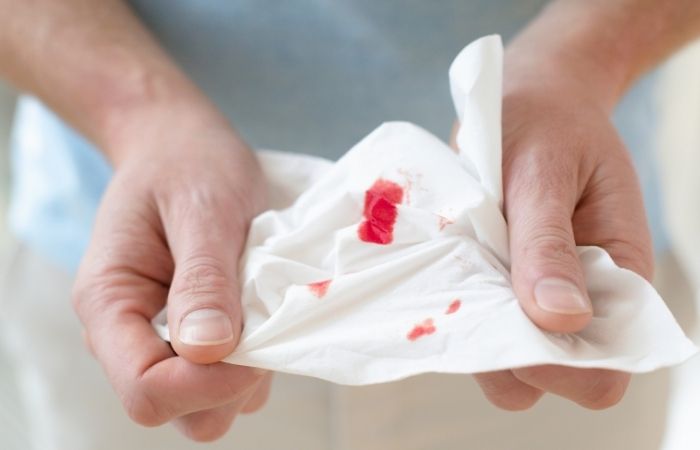
Bright red blood on toilet paper strongly suggests hemorrhoids. Swollen veins are fragile. They can tear slightly during bowel movements. The bleeding is usually painless or mildly uncomfortable.
Herpes lesions can bleed if they rupture or are irritated, but bleeding is not the hallmark feature. The hallmark feature is blistering followed by ulceration. If bleeding is your only symptom, herpes becomes less likely.
However, if bleeding is accompanied by clusters of sores or intense burning, it is worth evaluating more closely rather than assuming it is “just hemorrhoids.”
When One Test Isn’t Enough
Sometimes the fear isn’t just herpes. It’s broader. People search “painful bump near anus STD” because they’re worried about more than one infection. While herpes is the most common viral cause of anal blisters, other sexually transmitted infections like syphilis can also cause sores in the anal area.
If you’ve had recent sexual exposure and are uncertain, a broader panel may offer peace of mind. You can review discreet at-home options, including combination screening kits, through STD Test Kits. Clarity is not overreacting. It’s informed decision-making.
The key is not to panic-test on day one. Testing too early after exposure can produce false reassurance. For herpes, swab testing works best when sores are fresh. Blood antibody tests may take weeks to turn positive after a new infection.
Decision Matrix: Risk + Symptoms
| Recent Sexual Exposure? | Visible Blisters or Sores? | Likely Direction |
|---|---|---|
| No | No | Hemorrhoids more likely |
| No | Yes | Consider medical evaluation |
| Yes | No | Monitor; test if symptoms evolve |
| Yes | Yes | Herpes testing strongly advised |
Figure 3. Simplified decision guide combining exposure history and lesion appearance.
The Emotional Layer No One Talks About
When someone fears herpes, they’re rarely just afraid of a virus. They’re afraid of stigma. Of telling a partner. Of what it means for future relationships. Hemorrhoids don’t carry that weight, which is why many people cling to that explanation even when symptoms don’t quite fit.
But herpes is common. Extremely common. The WHO estimates that billions of people worldwide carry HSV-1, and hundreds of millions carry HSV-2. It does not define character. It does not mean someone was reckless. It means skin touched skin.
What to Do Next (Without Spiraling)
Still, if you’re unsure whether you have hemorrhoids or herpes, the focus now is on clarity, not self-punishment. The internet has a way of fueling your fears. However, your body also has a way of behaving. Once you grasp the patterns, the anxiety will ease.
When your symptoms are consistent with hemorrhoids, you have firm lumps, bright red bleeding during bowel movements, pressure-like pain, no blisters, and no flu-like symptoms. In such a case, you can begin your treatment. For hemorrhoids, you can use warm sitz baths, increase your fiber intake, hydrate, and avoid sitting for long periods.
When your symptoms are consistent with herpes, you have burning pain, tingling before blisters appear, clusters of blisters, open sores, or flu-like symptoms. In such a case, you should consider the tests. According to the Mayo Clinic, medications such as acyclovir, valacyclovir, or famciclovir are effective in managing your symptoms and limiting the number of future episodes.
If It’s Hemorrhoids: What Healing Looks Like
Hemorrhoids usually improve with reduced pressure and gentle care. Swelling may shrink over several days. Discomfort decreases gradually. If a thrombosed hemorrhoid is present, the pain may peak before slowly resolving over one to two weeks.
Bleeding should be minimal and bright red. If bleeding is heavy, persistent, or accompanied by severe pain, a medical evaluation is warranted to rule out fissures, abscesses, or other causes of rectal pain.
Importantly, hemorrhoids do not spread. They do not recur because of immune triggers. They are vascular, not viral. That distinction alone often brings enormous relief.
If It’s Herpes: What Management Really Means
First, take a breath. Herpes is common. It is manageable. And most people with herpes lead completely normal sexual and romantic lives.
Antiviral drugs can shorten outbreaks and reduce viral shedding. Suppressive therapy can dramatically reduce the likelihood of transmission to partners. The CDC treatment guidelines provide clear strategies for dosing these drugs, which are commonly employed by clinicians.
Outbreaks can lessen over time. Some may even experience only one major outbreak. Others may experience recurring outbreaks due to stress or illness. Understanding your pattern can empower you to identify the onset of symptoms and treat them quickly.
If you want to seek private counsel before consulting a clinician, there are discreet means of doing so. You can research at-home herpes testing with STD Test Kits. These kits are designed for confidential use. Information can cure fear. Testing can cure guessing.
When to See a Doctor Immediately
Though many cases of hemorrhoids or herpes can be examined objectively, there are symptoms that call for urgent medical attention. Intense pain that does not permit sitting or urination is one such symptom. Rectal pain with a fever is also one such symptom.
If there is rapid growth of the sore, pus formation, or severe swelling, it is important to have the sore examined by a doctor. Rectal pain can be caused by many things. However, there is only so much one can self-diagnose.
Trust your instincts. If it doesn’t feel right, it probably doesn’t.

FAQs
1. Okay, be honest, can herpes really look like hemorrhoids at first?
Yes. Especially in the very beginning. Early herpes can start as tenderness, swelling, or irritation before blisters fully form. If you glance quickly, it might just look like a bump. The difference usually shows up over a few days. Herpes evolves. Hemorrhoids mostly just swell and ache.
2. If it hurts to sit, does that automatically mean herpes?
Not at all. A thrombosed hemorrhoid can make sitting feel miserable. The key question is what kind of pain it is. Pressure and throbbing lean hemorrhoid. Burning, stinging, raw skin pain, especially with visible sores, leans herpes. Your body’s description matters.
3. I see one bump. Just one. Does herpes come as a single bump?
It can. While herpes is often described as “clusters,” some outbreaks begin with one blister that later multiplies. If it stays a firm, vein-like lump that never blisters or opens, that points more toward hemorrhoids. Watch the behavior, not just the number.
4. There’s itching but no sores. Am I overreacting?
Itching alone is incredibly common with hemorrhoids. It can also happen before a herpes outbreak, that tingling or itchy “prodrome” phase. If itching turns into visible blisters within a day or two, that’s more suspicious for herpes. If it improves with basic hemorrhoid care, that tells you something too.
5. What if I had anal sex recently and now there’s pain, does that make it herpes by default?
No. Anal sex can irritate tissue and aggravate hemorrhoids. The timeline matters. If symptoms begin 2–12 days after new sexual contact and evolve into blisters, herpes rises on the list. If it’s soreness immediately after sex that gradually improves, irritation or hemorrhoids are more likely.
6. Would hemorrhoids ever cause flu-like symptoms?
No. Fever, swollen lymph nodes, body aches, those are infection signals. If you feel generally unwell alongside anal sores, that combination deserves medical evaluation. Hemorrhoids stay local.
7. Can I just wait it out and see what happens?
Sometimes that’s reasonable. Hemorrhoids often calm down within days with rest, fiber, and hydration. But if sores appear, pain escalates, or you’ve had recent sexual exposure, waiting can prolong anxiety. Testing replaces guessing. And guessing is exhausting.
8. If it is herpes, does that mean my sex life is over?
Absolutely not. Millions of people with herpes have healthy, fulfilling relationships. Antiviral medication reduces outbreaks and transmission risk. Honest communication and education do the rest. A virus does not cancel intimacy.
9. Can I have both hemorrhoids and herpes at the same time?
Unfortunately, yes. And that’s when self-diagnosis gets tricky. A swollen vein plus a viral outbreak can overlap. If something feels “different than usual,” trust that instinct and get evaluated rather than forcing it into one category.
10. I’m embarrassed to see a doctor about this. Is that normal?
Completely. But clinicians see anal pain every single day. To them, it’s anatomy and pathology, not scandal. Your health is not shameful. It’s human.
You Deserve Answers, Not Assumptions
If you’re still wondering whether that bump is hemorrhoids or herpes, don’t let uncertainty sit with you longer than it has to. Guessing fuels anxiety. Testing provides direction.
If symptoms match herpes or exposure risk exists, consider a discreet at-home option. Don’t wait and spiral, get the clarity you deserve. Explore private herpes testing here and take control of your health without shame.
How We Sourced This Article: We reviewed current guidance from the CDC, WHO, NHS, and Mayo Clinic, along with peer-reviewed literature on anorectal pain and herpes presentation. We also analyzed common real-world search behavior and patient narratives to address where confusion most often occurs. In total, approximately fifteen references informed this guide; below are six key sources selected for clarity and authority.