



You Can Get Chlamydia in the Mouth
Quick Answer: Yes, you can get herpes or HPV from oral sex, even if there’s no penetration. Both viruses can spread through skin-to-skin contact, and early symptoms often appear in the mouth, throat, or genitals as sores, tingling, or painless bumps.
This Isn’t Just a Cold Sore, And Here’s Why That Matters
Jasmine, 22, thought she had a canker sore. It showed up two days after giving oral sex to a new partner, no intercourse, just oral. “It didn’t hurt much, but it kept growing,” she says. “Then I got chills, and my lymph nodes swelled. That’s when I Googled ‘STD sore on tongue.’ I didn’t even know that was a thing.”
What Jasmine experienced is more common than people realize. Herpes Simplex Virus (HSV-1 or HSV-2) can infect the mouth or genitals regardless of where the virus is transmitted. HSV-1 is usually oral herpes, but it can infect genitals through oral sex. HSV-2 is more common genitally, but it can live in the mouth, too. The same is true for HPV (Human Papillomavirus), which includes over 100 types, many of which cause no symptoms but can still be passed on through oral contact.
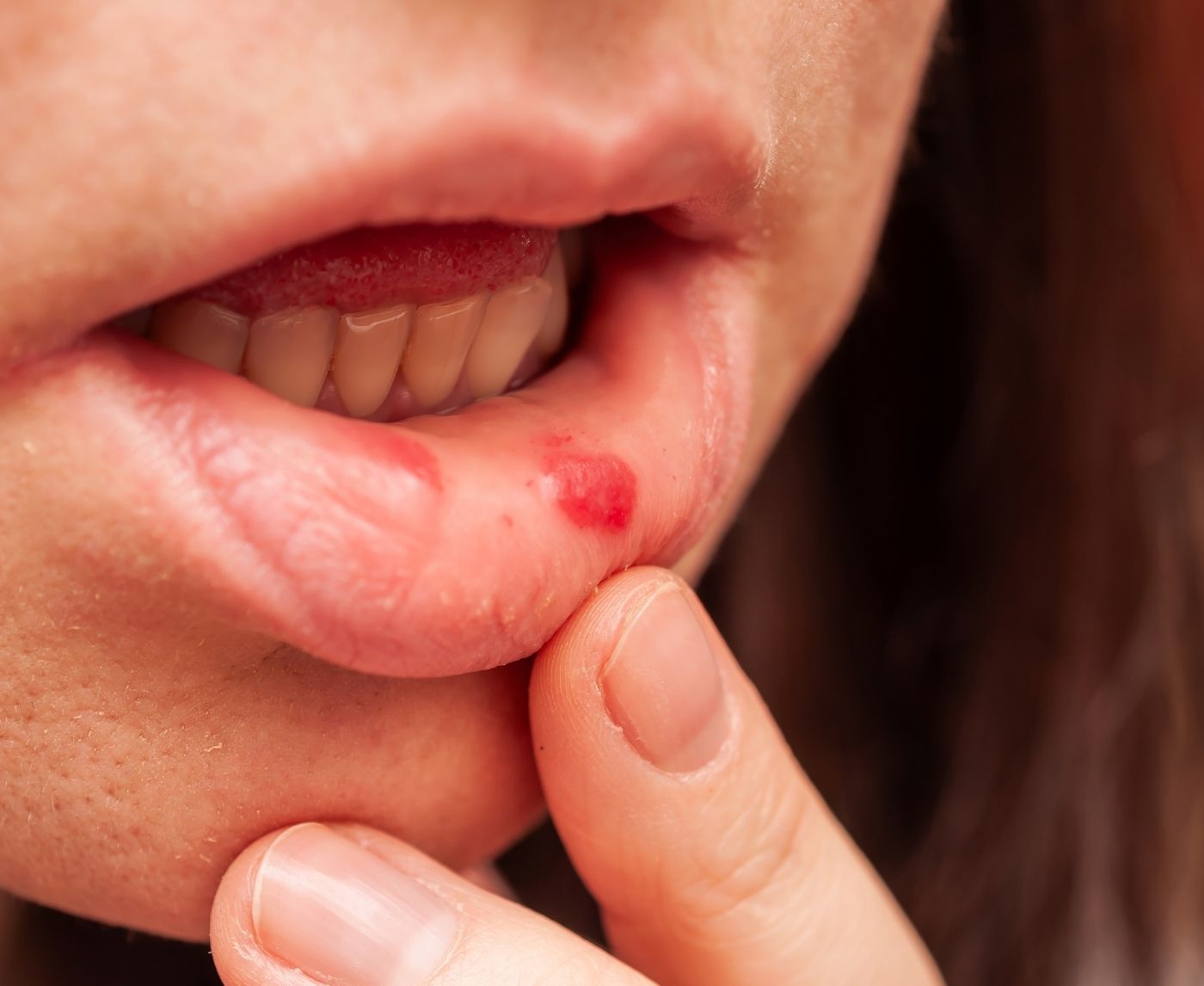
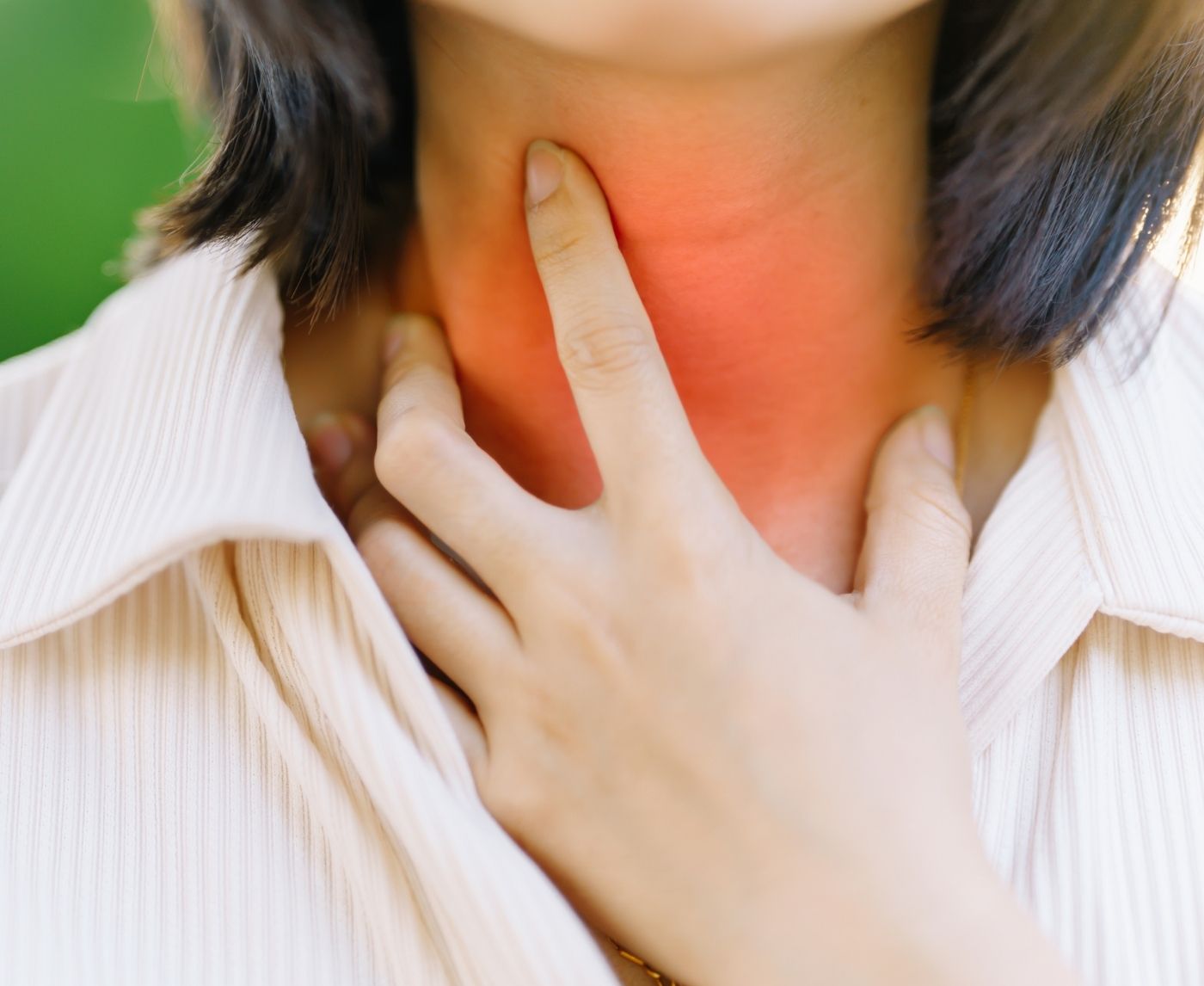
HPV is the leading cause of oral cancers in people under 40, especially when transmitted via oral sex. Meanwhile, herpes can cause symptoms like:
Figure 1. Common herpes symptoms and where they may show up after oral-genital contact.
Oral Sex Isn’t Safe by Default: What Transmission Really Looks Like
Let’s be blunt: STDs can absolutely spread through oral sex, even if there’s no ejaculation, no penetration, and no visible symptoms. Skin-to-skin contact is enough, especially with viruses like HPV and herpes, which don’t need blood or fluid exchange to infect someone. And because people rarely use protection during oral, the exposure risk is often underestimated.
In one 2014 study published in JAMA, up to 67% of genital herpes cases in women were linked to oral sex with a partner who had oral HSV-1. HPV is even sneakier: many people carry it without symptoms for months or years, and can unknowingly transmit it to the mouth or throat of a partner. According to the CDC, at least 42 million Americans are currently infected with HPV, and oral transmission is rising.
Let’s break down how it works:
Figure 2. Risk comparison of common oral-genital contact scenarios. Protection and timing matter, but even brief exposure can be enough.
“He Had No Symptoms. I Still Got Herpes.”
Marco, 31, met his date at a bar. They ended up back at his place, but stopped at oral sex. “He told me he was clean. I believed him,” Marco says. Two days later, Marco noticed tingling around his anus and a small blister he thought was an ingrown hair. By the end of the week, he had three painful sores and a fever. His test came back positive for HSV-2. “He never had a visible outbreak, but that didn’t matter. He was still contagious.”
This is the danger of relying on visible symptoms. Viral shedding, the process of a virus being active and transmissible, can occur even when someone looks and feels fine. For herpes, shedding is most common in the days leading up to an outbreak, but it can also happen randomly. With HPV, there may be no visible signs for months, and many carriers don’t even know they’re infected.
That’s why testing matters. And yes, you can test for these infections, even if you’re asymptomatic. Let’s break down your options next.
Your Next Step: How to Know If You Were Exposed
If you've had oral sex without protection, especially with someone new or whose status you don't know, you might want to think about getting tested. Doctors often check for HPV by doing cervical or oral screenings. They can also check for herpes by doing blood tests (antibody tests) or swabbing active lesions. What's the catch? Timing is key.
Most home test kits look for antibodies or antigens, which don't show up right away after exposure. If you test too soon, you might feel safe when you shouldn't. Here are some general rules:
- Best time to test for herpes: 2 to 12 weeks after exposure (blood antibody test)
- Best time to test for oral HPV: Not routinely done, but clinical oral exams can help
- Test sooner if: You have symptoms like sores, throat pain, or white patches
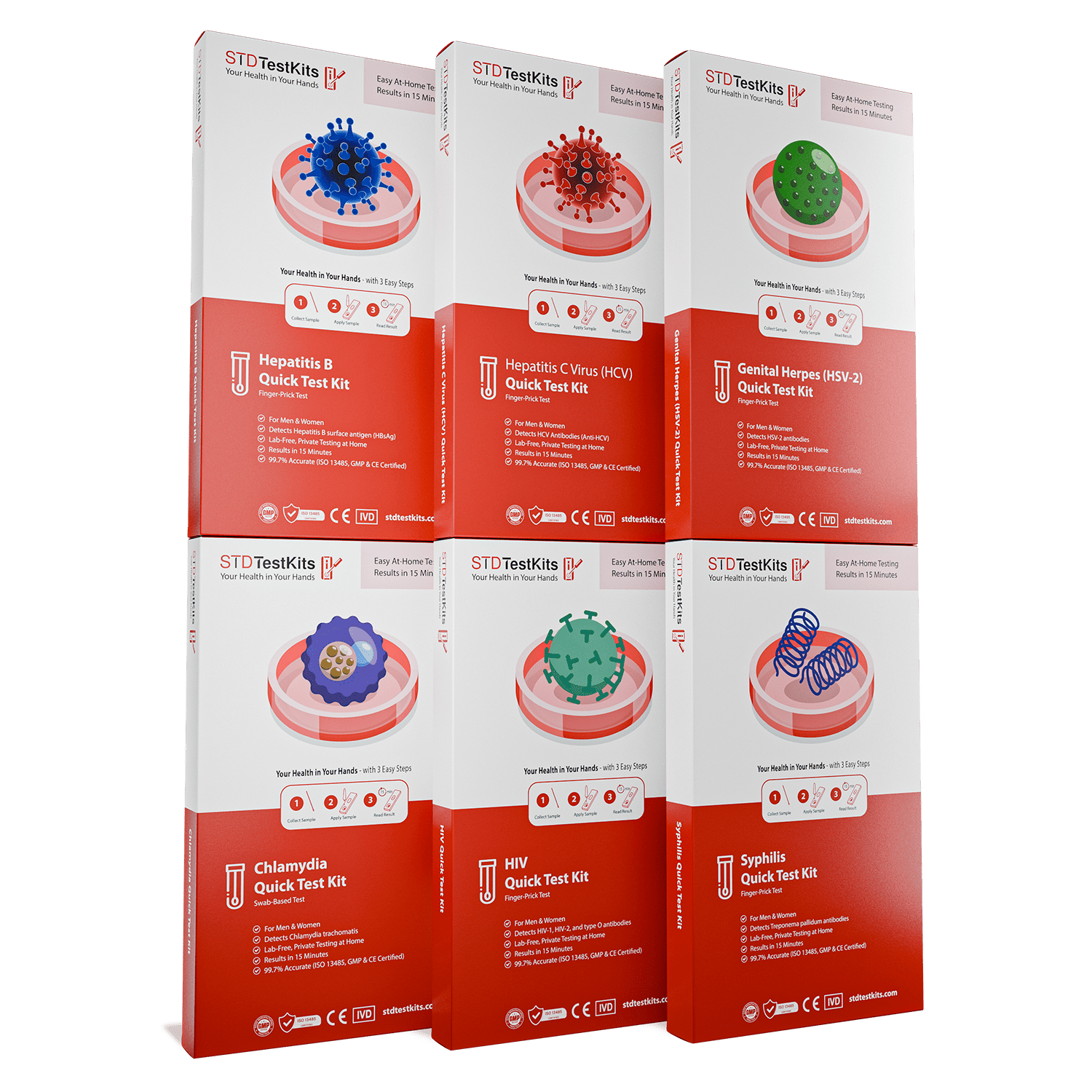
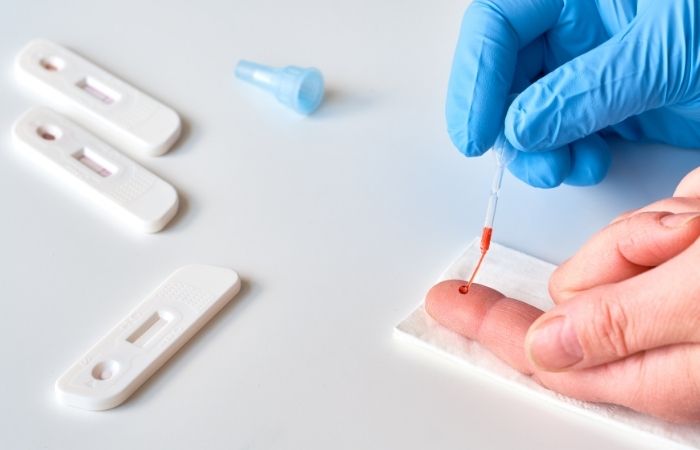
Whether it’s a bump or just a question mark, you deserve to know. This at-home combo STD test checks for the most common infections discreetly, so you’re not left guessing.
When to Test (And Why Timing Changes Everything)
A lot of people get tested too soon and get confused for a reason. Your body needs time to recognize the infection and make detectable markers like antibodies after you might have been exposed. If you test during that "window period," you might get a false negative even if you are infected.
Most antibody tests for herpes won't show an infection until at least 2 to 4 weeks after exposure, and they may not be most accurate until 12 weeks later. Finding HPV is harder, especially in the mouth. Most of the time, it is only diagnosed when symptoms show up or when lesions or warts are seen. Some strains of oral HPV may never show any signs, but they can still be passed on.
If you're not sure, use this map:
If it has been:
- Testing won't be reliable for less than five days. Keep an eye on the symptoms. If you have pain, a fever, or sores that you can see, get medical help right away.
- 1 to 3 weeks: Some antibody or antigen tests may show early signs, but a negative result doesn't mean it's not there.
- 4+ weeks: This is the best time to get the most accurate results for herpes. If symptoms change, it's still worth retesting.
Confused about timing? The Window Period Calculator can help you decide when to test based on the exact day you were exposed.
What Early Symptoms Actually Mean (And When to Worry)
Symptoms after oral sex can range from annoying to alarming, but many people ignore them or mislabel them as allergies, shaving irritation, or even food reactions. That’s part of why so many STDs go undiagnosed.
Here’s what to watch for, and what these symptoms might signal:
- Tingling lips or genitals: Often an early sign of herpes reactivation or initial infection.
- Sore throat without other cold symptoms: Could be oral herpes, oral gonorrhea, or even early HIV (though rare).
- White patches or bumps: Might be HPV, thrush (yeast overgrowth), or a healing herpes lesion.
- Painless sores near the tonsils or on the tongue: Consider syphilis or herpes, especially if accompanied by lymph node swelling.
Some of these signs go away on their own, which can give a false sense of security. But that doesn’t mean the infection is gone. Herpes and HPV can persist in the body for life, even if symptoms are rare or absent.
If you’re in doubt, test. If you’ve already tested and symptoms remain, consider retesting or speaking with a provider.
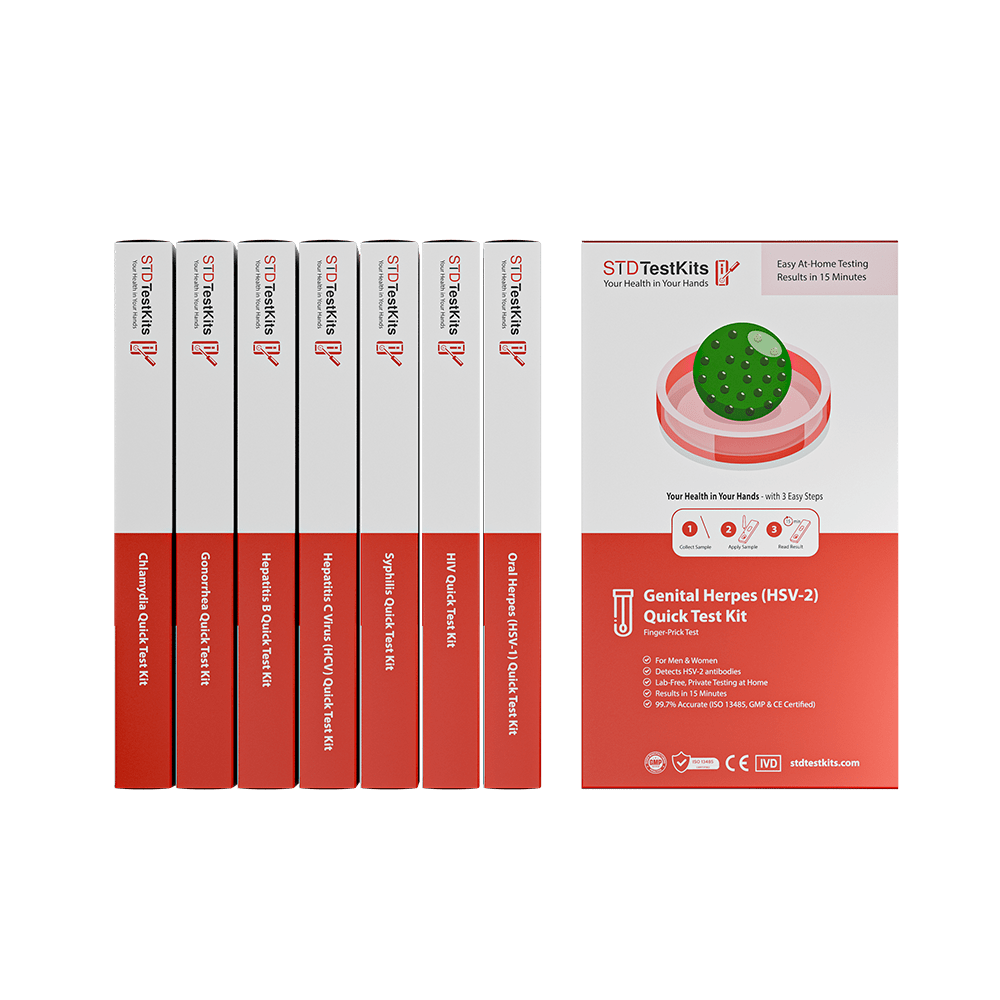
People are also reading: 7-in-1 Complete At-Home STD Test Kit
What If You Already Tested Negative, But Something Feels Off?
This is one of the most common pain points. You took the test. It said negative. But something doesn’t feel right, maybe your symptoms are lingering, or your partner just got diagnosed, or your gut says something’s off.
Here’s the truth: One negative test isn’t always the final word. Timing, test type, and immune system factors can all affect results. For herpes especially, a false negative is possible if you test too early or don’t have visible lesions for a swab.
Here’s when to retest:
- You tested within 10 days of exposure and had no symptoms
- You had symptoms but no swab was taken
- Your partner just tested positive and your last test was over a month ago
Follow-up testing at the 6-week or 12-week mark often provides a more definitive answer. Some people choose to test at home, others go through a provider or clinic. Either is valid, what matters is timing, accuracy, and peace of mind.
Need to test again discreetly? STD Test Kits ships fast and without labels. Your privacy, your results, your timeline.
Should You Tell a Partner? What About the One Who Gave It to You?
This is where shame can spiral, but it doesn’t have to. STDs like herpes and HPV are extremely common, often symptomless, and usually transmitted without intent or awareness. That said, partners deserve a heads-up when possible.
Scripts like this can help:
“I recently learned I may have been exposed to herpes/HPV. There’s a chance I could’ve passed it without knowing. I wanted to tell you so you can decide if you want to test or talk to someone.”
If you’re not sure who you got it from, or you feel unsafe contacting them, some clinics and health departments offer anonymous partner notification. Either way, sharing isn’t about blame. It’s about care.
Your Privacy, Your Power: What Testing at Home Looks Like
If you've hesitated to get tested because of embarrassment, lack of access, or fear of judgment, you’re not alone. Many people delay testing after oral sex because they don’t think it “counts” as real risk. Others worry about being seen at a clinic or getting a call they’re not ready to take.
At-home STD testing is designed to change that. STD Test Kits arrive in discreet packaging with no labels, no clinic visits, and results you control. Whether you want to screen for herpes, chlamydia, HPV, or all of the above, there’s a test that fits your timeline and your comfort level.
Support is available online, too, including telehealth consults for treatment and prescriptions if needed. Testing is care, not confession. You’re allowed to prioritize yourself.
FAQs
1. Can you actually get herpes or HPV from oral sex?
Yes, no medical jargon needed here. If someone has herpes or HPV (even without visible symptoms), giving or receiving oral sex is enough to pass it on. You don’t need penetration or ejaculation. Just skin, contact, and a virus doing what viruses do.
2. How soon would symptoms show up if I caught something from oral?
For herpes, symptoms might pop up in as little as 2–12 days. Think tingling, tiny sores, maybe even a sore throat that doesn’t act like a normal cold. HPV? Trickier. It can take weeks, months, or never show symptoms at all.
3. I had a sore throat after giving oral. Is that a sign?
Could be. But sore throats can also come from, well, everything, dry air, allergies, yelling at a concert. If it lingers, burns, or comes with white spots or swollen glands, that’s your cue to consider testing, especially if it showed up a few days after oral sex.
4. What do herpes or HPV look like in the mouth?
Herpes often shows up as small, painful blisters, lips, gums, tongue, even the throat. HPV tends to be sneakier: it can cause soft, painless growths (think: tiny skin tags) or nothing at all. That’s why regular check-ins and testing matter even if you feel fine.
5. Do I need to test even if I feel totally normal?
If you had oral sex with a new or untested partner, especially without protection, testing is smart. Most people with herpes or HPV don’t know they have it, and feel 100% fine. Peace of mind is underrated until you don’t have it.
6. Can I catch something from giving oral if they looked totally healthy?
Yes, and that’s what makes this so frustrating. Viruses don’t wait for symptoms to show. Herpes sheds when the skin looks normal. HPV can live quietly on the surface. You can’t always “see” risk.
7. Is there a test for HPV in the throat?
Not routinely. Oral HPV screening isn’t standard, though some dentists and clinics offer visual checks. There’s no quick swab like there is for chlamydia or gonorrhea. It’s frustrating, but true. Most HPV cases go away on their own, but some don't, which is why follow-ups matter.
8. I tested negative, but I’m still anxious. What now?
Totally valid. One test isn’t the whole story, especially if it was taken too early. If symptoms stick around or you’re losing sleep, retesting at the 6–12 week mark can help. And if anxiety’s running the show, it’s okay to talk to a provider about that too.
9. What kind of test should I use if I think I got herpes from oral sex?
If you’ve got a visible sore, a swab test is best, ASAP. No sore? A blood test for HSV-1 and HSV-2 antibodies can give clues, but you’ll want to wait a few weeks post-exposure. Want to skip the waiting room? This at-home herpes test can help you screen privately.
10. Should I tell the person who gave it to me?
Only if it feels safe, and only when you're ready. STDs aren’t punishments, and most people who transmit herpes or HPV don’t even know they have them. Sharing is about care, not blame. And if you’re not ready for that convo, anonymous partner notification is a valid option too.
You Deserve Answers, Not Assumptions
You don’t have to wait for things to get worse, or stay stuck in uncertainty. If you’re dealing with a sore throat, a bump that won’t go away, or just that gut feeling something’s off, getting tested is a powerful step forward. Not just for your body, but for your peace of mind.
Don’t wait and wonder, get the clarity you deserve. This at-home combo test kit checks for the most common STDs discreetly and quickly.
How We Sourced This Article: We combined current guidance from leading medical organizations with peer-reviewed research and lived-experience reporting to make this guide practical, compassionate, and accurate. In total, around fifteen references informed the writing; below, we’ve highlighted some of the most relevant and reader-friendly sources.
Sources
1. Planned Parenthood – Herpes
3. About STI Risk and Oral Sex – CDC
4. About Genital HPV Infection – CDC
5. Herpes Simplex Virus Fact Sheet – WHO
About the Author
Dr. F. David, MD is a board-certified infectious disease specialist focused on STI prevention, diagnosis, and treatment. He blends clinical precision with a no-nonsense, sex-positive approach and is committed to expanding access for readers in both urban and off-grid settings.
Reviewed by: Dr. S. Martinez, MPH | Last medically reviewed: January 2026
This article is for informational purposes and does not replace medical advice.