



Is It Genital or Oral Herpes? Here’s How to Tell the Difference
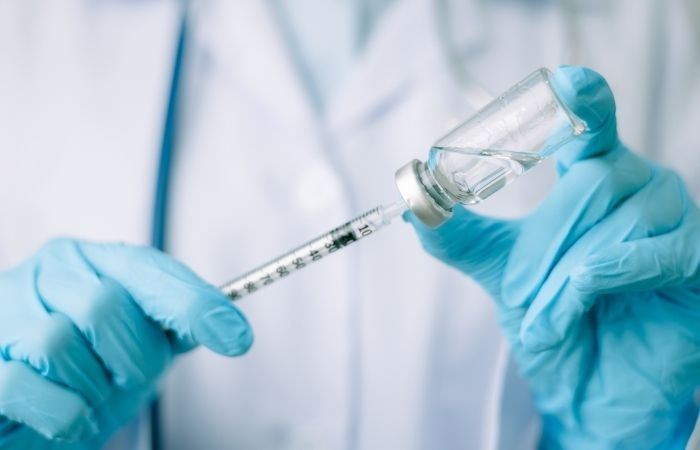
Quick Answer: Yes, the COVID vaccine may indirectly trigger a herpes outbreak in some people, but it does not cause herpes or increase your long-term risk. Immune system activation, not the vaccine itself, is the likely culprit.
Why People Are Asking This, And Why It Matters
The worry isn't coming out of nowhere. The idea that something as routine as a flu shot, or now, a COVID-19 vaccine, could set off a dormant infection is a scary one. For people who manage their herpes well, an unexpected outbreak feels like a betrayal. You're taking care of your health, doing what you're told, and boom, pain, stigma, and questions all over again.
This isn’t just about science, it’s about trust. Vaccine hesitancy thrives on personal stories, especially when people feel dismissed by their providers. If someone says, “I got a herpes flare after my shot,” and the doctor waves it off as unrelated, that person is likely to search for validation elsewhere. This article doesn’t dismiss that experience. It explains it.
It’s not just the COVID shot, either. Similar concerns have come up with other vaccines, especially those that trigger strong immune responses. And that’s where the science comes in.
Can Vaccines Really Reactivate Viruses?
To answer this, we have to go deeper than yes or no. Herpes viruses are known for their ability to lie dormant inside your nerve cells for months, or years, before flaring up. What wakes them? Immune system stress, hormonal shifts, physical trauma, and even intense UV exposure. The immune system is the gatekeeper. When it's overwhelmed or recalibrating, herpes can sneak out and say hello.
Vaccines, especially mRNA vaccines like Pfizer and Moderna, don’t overwhelm your system, but they do stimulate a robust immune response. That’s the point. They teach your immune cells to recognize and attack a specific virus (in this case, SARS-CoV-2). This immune activity, while protective, can sometimes act like a “nudge” to dormant viruses already inside your body.
Several peer-reviewed studies have noted cases of shingles (caused by the varicella-zoster virus, a herpes cousin) after COVID-19 vaccination, especially in older or immunocompromised patients. These cases are rare, but they gave researchers a clue: reactivation of herpes-family viruses might be an unintended, temporary ripple effect of immune activation, not a sign of danger, but of activity.

People are also reading: HIV vs. Syphilis: Which One Is More Common in Florida Right Now?
Let’s Talk About the Immune System (Without the Jargon)
Imagine your immune system as a very smart bouncer at the entrance of a high-demand club. Most of the time, herpes viruses sit quietly in the VIP lounge, invisible and non-threatening. But if there’s a commotion, say, a fight at the front door (hello, vaccine-triggered immune alert), the bouncer may take their eye off that quiet VIP lounge for a second. And that’s when herpes sometimes slips out.
This doesn't mean the vaccine caused the virus to appear out of nowhere. It means your immune system temporarily shifted its priorities, and that gave the virus an opening. Once the immune system settles back down, it usually reasserts control. For many, that means one minor outbreak and then back to baseline.
Here’s how that dynamic plays out depending on your immune history and herpes status:
Table 1. How your immune status affects herpes reactivation risk after vaccines.
In other words, it’s not the vaccine itself, it’s your immune system’s choreography in response to it. And in rare cases, that dance can stir up something you thought was asleep.
But I’ve Never Had Herpes, Can the Vaccine “Give” It to Me?
This is one of the most common myths, and one of the most emotionally loaded. No, the COVID vaccine cannot infect you with herpes. There is zero live virus in mRNA or vector vaccines that could cause herpes, cold sores, or any other herpes-family infection.
However, some people may carry HSV-1 or HSV-2 without knowing it. Over 70% of adults have HSV-1, and around 1 in 6 in the U.S. have HSV-2, often without symptoms. For some, their first outbreak may align with vaccination timing purely by coincidence, or because the immune shift uncovered something already present. That doesn’t mean the vaccine gave it to you. It may have just pulled back the curtain.
One theory in peer-reviewed literature suggests that vaccination could act like a “diagnostic stress test” for latent viruses, bringing them to the surface if they’re already in your system. This can feel like betrayal, but it’s actually insight. It gives people the chance to know their status, manage their health, and protect partners more effectively going forward.
Case Study: “I Was Doing Everything Right, Then This Flare Happened”
Alejandro, 42, had lived with HSV-2 for over a decade with minimal symptoms. “I get one or two outbreaks a year, usually when I’m really stressed,” he shared. But after getting his first Moderna shot, things changed. “Within 48 hours, I was exhausted. That I expected. But by day four, I felt that burn. I thought, no way. I’d just had an outbreak three weeks ago. This didn’t make sense.”
He wasn’t the only one. Reports like Alejandro’s started to filter into VAERS (the Vaccine Adverse Event Reporting System), Reddit, and medical boards. While not proof of causation, the pattern was striking enough to get attention from researchers. One study published in Frontiers in Immunology analyzed 16 post-vaccine herpes reactivation cases in otherwise healthy individuals. Another review in Dermatologic Therapy documented similar findings with both herpes simplex and herpes zoster flare-ups occurring days to weeks after COVID vaccination.
What these studies had in common was a lack of fearmongering. They didn’t say “the vaccine causes herpes.” They said: in rare cases, immune stimulation may pull the virus out of dormancy. That’s a medical nuance, but for someone like Alejandro, it was personal.
“I didn’t regret getting the shot,” he said. “But I wish someone had told me this could happen. I wouldn’t have panicked the way I did.”
Shingles, Cold Sores, and Genital Herpes: Sorting the Chaos
The herpes virus family is like a complicated family reunion, everyone’s related, but not all that friendly. The biggest confusion for readers often lies in symptoms: are they having a herpes outbreak, or is it shingles? Could a cold sore mean something more? And how does a vaccine fit into all this?
Shingles is caused by the varicella-zoster virus (VZV), the same one responsible for chickenpox. It’s technically a “herpes” virus (called HHV-3), but it’s not the same as HSV-1 (oral herpes) or HSV-2 (genital herpes). All three can reactivate when the immune system shifts, but the patterns are different.
After COVID vaccination, there have been more reports of shingles than herpes simplex. That’s likely because VZV reactivation is more common in people over 50, especially those with weakened immunity. That said, some of the reports labeled as “shingles” may actually be misdiagnosed HSV outbreaks, especially if they appeared in unusual locations like the lower back, buttocks, or upper thigh.
Table 2. Distinguishing herpes-family viruses and reactivation patterns after COVID vaccination.
If you’ve had a new outbreak in a new location, especially if it’s painful and follows a nerve line, consult a provider. It could be shingles, or it could be a first-time herpes outbreak. Either way, testing helps clarify the diagnosis, and treatment exists for both.
What the Numbers (Don’t Always) Tell Us
There’s a tricky gap between anecdotal reports and large-scale data. As of now, the CDC has not listed herpes reactivation as a known side effect of the COVID-19 vaccine. That doesn’t mean it’s impossible, it means it’s uncommon enough that it doesn’t rise to the level of broad risk. But researchers are paying attention.
One observational study published in Journal of the European Academy of Dermatology and Venereology found a slight uptick in herpes zoster and simplex flare-ups following mRNA vaccination, particularly after dose two. Another 2023 review looked at herpes reactivation following influenza and hepatitis vaccinations as well and concluded that reactivation is possible but not predictable. Meaning: it could happen, but most people won’t notice a thing.
Here’s what the data shows so far:
Table 3. Sample of observational studies and case reviews regarding herpes reactivation post-COVID vaccine.
The takeaway? Reactivation of herpes has been reported, but it's rare and usually easy to handle. If it happens to you, it doesn't mean the vaccine harmed you. It means your body responded vigorously, and the virus took advantage of that moment.
When Should You Test for Herpes After a Vaccine Flare?
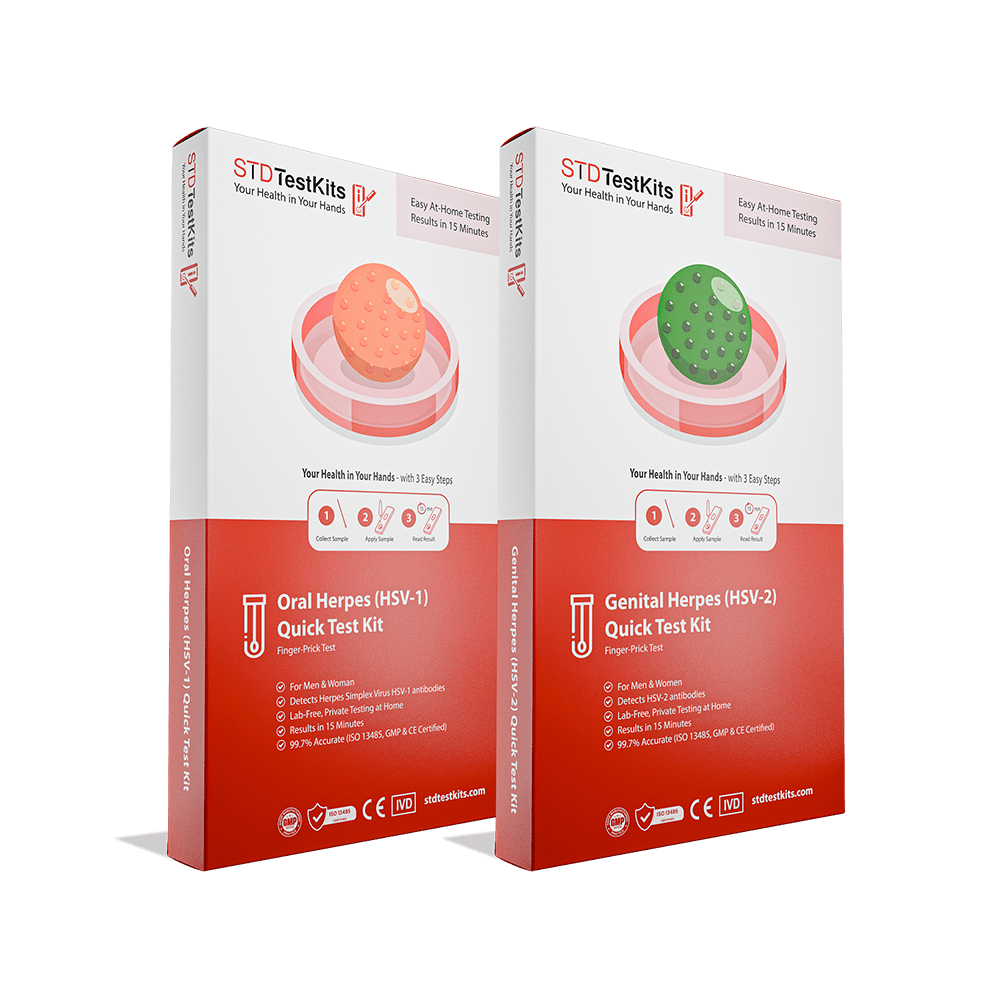
If you’ve never had a diagnosed outbreak but develop suspicious symptoms (painful sores, tingling, itching, nerve pain), it’s reasonable to test, especially if this is your first flare. If you don't have access to a clinic, an at-home Herpes 1 & 2 Rapid Test Kit can help you figure things out quickly. These tests look for antibodies after an infection. If the test comes back positive, talk to your doctor about what to do next.
If you already have a known herpes diagnosis and experience a post-vaccine flare, retesting isn’t always necessary unless symptoms are different or more intense than usual. Focus instead on symptom tracking, supportive care, and short-term antivirals if prescribed.
If your symptoms don't fit the classic herpes pattern, especially if they involve widespread rash, fever, or severe nerve pain, consult a provider. It may not be herpes at all, and early treatment can make a big difference.
Wondering where to start? Peace of mind is one test away. Explore at-home testing options from STD Rapid Test Kits, designed for privacy, speed, and real-life questions like yours.
What To Do If You’ve Had an Outbreak After Your Shot
First, breathe. A herpes outbreak, whether it’s your first or your fiftieth, can feel like a gut punch. But the presence of symptoms doesn’t mean the vaccine harmed you, it means your immune system is awake and communicating. And that’s what it’s supposed to do.
If this is your first outbreak, your first move should be documentation. Write down the date it started, where the symptoms appeared, and anything unusual you noticed (like new pain patterns or nerve sensitivity). Take photos if you’re comfortable, these can help your provider confirm a diagnosis.
Antiviral medications like acyclovir, valacyclovir, or famciclovir are still the gold standard for reducing the severity and duration of a herpes flare. If you’ve already been prescribed one of these, you can often resume treatment during any outbreak. If you’ve never taken them before, talk to a provider about whether suppressive therapy might make sense for you now, especially if flares are becoming more frequent post-vaccination.
And if this is simply one unusually timed outbreak and you haven’t had issues since? You may not need to do anything different. It could just be a single blip in your immune system’s rhythm. Most people with herpes will experience unpredictable outbreaks at some point, even with no clear trigger.
Can You Prevent Post-Vaccine Herpes Flares?
Maybe not completely, but you can tip the scales in your favor. Herpes reactivation is often the result of a perfect storm: immune stimulation, emotional stress, poor sleep, and nutritional depletion. If you know a vaccine is coming up and you're prone to flares, it’s okay to get proactive.
Some providers prescribe a short “booster” course of antivirals starting the day of vaccination and continuing for five to seven days. This isn’t standard protocol, but if you’ve had flares triggered by fevers, stress, or other vaccines in the past, it might be worth discussing.
Boost your odds by supporting your body holistically. Hydrate more than you think you need. Prioritize rest, even if you feel fine. Vitamin C, lysine, and zinc may help reduce flare frequency in some individuals (though evidence is mixed). And most importantly, listen to your body. If you're pushing through exhaustion after your second dose and your lip starts tingling, pause. That’s your sign.
And if an outbreak does appear? You didn’t fail. You didn’t overreact. Your body is doing its best to balance defense and peacekeeping, and that’s no small thing.
People are also reading: HPV Symptoms in Men: Warts, Lesions, or Nothing at All?
Why This Doesn’t Mean You Should Skip the Vaccine
Let’s be clear: herpes is common. Vaccines are safe. And having one does not make the other more dangerous. If anything, knowing you live with HSV-1 or HSV-2 is a reason to protect your health even more carefully. The COVID vaccine doesn’t worsen herpes, it activates your immune system, which can briefly stir the pot. But in the long term, keeping your immune system strong is your best defense against frequent flares.
More importantly, COVID-19 itself is far more likely to disrupt your immune system than any vaccine. Infections, especially ones that cause fever, inflammation, or respiratory stress, are well-known herpes triggers. In fact, many people reported their first herpes outbreak not after a vaccine, but after having COVID-19.
The risk of avoiding the vaccine? Getting sick, stressed, and overwhelmed, and setting yourself up for an even bigger outbreak later.
Stigma, Shame, and the Search for Validation
Let’s not dance around this: herpes comes with more baggage than most viruses deserve. For people living with HSV, a flare-up after doing “the right thing” can feel like punishment. Some internalize it: “I should’ve stayed quiet. I should’ve kept to myself.” Others externalize it: “This shot gave me herpes. This whole thing is a scam.”
Neither of those reactions is helpful, or entirely accurate. What’s helpful is curiosity. Reflection. Compassion for your body. Validation that your symptoms are real. And access to tools that let you live your life fully, even when herpes joins the ride.
It’s also helpful to remember: most people with herpes don’t know they have it. If a post-vaccine flare helps you uncover a virus you’ve carried quietly for years, it might be scary, but it also might be the beginning of understanding your body more deeply. And that’s something you can work with.
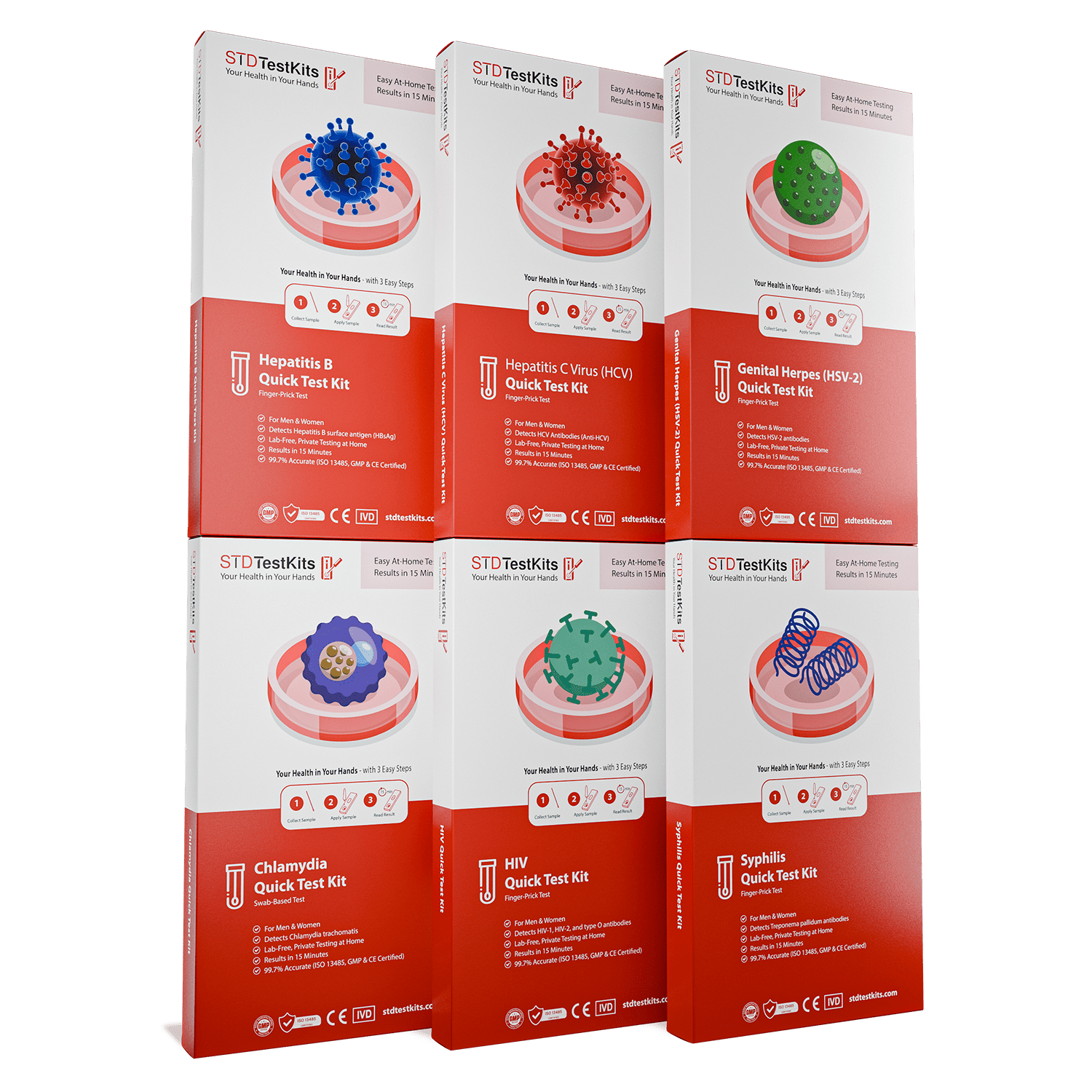
Need clarity about your symptoms or status? This at-home combo STD test kit checks for the most common infections, including herpes, with complete privacy and results in minutes. Empower your next step, not your fear.
When to Talk to a Doctor (and What to Say)
If you’ve had multiple outbreaks in a short time, new neurological symptoms (like burning or numbness), or a first outbreak that seems unusually severe, it’s time to reach out. Not all providers are up to date on vaccine-related immune shifts, so be direct, but kind. You might say:
“I had a herpes flare right after my COVID vaccine. I’d like to rule out other causes and talk about whether antivirals might help moving forward.”
You don’t have to defend your experience. You’re the expert on your body. A good provider will help you sort out whether testing, treatment, or tracking is the right next move, not dismiss your questions.
Telehealth options are also expanding rapidly, especially for herpes and STI support. If going in person feels overwhelming, you can often send photos, get prescriptions, and manage flares through secure apps or online providers. Privacy doesn’t mean going it alone.
FAQs
1. Can the COVID vaccine actually cause herpes?
No. The vaccine isn’t spiked with secret viruses or live herpes strains, it doesn’t "give" you herpes. But if you already have HSV in your system (and millions do without knowing), the vaccine’s immune shake-up might briefly let it flare. Think of it like waking a sleeping cat with a fire alarm. The cat was always there. The alarm just made it move.
2. I got a cold sore right after my second dose, is that a thing?
Totally can be. You’re not imagining it. A strong immune reaction can stir up herpes, especially oral HSV-1, when your body’s defenses are doing overtime. Doesn’t mean the vaccine was bad. Just means your immune system was a little too lit for a few days.
3. Should I be worried if this was my first outbreak ever?
Not worried, curious. Many people carry herpes for years without symptoms. A vaccine might pull it out of hiding, kind of like a stress test for your immune system. It sucks, but it also gives you info. Now you know, and you can make decisions with clarity instead of guessing.
4. How do I even know if it’s herpes and not shingles or something else?
Great question. Herpes tends to show up in familiar zones: lips, mouth, genitals, butt, thighs. Shingles usually sticks to one side of your body in a stripe or patch, often with nerve pain. If you're not sure, don’t WebMD yourself into a panic, get tested. That way, you're not flying blind.
5. Can I still get my booster if I had a flare after the last one?
You can, and many do. But if your last flare was gnarly, it’s worth chatting with your doc first. Some folks take antivirals for a few days around the booster just to stay ahead of it. That’s not overkill, it’s smart planning.
6. I’ve had herpes for years. Why would the vaccine trigger it now?
Because your immune system isn’t static, it’s dynamic. Vaccines kick it into gear, and sometimes in that shuffle, your herpes steps forward. It doesn’t mean your body is failing. It means it’s working. Just...loudly.
7. Can I take meds preventively before my shot?
Yep. Some providers recommend starting antivirals the day before or day of the vaccine if you’re prone to outbreaks. Think of it like prepping for a known stressor. Not everyone needs to, but if you’ve flared after fevers or stress before, it’s a solid move.
8. Should I even report this to anyone?
Honestly, yes. Even if it feels small or personal, reporting to VAERS (the Vaccine Adverse Event Reporting System) helps researchers spot patterns. You’re not accusing the vaccine of anything, you’re just helping map the full picture.
9. My partner had a flare after the vaccine. Should I get tested?
If you’ve never tested for herpes and you’re sexually active with them, now might be a good time, especially if you’re seeing symptoms or feeling off. You can test discreetly at home with a Herpes 1 & 2 test kit, no awkward clinic waits, no assumptions.
10. Does this mean vaccines are dangerous?
No. It means your immune system is complex and sometimes loud. The rare herpes flare is a small bump in the road compared to what COVID can do to your body. Herpes is manageable. COVID is less predictable. Choose the thing you can plan for.
You Deserve Answers, Not Assumptions
It’s easy to feel brushed off when something personal and painful happens after a medical event like vaccination. But your experience matters, even if it's rare. The truth is, herpes is not a moral failing or a dirty secret. It’s a virus. And like many viruses, it responds to the rhythms of your body, especially when that body is busy fighting for your future.
If you’ve had a flare after the COVID shot, it doesn’t mean you did something wrong. It means your body noticed something and responded. That’s information. That’s power. Whether it’s time for a test, a treatment plan, or just some peace of mind, you’re not alone, and you’re not broken.
Don’t wait and wonder, get the clarity you deserve. This at-home combo test kit checks for the most common STDs discreetly and quickly.
How We Sourced This Article: We combined current guidance from leading medical organizations with peer-reviewed research and lived-experience reporting to make this guide practical, compassionate, and accurate.
Sources
1. CDC VAERS: Vaccine Adverse Event Reporting System
2. Herpesviruses reactivation following COVID‑19 vaccination
4. Assessment of Herpes Zoster Risk Among Recipients of COVID‑19 Vaccination
5. Herpes – STI Treatment Guidelines
6. Genital herpes – Symptoms and causes
7. Herpes simplex virus (HSV) fact sheet
8. Herpes Zoster Reactivation After mRNA and Adenovirus COVID‑19 Vaccination
9. Clinical Overview of Shingles (Herpes Zoster)
About the Author
Dr. F. David, MD is a board-certified infectious disease specialist focused on STI prevention, diagnosis, and treatment. He blends clinical precision with a no-nonsense, sex-positive approach and is committed to expanding access for readers in both urban and off-grid settings.
Reviewed by: S. Ahmed, MPH | Last medically reviewed: December 2025
This article is just for information and doesn't take the place of medical advice.