HPV Symptoms in Men: Warts, Lesions, or Nothing at All?
Quick Answer: HPV in men can cause genital warts, flat lesions, throat changes, or no visible symptoms at all. You can carry and transmit the virus without knowing. Jack thought it was from shaving. Not sore. Just...
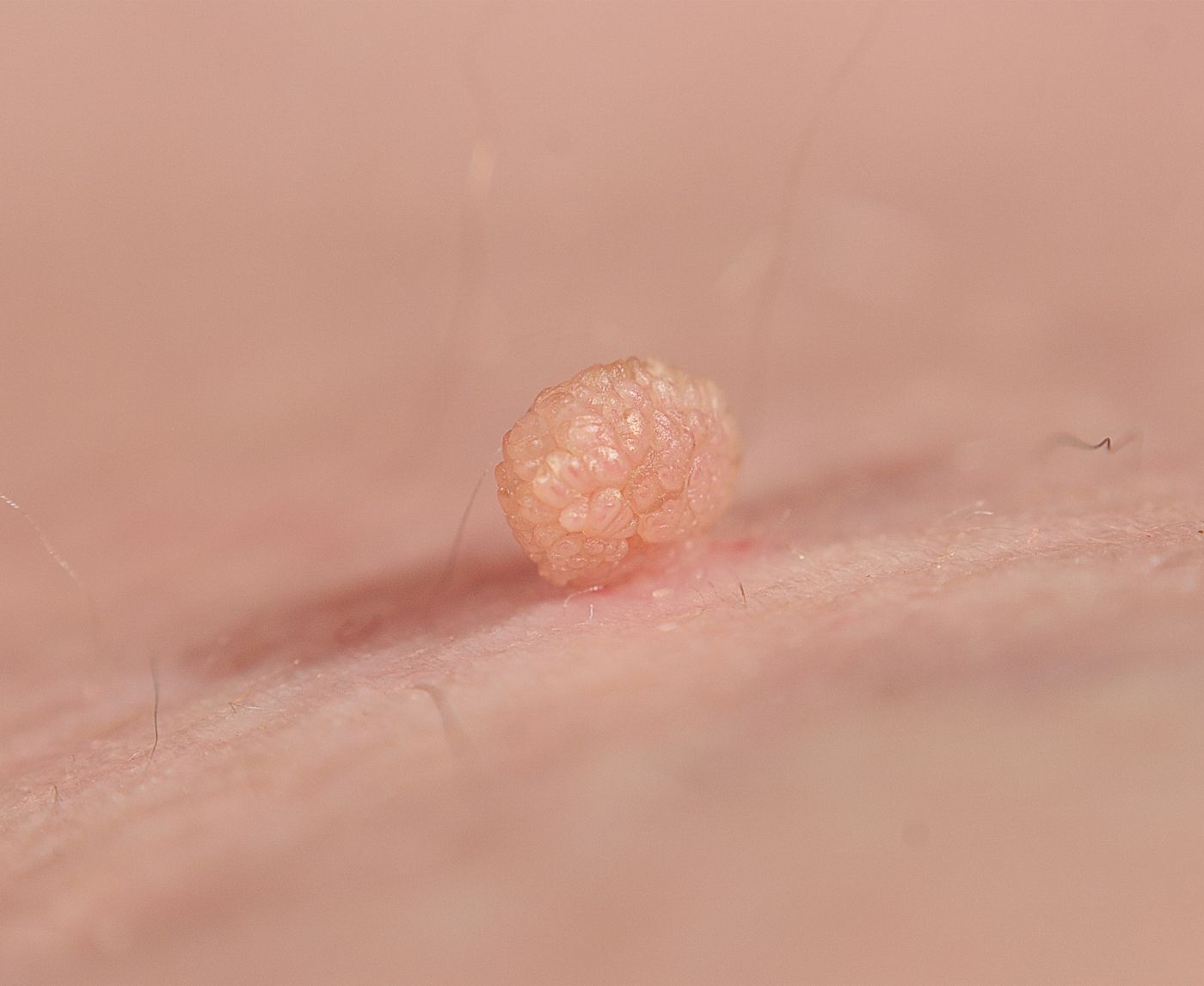
Quick Answer: HPV in men can cause genital warts, flat lesions, throat changes, or no visible symptoms at all. You can carry and transmit the virus without knowing.
Who This Guide Is For (And Why It Matters)
It started with a tiny bump, barely noticeable, no pain, no itch. Jack thought it was from shaving. A week later, it was still there. Smooth, skin-colored, not red. Not sore. Just... there. The internet gave him everything from “don’t worry” to “you might have cancer.” What he didn’t expect? A doctor telling him it was probably HPV.
If you’re reading this at 2AM wondering if the bump on your groin means anything, or nothing at all, you’re not alone. Human papillomavirus is the most common STD in the world, but in men, it doesn’t always leave a calling card. Sometimes it’s a wart. Sometimes it’s a lesion. Sometimes, there’s absolutely nothing to see.
This article is for anyone with a penis who’s ever stared at a mirror after sex wondering, “What is that?” It’s for men who’ve never had symptoms, but just found out a partner tested positive. It’s for the guys who’ve Googled “flat wart vs herpes” while silently panicking in the bathroom. And it’s especially for the ones who think HPV is “a women’s issue.”
Here’s the truth: most men with HPV have no symptoms. And most never get tested, because no routine screening exists for them. That silence doesn't mean safety. It means a gap in awareness, and sometimes, a slow burn toward complications like throat or anal cancer.
Whether you’re here out of fear, curiosity, or something in between, you’ll get grounded facts in plain language. We’ll walk through what HPV actually looks like in men (with and without symptoms), when to test, and how to protect yourself and others.
What HPV Actually Looks Like in Men (Or Doesn’t)
Unlike bacterial STDs like chlamydia or gonorrhea, HPV doesn’t usually show up as discharge or pain. The virus lives in skin cells and spreads through direct contact, not fluids. That means it can live on the genitals, around the anus, and even in the throat. And in men, symptoms are often invisible, or confusing.
There are over 100 strains of HPV. Some are “low-risk” and cause visible warts. Others are “high-risk” and can lead to cancer over time. Many never cause problems at all. Here’s a breakdown of how symptoms might (or might not) show up:
| Symptom | Possible HPV Type | Description | Location |
|---|---|---|---|
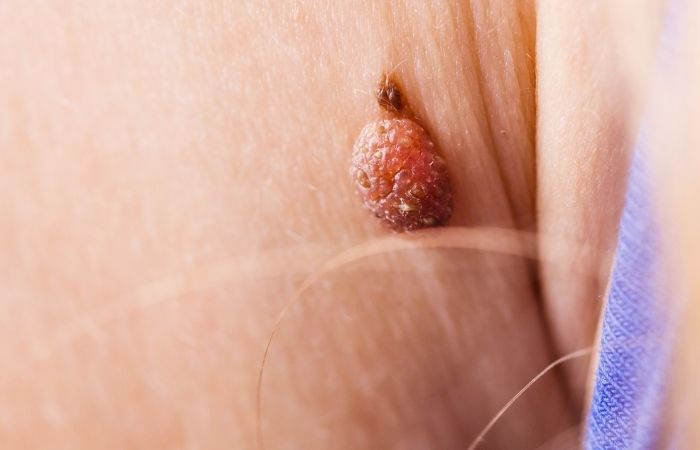
| Genital Warts | Low-risk (e.g., HPV 6, 11) | Soft, raised bumps that may be cauliflower-shaped or flat | Shaft, scrotum, anus, inner thighs |
| Flat Lesions | Low/high-risk | Skin-colored, smooth, slightly raised or flat areas | Penile shaft, perianal area |
| Throat Discomfort | High-risk (e.g., HPV 16) | Persistent sore throat, voice changes, or feeling of lump | Oropharynx (tonsils, back of tongue) |
| No Symptoms | Any strain | No visible signs, even if contagious | Anywhere HPV lives in skin or mucosa |
Figure 1. How HPV may (or may not) present symptoms in men, depending on strain and location.
The absence of symptoms doesn't mean you’re in the clear. It just means the virus isn’t expressing itself in a visible way. And for high-risk strains, that’s where the danger hides.
The Invisible Carrier Problem
Roughly 80% of sexually active people will contract HPV at some point. But here’s the kicker: in men, most infections never cause visible signs, and often clear on their own. That’s not the same as being harmless.
Some strains lie dormant, silently spreading to partners. Others embed in cells and begin long-term changes. You might go months, years, or forever without knowing you have HPV, even if it’s high-risk. That’s why it's often called the “invisible STD.”
There’s no routine test for HPV in men unless you’re part of a high-risk group, like men who have sex with men or those with HIV. Even then, testing usually targets the anus or throat, not the genitals.
The result? A huge population of men who have no idea they’re carrying, transmitting, or reacting to the virus, until it’s too late to prevent a complication.
“I Didn’t Have Warts, But I Still Had HPV”
Eric, 31, had no symptoms. No bumps, no sores. Just a girlfriend who tested positive during her Pap smear. When she told him, he froze.
"I didn’t understand. I hadn’t cheated. She hadn’t either. We were both clean, we thought. I googled for hours and found nothing about HPV in men. I felt useless."
He went to his primary care provider, who said, “There’s no test for you unless you have symptoms.” Eric left the clinic with more questions than answers, and a gnawing sense that he could be passing something on without knowing it.
Eric’s story isn’t unique. It’s what happens when men assume “no symptoms = no problem.” But with HPV, that silence is misleading. You can carry the virus for years, even decades, and only discover it when a partner tests positive, or when something far more serious develops.
HPV in the Throat and Anus
Not all HPV lives on the genitals. Strains like HPV 16 and HPV 18 are strongly linked to throat and anal cancers, especially in men who receive oral or anal sex. Symptoms here are even harder to spot.
In the throat (oropharyngeal HPV), signs may include:
- Persistent sore throat that doesn’t resolve with antibiotics
- Hoarseness or voice changes
- Feeling of a lump in the throat
- Ear pain with no infection
In the anal area, symptoms may mimic hemorrhoids or go unnoticed entirely:
- Bleeding during bowel movements
- Itching or discomfort
- Warts inside or around the anus (visible or not)
These signs are easy to overlook, or misattribute. Most men don’t think of throat pain as an STD symptom. And very few associate a minor anal irritation with anything beyond hygiene or hemorrhoids. But HPV can live and cause damage in these places without obvious warning.
Is It HPV, Herpes, or Nothing? Here’s How to Tell
We’ve heard it a hundred times: “I found a bump. I don’t know what it is. I’m freaking out.” Here’s how HPV compares to other common causes of genital skin changes.
| Condition | Appearance | Common Symptoms | Likely Cause |
|---|---|---|---|
| HPV Warts | Soft, skin-colored bumps, raised or flat | Usually painless, may itch | HPV 6 or 11 (low-risk) |
| Herpes | Clusters of fluid-filled blisters | Pain, burning, may burst or crust | Herpes Simplex Virus (HSV-2 or HSV-1) |
| Razor Burn / Folliculitis | Red or white bumps near hair follicles | Itchy or tender, often resolves quickly | Shaving, clogged pores, bacteria |
| Pearly Penile Papules | Small dome-shaped bumps in a ring | None , harmless and normal | Not an STD, anatomical variant |
Figure 2. Genital skin bumps compared: HPV vs other causes. When in doubt, test or consult a provider.
Only a clinician, or a test, can tell you for sure. But this table can help you avoid worst-case spirals. If the bump doesn’t hurt, isn’t filled with fluid, and doesn’t change rapidly, HPV is a possibility, but so is nothing serious.
What to Do If You Suspect HPV
If you notice a new bump, experience unusual throat discomfort, or find out a partner has tested positive, you don’t need to panic, but you do need a plan.
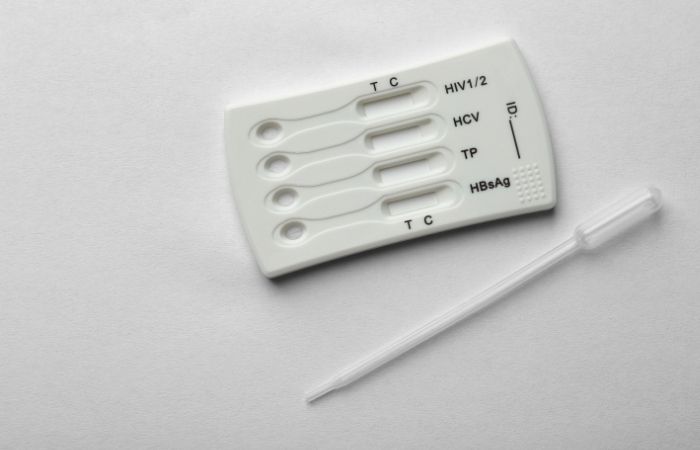
There’s no FDA-approved at-home HPV test for men yet, but you can use combo STD kits to rule out other infections like herpes, chlamydia, or syphilis. If those are negative and the bump persists, a clinician can examine it, or remove it and send it for testing.

How Long Can HPV Stay Dormant in Men?
One of the most confusing facts about HPV is how it can lie dormant for years. That means you can get infected, never show symptoms, clear the virus, or carry it quietly without knowing.
In many men, the immune system suppresses or clears the virus within 6 to 24 months. But that doesn’t always mean it's gone forever. A dormant infection can become active again, especially if your immune system weakens from stress, illness, or age.
That’s why a bump appearing “out of nowhere” doesn’t necessarily mean new exposure. It could be a virus your body carried silently for months, or even a decade, finally expressing itself.
There’s no current test to confirm if HPV is truly dormant or gone. That makes communication with partners tricky, and emotionally heavy. But knowing this isn’t your fault, and that reactivation happens, helps shift the focus toward what you can do next.
Can Men Get Cancer from HPV?
Yes. While most men with HPV will never develop cancer, certain high-risk strains (especially HPV 16 and 18) are strongly linked to:
- Oropharyngeal (throat) cancer
- Anal cancer
- Penile cancer (rare but real)
According to the CDC, HPV causes approximately 19,000 cancer cases in men each year in the U.S. The most common is throat cancer, especially among men who have oral sex with women or men.
Most of these cancers take years to develop. And the early signs are easy to dismiss: a sore throat, a lesion that doesn’t heal, a bump that feels like nothing. That’s why awareness, testing for other STDs, and monitoring any changes matter so much, even in the absence of traditional symptoms.
Why There’s No Routine HPV Test for Men
This is one of the most frustrating realities of HPV: there's no approved routine test for men. Unlike women, who get Pap smears and HPV DNA tests as part of regular care, men are left in the dark.
Why? Because most HPV infections clear on their own. Because the virus lives in skin cells, not blood or urine, making it harder to sample accurately. And because many strains cause no symptoms in men. But none of that means the risk isn’t real, or that testing wouldn’t help.
HPV testing does exist for high-risk groups: anal swabs for men who have sex with men, throat screenings in some cancer prevention clinics, and biopsy testing for visible lesions. But the average man, especially if asymptomatic, is told to “watch and wait.”
That wait can turn into years of unknowingly spreading the virus, or missing the earliest sign of something serious. It’s a gap in care that needs addressing. Until then, staying informed and proactive is the next best option.
When to Retest or Follow Up
If you’ve had genital warts removed, or you’ve cleared a visible outbreak, the question becomes: should you test again? And the answer depends on what you’re watching for.
If you were treated for warts, there’s no FDA-approved test to confirm HPV is gone. But if new symptoms appear, warts return, lesions appear, or unexplained throat or anal symptoms persist, it’s time to consult a provider again.
For other STDs, however, retesting is clear-cut. You should retest for chlamydia, gonorrhea, and syphilis if exposed or symptomatic, especially if HPV signs are mixed with other concerns. You can do that using a combo STD home test.
Here’s a general timeline:
- After visible symptoms clear: Monitor for 6–12 months
- After exposure to a partner with HPV: Test for other STDs at 3 weeks, again at 3 months
- With new symptoms or concerns: Test ASAP and follow up with provider
FAQs
1. Can men really have HPV and never know?
Yes, frustratingly often. Most guys who carry HPV have no clue. No symptoms, no bumps, no warnings. You could go years, even decades, without knowing unless a partner tests positive or a lesion appears. That’s part of what makes it so easy to spread and so hard to talk about.
2. What do genital warts actually look like?
Think soft, flesh-colored bumps, sometimes raised, sometimes flat. They might look like tiny skin tags or little clusters that almost resemble cauliflower (yep, gross but real). They don’t usually hurt, but they can itch. Most guys spot them while shaving or during sex, not because of pain.
3. Is it HPV or just razor burn?
If it’s red, itchy, or shows up right after shaving, probably razor burn. But if it’s still there a week later and hasn’t faded? You might want to pay closer attention. Razor bumps usually come and go. Warts and flat lesions tend to stick around, and they don’t care about your grooming habits.
4. Can HPV turn into cancer for men?
It can. Not always, but yes, certain strains of HPV are linked to cancers of the throat, anus, and penis. Throat cancer is the most common one in men, especially those who’ve had oral sex. It’s not about scaring you, it’s about knowing what to watch for and catching changes early.
5. Why can’t men just get an HPV test? We wish there was a good answer. The truth? There’s no approved test for men unless you have visible symptoms or you’re in a high-risk group. The virus lives in skin, not blood or urine, so it’s tricky to detect. That leaves most guys relying on symptoms, or silence.
6. Can I give someone HPV even if I feel fine?
Absolutely. That’s one of the worst parts of this virus. You can carry and pass it without knowing, just through skin-to-skin contact, yes, even if there are no visible warts. Condoms help reduce the risk but don’t cover everything. Communication and testing matter more than ever here.
7. How do I tell if it’s herpes or HPV?
Herpes usually shows up as painful blisters or open sores, like a stinging rash that crusts over. HPV warts are smoother, softer, and don’t usually hurt. If your bump is burning or bursting, herpes might be the culprit. If it’s just hanging out quietly? Could be HPV. But don't guess, test.
8. Will HPV go away on its own?
Most of the time, yes. Your immune system clears it within a year or two. But not always. Some guys carry it longer, and certain strains can linger. There’s no way to tell for sure if it’s gone, only that the visible signs (like warts) have disappeared. It’s a wait-and-see game.
9. Do I have to tell my partner?
Legally, not in most places. Ethically? It depends on your relationship. If you know or suspect you have HPV, or had visible symptoms, it’s worth talking about. These conversations aren’t fun, but they build trust. Plus, most people are more understanding than you’d expect when it’s approached with honesty.
10. What should I do if I’m freaking out?
Pause. Breathe. Don’t go down the Reddit rabbit hole. Most HPV infections don’t lead to anything serious, and there are ways to manage it, whether through monitoring, wart removal, or just giving your body time. Start by ruling out other STDs with an at-home test, and talk to a provider if something feels off. You’re not dirty. You’re not broken. You’re just human, and you’re not alone in this.
You’re Not Powerless, You’re Just Not Told Enough
HPV doesn’t always announce itself. But you don’t have to wait for symptoms, or assume it’s nothing. Most STDs can be ruled out with a few drops of blood or a urine sample. And if what you’re seeing turns out to be HPV, that knowledge arms you with next steps, not just anxiety.
Don’t wait and wonder, get the clarity you deserve. 8‑in‑1 Complete At-Home STD Test Kit checks for the most common STDs discreetly and quickly.
How We Sourced This Article: We combined current guidance from leading medical organizations with peer-reviewed studies and real-world stories to make this guide practical, credible, and emotionally honest. Around fifteen resources informed the content you’ve just read. Below, you’ll find six of the most relevant and reader-friendly links. Every external link opens in a new tab, so you can check claims without losing your place.