HIV Risk in Trans Women: The Numbers, the Reasons, and the Test That Changes Everything
If you've ever searched for clear, honest information about HIV risk and transgender health, you've probably noticed that most articles either bury the statistics in clinical jargon or skip the context entirely.

If you've ever searched for clear, honest information about HIV risk and transgender health, you've probably noticed that most articles either bury the statistics in clinical jargon or skip the context entirely. Neither is helpful. Trans women deserve the full picture, not a watered-down version of it. The numbers are striking, the reasons are real, and the path forward starts with knowing your status.
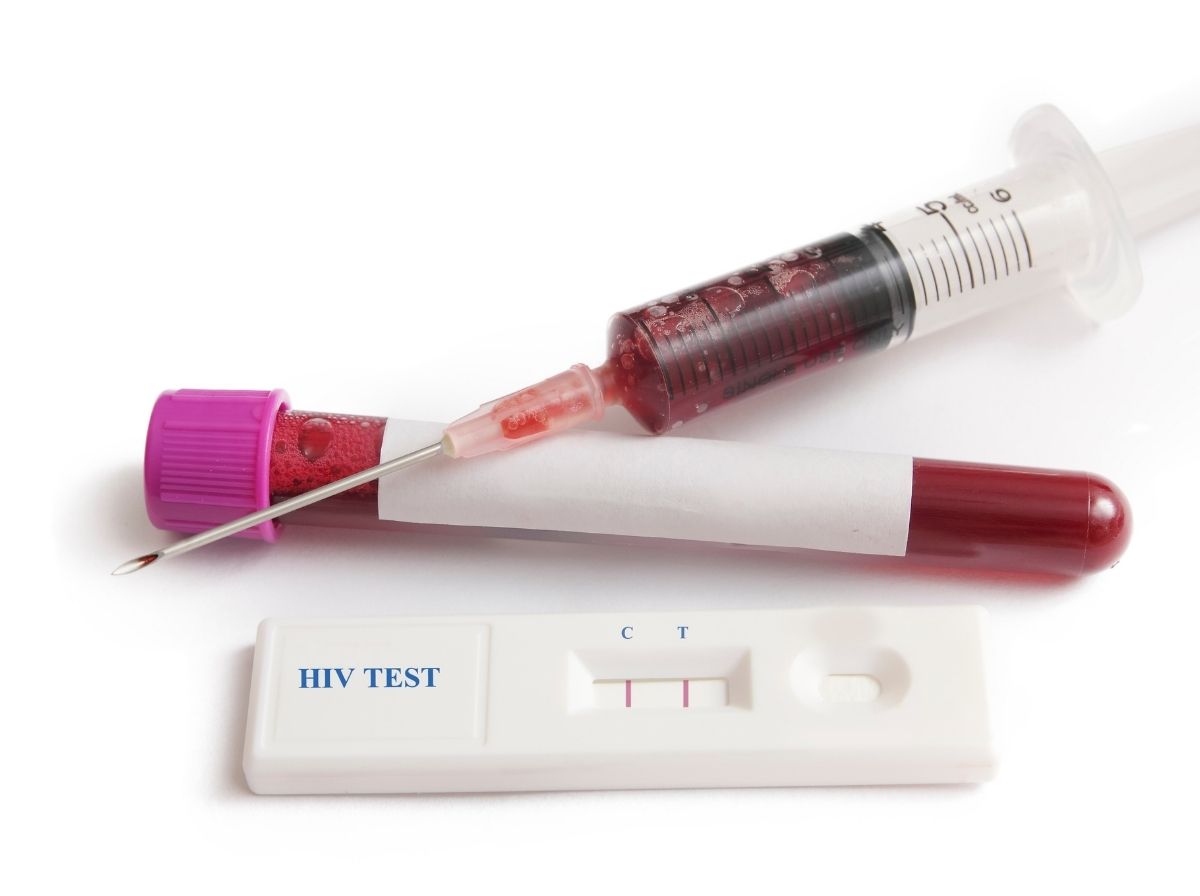
According to the CDC, transgender women accounted for approximately 2% of new HIV diagnoses in the United States in 2022, a figure that vastly outpaces their share of the overall population. In a landmark CDC surveillance study of transgender women across seven major US cities, 42% of participants tested positive for HIV. That's not a typo. Nearly 1 in 2. And among Black transgender women in that same study, the rate climbed to over 60%. These are not numbers that can be dismissed or explained away with a single sentence. They demand real attention, and they start with understanding what's actually going on.
What the HIV Data on Trans Women Actually Shows
The statistics on HIV prevalence among transgender women are among the most sobering in all of sexual health research. Globally, research published in peer-reviewed literature estimates that trans women have approximately 49 times the odds of HIV infection compared to the general adult population. In the US specifically, a systematic review and meta-analysis estimated HIV prevalence at 14% among transgender women overall, with the rate rising to 44% among Black transgender women and 26% among Hispanic and Latina transgender women.
The CDC's National HIV Behavioral Surveillance study of transgender women (NHBS-Trans), conducted across Atlanta, Los Angeles, New Orleans, New York City, Philadelphia, San Francisco, and Seattle, offers the clearest national snapshot to date. Of the 1,608 participants who agreed to HIV testing, 42.2% were HIV-positive. What makes this finding especially significant is who was in the room: about two-thirds of participants were living at or below the federal poverty line, and 42% had experienced homelessness in the prior year. The data isn't just about biology; it reflects the realities of economic marginalization.
In national surveillance data from 2022, transgender women accounted for 869 of the 37,981 new HIV diagnoses in the US. That proportion, small in raw numbers but enormous relative to population size, reflects a gap that has remained persistent over years of tracking. Among transgender people who received HIV testing in surveillance events reported to the CDC, the rate of new diagnoses was three times the national average. Understanding why requires looking beyond individual behavior.
| Population Group | Estimated HIV Prevalence | Source |
|---|---|---|
| All transgender women (US) | ~14% (systematic review) | AJPH Meta-Analysis, 2019 |
| Trans women, 7 major US cities | 42.2% | CDC NHBS-Trans, 2019–2020 |
| Black transgender women, 7 cities | 61.9% | CDC NHBS-Trans, 2019–2020 |
| Hispanic/Latina transgender women, 7 cities | 35% | CDC NHBS-Trans, 2019–2020 |
| White transgender women, 7 cities | 17% | CDC NHBS-Trans, 2019–2020 |
| Trans women vs. the general population (global) | ~49x higher odds of HIV | HRC Research Brief / Lancet |
One detail worth naming: research on transgender women and HIV has historically been limited, in part because many studies counted participants by sex assigned at birth rather than gender identity. That methodological gap means the real numbers may be even higher than what's been captured. The data we have is significant, but it likely underestimates the full picture.
Why the Risk Is So Much Higher, The Real Drivers
The elevated HIV risk among transgender women isn't a mystery, and it isn't explained by personal choices alone. It's the result of interconnected structural factors that make accessing both prevention and care significantly harder. Discrimination in healthcare settings, housing instability, poverty, and the specific realities of receptive anal sex combine to create conditions where HIV transmission is far more likely, and far harder to prevent.
Start with biology. Receptive anal intercourse carries a substantially higher per-act risk of HIV transmission than other sexual activities. Many transgender women, regardless of whether they've undergone gender-affirming surgery, engage in receptive anal sex as part of their sexual lives. This isn't a moral statement; it's a biological one. The rectal mucosa is more susceptible to HIV transmission than vaginal tissue, and without adequate lubrication or condom use, that risk increases further.
Then there are the structural factors. Imagine trying to access HIV testing when you're worried the nurse will misgender you, the intake forms don't reflect your identity, and the last time you visited a clinic, someone denied you care. For many trans women, particularly those who are Black, Latina, or Indigenous, that fear isn't hypothetical. Research consistently shows that discrimination in healthcare settings is a primary reason trans women avoid or delay testing and treatment. According to the Human Rights Campaign, trans people face a very real fear of being discriminated against by health professionals or denied treatment entirely, and those fears push people away from care precisely when they need it most.
Housing instability plays a direct role too. In the CDC's seven-city surveillance study, 42% of participants had experienced homelessness in the prior year. Homelessness is associated with survival sex work, which in turn is linked to higher exposure risk, limited ability to negotiate condom use, and reduced access to consistent HIV prevention. This isn't about judgment; it's about understanding the chain of circumstances that makes risk management harder for people without stable housing, income, or social support.
PrEP, the preventive medication that dramatically reduces HIV acquisition risk, is another piece of the puzzle. Despite its effectiveness, PrEP uptake among trans women remains far below what it could be. A 2024 study published in the International Journal of Environmental Research and Public Health found that trans women in Florida cited cost, poverty, trauma, discrimination, and their under-representation in clinical trials as core barriers to starting or staying on PrEP. Many trans women who would benefit from PrEP have never received a meaningful conversation about it from a healthcare provider.
How HIV Symptoms Can Look Different, or Nothing at All
One of the most dangerous things about HIV is how ordinary the early symptoms can feel. In the first few weeks after infection, a period called acute HIV infection, some people develop flu-like symptoms: fever, fatigue, swollen lymph nodes, a rash, sore throat, and muscle aches. Others have nothing at all. The problem with symptoms is that they're genuinely unreliable as a diagnostic signal. They show up in some people and not others, they look exactly like a dozen other conditions, and they typically resolve on their own regardless of what caused them.
Think about what that looks like in real life. You had sex a few weeks ago with someone you weren't totally sure about. A few days later, you feel run-down, maybe a little feverish. You assume it's a cold. It might be. Or it might be your immune system responding to early HIV infection. The only way to know the difference is to test, and the timing of that test matters more than most people realize.
For trans women specifically, the picture can be complicated by overlapping health concerns. Some trans women on feminizing hormone therapy may notice changes in energy, skin, or general wellness that could mask or be confused with early HIV symptoms. Gender-affirming care is protective in many ways. Research has shown it improves antiretroviral adherence and viral suppression in trans women living with HIV, but it doesn't change the biology of HIV transmission or the need for regular testing.
After the acute phase, HIV often enters a stage with few or no noticeable symptoms that can last for years. During this time, the virus is still present and still transmissible. This is how so many people live with HIV for extended periods without knowing it, and how transmission continues invisibly through communities. The absence of symptoms is not the same as the absence of HIV.
| Possible Symptom | Typical Onset After Exposure | Notes |
|---|---|---|
| Fever | 2–4 weeks | Often low-grade; easily dismissed |
| Fatigue | 2–4 weeks | Can be profound; often attributed to other causes |
| Swollen lymph nodes | 2–4 weeks | Common in the neck, armpits, and groin |
| Rash | 2–4 weeks | Often on trunk; not always present |
| Sore throat | 2–4 weeks | Can resemble a common viral illness |
| Night sweats | 2–6 weeks | May persist; often overlooked |
| No symptoms | Any point | Many people have no acute symptoms at all |
When and How to Test for HIV as a Trans Woman
This is the part of the article that actually changes something. Testing is the only way to know your HIV status, and knowing your status is the gateway to everything else: prevention, care, protecting partners, and peace of mind. The timing of testing is specific and matters a great deal, because HIV tests work by detecting antibodies or antigens that the body produces in response to infection, and those take time to develop.
For HIV, the recommended testing window is 6 weeks after exposure for a first indicator result, with a retest at 12 weeks for certainty. Testing before 6 weeks can still be done, and if you're extremely anxious about a recent exposure, it's reasonable to test early, but a negative result before the window closes doesn't fully rule out infection. A retest at 12 weeks gives you a definitive answer.
At-home rapid HIV testing is one of the most practical options for trans women who face barriers to clinical care. It's private, it's discreet, and it removes the fear of walking into a waiting room and having to navigate staff who may not be trained in trans-affirming care. The HIV-1/2 At-Home STD Test Kit from STD Test Kits offers 99.8% accuracy and delivers results in minutes, from a finger-prick blood sample you collect yourself, in your own home.
For trans women who are sexually active with multiple partners or with partners whose status is unknown, quarterly testing, every three months, is a reasonable routine. For those who are in a consistent relationship with a partner of known negative status, less frequent testing may be appropriate. The key is that testing is regular, not just reactive. Waiting until something feels wrong puts you behind the window where early intervention is most effective.
If a result comes back reactive, meaning a positive indication, the next step is confirmatory testing through a healthcare provider. A reactive rapid test result is not a diagnosis; it's a signal to follow up. The good news is that HIV, when caught and treated, is now a manageable chronic condition. People with HIV who begin treatment and maintain it can live long, healthy lives and reduce their viral load to undetectable levels, which also means they cannot transmit the virus to partners.
The Role of Structural Barriers, and Why At-Home Testing Matters
For many trans women, the single biggest obstacle to knowing their HIV status isn't knowledge or willingness, it's access. Healthcare settings that are unwelcoming, providers who lack training in trans health, forms that don't reflect gender identity, and the very real fear of being discriminated against or denied care: these aren't hypothetical concerns. They're documented patterns that have been shown, in study after study, to push trans women away from the care they need.
A 2024 study in the International Journal of Environmental Research and Public Health described what researchers called "interlocking systems of oppression", transphobia, racial discrimination, and misgendering, that functioned as compounding barriers to HIV prevention among trans women in Florida. These weren't minor inconveniences. They were structural forces that made even accessing PrEP feel systematically out of reach. The result, predictably, is that HIV prevention reaches trans women at far lower rates than comparable populations with similar risk levels.
At-home testing doesn't solve structural discrimination, but it removes one major friction point. You don't need an affirming provider to use a rapid test kit. You don't need to navigate a clinic intake form that misrepresents your identity. You don't need to justify your sexual history to someone who may not understand it. You test at home, you get your result, and you take the next step from there.
Research on trans women's experiences with HIV self-testing has been consistently positive. Studies have found that trans women generally find home HIV tests convenient, acceptable, and empowering, particularly when paired with the ability to test partners before sex. For a population that faces well-documented barriers to clinical testing, at-home options aren't a workaround. They're a meaningful part of the prevention toolkit.
What a Positive Result Means, and What Happens Next
Finding out you're HIV-positive is a significant moment. It can feel overwhelming. But it is not the end of anything, and the clarity it provides is genuinely better than the alternative of not knowing.
A reactive result on a rapid HIV test is not a confirmed diagnosis; it's the first step in a two-part process. Reactive results always require confirmatory testing through a healthcare provider or public health lab. That confirmatory test uses more specific methods to verify the result, and false positives, while uncommon, do occur. So if your rapid test comes back reactive, the right move is to contact a healthcare provider or sexual health clinic immediately to arrange follow-up testing.
If a diagnosis is confirmed, effective treatment is available. HIV treatment has advanced dramatically over the past two decades. Modern antiretroviral therapy (ART) is highly effective, and most people reach undetectable viral load within months of starting treatment. Undetectable means the virus is suppressed to levels so low that standard tests can't measure it, and crucially, it also means the virus cannot be sexually transmitted to partners. That's not a hopeful framing, it's the documented scientific reality behind the U=U principle (Undetectable = Untransmittable).
For trans women specifically, it's worth knowing that gender-affirming hormone therapy and HIV treatment are compatible. Research has shown that access to gender-affirming care actually improves ART adherence and viral suppression among trans women living with HIV. The two are not in conflict. A provider who is experienced in both trans health and HIV care can help coordinate both effectively.
If your result is negative, that's good news, but it's only meaningful in the context of the testing window. A negative result after the 12-week mark following your last potential exposure is a reliable, definitive negative. A negative result before 6 weeks is worth following up on, especially if the exposure was significant.
Prevention Beyond Testing: PrEP, Condoms, and Regular Screening
Testing shows you where you are right now. How to stay safe in the future is through prevention. There are a lot of well-known ways to help trans women stay safe, and knowing how they all work together makes them all work better.
When taken regularly, PrEP (pre-exposure prophylaxis) lowers the risk of getting HIV from sex by more than 90%. PrEP is one of the most powerful tools for trans women who are HIV-negative and are still at risk of getting HIV, whether it's because they have multiple partners, partners whose status is unknown, or don't always use condoms. As we talked about, the problem is access. In some US states, pharmacists can now directly prescribe PrEP, so you don't need to see a specialist first. That's a big change in how people can get to it.
A 2024 clinical trial (HPTN 091) looked at how many transgender women in the US and Brazil took and stuck with PrEP. It found that giving PrEP along with hormone therapy that matched their gender made them more likely to stick with it. The study backed up what community advocates have been saying for a long time: trans women stay involved when care is affirming and looks at the whole person, not just one health problem at a time.
Condoms are still one of the best ways to stop the spread of HIV, especially during receptive anal sex. They greatly lower the risk of transmission when used correctly and regularly. Using lubricant with condoms lowers the chance of failure due to friction, which is important for anal sex.
Regular STI testing is also part of the picture. According to CDC STI treatment guidelines, trans women who have sex with cisgender men are at elevated risk for bacterial STIs as well as HIV, and some STIs (including gonorrhea and chlamydia) increase HIV transmission risk when left untreated. A comprehensive sexual health routine includes HIV testing alongside screening for other infections, not instead of it.

Talking to a Partner About Testing
There's a conversation that happens, or sometimes doesn't happen, before sex that makes a real difference. Asking a partner about their HIV status or suggesting you both test before sleeping together is not a sign of distrust. It's a straightforward act of mutual care.
The reality is that many people living with HIV don't know their status. This isn't about deception; it's about the nature of an infection that can be entirely asymptomatic for years. You can't tell someone's status from how they look, how long you've known them, or how much you trust them. Testing is the only way to actually know.
For trans women navigating partner conversations, the dynamic can be complicated by power imbalances, fear of rejection, or concerns about safety. Partner violence in the context of HIV disclosure is a documented concern, one that research on home HIV testing among trans women has specifically acknowledged. Having that conversation in a setting where you feel safe matters. If a partner responds to a testing request with hostility, that's important information too.
Some trans women have found that offering at-home testing kits directly to partners, rather than asking them to go to a clinic, makes the conversation easier. A 2021 study on HIV partner-testing among trans women found the approach was generally positive, with most participants reporting that partners were receptive to using kits. The convenience and privacy of home testing removed some of the social friction that makes clinical testing feel like a big ask.
The bottom line is this: knowing both your status and your partner's status is the foundation of informed sexual decision-making. It doesn't replace other prevention strategies, but it makes all of them work better.
FAQs
- 1. What makes the HIV rates in trans women so much higher than in other groups?
- The high rates are due to a mix of biological and structural factors. For example, receptive anal sex has a higher risk of transmission per act, and structural factors include discrimination in healthcare, unstable housing, poverty, and barriers to getting PrEP and testing. It's the combination of the two that causes the difference, not just one of them.
- 2. How soon should a trans woman get tested after being around someone who might have HIV?
- For a reliable first result, test 6 weeks after exposure. For a definite answer, test again at 12 weeks. You can test before 6 weeks, but you might get a false negative because the antibodies haven't had time to form yet. Don't trust a result that was taken a few days after exposure.
- 3. Can hormone therapy change how accurate HIV tests are?
- There is no current evidence that feminizing hormone therapy changes the results of standard HIV antibody or antigen tests. If you have specific worries about your regimen and testing, it's a good idea to talk to a provider who knows a lot about trans health. But in general, at-home rapid HIV tests are just as accurate for trans women as they are for anyone else.
- 4. Does gender-affirming care affect HIV treatment?
- In most cases, HIV antiretroviral therapy and gender-affirming hormone therapy work well together. Studies have consistently demonstrated that access to gender-affirming care enhances HIV treatment adherence and viral suppression outcomes in transgender women. It is best to work with a provider who is experienced in both areas.
- 5. What does it mean for a trans woman if she gets a positive rapid HIV test result?
- A positive result on a home rapid test means that the test found antibodies that could mean HIV infection, but it needs to be confirmed by another test before it can be called a diagnosis. Call a healthcare provider or sexual health clinic right away to set up a follow-up. Don't wait.
- 6. Is it safe for trans women who are taking feminizing hormones to take PrEP?
- Research indicates that PrEP is safe for transgender women, although some studies have raised concerns regarding potential interactions between specific formulations and estrogen. A clinical trial in 2024 (HPTN 091) looked at PrEP specifically in transgender women and found that it worked well and was well-tolerated when given with gender-affirming care. Talk to a knowledgeable provider about specific questions about the formulation.
- 7. What if I'm too scared to go to a clinic to get tested for HIV?
- That's what testing at home is for. With a rapid HIV test kit, you can test yourself in the privacy of your own home without having to go to a doctor's office. You can get your results in a few minutes. If your result is reactive, you'll need to go to the clinic again, but you can do the first step on your own time.
- 8. How often should a trans woman who is sexually active get tested for HIV?
- If you have ongoing exposure risk, multiple partners, partners of unknown status, or don't always use condoms, testing every three months is a good starting point. If both partners in a mutually monogamous relationship have recently tested negative, it's okay to test less often. It's important to test regularly, not just when something seems wrong.
- 9. Is it possible to have HIV and not show any signs?
- Yes, and this is one of the most important things to know. Many people with HIV don't have any symptoms at first, and after the acute phase, HIV often goes into a clinically silent stage that can last for years. Not having any symptoms doesn't mean you don't have HIV; only testing can tell you that.
- 10. Does having an undetectable HIV viral load mean I can't pass it on to my partners?
- Yes. There is a lot of strong scientific evidence that the U=U principle, which says that "undetectable equals untransmittable," is true. People who are on effective HIV treatment and have an undetectable viral load cannot pass HIV on to their sexual partners. This is one of the most important things that has happened in the last few years to help stop the spread of HIV. It's also another reason why it's so important to know your status and get treatment as soon as possible.
Test Today, Know Your Status, Protect Your Health
The data on HIV and trans women isn't meant to generate fear, it's meant to generate action. Knowing the numbers is the first step. Knowing your status is the one that actually changes your trajectory.
The HIV-1/2 At-Home STD Test Kit delivers 99.8% accuracy from a simple finger-prick sample, with results in minutes, shipped to your door in discreet packaging. No waiting rooms. No forms that don't fit. No explanations required. For trans women who've encountered barriers to clinical testing, this is what accessible HIV testing actually looks like.
If you want broader coverage, because HIV rarely travels alone, the 7-in-1 Complete At-Home STD Test Kit screens for HIV alongside gonorrhea, chlamydia, syphilis, herpes HSV-2, hepatitis B, and hepatitis C. It's the most practical option for anyone who wants a full picture of their sexual health in a single test. And the 8-in-1 Complete At-Home STD Test Kit adds herpes HSV-1 to that lineup.
Testing is not a confession. It's not a sign that something is wrong with you or your choices. It's the most direct, most empowering thing you can do for your health, and for the people you're intimate with. Find what you need, test at home, and take your next step from a position of knowledge. Visit STD Test Kits to get started.
Our article was constructed based on current advice from the most prominent public health and medical organizations, and then molded into simple language based on the situations that people actually experience, such as treatment, reinfection by a partner, no-symptom exposure, and the uncomfortable question of whether it "came back." In the background, our pool of research included more diverse public health advice, clinical advice, and medical references, but the following are the most pertinent and useful for readers who want to verify our claims for themselves.
- CDC, Fast Facts: HIV and Transgender People
- CDC MMWR, National HIV Behavioral Surveillance Among Transgender Women, 2019–2020
- Human Rights Campaign, Transgender People and HIV: What We Know
- PMC, Barriers to PrEP Among Transgender Women in Florida (IJERPH, 2024)
- CDC, STI Treatment Guidelines: Transgender and Gender Diverse Persons
- PMC, Transgender Women's Experiences Using Home HIV-Testing Kits for Partner Testing