



When the STD Test Says “Negative” But Your Body Says “Something’s Wrong”
Quick Answer: STD test result anxiety is real and valid. The waiting period triggers emotional spirals fueled by fear, shame, uncertainty, and stigma, but there are tools that can help you manage the mental toll while you wait.
“I Knew Getting Tested Was Smart, So Why Do I Feel So Awful?”
Jordyn, 24, thought they were doing the responsible thing. They got tested after a new hookup. Everything was chill until the clinic said it would be 2–4 business days for results.
“That night I didn’t sleep. I kept replaying every second of the hookup, every rumor I’d ever heard about STDs, even what kind of lube we used. I wasn’t scared of the test, I was scared of what it might confirm.”
Jordyn’s not alone. Experts refer to this phase as “anticipatory anxiety”, the kind that happens not from a result, but from not knowing. And when that unknown involves your health, your sexuality, and your sense of safety? The stakes feel existential.
Waiting for STD results can unearth all kinds of buried feelings: regret, shame, trauma, even internalized stigma. The fear isn't just about being sick. It’s about what a positive result might say about you, even if you know better logically. That’s the trap: rationally, you understand testing is health care. Emotionally, it can feel like punishment.

People are also reading: Genital Itch That Won’t Go Away: Is It Herpes, Dry Skin, or Worse?
The Science Behind Why Waiting Feels So Bad
Your brain isn't broken; it's just doing its job of keeping you alive a little too well. Studies have shown that uncertainty activates the same parts of the brain that deal with physical pain. A study from 2020 found that most people would rather get bad news right away than wait in suspense, even if the news was harmless. Why? When the brain sees something it doesn't know, it thinks it's a threat, which tells your fight-or-flight system to release stress hormones like cortisol and adrenaline into your body.
This “limbo” state, caught between testing and knowing, creates a feedback loop. Your mind says: something might be wrong. Your body reacts like something is wrong. You feel sick, on edge, disconnected from reality. That reaction reinforces your panic, which makes it harder to think clearly, sleep, or self-soothe. It’s not weakness, it’s your nervous system doing exactly what it was designed to do.
Figure 2. Anticipatory anxiety isn’t just “in your head.” It’s a full-body response wired into human survival systems.
STD testing makes this worse because it doesn't just tap into health uncertainty, it pokes every social and emotional landmine: fear of rejection, internalized shame, trauma memories, and the pressure of disclosure. You’re not waiting on lab results. You’re waiting on a verdict that feels like it might change how the world sees you.
No wonder your chest feels heavy. This isn’t about being dramatic, it’s about being human.
Why STD Test Anxiety Is So Under-Talked About
Most public health messaging treats STD testing as a checkbox: something responsible people do without drama. But that skips over a harsh reality, many people associate testing with shame, secrecy, or past trauma. Especially if you've ever been ghosted after disclosing, had a scary health scare, or grew up in a sex-negative environment, the moment between test and result can feel like an emotional minefield.
And when we don’t talk about this? People spiral alone. They think something’s wrong with them for obsessing. They skip future tests. Or worse, they avoid testing altogether next time because the emotional toll felt unbearable.
The silence around STD result anxiety isn’t just an oversight, it’s part of the stigma itself.
“I Tested Negative... But I Still Couldn’t Calm Down”
Marco, 29, tested after a condom break. The results came back negative across the board. But instead of relief, he felt disoriented.
“I thought I’d feel better. But I still kept Googling. I didn’t trust the test. I convinced myself it was too early or that they missed something. It took weeks before I stopped thinking about it every day.”
This is more common than you might think. For many, the anxiety doesn’t disappear with a negative result. The emotional surge your body experienced doesn’t instantly shut off, especially if you haven’t addressed the deeper fears underneath.
Some people continue obsessing, test again repeatedly, or fall into health anxiety spirals. That doesn’t mean they’re irrational, it means their nervous systems never had space to downshift. Fear lingered because no one ever taught them how to process this kind of fear in the first place.
When Results Are Delayed, Everything Feels Worse
You were told two business days. It’s been four. The clinic voicemail says “still processing.” You check your email spam folder, then the portal, then Reddit. Nothing. Suddenly your stomach drops, did they find something bad and are trying to “prepare” you? Maybe the delay is the answer?
Delays, even when completely normal, become emotional landmines. According to the Journal of Health Psychology, medical result delays increase perceived severity and reduce trust, even if the delay is minor or logistical. Translation: when you don’t hear anything, your brain fills in the worst-case scenario, and it feels just as real as fact.
This is especially true with STDs, because silence is already part of the stigma. You're taught not to talk about infections. So when communication goes quiet, your brain assumes the worst, and makes it personal.
What Happens in the Waiting Room of Your Mind
Most people don’t just “wait” for results. They spiral. They replay every sexual decision. They text friends vague questions. They Google symptoms, timelines, “how likely is herpes with condom.” And if there’s a delay? The spiral deepens into shame or self-blame.
STD test anxiety is rarely just about health, it’s about fear of consequences, judgment, and identity loss. People fear being unlovable. They fear partners leaving. They fear having to disclose. All of this gets projected onto a single email or test line that hasn’t even arrived yet.
This is when many readers describe themselves feeling “crazy.” They check their phones 20 times an hour. They feel nauseous or shaky. They second-guess everything, even if they know they used protection. It’s not irrational, it’s the product of fear meeting silence, and the brain trying to resolve the discomfort.
You’re Not “Overreacting.” You’re Human.
One of the most dangerous thoughts people have while waiting for STD results is: “I shouldn’t be this upset.” That belief traps them in silence. It makes them feel weak, dramatic, or broken.
Let’s clear this up: If your mind is spinning, if your body’s tense, if you can’t eat or sleep, you’re not broken. You’re not overreacting. You’re responding to an emotionally charged unknown, shaped by a lifetime of silence, stigma, and shame. It’s okay to name that. It’s okay to need support. And it’s okay if you can’t logic your way out of it.
This is where the healing starts, not with your result, but with your permission to feel what you feel.
How to Survive the Wait Without Losing It
This won’t be a list of “just breathe” platitudes. You’ve probably already tried that. Instead, here are real ways people have navigated the waiting period, especially when their minds were doing somersaults.
Figure 1. Real emotional patterns, and real ways to disrupt the loop.
You Deserve Clarity, Not Cruelty
Let’s be clear: waiting for STD results should never feel like a punishment. It’s a symptom of how we’ve failed people emotionally in sexual healthcare. But you don’t have to stay stuck in that spiral.
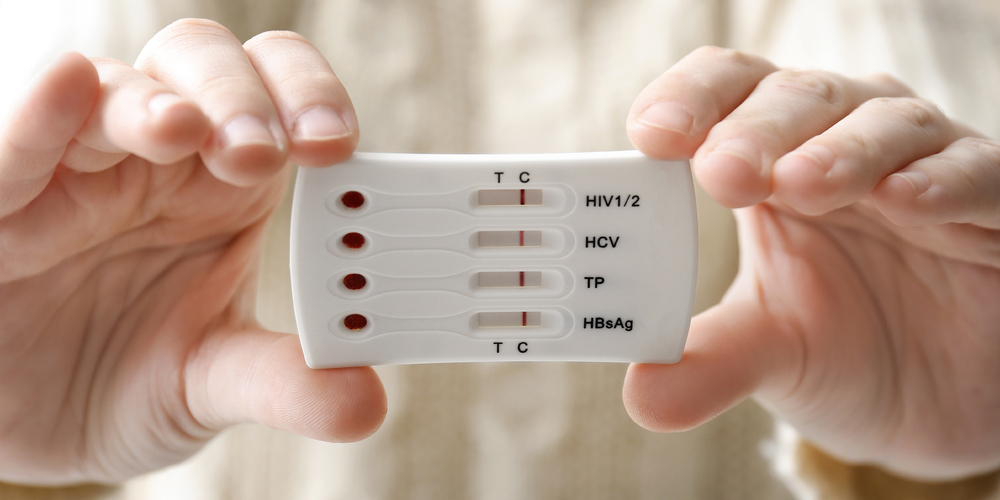
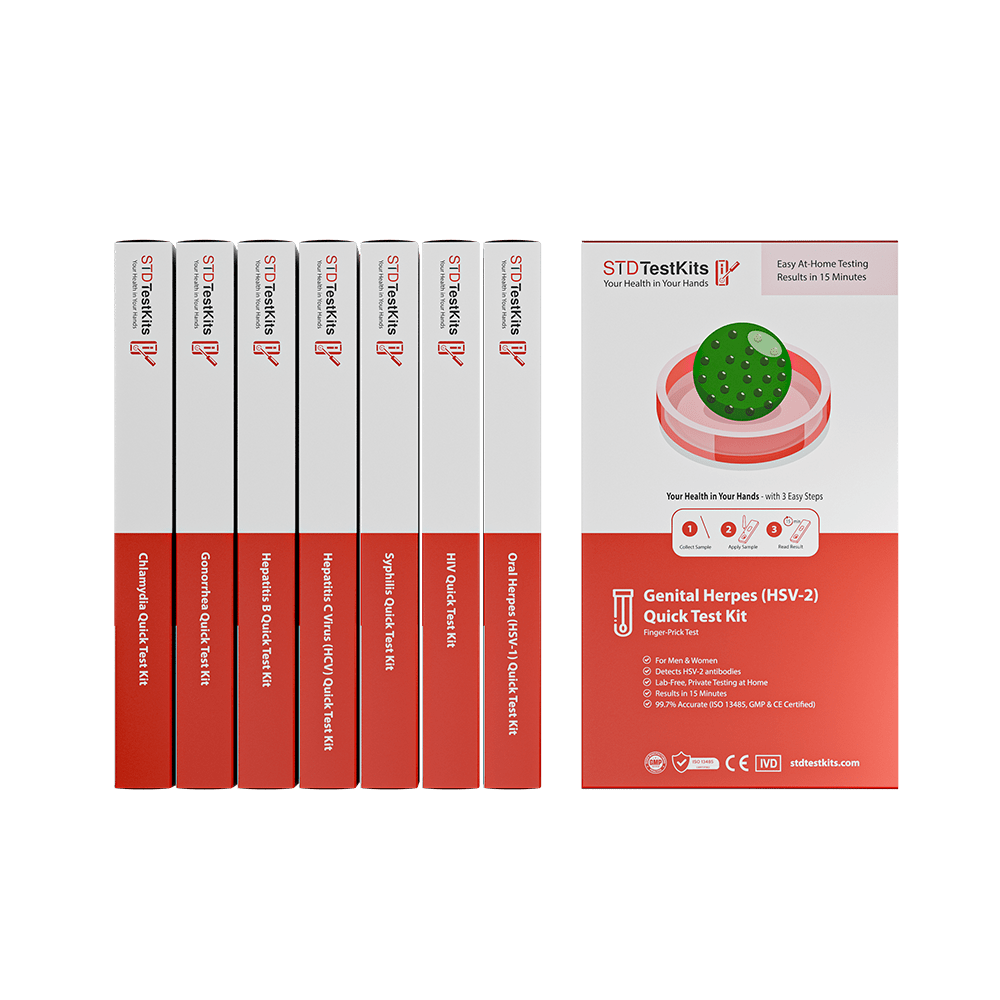
If you haven’t tested yet, or need to re-test with peace of mind, consider using an at-home kit that gives results in minutes, not days. This Combo STD Home Test Kit offers accurate results discreetly and privately, without the emotional delay.
Your body is not the enemy. Your fear isn’t weakness. And your choice to get tested? That’s courage.
After the Result: Why the Fear Doesn’t Always Go Away
You got the result. Negative. Everything should feel better, right?
But here’s the twist, many people don’t feel relieved. They feel confused. Still scared. Even angry at themselves. And that’s okay. Anxiety doesn’t care about logic. It cares about threat, and if you’ve been in a state of fear for days or weeks, your nervous system needs more than an email to calm down.
Negative results don’t erase trauma. They don’t dismantle shame. And they don’t automatically rebuild your trust in your body or your decisions. For some, that takes time. For others, it takes therapy, support groups, or just being honest with a friend: “I thought this would fix everything, but I still feel off.”
If you test positive, it’s another layer entirely. You might feel flooded. Or numb. Or like you’ve failed somehow, even though testing and knowing is the opposite of failure. That’s where care, not shame, needs to enter the picture.

People are also reading: Can You Get an STD from Oral or Toys? These Kits Can Tell You
STD Fear vs STD Shame: Not the Same Beast
Let’s break this down:
- Fear is about the unknown: “What if I have something?” “What if I gave it to someone?”
- Shame is about identity: “What does it mean if I do?” “Am I dirty?” “Will anyone want me?”
Fear often goes away with answers. Shame doesn’t. Shame lingers because it was planted long before the test, by health class, by purity culture, by bad exes, by jokes about “clean” partners. This article isn’t just about calming down while you wait, it’s about unlearning the idea that your worth can be undone by a virus.
STDs are common. Treatable. Human. You deserve to know your status without dreading what that means about who you are.
“I Wish Someone Had Told Me This Part”
We hear it all the time: “No one talks about how hard the wait is.” That silence makes you feel alone. It makes you think you’re the only one pacing, checking portals, spiraling at 3 a.m. But you’re not. If you’re reading this while waiting, know this: someone else out there is too. Maybe dozens. Maybe hundreds.
The system wasn’t built with your emotions in mind. But you’re allowed to feel everything you feel. You’re allowed to get tested and scared. To be responsible and overwhelmed. That doesn’t make you broken. It makes you human.
FAQs
1. Why does waiting for STD results feel like a full-blown crisis?
Because your brain hates uncertainty more than bad news. When you don’t know something, especially something with emotional weight, your body reacts like there’s a tiger in the room. Heart racing, stomach in knots, can’t-think-straight mode. It’s not just in your head. It’s your nervous system doing its (overzealous) job.
2. I got tested yesterday and now I can’t focus. Is that normal?
So normal it’s spooky. Your brain is on high-alert mode, trying to protect you from an unknown. That means obsessing, catastrophizing, Googling at 2 a.m., refreshing your portal like it owes you money. You’re not losing it, you’re reacting to silence with fear. That’s how humans are wired.
3. Can anxiety make the STD test wrong?
Nope. Stress might mess with your sleep and digestion, but it can’t fudge antibodies or swab results. Your test doesn’t care if you’re zen or spiraling, it’ll still pick up what it’s designed to detect. If the anxiety feels louder than logic, that’s when support helps.
4. I tested negative… so why do I still feel awful?
Because relief isn’t always instant. Your body just went through an emotional marathon. Sometimes even when the test says “you’re okay,” your nervous system is still catching up. Let it. Eat something. Breathe. Celebrate later if you want, but it’s okay if your brain needs a minute.
5. Is it weird that I feel ashamed just for testing?
weird. Just sad commentary on how badly we’ve stigmatized sexual health. Testing should feel like brushing your teeth, routine, no shame. But if you grew up with purity myths, fear-based sex ed, or judgmental partners, even doing the responsible thing can feel loaded. That’s not your fault.
6. Should I talk to someone about this or just tough it out?
Talk. Always talk. Even if it’s just “Hey, I’m kind of spiraling after testing and need to say it out loud.” Shame thrives in silence. You don’t need to over-explain or justify anything. Real friends will get it, or at least hold space while you sort it out.
7. Can I actually prepare emotionally next time I test?
Yes. You can remind yourself what happened last time. You can plan for distractions, support, shorter result windows (like using a rapid test), and even schedule therapy around it. Think of it like packing snacks before a long trip, you deserve comfort and prep.
8. What if I test positive, how do I not fall apart?
You’re allowed to fall apart, first of all. But also know: a positive result isn’t a moral failing. It’s a health status. One you can manage. You’ll still be lovable. You’ll still have a sex life. You’ll still be you. There are resources, meds, and partners who won’t blink. You’re not doomed. You’re just human.
9. Why does no one talk about how hard this part is?
Because we’re taught to whisper about sex, health, and anything that makes us vulnerable. But that silence? It’s exactly what keeps people suffering alone. This part is hard. But talking about it makes it less so. You’re not weird. You’re just ahead of the curve for saying it out loud.
10. What if I’m too embarrassed to buy a test at a store?
That’s totally valid, and easily fixable. You can order discreet at-home kits online that arrive in plain packaging, no awkward pharmacy moment required. The STD Test Kits site has combo kits you can do at home, no questions asked.
You’re Not Broken. You’re Brave. Let’s Finish What You Started.
If you’ve made it this far, let’s pause for a second: You took a huge step. You chose to face the unknown. You got tested, even though your brain screamed worst-case scenarios and your body didn’t feel safe. That’s not weakness. That’s courage in its rawest form.
This isn’t just about whether you’re positive or negative. This is about how we treat people in the space between. The silence. The shame. The anxious limbo that nobody warns you about. It’s time we stopped acting like testing is only physical. It’s mental. Emotional. Sometimes even spiritual.
And while you can’t always speed up results, you can choose tools that honor your peace. If the wait time is what’s breaking you, consider using an option that puts you back in control. Our Combo STD Home Test Kits gives you answers in minutes, not days, and lets you test discreetly, on your terms. No portal. No guesswork. Just truth, quickly.
Whatever your result is, it doesn't define you. You’re still deserving of intimacy, of calm, of health, and of being fully seen. The fact that you cared enough to test? That says more about your strength than any line on a lab report ever will.
Breathe. You’ve already done the hardest part.
How We Sourced This Article: We pulled insights from mental health research, STI medical guidelines, trauma literature, and lived experiences shared on support forums and clinical interviews. Around fifteen reputable sources informed the writing; below, we’ve highlighted some of the most relevant and reader-friendly sources.
Sources
1. Reddit r/STD – Lived Emotional Experiences
2. Getting Tested for STIs | CDC
3. Psychological health and well-being in patients with sexually transmitted infections | PMC
4. Triggers of self-conscious emotions in the sexually transmitted … | PMC
About the Author
Dr. F. David, MD is a board-certified infectious disease specialist focused on STI prevention, diagnosis, and trauma-aware care. He believes testing should come with truth, not fear, and that emotional safety matters as much as clinical accuracy.
Reviewed by: Marissa T. Lee, LCSW, CST | Last medically reviewed: October 2025