Is It Your Period or an STD? Signs You Shouldn’t Ignore
Quick Answer: Both periods and STDs can cause bleeding, cramps, discharge, or pain in the pelvic area, which is why they can look the same. They rarely send one neat signal at a time.
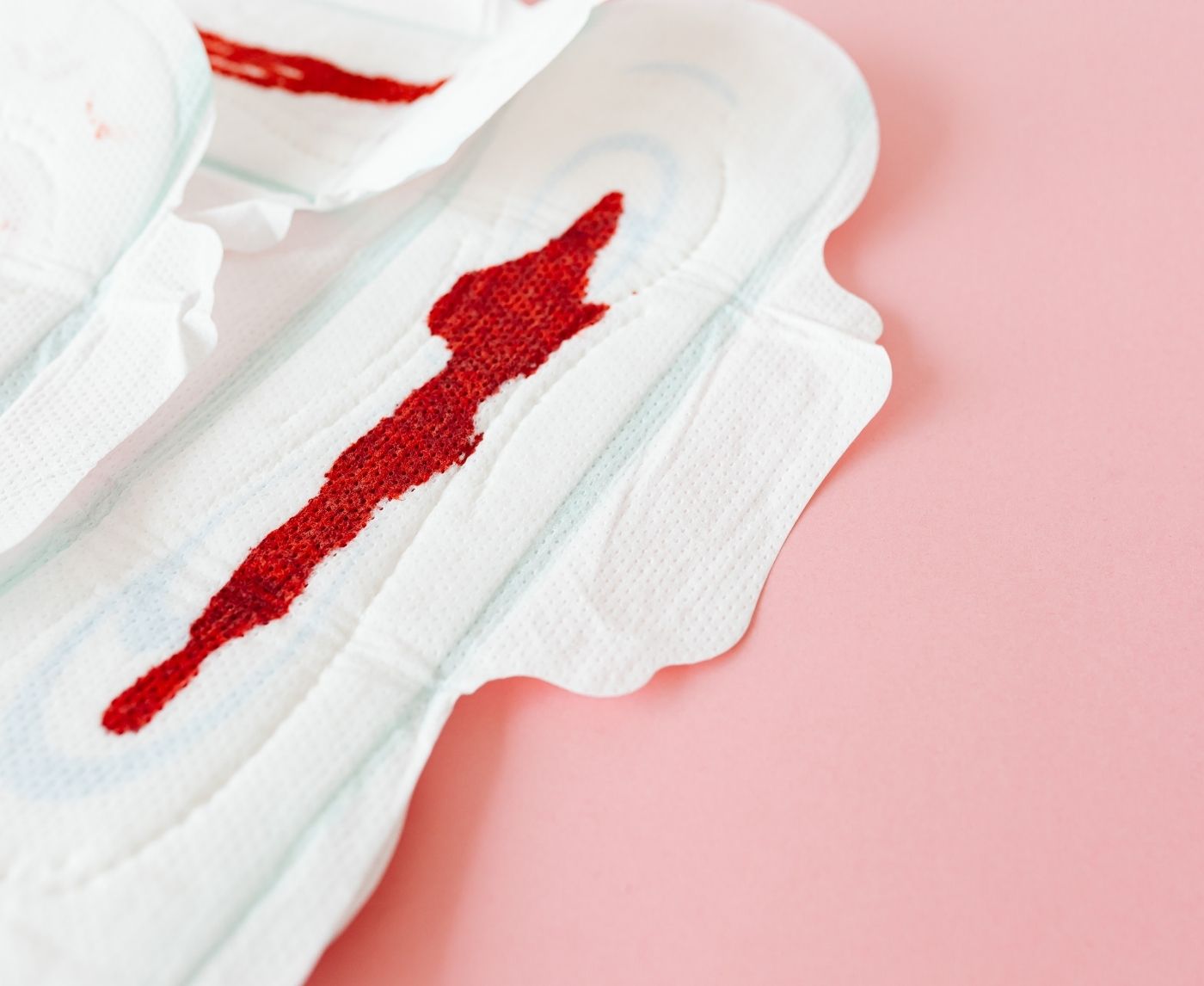
Quick Answer: Both periods and STDs can cause bleeding, cramps, discharge, or pain in the pelvic area, which is why they can look the same. Some things that make them different are when they happen, strange discharge, pain during sex or urination, and bleeding that isn't part of your normal cycle. If your symptoms seem strange or last longer than your period, the best way to get clear answers is to get tested for STDs.
The Awkward Overlap: Why Period Symptoms and STD Symptoms Get Confused
Human bodies are messy storytellers. They rarely send one neat signal at a time. Instead, symptoms often overlap in ways that make interpretation tricky, especially when hormones, infections, and stress all interact in the same part of the body.
Consider the experience many people describe around the start of their cycle. There may be cramping, lower abdominal pressure, fatigue, mood swings, and sometimes spotting before the full flow begins. These sensations feel normal if they follow a familiar pattern. But if even one detail changes, the mind starts connecting dots.
Sexually transmitted infections such as chlamydia, gonorrhea, and trichomoniasis can affect the cervix, uterus, and surrounding tissues. When these areas become inflamed, the body may respond with bleeding, unusual discharge, or pelvic pain. Those symptoms can easily masquerade as menstrual changes.
A college student named Alina once described the moment she realized something felt off during what she assumed was her period.
“I had cramps and spotting, so I figured my period was starting early. But the bleeding was lighter than usual, and there was this weird burning when I peed. That’s when I started thinking maybe it wasn’t just my cycle.”
Alina’s experience highlights a reality that sexual health experts see constantly: infections and menstrual cycles can blur together in ways that make symptoms difficult to interpret without context.
Understanding those patterns is the first step toward separating what’s normal from what deserves a closer look.
How Bleeding Patterns Can Reveal What’s Really Happening
Bleeding is often the symptom that causes the most confusion. People tend to assume that if they see blood around the time their period usually arrives, the explanation must be hormonal. In many cases that assumption is correct. But infections can cause bleeding patterns that look like or stop a normal cycle.
One key difference involves timing. Menstrual bleeding usually follows a predictable rhythm for each individual body. The overall pattern stays the same, but the cycles shift by a few days. Bleeding from an infection, on the other hand, usually happens at times that aren't easy to predict.
Another difference involves texture and duration. Period blood often begins with light spotting, builds into a heavier flow, and gradually tapers off. Infection-related bleeding frequently appears as irregular spotting, bleeding after sex, or light bleeding that lingers unexpectedly.
| Characteristic | Typical Period Bleeding | Possible STD-Related Bleeding |
|---|---|---|
| Timing | Occurs on a predictable cycle | Often appears between periods or after sex |
| Flow pattern | Starts light, becomes heavier, then tapers | Irregular spotting or unexpected light bleeding |
| Duration | Usually 3–7 days | May appear sporadically or persist unusually |
| Triggers | Hormonal cycle | Inflammation of the cervix or reproductive tissues |
If someone suddenly experiences bleeding after sex, spotting several days before their cycle, or bleeding that continues long after a period should have ended, clinicians often recommend testing for infections affecting the cervix.
That doesn't mean there is definitely an infection. Changes in hormones, stress, birth control, and conditions like fibroids can all make bleeding happen at odd times. But when sexual exposure and strange bleeding happen at the same time, testing gives you more information than guessing.
The Discharge Clue Many People Notice First
Discharge is one of the body’s most misunderstood signals. Vaginal discharge changes throughout the menstrual cycle as hormones rise and fall, which means variation is completely normal. It may become clear and stretchy around ovulation. It gets a little thicker before a period.
The challenge comes when infection changes the smell, color, or consistency in ways that feel unfamiliar.
Many people describe a moment of recognition when they realize something is different. A nurse named Elena once recalled a patient who came into the clinic convinced her period was approaching.
“She told me the cramps felt normal, but she kept noticing a yellowish discharge she’d never seen before. When we ran the test, it came back positive for gonorrhea.”
Changes in discharge can sometimes be the earliest sign of infection because bacteria irritate the lining of the cervix or vagina. This irritation triggers the body to produce fluid as a protective response.
| Feature | Typical Pre-Period Discharge | Possible STD-Related Discharge |
|---|---|---|
| Color | Clear or milky white | Yellow, green, or cloudy |
| Consistency | Slightly thick before a period | Thick, frothy, or mucus-like |
| Odor | Mild or neutral | Strong or unpleasant odor |
| Associated symptoms | Mild cramping or bloating | Burning urination, itching, pelvic pain |
These patterns don’t exist to scare anyone. Bodies constantly shift in response to hormones, hydration, stress, and diet. The goal is simply to notice when a change feels genuinely unfamiliar compared with your usual cycle.
When discharge changes appear alongside pelvic pain or burning during urination, clinicians often recommend screening for common infections like chlamydia or gonorrhea.
When Cramps Aren’t Just Cramps
Cramps are another symptom that easily hides an infection in plain sight. Menstrual cramps occur because the uterus contracts to shed its lining. Those contractions cause the familiar pain or pressure in the lower abdomen.
Infections in the reproductive tract can make you feel the same way, but the cause is different. The pain usually comes from inflammation or irritation in the cervix, uterus, or fallopian tubes, not from muscle contractions.
The difference is subtle but noticeable for many people once they start paying attention to timing and intensity.
One patient described her experience this way:
“My cramps usually start the morning my period begins. This time they started almost a week earlier, and they didn’t come with the normal heavy bleeding. That’s what made me go get checked.”
Pelvic discomfort that begins days before a cycle, continues after bleeding ends, or appears alongside fever or unusual discharge often deserves medical attention. These patterns can signal infections that require treatment before they spread further into the reproductive system.
Conditions such as pelvic inflammatory disease can develop if infections like chlamydia or gonorrhea remain untreated. Early testing prevents those complications and makes treatment straightforward.
The Quiet Reality: Many STDs Have No Symptoms At All
One of the most surprising truths about sexual health is how often infections remain silent. A large percentage of people with chlamydia or gonorrhea experience no noticeable symptoms at all, which means there may be nothing obvious to compare with a menstrual cycle.
Someone might go through several normal periods without realizing an infection is present. A few weeks later, they might see some light spotting or feel discomfort in their pelvis and think it's just a change in hormones.
This quiet phase is why public health experts emphasize routine testing. Symptoms can provide clues, but they are not reliable enough to confirm or rule out infection on their own.
Testing simply removes the uncertainty. Instead of interpreting every change in bleeding or discharge, people can rely on clear results that reveal what is actually happening.
People who want answers without having to go to a clinic can now test themselves at home, which is a lot easier. Many people like STD Rapid Test Kits because they can check their health without having to make an appointment, wait in line, or talk about it in an uncomfortable way.
Recognizing Patterns Your Body Usually Follows
Every month, your body goes through a cycle that tells a little story about how it works. People start to notice their own patterns over time, like how cramps feel, when spotting happens, how long bleeding lasts, and what kind of discharge comes with different parts of the cycle.
When something breaks that pattern, you usually notice it right away, even if you can’t quite explain why.
Think about someone who has been keeping track of their cycle for years. Their period usually starts one or two days after the date they thought it would. The first day has mild cramps and moderate bleeding, but the second day is worse.
Now imagine that same person noticing light spotting ten days early, followed by burning during urination and unusual discharge. Even without medical training, the shift in pattern would feel noticeable.
Listening to these patterns is one of the most reliable ways people learn to identify when something deserves attention.
A Simple Comparison of Symptoms That Often Overlap
| Symptom | Common During Period | May Indicate an STD |
|---|---|---|
| Cramps | Lower abdominal contractions during menstruation | Persistent pelvic pain not tied to cycle timing |
| Bleeding | Predictable monthly flow | Spotting between periods or after sex |
| Discharge | Clear or white changes during cycle | Yellow, green, or foul-smelling discharge |
| Urination discomfort | Usually absent | Burning or pain when urinating |
| Pain during sex | Occasionally mild during menstruation | Persistent or sharp pain linked to infection |
Tables like this are not meant to replace medical care. They simply illustrate patterns that clinicians often consider when evaluating symptoms.
Ultimately, the most reliable way to distinguish between menstrual symptoms and infection is testing. Bodies send hints, but laboratory results provide answers.
When Sex Changes the Picture
One of the moments that often makes people pause is when symptoms appear shortly after sex. Not always immediately, but soon enough to make the connection feel possible. A person might notice light spotting the next morning, or an unfamiliar soreness that lingers longer than expected.
Sex itself can sometimes cause mild irritation, especially if lubrication was limited or if the encounter was particularly vigorous. That kind of discomfort usually fades within a day or two. The body heals quickly when the issue is simple friction.
But infections tend to behave differently. When bacteria or parasites enter the reproductive tract, they can irritate delicate tissues inside the cervix and vagina. That irritation sometimes leads to bleeding after sex, pelvic tenderness, or discharge that appears hours or days later.
A clinic physician once described how often patients walk in with the same concern.
“People will say they thought it was just their period starting early, but the bleeding only happened after sex. That’s when we usually test for cervical infections like chlamydia or gonorrhea.”
This kind of bleeding doesn’t guarantee an infection is present. Cervical polyps, hormonal changes, or even minor tissue irritation can cause similar symptoms. But when bleeding after sex becomes a pattern, doctors almost always recommend screening.
Sexual health is not about blame or shame. It is about recognizing when the body might be asking for attention.
When Hormones Create Their Own Confusion
Hormones have a remarkable ability to change the way the reproductive system behaves. Throughout the menstrual cycle, estrogen and progesterone influence everything from cervical mucus to uterine contractions.
These hormonal shifts can sometimes produce symptoms that resemble infections even when no infection is present.
Someone who is about to ovulate may notice more discharge. Another person getting close to their period might feel mild pelvic pressure or irritation for a short time. Stress can also change hormone levels, which can lead to spotting or cycles that are late.
Because hormones change all the time, it's important to pay close attention to see the difference between hormonal changes and infections.
One useful thing to do is to pay attention to how quickly the symptoms go away. Hormonal changes usually stop when the cycle moves on to the next phase. Symptoms related to infection often last or get worse over time.
This is one of the reasons clinicians ask detailed questions about timing, sexual activity, and menstrual patterns during appointments. The answers help create a timeline that reveals whether symptoms follow hormonal rhythms or something else entirely.
Why Testing Removes the Guesswork
At some point, most people reach a moment where speculation becomes exhausting. They have compared symptoms, checked their cycle tracker, and replayed the timeline of recent events in their head. Yet the uncertainty remains.
This is where testing becomes empowering rather than frightening.
Testing gives you proof instead of guesswork. You don't have to wonder if bleeding is caused by hormones or an infection; a simple test can tell you if you have any common sexually transmitted infections.
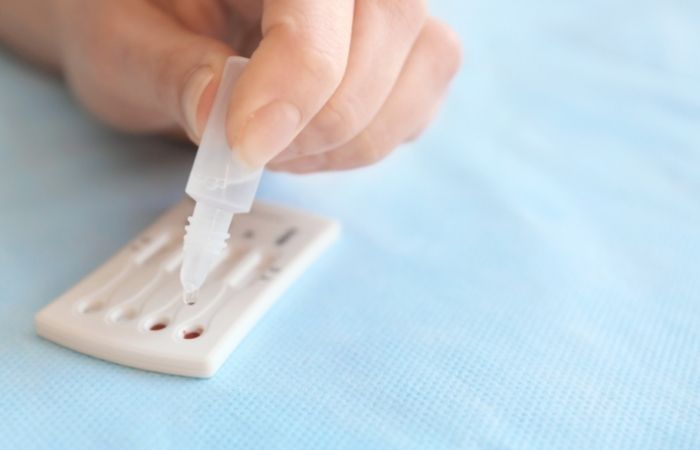
Many people choose private testing options like the Combo STD Home Test Kit, which can find several common infections at once. It shouldn't be too hard for people to take care of their sexual health, so the process should be private, easy, and quick.
Testing does not mean something is wrong. It simply means someone values clarity over uncertainty.
When someone is confused about their symptoms, STD testing gives them a clear answer, just like taking a pregnancy test when their period is late.
The Emotional Side of Symptom Confusion
It is impossible to talk about sexual health without acknowledging the emotional layer that accompanies it. Symptoms that involve the reproductive system often trigger anxiety, embarrassment, or fear.
People worry about judgment. They worry about what a partner might think. They worry about worst-case scenarios that may never happen.
This emotional response is understandable, but it often leads people to delay seeking answers.
The truth is much easier than the fear makes it seem. Sexually transmitted infections are common medical conditions. Millions of people experience them at some point in their lives, and most are easily treatable when detected early.
Instead of panicking, being curious about symptoms changes the whole experience. People don't have to jump to the worst-case scenario when they have strange symptoms; they can see them as information that needs to be looked into.
That shift from fear to curiosity is one of the most powerful tools in sexual health.
When to Take Symptoms Seriously
While many menstrual changes are harmless, certain patterns almost always warrant testing or medical advice. These situations often involve symptoms that fall outside the body’s usual rhythm.
Persistent pelvic pain that continues after a period ends, bleeding after sex, or discharge that carries a strong odor are all signals that clinicians investigate carefully. Burning during urination combined with spotting is another pattern that often prompts testing.
Sometimes the body sends several small signals at once rather than a single dramatic symptom. Mild cramps, light spotting, and unusual discharge together can tell a more complete story than any symptom alone.
Sexual health experts often emphasize a simple principle: if symptoms feel unfamiliar compared with your normal cycle, it is worth asking questions.
Testing provides those answers quickly and prevents minor infections from becoming more complicated.
Why Some STD Symptoms Appear Right Around Your Period
One of the reasons people confuse infections with menstrual symptoms is timing. Sometimes STD symptoms really do appear around the same time as a period. When that happens, it can feel almost impossible to separate the two.
The explanation usually has less to do with coincidence and more to do with how the body’s environment changes during the menstrual cycle. Hormones shift dramatically before and during menstruation. The cervix opens a little, the immune system changes, and the vaginal microbiome can change for a short time.
These shifts can make symptoms from an existing infection more noticeable.
A sexual health clinician once explained it in simple terms.
“A lot of people think their period caused the symptoms, when really the infection was already there. The hormonal changes just made the irritation easier to notice.”
That is why some people suddenly feel pelvic pain, notice unusual discharge, or see spotting during the days surrounding their cycle. The infection may have been there for weeks without any obvious signs. It was just brought to the attention of the public because of hormonal changes.
This timing confusion reinforces why relying only on symptom patterns can be misleading. Bodies rarely follow perfect timelines when infections are involved.
How Doctors Actually Evaluate These Symptoms
Clinicians don't usually jump to conclusions when someone comes to a clinic unsure if their symptoms are from a period or an infection. Instead, they start by asking a series of questions that are meant to put the events in order.
The first question often focuses on the menstrual cycle. When was the last period? How regular are cycles normally? Has anything changed recently, such as birth control or stress levels?
Then they focus on the timeline. When did the cramps begin? When did the spotting show up? Doctors will also ask about bleeding after sex and whether the discharge has changed in color or smell.
Sexual history also plays a role, but not in a judgmental way. It simply helps determine which infections might be possible and which tests would be most useful.
From there, testing becomes straightforward. Modern STD screening typically involves a simple swab or urine sample that can detect common infections quickly.
These tests are remarkably accurate. In many cases, results can identify infections long before symptoms become obvious.
The Quiet Risk of Ignoring Symptoms
Ignoring symptoms does not always lead to serious consequences. Many people delay testing for a short time simply because they assume symptoms are part of their cycle. In most cases, infections can still be treated successfully once discovered.
But certain infections can spread deeper into the reproductive system if they remain untreated for long periods. When bacteria travel from the cervix into the uterus or fallopian tubes, they can cause pelvic inflammatory disease.
This condition can lead to chronic pelvic pain or fertility complications if left untreated.
That possibility is why clinicians encourage testing whenever symptoms fall outside the usual pattern of a menstrual cycle. Early detection prevents small infections from becoming larger health problems.
In practical terms, the difference between early testing and delayed testing can simply mean the difference between a quick prescription and a more complex treatment process.
A Short Timeline That Often Helps People Decide
| Symptom Timing | What It Might Mean | Recommended Action |
|---|---|---|
| Bleeding exactly when your period usually begins | Likely menstrual cycle | Monitor normal symptoms |
| Spotting several days or weeks before your period | Possible hormonal shift or infection | Consider STD testing if sexually active |
| Bleeding after sex | Possible cervical irritation or infection | Testing recommended |
| Cramps with unusual discharge or burning urination | Possible infection affecting the cervix | Testing strongly recommended |
Tables like this are not diagnostic tools. They simply help illustrate patterns clinicians often see when evaluating symptoms.
If a person experiences symptoms that fall into the testing column, screening becomes a logical next step rather than a frightening one.
How At-Home Testing Changed the Conversation
Not long ago, STD testing usually required scheduling a clinic visit, waiting in a crowded room, and discussing symptoms face-to-face with a provider. While many people still choose that route, it was never the most comfortable option for everyone.
The rise of reliable at-home testing has made things very different. People can now check themselves out in private and get results without having to leave their homes.
This change has made it less embarrassing to get tested for STDs. People are more likely to check their health regularly when testing is as easy as ordering a kit online and following a few simple steps.
That accessibility makes a big difference for people who are dealing with confusing symptoms like spotting, cramps, or discharge.
They can quickly find out the answer instead of waiting weeks and wondering if their symptoms are related to their period or an infection.
The Bigger Picture: Sexual Health Is Part of Everyday Health
People often think of sexual health as something separate from general health, but it is really the same as dental care, mental health, and regular medical checkups.
People monitor blood pressure, cholesterol levels, and vitamin deficiencies without embarrassment. STD testing deserves the same practical approach.
Symptoms like unusual bleeding or pelvic discomfort are simply signals that the body is asking for attention. Sometimes those signals point to a normal menstrual change. Other times they reveal something that needs treatment.
Either outcome is valuable information.
The goal is not to avoid these conversations but to normalize them. When people view sexual health as routine healthcare rather than a source of shame, they are far more likely to take proactive steps.
FAQs
- 1. Can STD symptoms really feel like period symptoms?
- Absolutely, and that’s where a lot of the confusion starts. Someone might feel cramping, notice a little spotting, and think, “Okay, my period is coming.” Then the full period never arrives, or the discharge looks different than usual. Infections like chlamydia and gonorrhea can irritate the cervix in ways that mimic menstrual symptoms, which is why testing often becomes the only way to separate instinct from reality.
- 2. If I’m bleeding, doesn’t that mean it’s just my period?
- Not all the time. Bleeding during your period usually follows a certain pattern: it starts with light spotting, gets heavier, and then stops after a few days. If you have an infection, you could bleed at any time, like after sex or in the middle of your cycle. Your body is telling you that something else might be going on if the timing seems off or the flow isn't like your normal period.
- 3. How can I tell if spotting is normal cycle stuff or something like an STD?
- A good rule of thumb is to look at the company the spotting keeps. If it shows up alone right before your usual period, it’s probably hormonal. But if it arrives with unusual discharge, pelvic pain, or that annoying burning feeling when you pee, clinicians usually start thinking about infections that affect the cervix. Think of spotting as a clue, it rarely tells the whole story by itself.
- 4. Do STD cramps feel different from period cramps?
- Sometimes they do, but the difference is usually more about when than how strong they are. Menstrual cramps usually start when your period starts and go away as the flow slows down. Pain from an infection can happen at any time, even days before or after your period. People often say that it feels like a dull ache in their pelvis that doesn't go away.
- 5. Can an STD mess with your period cycle?
- It can, especially if the infection irritates the cervix or spreads upward into the reproductive system. Some people notice spotting between periods or cycles that suddenly feel unpredictable. But hormones, stress, travel, and changes in birth control can all cause the same thing. This is why doctors don't usually use cycle changes to figure out what's wrong.
- 6. Is it possible to have an STD and still get a completely normal period?
- Yes, and this surprises a lot of people. Many infections stay quiet for weeks or months without interfering with the menstrual cycle at all. Someone might have perfectly normal periods while an infection quietly hangs out in the background. That's why routine screenings are important, even when everything seems fine.
- 7. If symptoms show up right before my period, should I wait and see what happens?
- Sometimes waiting a few days makes sense, especially if the symptoms feel identical to your usual pre-period routine. But if the symptoms feel unfamiliar, maybe the cramps are sharper, the discharge smells different, or spotting appears earlier than expected, it’s worth checking in with a test rather than guessing. Your future self will appreciate the clarity.
- 8. What symptoms make doctors immediately think about STD testing?
- Certain combinations tend to raise eyebrows in a clinic. Bleeding after sex, pelvic pain that doesn’t follow a cycle pattern, discharge that turns yellow or green, or burning when urinating alongside spotting are all classic moments when clinicians recommend screening. None of these automatically mean an infection is present, but they’re strong enough clues that testing becomes the smart next move.
- 9. Can at-home STD tests really help when symptoms are confusing?
- They can, and that’s one reason they’ve become so popular. Instead of replaying every symptom in your head at midnight, an at-home test lets you check for common infections privately and quickly. Many people use them the same way they’d use a pregnancy test: not because they’re certain something is wrong, but because they’d rather know than keep guessing.
- 10. What’s the simplest rule for deciding whether to get tested?
- If your symptoms don’t behave like your usual cycle, that’s usually the signal. Bodies are creatures of habit, and most people know their patterns surprisingly well. When the rhythm changes, bleeding at strange times, cramps that feel unfamiliar, discharge that raises an eyebrow, that’s your cue to trade uncertainty for answers.
When Your Body Feels Off, Don’t Ignore It
Most people know their cycle better than they realize. You know how your cramps usually feel, how your period starts, how long it lasts, and what “normal” discharge looks like for your body. When something breaks that rhythm, a little spotting in the middle of the cycle, cramps that don’t follow your usual pattern, discharge that makes you pause, that moment of hesitation is worth listening to.
The goal isn’t to panic every time your body does something new. Bodies are messy and hormones are unpredictable. The goal is simply to notice when a symptom doesn’t behave like your usual period and give yourself permission to check it out.
If infection is even a small possibility, getting clarity early makes everything easier. A quick screen like the Combo STD Home Test Kit can help rule out common infections privately and quickly. When you remove the guesswork, you can focus on what actually matters, taking care of your health.
How We Sourced This Article: This guide is built on guidance from public health organizations and peer-reviewed research about sexually transmitted infections and menstrual health.We looked at clinical resources from the CDC, the NHS, and other major medical centers, as well as research on STI symptoms, unusual bleeding, and trends in reproductive health.The goal was to turn correct medical information into clear, stigma-free explanations that help people understand symptoms that are hard to understand.
- NHS: A Look at Sexually Transmitted Infections
- Planned Parenthood: Signs and Tests for STDs
- Mayo Clinic – Diseases Spread Through Sex Signs and symptoms
- World Health Organization – Sexually Transmitted Infections Fact Sheet
- American College of Obstetricians and Gynecologists – Abnormal Uterine Bleeding
- MedlinePlus – Sexually Transmitted Diseases Overview