You Can Now Test for Herpes Without a Doctor
Quick Answer: You can now test for herpes at home using FDA-cleared rapid kits, no doctor’s appointment required. Results are private, fast, and accurate when used at the right time. in the mirror.
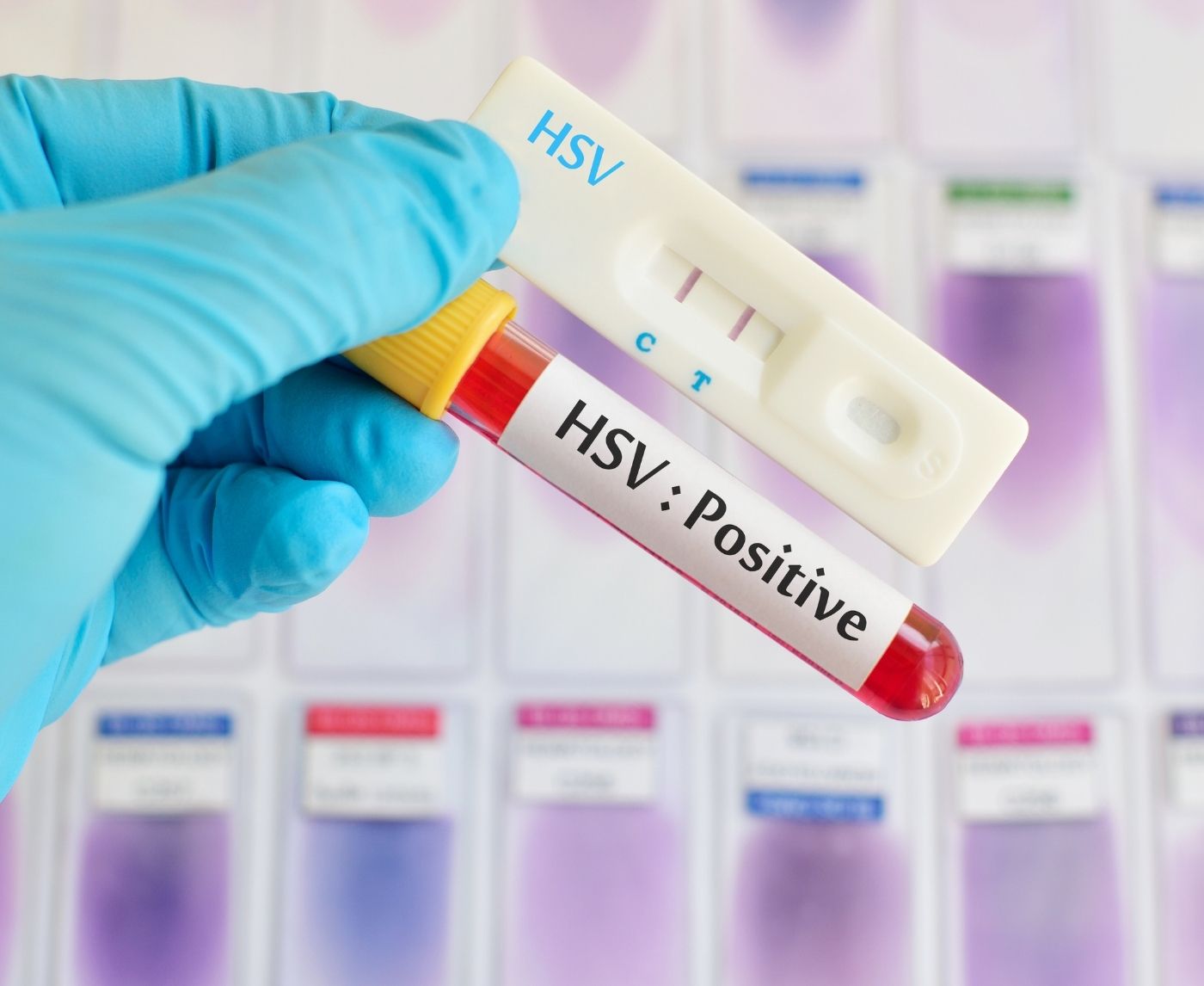
Quick Answer: You can now test for herpes at home using FDA-cleared rapid kits, no doctor’s appointment required. Results are private, fast, and accurate when used at the right time.
Who This Is For (Spoiler: Probably You)
Maybe you’re in a new relationship and want to be proactive. Maybe you’ve had a weird bump that comes and goes. Maybe your ex got tested and suddenly has “something to tell you.” Whatever your reason, you’re not alone, and you’re not screwed. At-home herpes tests are built for people who want answers without judgment, access without red tape, and privacy without compromise.
It’s not just for people without insurance or those avoiding clinics. It’s for anyone who’s felt that stomach-drop moment after a late-night scroll through Google images or a panicked “what is this on my lip?” in the mirror. You shouldn’t have to justify wanting peace of mind. And now, you don’t have to.
This guide breaks it all down: what kinds of herpes tests exist, when they work best, what they can (and can’t) tell you, and what to do if your results come back positive. Because herpes is common, but silence shouldn’t be.
What Counts as a Herpes Test (And What Doesn’t)
There’s no single “herpes test” that works for everyone in every situation. Depending on symptoms, timing, and what part of your body is involved, you might need a swab, a finger prick, or even a blood draw. Here’s the simplified breakdown:
Most at-home herpes test kits use one of two methods:
- Swab tests – These detect the actual herpes virus (HSV-1 or HSV-2) by collecting cells from a sore. They’re best used during an active outbreak.
- Blood (antibody) tests – These detect immune responses to herpes. They can pick up past infections, even if you never had symptoms.
Swab tests are great if you have a visible sore right now. But for many people, especially those who’ve never had symptoms, blood tests are more practical. At-home options typically use a small lancet to collect a blood sample from your finger, which you then apply to a test cassette or mail to a lab.
According to the CDC, type-specific blood tests for herpes can distinguish between HSV-1 and HSV-2 antibodies, which helps determine whether the infection is oral or genital, though keep in mind, oral HSV-2 and genital HSV-1 are also possible.
How At-Home Herpes Tests Work (And What’s Inside)
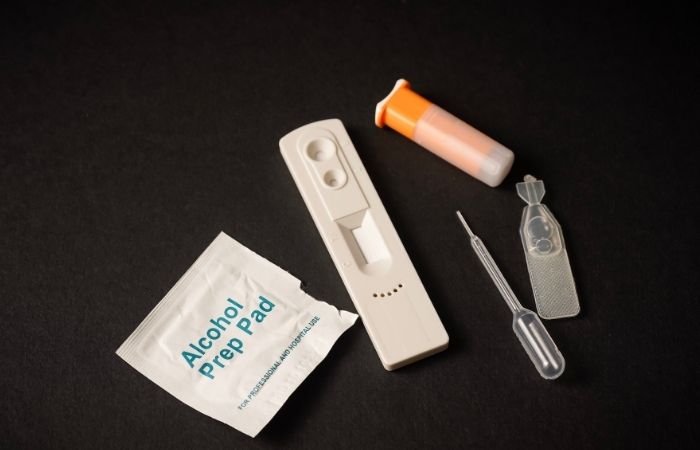
Imagine opening a small, plain package on your kitchen table. Inside, there’s a sealed pouch containing a test cassette, a lancet, a vial with a buffer solution, an alcohol swab, and a simple instruction sheet. That’s it. No appointment, no paperwork, no fluorescent waiting room with a name you don’t want to say out loud.
The process is straightforward: wash your hands, prick your finger, drop a small amount of blood into the cassette, add the buffer, and wait. In about 15 minutes, lines will appear, just like a pregnancy test, but for HSV-1 and HSV-2 antibodies. The results are for your eyes only.
It’s worth noting that most at-home rapid herpes tests are screening tools. They’re highly accurate when used properly and at the right time after exposure, but confirmatory testing may still be needed, especially for borderline results or faint lines. That’s true for all STD testing, including clinics.
If you’re someone who panics easily (and honestly, who doesn’t?), you’ll appreciate the privacy. You can reread the instructions ten times without anyone watching. You can cry, laugh, or call a friend right after, without worrying about who’s listening in the hallway.
Timing Matters: When to Take an At-Home Herpes Test
Let's be honest: most people want to take a test right after a scare. Like, "I saw a strange bump on Monday, and now it's Wednesday." Am I okay? Not so fast. Even if the test is good, testing too soon can make you feel safe when you shouldn't. Why? Because of a time frame known as the window period.
The window period is the time between getting the herpes virus and being able to test for it reliably. This can take a few weeks for blood tests. The test needs to wait until your body has made enough antibodies. That's why the Mayo Clinic and most other medical sources say to wait at least 3 to 6 weeks after being exposed to herpes to get tested for antibodies.
Here’s a breakdown of test timing, by method:
| Test Type | When to Use | Window Period | Accuracy Peaks |
|---|---|---|---|
| Swab (PCR or culture) | Visible sore or lesion present | Within 48 hours of sore appearing | Immediate during active outbreak |
| Rapid antibody test | No symptoms, recent exposure | 3–6 weeks post-exposure | After 6 weeks |
| Lab-based IgG test | Long-term status check | 4–12 weeks | 12+ weeks |
So what does that mean for you? If you just hooked up with someone a few days ago and now you’re spiraling, pause. Testing now may feel good in the moment, but you’ll likely need to retest later to be sure. If you’re already a few weeks past exposure, a rapid antibody test can give you valuable answers now, and help you plan next steps.
Are At-Home Herpes Tests Actually Accurate?
Short answer: yes, if you use the right test at the right time. Long answer: it depends on what kind of test you’re using, and what you mean by “accurate.”
Let’s get nerdy for a second. Accuracy in testing has two key parts:
- Sensitivity: how well the test picks up true positives (i.e., it catches real infections)
- Specificity: how well the test avoids false positives (i.e., it doesn’t say you have herpes when you don’t)
Many rapid tests for HSV-2 have a sensitivity above 92% and a specificity over 95% when used correctly and during the optimal window. That’s solid. According to a peer-reviewed study on HSV antibody tests, results improve dramatically after the 6-week mark post-exposure.
Still, no test is perfect. Faint lines on the test strip? Those can indicate early antibody development, borderline levels, or even a slightly expired reagent. If you get a confusing result, repeat the test in 2–3 weeks or follow up with a lab test. You’re not overreacting, you’re being thorough.
Order a reliable Herpes 1 & 2 Rapid Test Kit here, designed for fast answers and real privacy.
“I Didn’t Want to Talk to a Doctor. I Just Needed to Know.”
Jordan, 26, had been dating casually after a breakup. After an intense weekend with a new partner, he noticed a raw patch near his groin. No blisters, no burning, just irritation that wouldn’t go away.
“I Googled it so much my phone started suggesting herpes ads,” he said. “But I didn’t want to go to urgent care and be treated like I’d done something wrong.”
Instead, he ordered an at-home herpes test. “The box showed up two days later. Plain packaging, no weird labels. I waited until my roommate was out and did the test on my bathroom counter.” Fifteen minutes later, a faint second line appeared under HSV-2. “I panicked. I honestly didn’t believe it. So I tested again the next week. Same result.”
Jordan booked a telehealth appointment, got a confirmatory lab test, and was officially diagnosed.
“The truth hit hard. But the test? It gave me control. Without it, I would’ve waited, and maybe passed it to someone else. That’s what still messes with me.”
His story isn’t rare. For people navigating casual sex, emotional burnout, and stigma, at-home herpes tests aren’t just convenient, they’re the first step toward reclaiming control.
What If You Test Positive?
First: breathe. A positive herpes test isn’t the end of anything, it’s the start of being informed. Most cases of herpes are manageable, with or without visible symptoms. Some people never have an outbreak. Others have occasional flares. Either way, it’s not a moral failure, it’s a common virus that affects millions.
If you test positive using a rapid antibody test, you have a few options:
- Repeat the test in 2–3 weeks to confirm, especially if the line was faint.
- Book a lab test (IgG or PCR) through a local clinic or telehealth service.
- Talk to a provider about antiviral meds if you’ve had symptoms.
Partner notification is tough but doable. If you need help, services like Tell Your Partner offer anonymous messaging to reduce awkwardness while still doing the right thing.
You don’t need to put your sex life on hold forever. But this is a chance to recalibrate, with yourself, your boundaries, and your partners. And if you need to test again in the future, you know where to start: STD Test Kits has you covered.
How At-Home Testing Stacks Up Against Clinics and Labs
Still skeptical about the DIY route? Let’s compare apples to apples. Herpes testing has multiple pathways, each with pros and cons. Some people prefer the lab precision. Others value privacy above all else. Here’s how they stack up:
| Testing Method | Privacy | Speed | Accuracy | Cost |
|---|---|---|---|---|
| At-Home Rapid Test | Very high | 15 minutes | High (post-window) | Low–moderate ($) |
| Mail-In Lab Kit | High | 2–5 days | Very high | Moderate–high ($$) |
| Clinic Lab Test | Low–moderate | 1–7 days | Very high | Varies (insurance-dependent) |
If privacy and convenience top your list, the at-home route wins. If you’ve had multiple partners or need results for medical records, a lab test might be worth the wait. Either way, you’re not stuck. You have options, and the choice is yours.
FAQs
- 1. Can I really test for herpes at home without symptoms?
- You can, and frankly, you probably should if there’s even a whisper of a reason. Most herpes carriers don’t have visible symptoms, which is exactly why it spreads so easily. If you’ve had a scare, a new partner, or just a gut feeling, trust yourself. At-home tests pick up antibodies, not blisters, so no flare-up needed.
- 2. How soon after sex can I take a herpes test?
- That depends on the type of test. A blood-based rapid test? You’ll want to wait at least 3 weeks, ideally 6, for accuracy. Testing the day after the hookup might scratch the anxiety itch, but the results won’t mean much. Herpes takes its time to show up in your blood, so plan to test once, then maybe again later for backup.
- 3. Are these at-home tests actually accurate, or is it wishful thinking?
- They’re legit. Most rapid kits for HSV-2 hit 92–95% accuracy if used properly and during the right window. That’s solid. Not perfect, but neither is the doctor’s office. And you don’t have to explain your sex life to a clipboard.
- 4. What does it mean if I see a faint line on the test?
- Welcome to the gray zone. Faint lines can mean early-stage antibodies, borderline levels, or sometimes a test that was taken a bit too early. It doesn’t mean “definitely positive” or “definitely nothing.” If it freaks you out, wait 2–3 weeks and test again. Clarity is a process.
- 5. What’s the difference between HSV-1 and HSV-2?
- HSV-1 usually shows up around the mouth (cold sores), and HSV-2 is typically below the belt. But these days, thanks to oral sex and modern dating, the lines are blurry. Either strain can live in either location. The good news? Both are manageable, and both show up on quality at-home tests.
- 6. What if my test is positive and I’m freaking out?
- You’re allowed to freak out, for a minute. Then, take a breath. Herpes is common, treatable, and very livable. Reach out to a provider (telehealth works great), explore treatment options if needed, and loop in any recent partners. There’s no shame in being responsible. You’re doing the grown-up thing.
- 7. Can my insurance cover these test kits?
- Usually no, but if you’ve got an FSA or HSA card, you might be in luck. Most at-home test sellers will tell you at checkout if you can use it. Honestly though, even without coverage, many kits cost less than a night out or a single urgent care copay. Priorities.
- 8. I’ve had no symptoms ever. Could I still have herpes?
- Totally. In fact, that’s the norm. Most people with herpes don’t realize it because their symptoms are mild, irregular, or absent altogether. That’s why it’s called a “silent” infection. Silent doesn’t mean harmless, though, testing helps you know where you stand.
- 9. Is there a cure for herpes?
- Nope, but there’s treatment. Antivirals like valacyclovir can shorten outbreaks, reduce transmission, and calm your nervous system down. You don’t need daily meds unless you’re having frequent flares or planning to reduce transmission to a partner. Think of it as maintenance, not a sentence.
- 10. How do herpes bumps differ from other things down there?
- Herpes sores tend to be painful, cluster-like blisters that burst and scab. But here’s the tricky part: early herpes can look like razor burn, ingrown hairs, or even a paper cut. Don’t play dermatologist with your crotch. If you’re unsure, test. Better awkward than infected.
You Deserve Answers, Not Assumptions
Whether you’ve had a symptom scare, an exposed partner, or just a gut feeling, testing for herpes shouldn’t be embarrassing or complicated. Thanks to at-home test kits, it doesn’t have to be. You don’t need to justify yourself to anyone. You don’t need to make an appointment or explain your sex life to a stranger. You just need a plan, and the tools to act on it.
Don't wait and wonder. Order your Herpes 1 & 2 Rapid Test Kit here, it’s private, fast, and can give you the clarity you’ve been searching for.
How We Sourced This Article: We combined current guidance from leading medical organizations with peer-reviewed research and lived-experience reporting to make this guide practical, compassionate, and accurate. In total, around fifteen references informed the writing; below, we’ve highlighted some of the most relevant and reader-friendly sources.