No, It’s Not ‘Just a Cold Sore’ Oral Sex Can Transmit STDs Too
Quick Answer: Yes, you can get an STD from oral sex. Early signs include sore throat, mouth ulcers, swollen glands, and painful bumps. Many STDs show no symptoms at first, testing is the only way to know for sure.
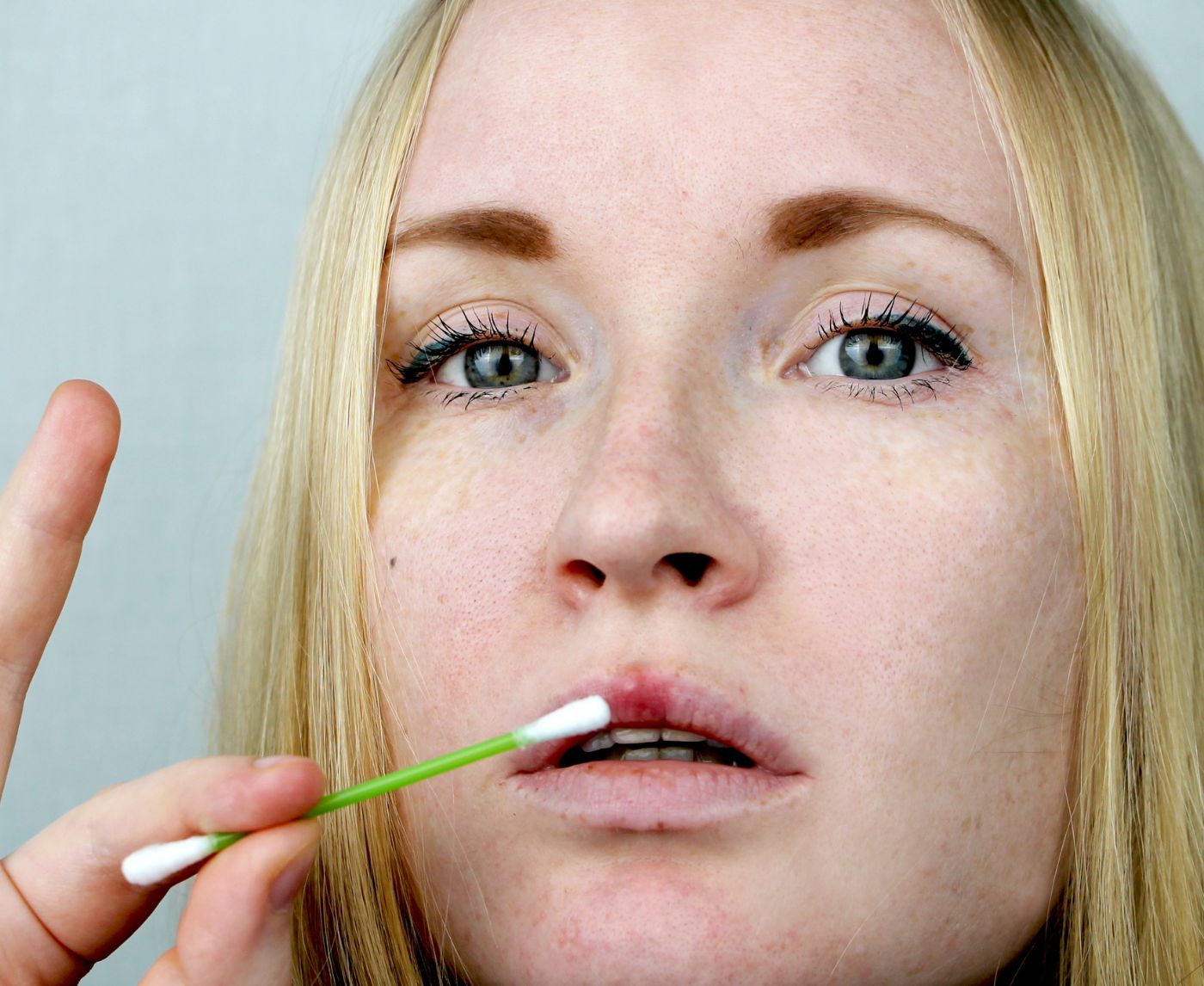
Quick Answer: Yes, you can get an STD from oral sex. Early signs include sore throat, mouth ulcers, swollen glands, and painful bumps. Many STDs show no symptoms at first, testing is the only way to know for sure.
Why This Article Matters (And Who It's For)
If you're reading this, you’ve probably Googled something like “STD after oral sex” or “is this just a cold sore?” Maybe you’re scared. Maybe you’re ashamed. Maybe you’re just trying to be responsible. This guide is for you.
We wrote it for the guy who woke up with a sore throat after a hookup. For the woman who noticed a bump on her tongue after a night out. For anyone who’s ever been told that oral sex is “safe”, but now has symptoms and no roadmap. Oral sex is real sex. It carries real risk. And the stigma around it makes people wait too long to get help. We're here to cut through the shame and bring the facts.
We’ll walk you through what symptoms to look for, what infections can show up from oral alone, how long it takes for signs to appear, how to test, and what comes next if you test positive. This isn’t about blame. It’s about getting clarity, care, and control, on your own terms.

The First Signs: When It’s More Than “Just a Cold Sore”
Most people expect a raging fever, a full-body rash, or some cinematic STD moment. But in reality, the early signs of oral STDs are often missed, misdiagnosed, or mistaken for other things like allergies, canker sores, or even spicy food reactions.
Here’s how the first signs often show up after oral sex, whether you gave, received, or both:
| Symptom | Possible STD | When It Might Appear |
|---|---|---|
| Painful sore or blister near mouth | Herpes (HSV-1 or HSV-2) | 2–12 days after exposure |
| Sore throat without cold symptoms | Gonorrhea, Chlamydia, Syphilis | 2–10 days after exposure |
| White patches or coating on tonsils/tongue | Gonorrhea, Syphilis, HIV | 7–21 days after exposure |
| Swollen lymph nodes under jaw | Syphilis, Herpes | 5–14 days after exposure |
| Burning sensation in mouth or throat | Chlamydia, Herpes | Varies, can be immediate to 2 weeks |
Figure 1: Oral symptom tracker by infection type. This isn’t a diagnostic table, it’s a starting point for testing decisions.
The hardest part? Some of the most common STDs that affect the mouth, like chlamydia and gonorrhea, don’t cause any symptoms at all in many people. You could feel perfectly fine and still be infectious.
“I Didn’t Even Swallow”: What Counts as Exposure?
This is where a lot of confusion, and shame, gets baked in. Many people assume that unless there was ejaculation, or unless they were “the one receiving,” they’re not at risk. That’s not how it works.
STDs can transmit through skin, saliva, pre-cum, and mucous membranes. That means giving oral sex, receiving it, or even just kissing in certain cases can carry risk. Here’s a quick breakdown of how transmission can happen:
| Activity | STD Risk | Why It's Risky |
|---|---|---|
| Giving oral sex (mouth on genitals) | Herpes, Gonorrhea, Chlamydia, Syphilis, HPV, HIV* | Mouth tissue absorbs infection from fluids or skin |
| Receiving oral sex (genitals to mouth) | Herpes, HPV, Syphilis | Throat or mouth infections can transmit to genitals |
| Deep kissing (with open sores) | Herpes, possibly Syphilis | If either partner has an active lesion |
Figure 2: Oral exposure risks by activity. HIV transmission through oral is rare but documented, especially with cuts or bleeding gums.
Bottom line: if fluids were exchanged, or if mucous membranes touched, there was a transmission opportunity. That doesn’t mean you were infected, but it does mean testing is wise.
How Soon Will Symptoms Show Up (If at All)?
Here’s the tricky part: symptoms don’t always appear, and when they do, they don’t follow a neat schedule. Every STD has its own incubation and window period. That means one infection might flare up in a few days, while another could lie low for weeks or never show symptoms at all.
That’s why relying on “feeling fine” isn’t enough. It’s also why so many people unknowingly pass infections to partners, because they don’t know they’re carrying anything.
Below is a window period guide that shows when each STD might show up on a test after oral exposure. If you’re considering testing, timing matters. Testing too early can give you false reassurance. Testing at the right time gives you answers you can trust.
| STD | Detectable On Test | Best Time to Test |
|---|---|---|
| Herpes (HSV-1/HSV-2) | Within 2–12 days (antigen) or 3–6 weeks (antibody) | 4–6 weeks after exposure (blood test or swab during outbreak) |
| Gonorrhea (oral/throat) | As early as 3–7 days | 7–14 days after exposure (NAAT swab or urine) |
| Chlamydia (oral/throat) | 5–14 days | 2+ weeks after exposure (NAAT swab or urine) |
| Syphilis | 3–6 weeks | 6+ weeks after exposure (blood test) |
| HPV (oral/genital) | Can incubate for months | Testing not routinely recommended unless symptoms (warts) |
| HIV | 10–33 days (RNA), 2–6 weeks (Ag/Ab) | 4–6 weeks post-exposure, retest at 12 weeks for confirmation |
Figure 3: Window periods after oral sex. Some tests can detect early, but retesting may be needed to confirm.
The Day 5 Dilemma: Testing Too Soon
Marcus, 31, hooked up with someone he met on vacation. It was fun, fast, and oral-only. He thought it was safe, until he woke up five days later with a raw throat and swollen lymph nodes.
“I Googled everything, strep, allergies, even monkeypox. But STD kept popping up. I didn’t think oral counted. I panicked and bought a test the same day.”
The test came back negative, but so did his peace of mind. Ten days later, the symptoms got worse. A second test, this time after the window period, confirmed oral gonorrhea. That first test was too early. It gave him false relief.
This happens all the time. People test early because they’re anxious. Totally understandable. But unless symptoms are severe, it's usually better to wait at least 7–14 days depending on the infection. If you do test early, plan to test again later. Peace of mind comes from timing and accuracy, not just action.
When to Test: A Symptom-Driven Decision Tree
If you’re trying to figure out when to test after oral sex, here’s how to think about it:
If you have symptoms now: You can test immediately. A positive result is likely accurate. A negative result might mean it’s too soon, retest in 1–2 weeks.
If it’s been less than 7 days: You can test, but results may not be reliable yet. Plan to test again after 2 weeks to be sure.
If it’s been 10–14 days: This is a strong window for most oral STDs like chlamydia and gonorrhea. Still no symptoms? Test to rule out silent infections.
If it’s been 3–6 weeks: This is your best window for catching syphilis, HIV, and herpes antibody results.
Not sure what kind of test to get? You can order a discreet combo kit here that checks for multiple infections with one simple collection.
Need to Know Now? Go Rapid
If your anxiety won’t wait and you need fast answers, STD Test Kits offers at-home oral and combo tests that ship discreetly and deliver results in minutes.
Whether you’re dealing with an active sore or just can’t sleep without knowing, there are options. This combo kit covers oral-compatible infections like gonorrhea, chlamydia, syphilis, and HIV. Use it when you're in that “I need to know now” space. You deserve answers, not anxiety.
What If You Test Positive After Oral Sex?
Let’s say the test comes back positive, for gonorrhea, syphilis, or even herpes. Your stomach drops. You feel gross, maybe ashamed. Stop right there.
Testing positive doesn’t mean you’re reckless, dirty, or broken. It means you were human, and now you have information. That’s powerful. Most oral STDs are treatable with a short course of antibiotics or manageable with medication. The sooner you know, the sooner you can start healing (and protect your partners too).
Depending on the infection, here’s what often happens next:
- Herpes: No cure, but antiviral meds can reduce outbreaks and transmission risk.
- Gonorrhea & Chlamydia: Easily treated with oral or injectable antibiotics.
- Syphilis: Early stages are curable with a single penicillin injection.
- HIV: Needs confirmatory testing. If positive, treatment today means undetectable = untransmittable.
You might need to go to a clinic or use a telehealth service for prescription access. Some home test companies also offer treatment connections. But the most important step is not freezing in fear, it’s following through.
How to Talk to a Partner (Without Losing Your Mind)
One of the hardest parts of oral-transmitted STDs? The emotional fallout. Maybe you feel like you need to confess something. Maybe you're unsure if it even “counts.” Here’s the truth: telling a partner about an STD is an act of respect, not shame.
You don’t have to give every detail. You don’t have to apologize for having a sex life. You can say:
“I just got tested and something came back positive. It might have been from before we hooked up, but I wanted you to know because I care.”
If that person shames you, they’re showing you who they are. If they thank you or ask questions, you’ve opened the door to real care. Either way, you did the right thing.
And if you’re not sure how to talk to them, some clinics offer anonymous partner notification services. Or you can link them to information like this article, it does some of the heavy lifting for you.
Do You Need to Retest?
In most cases, yes, especially if you tested early, didn’t have symptoms, or were treated recently.
Here’s how to think about retesting:
| Scenario | Recommended Retest Window |
|---|---|
| Tested before 7 days post-exposure | Retest at 2–3 weeks to confirm |
| Started antibiotics for gonorrhea/chlamydia | Retest in 3 weeks to ensure clearance |
| Positive herpes or HIV result | Follow up with confirmatory lab test |
| Ongoing exposure to new partners | Retest every 3–6 months or sooner if symptoms appear |
Figure 4: Retesting guidance based on timing, treatment, and exposure status.
Need clarity after treatment or confusion about your first test? You can order another discreet test whenever you’re ready. You’re not overthinking, you’re taking care of yourself.
Privacy, Discretion, and Taking Back Control
If part of what’s kept you from testing is fear that someone will find out, your roommate, your partner, your delivery guy, know this: at-home testing is private by design.
STD Test Kits come in unmarked packages. Results are not sent to your insurance or medical records. You get full control over who knows what, and when. And if you’re living in a rural area or off-grid? It still gets to you, fast, discreetly, and without a clinic trip.
Confidentiality isn’t a bonus. It’s built-in. Because your sexual health should be in your hands, not anyone else’s.
FAQs
- 1. Can you really get an STD from oral sex?
- Yep. And not just one, oral sex can pass herpes, chlamydia, gonorrhea, syphilis, HPV, and even HIV in some rare cases. It doesn’t matter who’s giving or receiving. If there’s skin-to-skin contact, fluids, or open tissue (like your throat or gums), the door’s open. It’s way more common than most people think, just nobody talks about it.
- 2. But it was just a sore throat… right?
- Maybe. Or maybe not. If you’ve recently had oral sex and your throat feels raw, tight, or swollen, especially without a cough or fever, it’s worth looking closer. Oral gonorrhea and chlamydia can show up like that, especially in the first week or two. People confuse it with allergies or strep all the time. That’s why testing matters.
- 3. Do cold sores mean I have herpes?
- Yes, cold sores are just a casual name for oral herpes (usually HSV-1). Most people catch it as kids from kisses or shared drinks, but you can absolutely pick it up during oral sex too. And yes, you can pass HSV-1 to someone’s genitals during oral. The virus doesn’t care what body part you’re using.
- 4. I didn’t swallow anything, am I still at risk?
- Totally. Swallowing has nothing to do with it. STDs spread through contact, not digestion. If your mouth touched someone’s genitals, or vice versa, that’s enough. Ejaculation doesn’t need to happen. Even pre-cum, friction, or a tiny open sore can transmit infections.
- 5. I tested negative five days after oral, am I good?
- Maybe. But probably not yet. Most tests don’t pick up infections that early, especially for syphilis and herpes. If it’s been less than a week, that test is more of a sneak peek than a final answer. Retest at the two-week mark, and again at 6 weeks for full clarity. You’re not paranoid, you’re just covering your bases.
- 6. What does an STD in the mouth actually look like?
- Sometimes it doesn’t look like anything. But when symptoms show, it might be white patches on your tonsils, small ulcers or blisters (especially near your lips or tongue), a funky taste, or swollen glands under your jaw. One guy described it as “like strep, but worse, and no fever.”
- 7. Can I still kiss someone if I have oral herpes?
- It depends. If you’re having an active outbreak (tingling, blister, scab), hold off, herpes spreads most during visible symptoms. But even without a sore, there’s something called “asymptomatic shedding,” where the virus can still pass. If you’re managing it with meds and you’re honest with your partner, many people navigate it just fine.
- 8. Should I tell my hookup I might’ve gotten something from them?
- Only if you care about preventing spread, which we’re guessing you do. It doesn’t have to be dramatic. Just shoot them a respectful message: “Hey, something came up on a test and I wanted to give you a heads up in case you want to get checked too.” Most people will appreciate it. And if they freak out? That says more about them than you.
- 9. How long do I have to wait before testing?
- Depends on the infection. Some things like gonorrhea can show up in 5–7 days. Herpes and syphilis can take 3–6 weeks. If you’re not sure when the exposure happened, a combo test at the 2–3 week mark is a good move, and follow up at 6 weeks if you’re still worried or symptoms show up later.
- 10. I’m scared someone will find out if I order a test. What do I do?
- Good news: you’re not alone, and you’re not out of options. At-home tests like the ones from STD Test Kits ship in plain, unmarked packaging. Nobody needs to know but you. You get full control over when to test, where to test, and what to do next. Private, fast, and judgment-free, just how it should be.
You Deserve Answers, Not Assumptions
If you're reading this with a lump in your throat, figurative or literal, you’re not alone. Oral sex isn’t “risk-free,” but it also doesn’t have to be terrifying. The first step isn’t panic. It’s clarity.
STDs caught from oral sex can be silent, subtle, or totally invisible. That’s why testing isn’t just responsible, it’s relief. A way to stop spiraling and start healing. And you don’t need a doctor’s appointment to do it.
Order a test, breathe, and remember: this isn’t about shame. It’s about taking your power back. This discreet at-home combo kit checks for common oral STDs and gets you answers fast.
How We Sourced This Article: We combined current guidance from leading medical organizations with peer-reviewed research and lived-experience reporting to make this guide practical, compassionate, and accurate. In total, around fifteen references informed the writing; below, we’ve highlighted some of the most relevant and reader-friendly sources.