Pain During Sex STD Warning Signs People Ignore
Quick Answer: Pain during sex can be a warning sign of an STD, especially if it’s new, worsening, or paired with pelvic pain, urethral burning, or lower abdominal discomfort. “Maybe I wasn’t turned on enough.”

Quick Answer: Pain during sex can be a warning sign of an STD, especially if it’s new, worsening, or paired with pelvic pain, urethral burning, or lower abdominal discomfort. Infections like Chlamydia, Gonorrhea, and Herpes can cause painful intercourse even when no other symptoms are obvious.
When “It Just Hurts” Isn’t Random
Most people try to explain it away the first time. “Maybe I wasn’t turned on enough.” “Maybe it’s friction.” “Maybe I’m stressed.” And yes, sometimes pain during sex is about lubrication, positioning, or tension.
But when pain shows up out of nowhere, especially after a new partner or unprotected sex, your body might be signaling inflammation or infection. That’s not dramatic. That’s biology. When the cervix, urethra, prostate, vaginal canal, or surrounding pelvic tissue becomes inflamed, penetration can feel sharp, raw, or deeply uncomfortable.
Here’s the part people miss: STDs don’t always announce themselves with discharge or sores. Sometimes the only clue is that sex suddenly hurts.
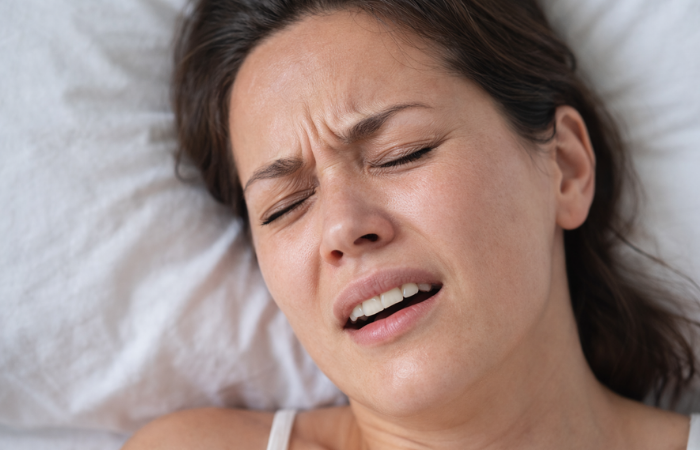
The Different Kinds of Pain (And What They Can Mean)
Not all pain during intercourse feels the same. And the type of pain can tell us something important about what’s happening underneath.
| Type of Pain | What It Feels Like | Possible STD Connection |
|---|---|---|
| Urethral Pain | Burning or stinging during penetration or urination afterward | Chlamydia, Gonorrhea, early Herpes |
| Deep Pelvic Pain | Sharp or aching sensation with deeper thrusting | Pelvic inflammatory disease (often from untreated Chlamydia or Gonorrhea) |
| Cervical Pain | Pain when cervix is contacted during intercourse | Cervicitis from Chlamydia or Gonorrhea |
| External Rawness | Stinging, tenderness, small cuts or irritation | Herpes (even before visible sores) |
| Testicular or Prostate Ache | Dull ache during or after sex | Urethral infections including Gonorrhea |
Figure 1. Different pain patterns during sex and potential STD-related causes.
Pain location matters. Timing matters. Whether it happens every time or just once matters. And whether it started after a specific encounter definitely matters.
“There’s No Discharge, So I’m Fine.” (Not Always.)
One of the most dangerous myths about STDs is that they’re obvious. That you’ll see something. Smell something. Notice something dramatic.
But according to the CDC’s STD surveillance data, many infections, especially Chlamydia, are frequently asymptomatic. That means no discharge. No rash. No fever.
Just inflammation.
And inflammation, during sex, feels like pain.
That’s why people miss it. They wait for something more visible. Meanwhile, untreated infections can travel upward, affecting fallopian tubes, the uterus, or prostate tissue, sometimes leading to complications like pelvic inflammatory disease. The Mayo Clinic explains that PID can develop silently before causing deeper pelvic pain.
Sometimes painful sex is the early whisper before the louder consequences.
“I Thought It Was Just Friction”
Ashley, 27, noticed a sharp pain during deep penetration about two weeks after sleeping with someone new. There was no unusual discharge. No smell. No itching.
“It didn’t feel like a UTI. It just felt like my cervix was bruised. I figured I wasn’t relaxed enough.”
The pain didn’t go away. It intensified. She finally got tested, positive for Chlamydia. No other symptoms.
“If sex hadn’t started hurting, I would have never known.”
This is common. And it’s exactly why pain during sex should never be ignored when it’s new or unexplained.
STD vs UTI vs Yeast: Why It’s So Easy to Confuse Them
Burning during sex? Could be friction. Could be a yeast infection. Could be a urinary tract infection. Could be an STD.
The symptoms overlap, and that overlap keeps people guessing instead of testing.
| Condition | Pain During Sex? | Burning With Urination? | Discharge Changes? |
|---|---|---|---|
| Chlamydia | Yes | Sometimes | Often mild or none |
| Gonorrhea | Yes | Common | Possible |
| UTI | Sometimes | Common | No |
| Yeast Infection | Yes (surface pain) | Rare | Thick, white discharge |
Figure 2. Overlapping symptoms that make diagnosis without testing unreliable.
This is why guessing is risky. The only way to know whether painful intercourse is infection-related is testing. Not Googling. Not waiting. Not hoping.
When the Pain Shows Up After a New Partner
If sex becomes painful after a new sexual partner, even if protection was used, that timing matters. Condoms reduce risk dramatically, but they don’t eliminate it entirely. Skin-to-skin infections like Herpes can spread even without visible sores.
Window periods also matter. Testing too early can give a false sense of security. Many infections become reliably detectable between 7–14 days after exposure, though some require longer. If you’re unsure about timing, you can explore discreet options at STD Test Kits to understand when and how to test.
You deserve clarity, not guessing games.
Why Pain in All Genders Gets Dismissed
People with vaginas are often told painful sex is “normal.” People with penises are told they’re “overthinking it.” Both are wrong.
Urethral pain in men is frequently brushed off as irritation. Deep pelvic pain in women is often blamed on stress or hormones. But inflammation doesn’t care about gender stereotypes. It follows exposure and biology.
If something changed, especially suddenly, that’s not random. That’s information.
How STDs Actually Cause Pain During Sex
Pain during sex doesn’t come out of nowhere. It comes from inflammation. And inflammation is your immune system reacting to something it believes shouldn’t be there.
When bacteria or viruses infect the urethra, cervix, prostate, rectum, or pelvic organs, they trigger swelling and microscopic tissue damage. That swelling makes friction feel sharper. That irritation makes pressure feel deeper. And penetration, something that once felt neutral or pleasurable, suddenly feels wrong.
Let’s break down the infections most commonly linked to painful intercourse.
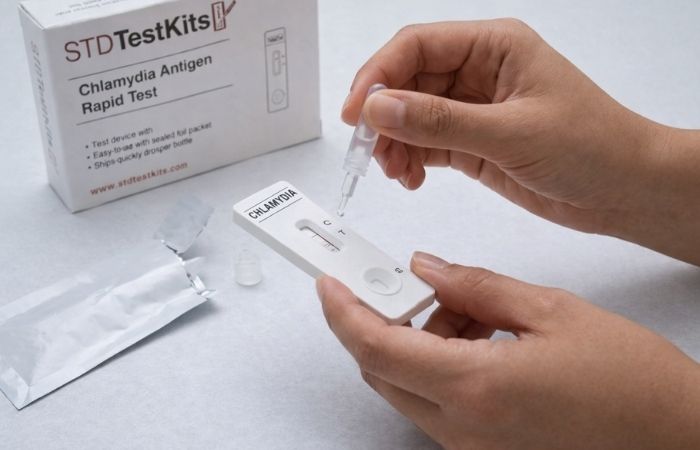
Chlamydia
Chlamydia is often called a “silent” infection because many people have no obvious discharge or visible symptoms. But silent does not mean harmless.
According to the CDC’s clinical overview of chlamydia, infection can inflame the cervix (cervicitis) or urethra, causing tenderness and discomfort during intercourse. In people with uteruses, deeper pain during thrusting can be an early sign that the infection is moving upward.
In people with penises, urethral inflammation may cause a burning or stinging sensation during sex, even if urination feels mostly normal.
Timing matters. Symptoms, when they appear, often show up 7–14 days after exposure. But some people only notice pain weeks later.
Gonorrhea
Gonorrhea behaves similarly to chlamydia but can cause more noticeable irritation. Urethral burning, pelvic pressure, or soreness during ejaculation can all occur.
The World Health Organization notes that untreated gonorrhea can lead to pelvic inflammatory disease (PID) or epididymitis, both of which may cause deeper pain during sexual activity.
The tricky part? Some cases remain mild. No dramatic discharge. No fever. Just a subtle “this feels different” moment during sex.
That subtle shift is worth listening to.
Herpes
Many people assume Herpes only causes pain when blisters are visible. But early outbreaks often start with nerve-based tenderness before sores appear.
The Mayo Clinic describes prodrome symptoms, tingling, sensitivity, or burning, that can precede visible lesions. During this phase, friction during sex may feel raw or sharply uncomfortable.
Some individuals mistake this for irritation or a yeast infection. But if pain is paired with localized sensitivity, especially after a new partner, herpes testing should be considered.
When Pain Signals Something More Serious: Pelvic Inflammatory Disease
Pelvic inflammatory disease (PID) is not an STD itself, it’s a complication. It happens when untreated infections like Chlamydia or Gonorrhea travel upward into the uterus and fallopian tubes.
Deep pelvic pain during sex is one of the hallmark warning signs. The NHS explains that PID may cause lower abdominal pain, discomfort during intercourse, and abnormal bleeding.
This is where ignoring pain becomes risky. Early testing prevents long-term complications like infertility or chronic pelvic pain. The earlier you identify infection, the easier it is to treat.
Urethral Pain in Men: Often Overlooked
When people with penises experience discomfort during sex, they’re often told it’s mechanical. Too much friction. Not enough lubrication. Temporary irritation.
But urethral inflammation from Chlamydia or Gonorrhea can cause sharp stinging during penetration or ejaculation. According to research published in the journal Sexually Transmitted Diseases, urethritis is one of the most common clinical manifestations of bacterial STIs.
If pain is new, persistent, or paired with mild discharge or testicular ache, it’s not something to dismiss.
“But It Only Hurts Sometimes.” Does That Still Count?
Yes.
Inflammation fluctuates. Hormones fluctuate. Arousal levels fluctuate. An infection can feel more noticeable some days and barely detectable on others.
Intermittent pain does not mean imaginary pain.
If sex sometimes burns or aches when it didn’t before, that pattern deserves attention.
When to Test After Pain Starts
If pain during sex began after a specific encounter, timing your test matters for accuracy. Most bacterial STDs are reliably detectable about 7–14 days after exposure. Testing earlier may require a follow-up test for confirmation.
If the pain has been ongoing for more than two weeks, testing now is appropriate. Waiting longer does not improve outcomes, it only extends uncertainty.
Discreet options are available, including at-home combo kits that screen for common infections in one go. For example, the 6‑in‑1 At‑Home STD Test Kit checks for multiple bacterial STDs privately and quickly, helping you move from guessing to knowing.
You don’t need dramatic symptoms to justify testing. Pain alone is enough reason.
“It Wasn’t Intense. Just Different.”
Marcus, 31, described it as a “micro-burn” during sex, not severe, just unfamiliar. There was no discharge. No visible rash.
“I almost convinced myself it was in my head. But it kept happening.”
He tested three weeks after a new partner. Positive for Gonorrhea. Treated quickly. Pain resolved within days.
“The test took less time than the worrying.”
What Pain Does NOT Automatically Mean
Pain during sex does not automatically equal an STD. It can also result from hormonal shifts, endometriosis, prostate conditions, pelvic floor tension, or lack of lubrication.
But ruling out infection is step one, because it’s measurable, treatable, and time-sensitive.
Testing isn’t an accusation. It’s information.
If Your Test Is Positive: Don’t Spiral, Start Here
Take a breath.
A positive STD result can feel like your stomach just dropped through the floor. Shame rushes in fast. Questions get loud. But medically? Most common bacterial STDs are treatable. Some viral infections are manageable. And none of them define your worth, your cleanliness, or your future.
If painful sex led you to test, and that test came back positive, the pain did its job. It alerted you. It gave you a chance to act early.
Step One: Confirm and Treat Quickly
Bacterial infections like Chlamydia and Gonorrhea are typically treated with antibiotics. According to the CDC STD Treatment Guidelines, early treatment prevents complications like pelvic inflammatory disease or epididymitis.
If you used an at-home kit, follow up with a healthcare provider if confirmatory testing is recommended. Some rapid tests are highly accurate, but medical confirmation may still be advised depending on the infection.
Most importantly: avoid sexual activity until treatment is completed and clearance timelines are met. Not as punishment, but as protection.
Step Two: Tell Your Partner (Without Self-Blame)
This part scares people more than the infection itself.
But here’s the truth: STDs are common. The CDC estimates millions of new infections every year. Many are asymptomatic. Transmission doesn’t require recklessness, just contact.
You don’t need a dramatic speech. You need clarity and calm:
“Hey, I got tested because I was having some pain. It came back positive for chlamydia. I’m getting treated, but you should get tested too.”
That’s it. No confession. No character defense. Just care.
If Your Test Is Negative, But Sex Still Hurts
A negative STD test can bring relief, but if pain continues, you still deserve answers.
There are several possibilities worth exploring:
| Possible Cause | What It Might Feel Like | Next Step |
|---|---|---|
| Pelvic Floor Tension | Deep aching or tightness during penetration | Pelvic floor physical therapy consultation |
| Endometriosis | Sharp deep pelvic pain | Gynecological evaluation |
| Prostatitis | Dull ache or pressure during ejaculation | Urology assessment |
| Hormonal Changes | Dryness or irritation | Discuss lubrication or hormone therapy with provider |
Figure 3. Non-STD causes of painful sex that still deserve medical attention.
Testing negative does not mean the pain is “in your head.” It means infection has been ruled out, and that’s progress.
When to Retest
If you tested within the first week after exposure, consider retesting at the two-week mark for bacterial infections. Testing too early can miss infections still in their window period.
If you completed treatment for Chlamydia or Gonorrhea, retesting is typically recommended about three months later to ensure no reinfection has occurred, as noted in CDC follow-up guidance.
Retesting is not paranoia. It’s good sexual health maintenance.

FAQs
- 1. Can pain during sex really be the only sign of an STD?
- Yes, and that’s what makes it tricky. Not every infection comes with dramatic discharge, obvious sores, or a flashing red warning light. Sometimes the only clue is that sex suddenly feels sharp, sore, or “off.” If your body changed and you can’t explain why, that’s enough reason to look into it.
- 2. How do I know if it’s just friction or something more serious?
- Friction pain usually improves with lubrication, slower pacing, or rest. Infection-related pain tends to linger, return, or feel deeper, like pressure in the pelvis or a sting inside the urethra. If you’re adjusting everything and it still hurts, your body may be signaling inflammation, not dryness.
- 3. It only hurt once. Should I still worry?
- One uncomfortable experience doesn’t automatically mean infection. But if it was new, intense, or followed a new partner, it’s worth paying attention. Think of it like a smoke alarm, one chirp might be nothing. Repeated chirps? Time to check the batteries.
- 4. Can men have painful sex from STDs even without discharge?
- Absolutely. Urethral infections can cause subtle burning or stinging during penetration or ejaculation without obvious discharge. Many men ignore it because it’s mild. Mild doesn’t mean harmless.
- 5. What does pelvic inflammatory disease pain actually feel like?
- People describe it as a deep, internal ache. Sometimes it’s sharp during deeper thrusting. Sometimes it feels like pressure low in the abdomen that wasn’t there before. It’s different from surface irritation, it feels internal and persistent.
- 6. If I test negative, am I done worrying?
- You’re done worrying about infection, and that’s powerful. But if pain continues, you still deserve answers. Pelvic floor tension, endometriosis, prostatitis, and hormonal dryness are real conditions. Ruling out STDs is step one, not the end of the story.
- 7. Can herpes hurt before blisters show up?
- Yes. Some people feel tingling, sensitivity, or rawness a day or two before visible sores appear. During that window, friction can feel surprisingly uncomfortable. If pain feels localized and unusually tender, don’t ignore it.
- 8. How long should I wait to test after painful sex?
- If pain followed a specific encounter, most bacterial STDs are detectable around 7–14 days later. Testing too early can miss infections still developing. If it’s already been two weeks, now is a reasonable time.
- 9. Is it dramatic to test just because something felt “different”?
- Not at all. You are allowed to respond to changes in your body. Testing isn’t an accusation, it’s data collection. Confident people test. Responsible people test. Curious people test.
- 10. Will sex feel normal again if it was infection-related?
- In most cases, yes. Once bacterial infections are treated, inflammation subsides and discomfort resolves. If pain lingers after treatment, follow up, not because something is wrong, but because your comfort matters.
Protecting Yourself Moving Forward
Once pain has shown up in your sexual experience, awareness changes. That’s not a bad thing.
Condoms reduce bacterial STD transmission significantly. Regular screening after new partners keeps infections from progressing silently. And testing at the first sign of unusual pain prevents long-term complications.
If you want privacy and speed, you can explore options through STD Test Kits and choose a test that fits your situation discreetly.
Your results are information, not identity.
How We Sourced This Article: This guide was built using current clinical guidance from the CDC, WHO, NHS, and Mayo Clinic, along with peer-reviewed research from infectious disease journals and lived-experience reporting. Approximately fifteen medical and narrative sources informed the analysis, with six of the most relevant listed below. Every external link was verified to ensure it leads to a reputable medical authority and opens in a new tab for transparency.