Pain in Your Balls After Ejaculation Heres What It Could Mean
Quick Answer: STDs like chlamydia or gonorrhea can cause pain in the testicles after sex, but so can epididymitis, physical strain, or even problems with blood flow that only last a short time.

Quick Answer: STDs like chlamydia or gonorrhea can cause pain in the testicles after sex, but so can epididymitis, physical strain, or even problems with blood flow that only last a short time. The only way to be sure you don't have an infection is to get tested.
Who This Article Is For (And Why It Matters)
This guide is for anyone with a penis who's felt that unsettling ache down low after sex, whether it came on suddenly, built up slowly, or seems to come and go. Maybe you had unprotected sex. Maybe your partner says they're clean. Maybe it happened after oral. Regardless of how you got here, you're probably wondering: “Is this normal… or is something wrong with me?”
It matters because testicular pain isn’t just about discomfort. It can be a signal, of infection, inflammation, or something mechanical like a hernia or torsion. But when STDs are involved, the stakes are different. Silent infections like chlamydia can cause permanent damage if ignored, and symptoms don’t always scream “urgent.” That’s why knowing the real causes, and when to test, is a form of self-protection, not paranoia.

The Possible Culprits: STD vs Not an STD
First, let’s split this into two broad categories: pain caused by sexually transmitted infections, and pain caused by non-infectious or non-STD conditions. Some overlap, but this breakdown can help you narrow things down based on your specific symptoms, timing, and risk factors.
| Possible Cause | STD-Related? | Typical Symptoms | When to Suspect |
|---|---|---|---|
| Chlamydia | Yes | Mild or no discharge, dull ache, burning when peeing | Unprotected sex in last 2–3 weeks |
| Gonorrhea | Yes | Thick discharge, ball pain, possible fever | Partner tested positive or symptoms escalated quickly |
| Epididymitis | Sometimes | Swollen testicle, tender to touch, maybe redness | Can be STD-related or from non-sexual infection |
| Blue Balls (Vasocongestion) | No | Achy, heavy sensation without redness or discharge | After prolonged arousal without ejaculation |
| Testicular Torsion | No | Sudden, severe pain, nausea, swelling | Emergency, can happen anytime, not linked to STDs |
Figure 1. Common causes of post-sex testicle pain, with an STD vs non-STD comparison.
“It Was Just Oral… But Then the Ache Started”
Damon, 27, hooked up with a new partner over a weekend trip. “It was only oral,” he said. “We didn’t even finish the whole way.” A few days later, he noticed a slow-building pressure in his left testicle that felt like soreness, not sharp pain. “No discharge, no fever. Just weird aching.” A clinic visit confirmed epididymitis, in his case, likely from a chlamydia infection caught through oral sex.
“I thought oral was low-risk. No one talks about this kind of pain being an STD.”
Damon’s story isn’t rare. Oral sex can transmit infections, and the testicles are sometimes where symptoms surface. That’s why symptom-based testing, especially when something feels off, isn’t about panic. It’s about catching the signal before it gets worse.
How STDs Like Chlamydia and Gonorrhea Affect the Testicles
While most people associate STDs with visible symptoms, rashes, sores, discharge, the truth is subtler for many men. STDs like chlamydia and gonorrhea often travel up the urethra and infect the epididymis, a tiny coiled tube behind the testicle. The result? Pain, swelling, a dull or sharp ache, and sometimes low-grade fever. It’s called epididymo-orchitis when the infection spreads to the testicle itself.
Key signs it might be STD-related:
- Discomfort worsens during or after ejaculation
- One-sided testicle swelling or redness
- Burning sensation when peeing or dribbling urine
- Recent unprotected sex (vaginal, oral, or anal)
These infections can show up within 1–3 weeks of exposure, but they often remain silent until complications arise. That’s why testicle pain might be the first and only symptom you notice.
Can Herpes Cause Testicle Pain?
Yes, but it's rare, and different. Herpes usually causes external sores, but during an initial outbreak, it can cause a flu-like illness with testicular sensitivity, especially if the scrotum is involved. You might not see sores, but feel nerve-based tingling or sharp discomfort that radiates into the groin. If you’ve recently had unprotected sex and notice pain, tingling, and fatigue, but no discharge, it could still be HSV.
Herpes can also cause indirect testicular pain during an outbreak due to inflammation of nearby tissue. Still, it's a less common cause compared to gonorrhea or chlamydia, so don't default to panic. But if the pain comes with other flu-like symptoms or skin irritation? Testing is smart.
Non-STD Causes of Ball Pain After Sex
Not every ache means infection. In fact, some of the most common causes of testicular pain after sex have nothing to do with STDs at all. But here's the problem: these causes feel alarmingly similar, especially in the heat of worry. Understanding the difference can save you unnecessary panic, and help you decide if testing is still a good move.
Blue Balls: More Than a Meme
Let's start with the well-known "blue balls." This condition, also known as vasocongestion, happens when sexual arousal makes more blood flow to the genitals, but ejaculation doesn't happen. What happened? A heavy, painful feeling in the testicles that can last from a few minutes to a few hours. Blue balls are real, even though they are a meme. They hurt, but they're not dangerous. Pain from vasocongestion usually:
Despite its meme status, blue balls are very real. They're uncomfortable but harmless. Pain from vasocongestion usually:
- Goes away after ejaculation or rest
- Doesn’t include redness, swelling, or fever
- Is symmetrical (both testicles feel it)
It’s not an STD and doesn’t need treatment, but if pain lingers well past the encounter, rule out other causes.
Post-Ejaculation Cramping or Referred Pain
Sometimes, what feels like testicle pain is actually referred pain from pelvic muscles, the prostate, or nerves in the groin. After ejaculation, the pelvic floor contracts, and if those muscles are tight, irritated, or inflamed, the resulting pain can feel like it's coming from your balls.
This is especially common if:
- You’ve been stressed or physically tense
- You sat too long or worked out heavily
- You’ve had recent prostate issues or pelvic floor dysfunction
It’s a “ghost pain” of sorts, scary, but not infectious. Still, because it mimics STD symptoms, it’s wise to test if there’s any doubt.

Testicular Torsion: Know the Red Flags
Now we get serious. Testicular torsion happens when a testicle twists on the spermatic cord, cutting off blood flow. It’s a medical emergency that requires immediate surgery. Though it’s rare in adults and not linked to sex directly, torsion can happen after vigorous activity, including sex.
Warning signs of torsion include:
- Sudden, severe, one-sided pain
- High-riding or angled testicle
- Nausea, vomiting, or abdominal pain
- Scrotal swelling or redness
If you’re experiencing these, go to the ER immediately. Don’t wait. Every hour matters in saving the testicle. STD testing can wait, this can’t.
Epididymitis: The Infection That Mimics Torsion
Epididymitis, which is inflammation of the epididymis, the tube that holds sperm, is less urgent but still serious. Chlamydia and gonorrhea are two sexually transmitted diseases that can cause this, but so can non-sexual infections. This is especially true for men over 35, where bacteria like E. coli are common causes.
Some of the signs are:
- Pain that comes on slowly (not suddenly)
- Swelling or tenderness on one side
- A slight fever or chills
- Sometimes having urinary symptoms (like urgency or burning)
A physical exam and a urine or swab test are often needed to make a diagnosis. Antibiotics, rest, and support for the scrotum are usually part of the treatment. Boxers are not your friend here; wear briefs. If you don't treat it, it could cause long-term pain or problems with getting pregnant.
So… Should You Test for an STD?
Here’s where most guys get stuck. The pain is real, but the signs are mixed. So how do you know if it’s worth testing? The answer: if there's any chance you were exposed, especially through unprotected sex or oral with a new partner, it's smart to test, even if symptoms are vague.
Consider testing if you have:
- Ball pain that started a few days after sex
- Any discharge, burning pee, or urinary changes
- Swelling or tenderness that’s not improving
- A partner who tested positive or has symptoms
At-home tests make this easy and private. If you’re unsure, start with a combo kit that checks for chlamydia, gonorrhea, and trichomoniasis, the most common culprits behind ball-related symptoms.
When to Test After Exposure
If you're going to test, timing matters. Testing too early might miss an infection, giving you false reassurance. Wait for the right window based on the type of infection.
| STD | Earliest Test Time | Best Accuracy Time |
|---|---|---|
| Chlamydia | 7 days | 14+ days |
| Gonorrhea | 7 days | 14+ days |
| Trichomoniasis | 5 days | 14 days |
| Herpes (HSV-2) | 10 days (PCR) | 3–6 weeks (antibody) |
Figure 2. When to test for common STDs that may cause testicle pain.
Don’t guess. Use these timing windows as your anchor, and always retest if symptoms continue after a negative result.
What If You Already Tested and It Was Negative?
So you already peed in the cup or swabbed at home, and the result came back negative, but your testicles still hurt. This is one of the most frustrating moments in the entire sexual health journey. And here's the truth: your result might be accurate, or it might be too early to show a positive.
Every STD has a window period, the time between exposure and when it becomes detectable on a test. If you tested too soon, you might have gotten a false negative. For example, testing for chlamydia only five days after exposure may miss an early infection. That’s why many providers recommend retesting 1–2 weeks later, especially if symptoms persist.
Let’s break this down with a real-world timeline:
Andre, 30, had a casual hookup on a Saturday and started feeling an ache in his right testicle the following Friday. He used an at-home combo kit and tested on Day 6, results were negative. But the ache got worse by Day 12. He retested and was positive for gonorrhea.
“I thought I was in the clear. The first test gave me false confidence, but my body kept telling me something wasn’t right.”
Andre’s story shows why symptoms trump test results in some cases, especially when testing falls inside the early window. If pain continues, listen to your body and test again.
Should You Tell Your Partner About the Pain?
This part can feel awkward, but it doesn’t have to be a drama bomb. If you think the pain might be infection-related, and you've had sexual contact with a partner recently, they deserve a heads-up. You don't have to wait until you get a positive test to say something. In fact, many infections can pass between people silently, so your discomfort might be a signal for both of you.
Here’s one low-pressure way to say it:
“Hey, just a heads-up, I’ve been having some discomfort and I’m planning to get tested to be safe. No accusations, just want to be responsible.”
Open, calm, and stigma-free. If you test positive later, it makes follow-up easier. If you test negative, you’ve modeled good sexual health behavior either way.
Shipping, Privacy, and Getting Results
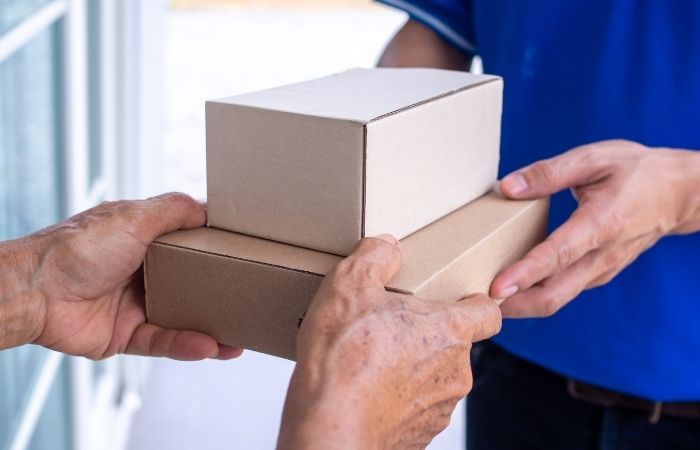
One of the reasons guys avoid getting tested is the fear of being seen, judged, or misunderstood. That’s where at-home kits change the game. You can order a test online, get it shipped in discreet packaging, and test in private, on your terms.
Here’s what you can expect when using a trusted provider like STD Test Kits:
- Discreet Packaging: No logos, no “STD” label on the box.
- Fast Shipping: 2–3 business days to most U.S. addresses.
- Results in Minutes: Rapid tests deliver answers fast. Some combo kits offer mail-in lab accuracy.
- No ID Required: You don’t need to upload ID or speak to a provider.
This gives you control over the process, especially important if you live in a conservative household, have privacy concerns, or just feel overwhelmed about going to a clinic.
Let’s Talk About Risk Going Forward
Whatever’s causing your pain, whether it’s blue balls, epididymitis, or a silent STD, now’s the time to level up your prevention strategy. The goal isn’t just treatment; it’s making sure this doesn’t happen again.
Here’s what helps:
- Use protection consistently, even for oral sex (condoms or dental dams).
- Test between partners or before ditching condoms in a relationship.
- Communicate early, no need to wait for full-blown symptoms.
- Consider vaccines (like for Hep B or HPV) if relevant.
Remember: sex should feel good, not leave you Googling “why do my balls hurt after sex” at 3 a.m.
When to See a Doctor In Person
Home testing is a great first step, but sometimes you’ll need in-person care. Go to a doctor or urgent care if:
- The pain is severe or sudden
- You have a fever or feel ill
- There's visible swelling or redness
- The ache doesn't improve with time or rest
Not everything can be handled at home, and that’s okay. Infections like epididymitis usually require antibiotics, and serious conditions like torsion need emergency care. Trust your instincts. Pain is a signal, not a weakness.
FAQs
- 1. Can an STD make my balls hurt even if I don’t have discharge?
- Yes, annoyingly, yes. Some STDs, like chlamydia and gonorrhea, can sneak up without the "classic" symptoms. No burning, no dripping, just an uncomfortable ache that shows up days after sex. If you're dealing with ball pain and you’re thinking, “But everything else seems normal,” that’s exactly when people miss the warning signs.
- 2. I only got oral, am I seriously at risk for an STD?
- Yeah, oral sex still counts. You can catch chlamydia, gonorrhea, even syphilis and herpes that way. Damon (remember him from earlier?) thought oral was a free pass. It wasn’t. If you’re feeling sore down there post-oral, don’t brush it off, especially if a new partner was involved.
- 3. How soon after sex would STD-related ball pain start?
- If an infection’s the culprit, you’ll usually feel something within a week or two. But bodies don’t follow perfect timelines. Some guys get hit on Day 3. Others coast symptom-free for 10 days and then suddenly feel like one testicle has its own heartbeat. When in doubt, check the timing, but trust your gut too.
- 4. I tested negative, why do my balls still hurt?
- Two possible reasons: You either tested too early, or it’s not an STD. Remember, the test clock starts after exposure, not after symptoms. And if it’s not infection? You might be dealing with something like nerve pain, post-ejaculation tension, or even a pulled groin. If the pain sticks around or gets worse, don’t write it off. Retest or see someone in person.
- 5. Is blue balls actually a thing, or just made-up whining?
- It’s legit. Medically it’s called vasocongestion, and it happens when you're super aroused but don’t finish. The blood hangs around in the testicles and pelvic area, and yeah, it can get uncomfortable. But here’s the thing: it fades after a bit and doesn’t cause swelling, fever, or redness. If those show up, we’re in different territory.
- 6. How do I tell if it's something serious, like torsion?
- Torsion doesn’t whisper, it screams. Sudden, sharp pain (like someone punched you in one ball), maybe nausea, and the testicle sitting higher or twisted? That’s ER time. No test kit, no ibuprofen, just get moving. Every hour matters to save it.
- 7. What if it's just muscle pain or something else non-STD?
- Could be. The pelvic floor and groin area are like a knot of cables, one short circuit and you can feel it in weird places. Maybe you lifted heavy, ran stairs, or had some wild angles in bed. Referred pain is real. But if you can’t explain it and it’s not going away, don’t play guessing games. Rule out the serious stuff first.
- 8. Can I still hook up if the pain is mild?
- If you're asking, you probably shouldn’t. Even if the pain seems minor, your body’s trying to say something. Plus, if it’s infection-related, you could be contagious without knowing. Give it a beat, get tested, and wait it out. Being responsible is hotter than pretending nothing’s wrong.
- 9. What’s the best at-home test if I want quick answers?
- Start with a Combo STD Test Kit. It checks for chlamydia, gonorrhea, and trich, the top suspects when it comes to pain or swelling down there. It’s private, fast, and lets you dodge awkward clinic vibes.
- 10. Is ball pain after sex common, or am I just broken?
- You’re not broken. This happens to a lot of people, but most suffer in silence because, well, it’s awkward to say, “Hey, my balls hurt.” The fact that you’re here reading this, trying to understand your body? That’s strength. The pain is common. What you do next is what matters.
You Deserve Answers, Not Assumptions
Pain in your balls after sex isn’t a joke, and it’s not something to brush off. It can mean a lot of different things, from something harmless to a treatable infection. But what it shouldn’t mean is silence or shame. Your discomfort is valid. Your health matters.
If something feels off, take the next step: get a combo STD test you can use at home. Fast answers bring peace of mind, and that’s what you really need right now.
How We Sourced This Article: We combined current guidance from leading medical organizations with peer-reviewed research and lived-experience reporting to make this guide practical, compassionate, and accurate. In total, around fifteen references informed the writing; below, we’ve highlighted some of the most relevant and reader-friendly sources.