Rectal Pain After Sex: When It’s an STD and When It’s Not
Quick Answer: Rectal pain after sex is usually caused by irritation, small tears, or hemorrhoids, especially after anal penetration. The night had been fun and consensual, nothing unusual. It was panic. he wondered.

Quick Answer: Rectal pain after sex is usually caused by irritation, small tears, or hemorrhoids, especially after anal penetration. However, infections like rectal chlamydia, gonorrhea, herpes, or syphilis can also cause pain during bowel movements. If symptoms last more than a few days, worsen, or include discharge or bleeding, STD testing is recommended.
The Morning-After Moment: Why This Symptom Freaks People Out
Alejandro noticed it the morning after a hookup. The night had been fun and consensual, nothing unusual. But when he sat down in the bathroom the next day, the pain caught him off guard. It felt like a sharp sting during the bowel movement, uncomfortable enough to make him stop mid-push.
His first thought wasn’t hemorrhoids or friction. It was panic. “Did I catch something?” he wondered.
This reaction is incredibly common. When pain shows up in such an intimate place, especially after sex, the mind often jumps straight to sexually transmitted infections. The truth is more nuanced. Many cases of post-sex rectal pain have nothing to do with infections at all.
Still, the possibility exists. Several STDs can infect the rectum and create symptoms that show up exactly during bowel movements. The key is learning what the body tends to feel like when irritation is the culprit, and what changes when infection enters the picture.
When the Cause Is Simple Irritation
The rectum and anus contain delicate tissue that isn’t naturally lubricated the way the vagina is. During anal sex or even vigorous sexual play involving fingers or toys, friction can create temporary inflammation. That irritation alone can make the next bowel movement uncomfortable.
In most cases, this discomfort shows up within a day after sex. It feels sore rather than deeply painful. Some people describe it as a mild burning sensation while passing stool. Others notice tenderness that fades quickly once the bowel movement is over.
Lubrication levels during sex often play a huge role. If lubrication was limited or the encounter lasted longer than usual, tiny abrasions can form in the lining of the anal canal. These microscopic injuries are similar to the irritation someone might feel after chafing skin during exercise.
The good news is that this type of irritation tends to heal quickly. Within a few days, the tissue usually calms down on its own.
| Cause | What Happens | Typical Recovery Time |
|---|---|---|
| Friction irritation | Inflammation from penetration without enough lubrication | 1–3 days |
| Minor anal tear (fissure) | Small crack in the lining that stings during bowel movements | Several days to 2 weeks |
| Hemorrhoid irritation | Swollen veins in the rectum become inflamed during sex | Several days |
| Muscle strain | The anal sphincter becomes tight or sore after intense activity | 1–2 days |
Many people notice that the discomfort improves noticeably after two or three bowel movements. That’s usually a reassuring sign that the issue is mechanical rather than infectious.
Small Tears That Hurt More Than Expected
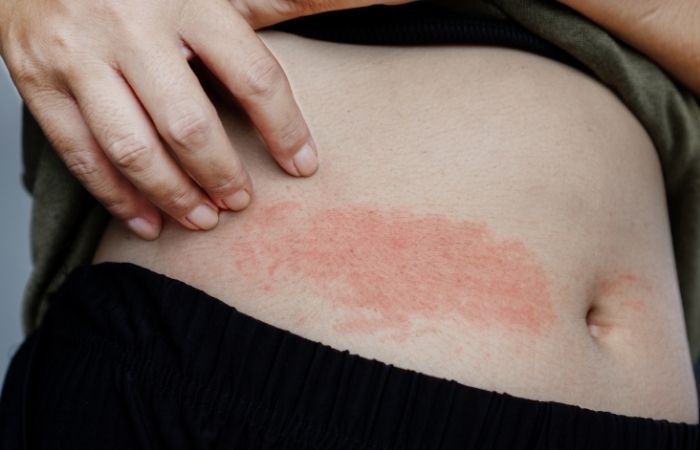
Sometimes the pain is sharper than basic irritation. Instead of a dull soreness, it feels like a sudden sting right when stool passes through the anus. This can point to a small anal fissure, essentially a tiny cut in the lining of the anal canal.
Fissures are surprisingly common after anal sex. Even gentle encounters can stretch the tissue enough to create a microscopic tear. When stool passes over that tiny wound, the nerve endings react instantly.
People often describe fissure pain in very specific ways. It can feel like passing glass or like a brief electric sting during the bowel movement. There may also be a small amount of bright red blood on toilet paper.
Despite how dramatic the pain feels, fissures are rarely dangerous. With time, hydration, and softer stools, they usually heal on their own.
Still, fissures can create anxiety because they overlap with symptoms people associate with infections. That overlap is where confusion often begins.
When Rectal Pain Is Actually Caused by an STD
Sexually transmitted infections can affect the rectum just as easily as the genitals. When bacteria or viruses infect the lining of the rectum, the resulting inflammation is known as proctitis. That inflammation is what can make bowel movements painful.
The infections most often responsible include Chlamydia, Gonorrhea, Herpes, and Syphilis. Each of these organisms can enter through microscopic breaks in the tissue during sexual contact.
Unlike simple irritation, infections often bring additional symptoms. Some people notice mucus discharge. Others experience persistent soreness or a sensation that they constantly need to use the bathroom even when the rectum is empty.
Sometimes the symptoms are subtle. Someone might only notice discomfort during bowel movements or mild rectal itching. In other cases the infection produces visible inflammation or discharge.
| Infection | Common Rectal Symptoms | Notes |
|---|---|---|
| Chlamydia | Pain during bowel movements, mucus discharge, rectal soreness | Often mild and sometimes unnoticed |
| Gonorrhea | Burning, discharge, itching, inflammation | May cause frequent urge to pass stool |
| Herpes | Painful sores around the anus or inside the rectum | Often accompanied by flu-like symptoms initially |
| Syphilis | Painless sores initially, later rash or rectal irritation | Early symptoms can be easy to miss |
One of the challenges with rectal STDs is that many infections remain asymptomatic. Someone can carry bacteria without noticing anything unusual for weeks. That’s why testing becomes important when symptoms linger.
Symptoms That Suggest Infection Instead of Irritation
Think about someone noticing that the pain hasn't gotten better after a few days. Instead of fading, the discomfort stays exactly the same or even gets worse. Maybe there’s a feeling of pressure in the rectum or a strange discharge that wasn’t there before.
Those details matter. The body may be trying to tell you that something more than friction is going on when symptoms last longer than expected.
The difference between irritation and infection often comes down to timing and persistence. Mechanical irritation usually fades fairly quickly. Infections tend to linger or evolve.
| Symptom | What It May Indicate |
|---|---|
| Persistent pain beyond 3–5 days | Possible infection rather than irritation |
| Mucus or pus discharge | Common with rectal gonorrhea or chlamydia |
| Rectal itching or swelling | Inflammation caused by infection |
| Flu-like symptoms or sores | Possible herpes or syphilis |
| Feeling the need to pass stool frequently | Inflammation of the rectal lining |
None of these symptoms confirm an STD on their own. They simply suggest that testing might be the smartest next step.
Testing Is Often the Only Way to Know
One of the hardest parts about rectal symptoms is that guessing rarely works. Two people can experience identical sensations while having completely different underlying causes. That’s why healthcare providers emphasize testing rather than self-diagnosis.
For most rectal STD tests, all you need to do is swab the rectum. It only takes a few seconds, and it can find infections like gonorrhea and chlamydia with a high level of accuracy.
For people who prefer privacy, discreet testing options exist outside the clinic. Many individuals now choose to order testing through services like STD Rapid Test Kits, which allow samples to be collected at home and processed confidentially.
Knowing the outcome makes things clearer. If the test is negative, the pain is far more likely related to irritation or minor injury. If the test is positive, treatment can begin quickly and symptoms usually resolve once the infection clears.
A Short Pause: Letting the Body Recover
In many cases, the best first step after mild rectal pain is simply giving the body time. The tissue in this area heals surprisingly quickly when irritation is the cause.
Often the next bowel movement feels a little easier than the one before it. By the third or fourth day, the pain may barely be noticeable. That gradual improvement is usually a sign that the tissue is healing.
Staying hydrated and avoiding constipation can make the process easier. Softer stools create less pressure on sensitive tissue and allow tiny injuries to repair themselves.
During this time, it can also help to pause sexual activity that involves the area. Giving the tissue a few days without friction often accelerates recovery.
Timing Often Tells the Real Story
One of the most useful clues is timing. The body tends to follow predictable patterns depending on the cause of rectal discomfort.
If friction is to blame for the pain, it usually comes on quickly. Someone might feel bad within a few hours or the next morning after having sex. The tissue just hurts or feels tender. Usually, things get better little by little every day.
Infections behave differently. Bacteria and viruses take time to multiply inside the rectal lining. That means symptoms may appear days after the sexual encounter rather than immediately afterward.
Sometimes people remember the exact moment they noticed the shift. A person might go several days feeling normal after a sexual encounter, then suddenly develop rectal pressure, discomfort, or discharge. That delayed onset is often what makes clinicians think about rectal STDs.
| Cause | When Symptoms Usually Start | How They Progress |
|---|---|---|
| Friction irritation | Within hours or next day | Gradually improves over several days |
| Anal fissure | Within 24 hours | Pain during bowel movements until tear heals |
| Rectal chlamydia | 5–14 days after exposure | May cause persistent soreness or discharge |
| Rectal gonorrhea | 2–7 days after exposure | Inflammation, itching, discharge possible |
| Herpes infection | 2–12 days after exposure | Painful sores or ulcers near the anus |
Timing alone doesn’t confirm the cause, but it often helps narrow down the possibilities. When symptoms appear instantly after sex, irritation is statistically more likely. When symptoms emerge days later and continue worsening, infections become more likely to enter the conversation.
When Pain Comes With Other Symptoms
Another clue comes from the company pain keeps. Irritation from friction tends to stay isolated. The discomfort appears during bowel movements or while sitting, but there are no additional symptoms.
Infections tend to bring friends along. Someone might notice rectal discharge on underwear or toilet paper. Others feel persistent pressure, almost like the sensation of needing to pass stool even when the rectum is empty. Medical professionals call this feeling tenesmus, and it often signals inflammation inside the rectal lining.
Sometimes the symptoms are subtle enough to ignore. A person might simply feel a mild itch or notice extra mucus when wiping. These details may not seem dramatic, but they help doctors piece together what might be happening inside the body.
In rare situations, systemic symptoms appear as well. Fever, fatigue, or swollen lymph nodes can accompany infections such as herpes or syphilis. When those symptoms appear alongside rectal pain, testing becomes especially important.
A Quick Story From Real Life
Jordan remembers the moment clearly. After a weekend trip with a new partner, everything seemed normal. The first bowel movement a few days later felt slightly uncomfortable but not alarming. By the end of the week, though, the discomfort hadn’t improved.
Instead, something else appeared: a strange mucus-like discharge that showed up when wiping. Jordan debated ignoring it, hoping it would disappear on its own. But curiosity eventually won out.
A rectal swab test later confirmed rectal chlamydia, an infection Jordan didn’t even realize could occur there.
Within a week of treatment, the symptoms disappeared completely.
Stories like this illustrate why sexual health professionals emphasize testing rather than guesswork. The symptoms alone rarely tell the full story.
Testing Options and How They Work
It's easy to test for STDs in the rectum. A small swab is put just inside the rectum to get a sample, which is the most common way. The process goes quickly and doesn't hurt too much most of the time.
After that, labs look for the DNA of bacteria like chlamydia or gonorrhea in the sample using molecular tests. These tests are very accurate and can find infections even when the signs are not very strong.
Many people choose to test through sexual health clinics or primary care providers. Others prefer more private options. For individuals who want discretion, services like the Combo STD Home Test Kit allow testing from home with confidential results.
The most important thing is being able to get information. When people know their status, they can get treatment for infections right away and avoid problems.
| Test Type | What It Detects | Sample Used |
|---|---|---|
| NAAT (Nucleic Acid Amplification Test) | Chlamydia and Gonorrhea | Rectal swab |
| PCR testing | Herpes virus | Swab of sores if present |
| Blood testing | Syphilis or HIV | Blood sample |
| Multipanel home tests | Multiple STDs at once | Swab or blood depending on test |
Testing not only confirms whether infection exists but also prevents unnecessary worry. Many people feel enormous relief when results show that irritation was the true cause of their symptoms.
Why Rectal STDs Are Often Missed
One reason rectal infections go undiagnosed is simple misunderstanding. A lot of people think that STD testing checks for infection in all possible places. In reality, testing usually only looks at the genitals unless someone asks for a rectal screening.
This means a person could receive a negative urine test for chlamydia while still carrying the infection in the rectum. The bacteria simply aren’t present in the urine sample, so they go undetected.
Sexual health professionals increasingly encourage site-specific testing when relevant. If anal contact was involved, a rectal swab makes sure that infections in that area aren't missed.
This method shows a bigger change in sexual health care: instead of making assumptions, it meets people where their real lives are happening.
What Happens If an STD Is Diagnosed
If testing confirms a rectal STD, the next steps are usually straightforward. Bacterial infections like chlamydia and gonorrhea are typically treated with antibiotics, and symptoms often improve fairly quickly once treatment begins.
You have to treat it differently if the infection is viral, like herpes. Antiviral drugs can help with symptoms and stop outbreaks from getting worse, but they don't kill the virus.
Your doctor or nurse might also tell you to tell your recent partners so they can get tested too. It may be strange to talk about, but it helps stop infections from spreading between partners without their knowledge.
Most importantly, treatment allows the body to heal. Once inflammation resolves, bowel movements return to normal and the rectal lining recovers.
When Rectal Pain After Sex Is Probably Harmless
There’s a moment many people recognize: the symptoms start to fade. The bowel movement that hurt yesterday feels a little easier today. The soreness that lingered while sitting slowly disappears. When improvement follows that kind of pattern, the body is usually dealing with something mechanical rather than infectious.
Irritation, muscle strain, and tiny tears tend to follow a predictable arc. The discomfort appears quickly after sex, peaks during the first couple of days, and then gradually resolves. The tissue in the rectal canal regenerates rapidly, which means even small injuries often heal without medical intervention.
Some people notice that the pain is very specific. It happens right at the moment stool passes the anus, then fades within minutes. The rest of the day feels normal. That pattern often matches a minor fissure or irritated hemorrhoid rather than an infection spreading through the tissue.
When symptoms steadily improve over several days and no new symptoms appear, the body is likely completing its natural repair process.
When the Body Is Asking for More Attention
Sometimes the pattern goes the other direction. Instead of easing, the pain stays stubbornly the same. Maybe the soreness spreads slightly or becomes accompanied by a sense of pressure deep in the rectum.
Those are the moments when paying attention becomes important. The body has ways of signaling when something isn’t resolving on its own.
Persistent discomfort during bowel movements can mean the inflammation inside the rectum hasn’t settled. If an infection is present, the bacteria continue to irritate the tissue until treatment begins. The longer the infection remains untreated, the longer the symptoms tend to linger.
Other signals may appear as well. Some people notice mucus when wiping. Others feel the constant urge to pass stool even though nothing happens when they try. These sensations often point toward inflammation in the rectal lining.
At that point, testing becomes less about fear and more about information. Knowing what’s happening allows the right treatment to begin.
A Practical Way to Think About Symptoms
One helpful approach is to think about how the symptoms behave over time. Bodies tend to follow patterns, and those patterns often reveal more than the symptoms themselves.
If someone experiences soreness immediately after sex and it improves each day, the cause is usually irritation or a minor tear. The tissue simply needs rest and time to heal. Hydration, gentle bowel movements, and a short break from anal activity usually allow recovery.
If symptoms persist, evolve, or come with new sensations like discharge or itching, testing provides clarity. Many rectal infections respond quickly to treatment, and symptoms often resolve within days once therapy begins.
The goal isn’t to assume the worst. It’s to listen carefully to what the body is communicating.
| Time After Sex | What Often Happens | Suggested Action |
|---|---|---|
| Day 1–2 | Mild soreness or irritation during bowel movements | Monitor symptoms and allow the area to rest |
| Day 3–4 | Symptoms improving | Likely irritation or minor tear healing |
| Day 5+ | Pain persists or worsens | Consider STD testing or medical evaluation |
| Any time | Discharge, sores, fever, or worsening pain | Testing recommended |
This kind of timeline helps people step back from anxiety and look at symptoms objectively.
Why Testing Removes Uncertainty
Even when symptoms seem mild, uncertainty can linger in the back of someone’s mind. That quiet question, “What if it’s an STD?”, can create unnecessary stress.
Testing gets rid of that doubt. A negative result gives you peace of mind that the symptoms were probably caused by irritation or a small tear. A positive result, even though no one wants it, makes it clear what to do next with treatment.
For many people, the ability to test discreetly makes the process easier. Services like STD Rapid Test Kits provide access to reliable testing options without needing to schedule a clinic visit. The results provide clarity in situations where symptoms alone cannot.
The real value of testing isn’t just diagnosis. It’s peace of mind.
You Deserve Clarity, Not Guesswork
Rectal pain after sex can feel alarming, especially when it appears suddenly during something as routine as a bowel movement. The truth is that most cases come from irritation, small tears, or temporary inflammation. The body usually repairs those issues quickly with rest and time.
But sometimes the pain means something else. Chlamydia, Gonorrhea, Herpes, and Syphilis are all infections that can affect the rectum and cause symptoms that are similar to those of everyday irritation.
The difference often comes down to persistence and accompanying symptoms. When pain fades quickly, the body is likely healing. When it lingers or evolves, testing becomes the clearest way to understand what’s happening.
Don't wait and wonder if you're not sure. With reliable testing options like the Combo STD Home Test Kit, you can quickly and privately check for common infections.
Clarity replaces anxiety. And when you know what’s happening in your body, the next steps become simple.
FAQs
- 1. Why does it hurt to poop after anal sex?
- The most common reason is simple friction. The tissue in the rectum is delicate, and if sex involved stretching, pressure, or not quite enough lubrication, it can feel sore the next day. Many people notice a quick sting during the first bowel movement after sex, then gradual improvement over the next couple of days as the tissue heals.
- 2. How do I know if rectal pain after sex is an STD or just irritation?
- Time is usually the biggest clue. Irritation tends to show up immediately and then slowly get better. An STD, on the other hand, often appears days later and may bring extra symptoms like discharge, itching, or a constant urge to use the bathroom. If the pain sticks around for nearly a week or starts doing new weird things, that’s a good moment to test.
- 3. Can rectal chlamydia actually hurt during bowel movements?
- Yes, it can. When chlamydia infects the rectum, it irritates the lining inside, which can make bowel movements uncomfortable or create a feeling of pressure. Some people describe it as soreness deep inside rather than the sharp sting of a tear.
- 4. What does rectal gonorrhea feel like?
- Rectal gonorrhea can be sneaky. Sometimes it causes itching, soreness, or a burning feeling when passing stool. Other times the only clue is a small amount of mucus or discharge when wiping. And occasionally, people feel almost nothing at all, which is why testing matters if there was a possible exposure.
- 5. Is it normal to see a little blood after anal sex?
- A tiny streak of bright red blood can happen if a small fissure or tear formed during sex. Think of it like a paper cut in sensitive skin. If it stops quickly and the pain fades over a few days, it’s usually nothing serious. But bleeding that continues or appears alongside discharge should be checked out.
- 6. Can hemorrhoids make bowel movements hurt after sex?
- For sure. Sex can make hemorrhoids worse, just like heavy lifting or straining can. Hemorrhoids are swollen veins in the rectum. If hemorrhoids are to blame, the pain usually feels like pressure or throbbing instead of a sharp tear.
- 7. Can you have a rectal STD and not know it?
- Absolutely. Many rectal infections are quiet. Someone might carry chlamydia or gonorrhea in the rectum without noticing anything unusual at all. That’s one reason sexual health experts recommend testing after new partners or potential exposure, even if everything feels fine.
- 8. Can you get a rectal STD without anal penetration?
- Yes, and this surprises people. Bacteria can move through oral-anal contact, shared toys, or even fingers during sexual activity. The body doesn’t care about the labels we use for sex acts, if bacteria reach the rectal lining, infection can occur.
- 9. How long should I wait before getting tested if symptoms appear?
- If symptoms show up and stick around for more than a few days, testing sooner rather than later is reasonable. Waiting weeks doesn’t make the result clearer, it just prolongs the uncertainty. Many people test as soon as they notice something that feels different from normal.
- 10. What’s the fastest way to find out if rectal pain is caused by an STD?
- A rectal swab test is the most direct answer. It takes only a few seconds and can detect infections like chlamydia or gonorrhea with high accuracy. Once you know the result, you can stop guessing and move straight to treatment or peace of mind.
Before You Spiral, Here’s the Real Next Step
Feeling rectal pain after sex can send your mind racing in about three seconds. One minute you’re brushing your teeth, the next minute you’re sitting on the toilet thinking, “Okay… something is definitely not right.” It’s a surprisingly common moment, and it doesn’t automatically mean an STD.
In many cases the explanation is far less dramatic. Friction, a small fissure, or irritated hemorrhoids can easily make bowel movements uncomfortable for a few days after sex. The tissue in that area is sensitive, and sometimes it just needs a little time to calm down and heal.
But guessing is rarely the thing that brings peace of mind. If your symptoms don't go away, get worse, or just leave you wondering, testing gives you real answers instead of guesswork. Knowing whether irritation or infection is involved lets you stop running scenarios in your head and focus on what to do next.
If you’d rather handle that step privately, you can explore discreet options through STD Rapid Test Kits. Their Combo STD Home Test Kit screens for several common infections so you can check your health from home without the awkward waiting room experience.
Your sexual health is not about blame or embarrassment. It’s about information, confidence, and taking care of your body the same way you would any other part of your health.
How We Sourced This Article: This guide was developed using current clinical guidance from major public health organizations, peer-reviewed research on rectal sexually transmitted infections, and common symptom questions people search when experiencing post-sex discomfort. Approximately fifteen sources informed the research behind this article, including CDC guidelines, NHS and Mayo Clinic patient education resources, and infectious disease literature on rectal STDs.