STD Shame Almost Killed Me, Here’s What I Wish I Knew
Quick Answer: STD shame can delay diagnosis, worsen health outcomes, and increase transmission risks. At-home testing offers a discreet, stigma-free way to get answers before it’s too late.

Quick Answer: STD shame can delay diagnosis, worsen health outcomes, and increase transmission risks. At-home testing offers a discreet, stigma-free way to get answers before it’s too late.
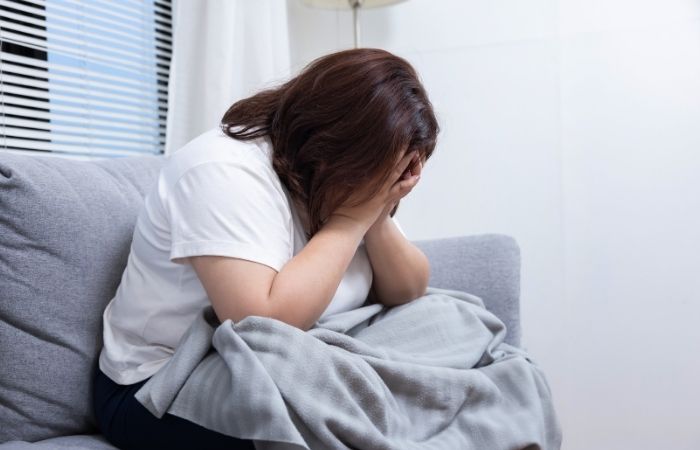
When Silence Feels Safer Than Truth
Let’s name it: STDs still carry a moral weight that doesn’t apply to other infections. If you got food poisoning, no one would ask who you shared a sandwich with. But say the word “herpes,” and suddenly you’re fielding judgment about your choices, your partners, your worth. That’s the toxic mix of sexual shame and disease stigma, and it keeps people dangerously quiet.
In a 2022 study published in the journal Sexually Transmitted Infections, researchers found that over 34% of respondents delayed testing due to embarrassment or fear of being judged. In communities of color, among LGBTQ+ youth, and within religious environments, that percentage climbed even higher. Silence is survival for many, but it’s a short-term fix with long-term cost.
Take Luis, 23, who waited six months to get tested after symptoms started. "I kept thinking, maybe it's a yeast infection. Or just irritation from shaving," he said. "But really? I was scared. I thought if I had something, it meant I deserved it.” By the time he got tested, what began as a treatable chlamydia infection had moved deeper, triggering pelvic pain and potential complications with future fertility. Luis isn’t alone. His story is heartbreakingly common.
The Invisible Costs of Shame-Based Delays
STDs don’t stop progressing just because we stop thinking about them. The longer someone avoids testing, the greater the risk, not only to their own body, but to anyone they’re sexually active with. And yet, the emotional barriers are real. According to the CDC, untreated gonorrhea and chlamydia can lead to pelvic inflammatory disease (PID), chronic pain, ectopic pregnancy, and infertility in women. In men, they can cause urethritis, epididymitis, and in rare cases, sterility.
But physical symptoms aren’t the only consequence. Many people who avoid testing live with constant anxiety. Every itch, bump, or twinge becomes a mental spiral. The irony? That fear often pushes people into more isolation, which can trigger mental health issues like depression or panic attacks, further discouraging them from seeking help.
To make this more concrete, here’s what silence can cost:
| STD | Untreated Consequences | Time to Progression |
|---|---|---|
| Chlamydia | Pelvic inflammatory disease, infertility, chronic pain | Weeks to months |
| Gonorrhea | Joint pain, PID, infertility, systemic infection | Weeks |
| Syphilis | Neurological damage, heart issues, death (tertiary stage) | Years (if undetected) |
| Herpes | Recurring outbreaks, transmission risk, stigma burden | Chronic/lifelong |
| HIV | Immune suppression, opportunistic infections, AIDS | Variable, months to years |
Table 1: The physical risks of untreated STDs due to shame-driven avoidance.
People are aslo reading: Is It Genital or Oral Herpes? Here’s How to Tell the Difference
The Mental Math of Denial
Most people aren’t avoiding testing because they don’t care. They’re doing a form of emotional risk calculation. They ask: What if I test positive? What if I have to tell someone? What if they leave me? What if my friends judge me? What if my mom finds out I went to a clinic?
Those questions pile up, until the immediate relief of denial outweighs the fear of a distant medical consequence. It’s not rational, but it is human.
Micah, 28, had a sore on their lip after a concert weekend. "I googled herpes a million times," they said. "But I kept telling myself it was from drinking too much or biting my lip. I waited until my next partner freaked out to get tested." Micah’s test confirmed oral HSV-1. By then, they’d unknowingly passed it on.
This kind of delay isn’t about ignorance, it’s about emotional survival. And the healthcare system doesn’t always make it easier. Clinics with limited hours, lack of privacy, long wait times, or judgmental staff can reinforce the fear that “testing = punishment.” It’s no wonder people turn away.
STD Rapid Test Kits offers an alternative, fast, discreet, and completely private. You don’t have to walk into a clinic or face a receptionist. You can test from home, on your timeline. You deserve that option.
When Privacy Saves Lives
For many, the ability to test quietly at home is the difference between action and avoidance. Privacy reduces the emotional cost of testing. No waiting rooms. No explaining symptoms to a stranger. No worrying about bumping into your neighbor.
Here’s how at-home testing compares to traditional options in terms of discretion and emotional accessibility:
| Testing Method | Privacy Level | Stigma Exposure | Control Over Timing |
|---|---|---|---|
| At-Home Rapid Test | Very high | None | Full control |
| Mail-In Lab Test | High | Minimal | Flexible |
| Clinic Visit | Low–Moderate | High | Limited by location/hours |
Table 2: Emotional and privacy considerations across testing methods.
If your silence is rooted in fear of being seen or judged, at-home testing isn’t just convenient, it’s transformative. The most prevalent STDs can be swiftly and discreetly detected with this combo test kit. You don’t have to explain anything to anyone, just take the test, get results, and take care of your health.
What I Told Myself (And Why It Almost Killed Me)
I kept thinking: “It’s probably just irritation.” “I haven’t even had that many partners.” “I used a condom… mostly.” And when the symptoms got worse, I still stayed quiet. I remember googling 'rash after sex' at 2AM, reading about syphilis, and slamming my laptop shut. I didn’t want it to be true. I told myself if I waited long enough, it might go away. It didn’t.
This part is hard to write, even now. Because silence feels safer, right up until it isn’t. By the time I saw a doctor, the infection had spread. My lymph nodes were swollen. I had lesions I couldn’t hide anymore. It was syphilis, stage two. Treatable, yes, but it could’ve been caught months earlier. The emotional cost of waiting? Guilt. Shame. Fear that I’d hurt someone else.
I’m sharing this because someone reading this is probably where I was: scared, Googling symptoms, unsure what to do next. Let me say this clearly, you are not dirty. You are not broken. You are not alone. And you are still worthy of care and answers.
STD Stigma Is Not Your Fault, But It Is Your Fight
Stigma is socially taught, not biologically justified. No one flinches when someone gets the flu. But STDs? Suddenly, we’re talking about morality, not medicine. That kind of cultural baggage means many people feel more shame over getting tested than they do over the risk of being sick.
Let’s be blunt: STDs are common. According to the World Health Organization, over 1 million sexually transmitted infections are acquired worldwide every day. That’s not a typo, every day. You’re not an outlier. You’re not cursed. You’re a sexually active human navigating a world where pleasure and risk coexist.
What makes STDs dangerous isn’t the infection itself, it’s the silence surrounding it. Shame thrives in darkness. Testing is how you turn the lights on.
And if you’re not ready to talk to someone in person, you can still take action. STD Rapid Test Kits ships discreetly, lets you test on your terms, and puts control back in your hands. That’s not just health care. That’s self-respect.
How to Break the Silence Without Breaking Down
Testing is only one part of the equation. For many, the hardest part comes after: telling a partner. But here’s the truth, honesty doesn’t destroy relationships. Secrets do.
Start simple. You don’t owe someone your entire sexual history, but if you’ve tested positive, you do owe them clarity. You can say: “I tested positive for [STD]. You should get tested too.” Or, “I recently took an STD test and something came up, I wanted to tell you directly.” Keep it calm, factual, and short. If they react with anger or cruelty, that’s on them, not you.
One reader told us about messaging their ex after a positive chlamydia result. “I was shaking,” they said. “But she actually thanked me. She had no idea she’d been exposed.” That kind of closure can turn guilt into growth.
If you’re not ready to have that talk face-to-face, there are anonymous notification tools like TellYourPartner.org that can do it for you, no judgment, just the facts.
Recovery Isn’t Just Physical
After the diagnosis, you might think the hard part is over. But emotional recovery takes longer than a prescription. Many people describe a sense of grief, guilt, or anxiety that lingers even after treatment. That’s normal. That’s okay.
Finding a community can help. Online forums, support groups, or even reading lived-experience stories can remind you that you’re not the only one navigating this. Dating with herpes, for example, has its own robust support network, people who are not just surviving, but thriving.
Therapy helps too, especially if you’ve internalized messages that STDs are shameful. A counselor can reframe your experience from one of failure to one of resilience. Because the truth is, taking charge of your sexual health is brave. It’s not a mistake, it’s a step forward.
If you're overwhelmed, take the smallest next step. Order a kit. Read one article. Talk to one friend. You don’t have to fix everything today. But silence doesn’t heal. Action does.
“I Thought I Was Safe.” The Myth of Low-Risk
Shelby, 31, had been in a monogamous relationship for over two years. She assumed routine STD testing was for other people, people with casual partners, high body counts, or “risky behavior.” When her partner tested positive for gonorrhea after a routine checkup, she was stunned. “I didn’t even think I could have an STD,” she said. “I hadn’t had symptoms. I hadn’t cheated. But I still tested positive.”
We tend to associate STDs with promiscuity, but the reality is that transmission can happen in any sexual context, from a one-night stand to a years-long relationship. Condoms help, but aren’t foolproof. Oral sex can transmit syphilis and herpes. And some STDs, like HPV, can spread through skin-to-skin contact alone.
It’s not about how many partners you’ve had, it’s about whether you’ve had untested ones. Assuming safety without confirmation isn’t just a gamble. It’s a common, often silent, path to infection. That’s why proactive testing matters, even when you feel fine or “low risk.”
Silence isn’t protection. It’s a blindfold. Testing is how you take it off.
If You’re Scared, You’re Not Alone, But You Still Have Options
So many of us have sat with that fear: the sting, the itch, the bump that won’t go away. The what-ifs spiral in our heads, but we tell no one. Maybe we don’t have insurance. Maybe we can’t skip work. Maybe we just can’t face the possibility that something’s wrong.
That fear is valid, but you deserve answers anyway.
At-home testing is built for this exact moment. For the person who needs privacy. For the one too anxious to walk into a clinic. For the student without health insurance. For the mom who can’t take time off work. You don’t have to wait for courage to show up. You just need a first step.
This at-home combo test kit covers the most common infections: chlamydia, gonorrhea, syphilis, HIV, and more. It ships discreetly, requires only a finger prick or urine sample, and gives you fast, private results. It’s testing without the shame.
Case Study: “It Wasn’t Even About the STD, It Was About the Judgment”
Aaron, 26, knew something was wrong. He’d had painful urination for nearly two weeks and finally worked up the nerve to go to a local clinic. But when he walked in and saw the receptionist whispering to another staff member, he froze. “I felt like everyone was watching me,” he said. “Like I had a neon sign on my forehead that said ‘unclean.’” He turned around and left. He didn’t go back for another month.
By the time he tested positive for trichomoniasis, the infection had caused swelling and discomfort that affected his ability to have sex. “The infection sucked,” he said. “But the worst part was how long I waited, just because I was scared of what people would think.”
Aaron now uses home tests. “It’s not about hiding,” he said. “It’s about taking control. I can deal with a diagnosis. I just can’t deal with that judgment again.”
Stories like Aaron’s show how institutional shame, even subtle, can derail care. That’s why alternative paths, like mail-in kits or rapid tests, matter. They meet people where they are. And sometimes, where you are is scared, broke, and Googling “STD without symptoms” from your bathroom floor.

STD Testing = Self-Care, Not Confession
This isn’t a purity test. It’s a health check. Getting tested doesn’t make you reckless. It makes you responsible. In fact, the most sexually responsible people often test the most, not because they mess up more, but because they care more.
Think of it like brushing your teeth. You do it regularly because you value your body. You see the dentist not because you’ve done something wrong, but because you deserve maintenance and care. STD testing is no different.
Whether you’ve had one partner or twenty, whether you used protection or not, whether you’re feeling symptoms or just paranoid, your health is worth checking on. You’re not asking for punishment. You’re asking for peace of mind.
And if that peace starts with privacy? All the better. STD Rapid Test Kits lets you do this on your terms. At home. Without shame.
Before You Panic, Here’s What to Do Next
If you’ve been living with that gnawing feeling, that something might be wrong but you’re too scared to confirm it, let this article be your nudge. You don’t have to live in limbo. You don’t have to wait until it gets worse. You can take action today.
Order a test. Read your results. Get treated if needed. Talk to your partners with honesty and care. And above all, release the shame. You are not alone, and you are not broken.
This at-home combo test kit is a judgment-free zone. Just you, your results, and your next step toward feeling better.
FAQs
- 1. I’m scared to get tested. What if I find out I have something?
- Totally fair. That fear is real, and you’re not the only one feeling it. But here’s the truth: not knowing doesn’t make something go away. If anything, it gives it more time to dig in. Finding out what’s going on gives you back control. Whatever the result, you’re already braver than most for even considering the test.
- 2. What if I haven’t had sex in a while? Could I still have an STD?
- Yep. Some STDs can linger without symptoms for weeks, months, even years. Think of it like leftovers hiding in the back of the fridge, you might not notice it until things start to smell off. Just because you're not sexually active now doesn’t mean you're in the clear from past exposure. One test can clear your mind.
- 3. I’m in a monogamous relationship. Why would I need to test?
- Because monogamy doesn’t always mean mutual testing. Maybe you and your partner never got screened before getting exclusive. Or maybe one of you had an infection from a previous partner and didn’t know it. It’s not always about cheating, it’s about history. Testing can be part of your relationship maintenance, just like checkups or birth control talks.
- 4. I’m terrified my partner will judge me if I bring this up. Should I still test?
- Listen, if someone shames you for taking care of your health, that’s a red flag, not a reflection of your worth. Testing shows you care about yourself and your partner. If the conversation feels too big, you can start small: “I’ve been thinking about getting tested. Want to do it together?” It’s not just brave, it’s sexy, too.
- 5. Is it safe to trust an STD test at home?
- Yes, when it’s from a legit provider. The ones we recommend use FDA-approved tech, are used by real clinics, and come with clear instructions. They’ve been lab-tested, so you don’t have to be. Just follow the steps, and you’ll get accurate results without the waiting room side-eye.
- 6. I had a weird bump once, but it went away. Do I still need to test?
- That bump might’ve been nothing… or it might’ve been a red flag your body handled for now. But some infections flare up and fade, only to come back stronger. Herpes is a classic example, it can go quiet for months. If you’ve had any symptoms that made you pause, testing’s worth it. Peace of mind beats guessing games.
- 7. Will anyone find out if I use a home test?
- Not unless you want them to. Packages are shipped in plain boxes, results are private, and there’s no insurance involved unless you choose to involve it. This is about you taking care of yourself, on your terms. Zero shame. Zero spotlight.
- 8. What if I test positive? Then what?
- Take a breath. Most STDs are treatable, and all are manageable. You’ll get guidance on next steps, usually treatment, sometimes follow-up tests. And when you’re ready, you can let partners know. (You can even do it anonymously if needed.) This isn’t the end of the world. It’s the beginning of getting better.
- 9. Can I still date if I have an STD?
- Hell yes. People with STDs date, love, have sex, get married, and live fully. An infection doesn’t erase your worth or your desirability. It just adds a little extra conversation to the table. And the right people? They’ll handle it with care, not judgment.
- 10. I don’t even know what I’d say to a doctor. What if I freeze?
- You don’t have to give a TED Talk. Just say, “I want to get tested.” That’s enough. If you're using an at-home kit, you won’t need to say anything at all. And if you need help framing the convo, bookmark this: “I’ve had some symptoms I’m not sure about, and I’d like to rule out an STD.” That’s it. You’ve got this.
You Deserve Answers, Not Assumptions
Maybe someone told you it was just razor burn. Maybe you told yourself it was nothing. Maybe you’ve been sitting with that gut feeling, knowing something’s off, but trying to outrun the shame. That ends here.
STDs don’t care how “good” you are. They don’t care how many people you’ve slept with, how careful you were, or how long you waited. They just exist. Testing doesn’t make you guilty. It makes you informed. And once you have answers, you can make empowered decisions, for your health, your partners, and your peace of mind.
Don’t wait and wonder, get the clarity you deserve. This home test kit checks for the most common STDs quickly and without drawing attention to itself.
How We Sourced This Article: We combined current guidance from leading medical organizations with peer-reviewed research and lived-experience reporting to make this guide practical, compassionate, and accurate.
- World Health Organization – Sexually Transmitted Infections
- About Chlamydia — Complications of Untreated Infection
- About Gonorrhea — What Happens If Untreated
- Pelvic Inflammatory Disease — Causes and Consequences
- Gonorrhea — Symptoms and Long-term Risks (Mayo Clinic)
- Sexually Transmitted Infections — StatPearls Reference for STI Complications