STD Status on Dating Apps: Why It Might Be Misleading
Quick Answer: STD status on dating apps is not a medical guarantee. Many badges or profile claims reflect outdated tests, personal interpretation, or incomplete panels. But those signals are full of gaps.
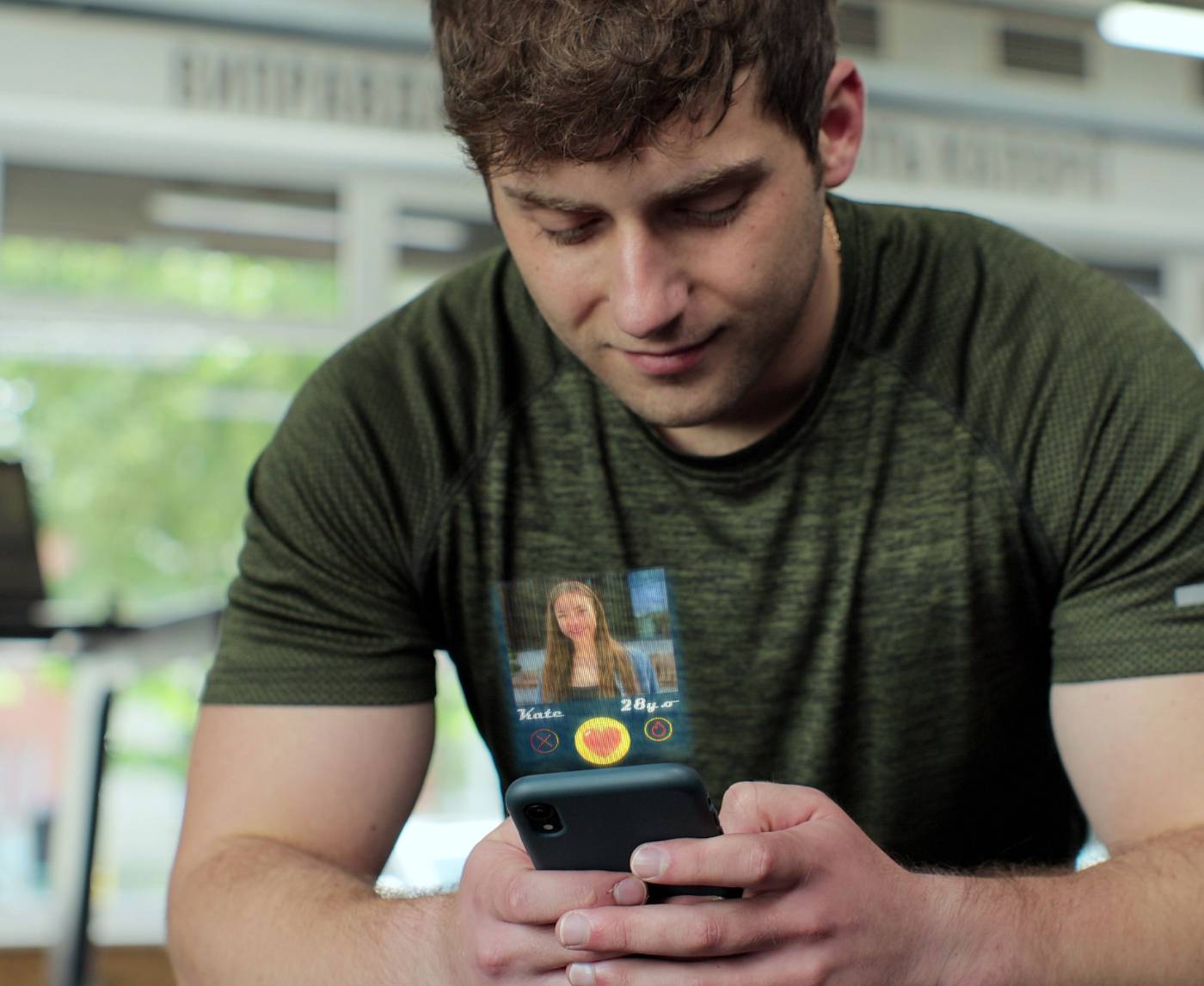
Quick Answer: STD status on dating apps is not a medical guarantee. Many badges or profile claims reflect outdated tests, personal interpretation, or incomplete panels. Accurate testing depends on timing, type of test, and window periods.
When “Tested” Doesn’t Mean “Safe”
In the world of dating apps, where bios are brief and first impressions rule, “STD status” has become a shortcut for trust. People signal it in all kinds of ways, “clean,” “neg,” “tested recently,” even emojis or links to PDF test results. But those signals are full of gaps.
Unlike verified ID or vaccination badges, STD “status” on apps isn’t monitored. Tinder doesn’t vet what someone writes. Grindr doesn’t confirm if a test is recent, complete, or accurate. Even apps that partner with health services, like Grindr’s link to TakeMeHome testing, stop short of verifying results. That means someone might say they’re “clear,” when in reality:
- They were tested too early and received a false negative
- They were only tested for HIV and assumed that meant “everything”
- They got treated for one thing but didn’t test for another
- They’ve had new exposures since their last test
- They don’t actually know what they were tested for
And that’s not always deception, it’s often confusion. Most people don’t know the difference between an NAAT and a rapid antibody test, or how long herpes takes to show up on bloodwork. Apps make it easy to swipe, but hard to stay medically accurate.
What STD Badges Really Mean (and Don’t)
Some dating apps, like Grindr or Taimi, encourage users to add “last tested” dates or show testing location links. Others, like Hinge or Bumble, rely entirely on what people type in their bio. And some niche apps, like PositiveSingles or HerpesMatch, cater to specific STD communities, but even then, honesty depends on the user.
Here’s what most “status” badges imply, and the risky assumptions behind them:
| Status Phrase | What It Might Mean | Potential Problem |
|---|---|---|
| “Clean” | Thinks they have no STDs | Stigmatizing term; may not have tested for everything |
| “Tested last month” | Had some kind of screening recently | May have had exposures since; doesn’t say what tests were done |
| “Negative” | Believes they’re not infected | Test could have been done too early (window period) |
| “On PrEP, undetectable” | Managing HIV status responsibly | Doesn’t mean they’re negative for other STDs like syphilis or gonorrhea |
Table 1. How STD status phrases on dating apps often mislead, even when well-intentioned.
Even with the best intentions, miscommunication thrives in short-form bios. And the consequences of a false sense of safety, especially when it comes to window periods, can lead to surprise diagnoses.
Window Periods and False Confidence
Let’s say your match tells you they tested “just last week.” That sounds great, unless they had unprotected sex two days before testing. Because most STDs have a window period, a span of days or weeks after infection when a test may not detect the pathogen.
Here’s a breakdown of how those window periods look across common STDs. Note how “recent testing” doesn’t always mean “accurate testing.”
| STD | Typical Window Period | Most Accurate Test Timing |
|---|---|---|
| Chlamydia | 7–14 days | 14+ days after exposure |
| Gonorrhea | 7–14 days | 14+ days |
| Syphilis | 3–6 weeks | 6+ weeks for accurate antibody results |
| Herpes | 2–12 weeks (blood test) | 8–16 weeks for reliable IgG results |
| HIV | 10–33 days (NAAT), 2–6 weeks (Ag/Ab) | 6+ weeks after exposure |
Table 2. Common window periods and optimal retest timelines for accurate STD results. Source: CDC STD Treatment Guidelines
Many dating app users test right after a scary encounter or a breakup. But if that test falls within the window period, it might come back negative, even if they’re already infected. That’s why you can’t rely on a badge or profile line alone. Real safety means understanding when testing counts, not just if it happened.
Why “Clean” Language Hurts More Than It Helps
The word “clean” shows up a lot in dating bios. “DDF,” “clean and safe,” “tested clean last month.” It sounds casual, even responsible. But under the surface, it’s soaked in stigma. Saying you’re “clean” implies the alternative, being positive, is dirty. That’s a heavy message, especially for people living with manageable infections like herpes or HIV.
For one woman named Nia, 29, who was diagnosed with genital herpes after a mild outbreak, it made returning to dating feel like punishment. “Every time I saw a guy list ‘clean only,’ it felt like a slap,” she said. “Like I was suddenly untouchable, even though I take antivirals and disclose up front.”
Stigma doesn’t keep people safer. It keeps them silent. It pushes people to hide their diagnoses, delay testing, or rely on hope instead of facts. Replacing words like “clean” with “tested recently,” “on treatment,” or “undetectable” doesn’t just reflect reality, it invites real conversations.
When Disclosures Go Wrong: A Case Study
Jordan, 33, met his partner on a queer dating app. They chatted for weeks before finally deciding to hook up. “We both said we were negative,” he recalls. “I said I tested after my last partner, which was true. But I hadn’t thought about the fact that my last partner had tested me, emotionally, not medically.”
Two months later, Jordan noticed painful urination and discharge. A quick test confirmed it: gonorrhea. “I felt like I had lied,” he said. “Not on purpose. But I told someone I was negative based on vibes, not facts.”
What Jordan experienced isn’t rare. We often mistake intention for certainty. We think we’re good to go because nothing felt off, because symptoms didn’t show up, or because we trust our past partners. But that’s not how STDs work. They can be silent, asymptomatic, and still contagious. And in the space between exposure and testing, transmission thrives.
Can You Ask Someone About Their Status?
Yes, and you should. But be prepared for all kinds of reactions: gratitude, surprise, evasion, defensiveness, even ghosting. The truth is, many people have never been asked. Some feel embarrassed because they don’t know their testing history. Others worry about being judged or rejected. And in a hookup-driven app world, awkward questions can feel like deal-breakers.
But asking about testing isn’t invasive, it’s intimacy. It’s taking care of yourself and your partners. The key is how you ask. Instead of grilling someone, “Are you clean?”, try: “When was the last time you tested, and what for?” That opens the door to honesty, not defensiveness. It also signals that you understand testing isn’t one-size-fits-all. A person might test regularly but still be in a window period. They might test for HIV but not trichomoniasis. They might have symptoms they’re monitoring but haven’t yet identified.
And most importantly: it’s not just about them. Your status matters too. Conversations go both ways. Disclosure is a two-person dance, not a one-sided confession.
Why Testing Is Still the Only Reliable Option
You can’t swipe your way to certainty. No emoji, no “clean” label, no dating app feature replaces the reliability of a real test. Whether you’re seeing one partner or multiple, in a long-term relationship or just playing the field, testing is how you stay grounded in reality.
At-home tests offer quick access for people who might not want to go to a clinic or wait for a doctor’s appointment. They’re discreet, often arrive within days, and test for common infections like chlamydia, gonorrhea, syphilis, HIV, and more. You can do them from your bathroom or bedroom, no awkward waiting room required.
And yet, even with access improving, people delay testing. Why? Fear. Shame. Inconvenience. Misunderstanding of symptoms. Belief that being asymptomatic means being uninfected. That’s why the role of education, like what you’re reading right now, matters just as much as the test itself. Knowing when to test, what to test for, and when to retest is part of building a new kind of sexual self-care.
If your head keeps spinning, peace of mind is one test away. This at-home combo test kit checks for multiple STDs at once, and it’s designed for privacy, speed, and simplicity.
How to Spot Red Flags in Dating App Disclosures
Most people don’t lie about their status maliciously. But some dodge, downplay, or deflect. Here’s how that might sound, and why it should prompt you to pause.
| Disclosure Statement | What to Consider |
|---|---|
| “I don’t have anything you need to worry about.” | Deflects responsibility; doesn’t confirm actual testing. |
| “I’ve never had symptoms.” | Most STDs are asymptomatic; symptoms aren’t reliable. |
| “I believe I was tested a few months ago.” | Vague timing = outdated results. Ask for clarity. |
| “My ex got tested and was negative, so I’m good.” | Risky assumption; exposure could have happened later. |
Table 3. Common phrases that might sound reassuring, but leave key questions unanswered.
If someone gets defensive when you ask about testing, that’s a red flag. Not because they’re positive, but because they’re not ready to talk about health in a way that centers honesty, mutual safety, and care. And that’s a bigger issue than any single result.
Why You Can Test Negative, and Still Infect Someone
Here’s a truth dating apps don’t highlight: you can test negative, feel great, and still pass on an STD. It’s not because the test failed, it’s because of timing.
False negatives happen when someone tests during the window period. It’s especially common with infections like HIV, where different types of tests (antigen/antibody combo vs NAAT) detect the virus at different points in its progression. But it also happens with bacterial STDs like gonorrhea or chlamydia if you test too soon after exposure.
Alex, 27, learned that the hard way. He hooked up with someone new after a breakup and, out of anxiety, tested five days later. Negative across the board. “I felt invincible,” he said. “So I hooked up with someone else the next weekend, figured I was safe.” Two weeks later, he developed a sore throat and was diagnosed with oral gonorrhea. The earlier test hadn’t caught it yet. “I thought testing meant I was done,” he said. “But I needed to test again, just later.”
This isn’t failure. It’s biology. And that’s why single-timepoint testing, especially when used to claim safety on a dating app, can offer false reassurance. Retesting, especially after new partners or symptoms, is what keeps you and others protected.
Why Some People Don’t Disclose at All
Not everyone talks about STD status on dating apps. Some avoid the topic. Some are afraid. Others think it’s irrelevant. But when disclosure is missing entirely, it leaves space for assumptions, and assumptions can be risky.
Dina, 25, has lived with genital herpes since college. She’s been on antivirals, hasn’t had an outbreak in over a year, and always uses protection. “I don’t put it in my bio,” she explains. “Not because I’m hiding, but because I want to talk about it in person. It’s nuanced.”
Her fear isn’t irrational. People with disclosed STDs, especially herpes, HIV, or HPV, face rejection, judgment, and outright abuse on apps. Some report getting banned from platforms after listing their status. Others experience harassment. So the lack of disclosure isn’t always about deception, it’s often about survival.
Still, that doesn’t mean disclosure doesn’t matter. If you're entering a sexual encounter with someone, it’s worth talking about. Not in a way that interrogates or shames, but in a way that sets up mutual care. That’s what sexual responsibility actually looks like.
If You’ve Been Exposed, Here’s When to Test
If you hooked up with someone who claimed to be “clean,” but you're starting to worry, or just want peace of mind, here’s a general timeline to follow:
- If it’s been less than 5 days, wait unless you have symptoms
- Between 7–14 days, a rapid test may catch early bacterial STDs
- At 3–6 weeks, test for syphilis and HIV
- For herpes, wait 8+ weeks for accurate IgG testing
If you test early, consider a follow-up at the most accurate window. And if you test positive, notify partners if you can. The goal isn’t shame, it’s protection. For everyone.
Ready to test on your own terms? STD Rapid Test Kits offers discreet shipping and accurate results from home. No appointment, no waiting room, just answers.
FAQs
- 1. Does a “negative” test mean I’m 100% in the clear?
- Not quite. If you tested during a window period, basically the time after exposure when an infection isn’t detectable yet, you could get a false negative. So yeah, you might test “clean” today and still be contagious. That’s why retesting matters, especially if symptoms show up or exposure was recent.
- 2. What STDs show no symptoms but still spread?
- Honestly? Most of them. Chlamydia, gonorrhea, and even HIV can hang out in your body without a peep. No burning, no sores, no signs. That’s how they slip under the radar and keep spreading, because people assume no symptoms means no risk. It doesn’t.
- 3. Is it awkward to ask someone when they last tested?
- Maybe. But it’s also one of the most intimate, grown-up things you can do. Think of it like asking someone if they’re allergic to peanuts before cooking dinner, it’s care, not interrogation. A chill way to ask: “Hey, when was your last test?” Or, “I just got tested last month, how about you?”
- 4. Can dating apps verify if someone’s telling the truth about their status?
- Nope. Not even close. Some apps let users add a “last tested” date or link to services like TakeMeHome, but nobody’s reviewing lab results or timing. You’re taking their word for it, just like their height or job title.
- 5. How reliable are at-home STD tests, really?
- Surprisingly solid, if you use them right and time them well. Most at-home kits (like the ones we offer) use the same tech labs do. Just don’t test five minutes after a hookup and expect magic. Follow the window period, collect the sample correctly, and they’re as good as a clinic.
- 6. Why do people still say “clean” if it’s so problematic?
- Habit, mostly. It’s short, catchy, and has been baked into hookup culture forever. But it’s not harmless. Calling yourself “clean” implies everyone else is dirty, which is unfair to people living with manageable STDs. Better: say “tested,” “on treatment,” or just list your status with real info.
- 7. Can I still get an STD from someone who just tested?
- Yup. Especially if they were exposed right before their test (and didn’t know it), or if they’re still in a window period. Think of a test as a snapshot, not a live feed. It shows where they were, not where they are today.
- 8. What should I do if I tested positive after someone said they were negative?
- First, breathe. Then remember: their intent might’ve been good, but their timing or knowledge might’ve been off. It sucks, yes. But blame won’t help. Focus on treatment, your next steps, and whether you feel comfortable telling them. You’re allowed to prioritize your health without guilt.
- 9. Should I put my STD status in my dating profile?
- Totally your call. Some folks do, it can be empowering, especially on apps designed for transparency. Others wait until trust is built. There’s no rulebook, just your comfort zone. But if you have an infection that can be passed on, disclosure before sex isn’t just ethical, it’s essential.
- 10. How soon should I test after a risky hookup?
- Depends on what you’re worried about. For chlamydia and gonorrhea, wait 7–14 days. For syphilis and HIV, give it 3–6 weeks. For herpes, 8+ weeks is ideal. Can’t wait? Test now and again later. Think of it as a two-step plan: peace of mind today, clarity tomorrow.
You Deserve Answers, Not Assumptions
Dating apps make everything look simple, just swipe, chat, meet. But sexual health is never one-swipe easy. STD status, no matter how confidently posted, is only as reliable as the timing and honesty behind it. And no badge or bio line should be a substitute for your own testing choices.
If something feels off, or if you just want peace of mind, you’re not overreacting. You’re being proactive. Testing isn’t about paranoia. It’s about power. This discreet combo test can help you take back that power today.
How We Sourced This Article: We combined current guidance from leading medical organizations with peer-reviewed research and lived-experience reporting to make this guide practical, compassionate, and accurate.
- CDC STD Treatment Guidelines
- Exploring relationships between dating app use and sexual activity
- Sexually transmitted infections and dating app use
- Internet Partner Services (IPS) Components - CDC
- A network analysis of sexually transmitted diseases and online partner meeting
- The Conversation Badge | CDC
- Guide to Taking a Sexual History | CDC
- Dating App Use & Sexual Activity: Young Adults
- Findings from the First Year of a Federally Funded, Direct HIV Self-Test Distribution Program