STD Symptoms After Vaginoplasty: What's Normal, What's Not, and When to Act
You're a few weeks post-op, sexually active again, and something has changed: a new discharge, an unfamiliar smell, a sore you don't remember seeing before.
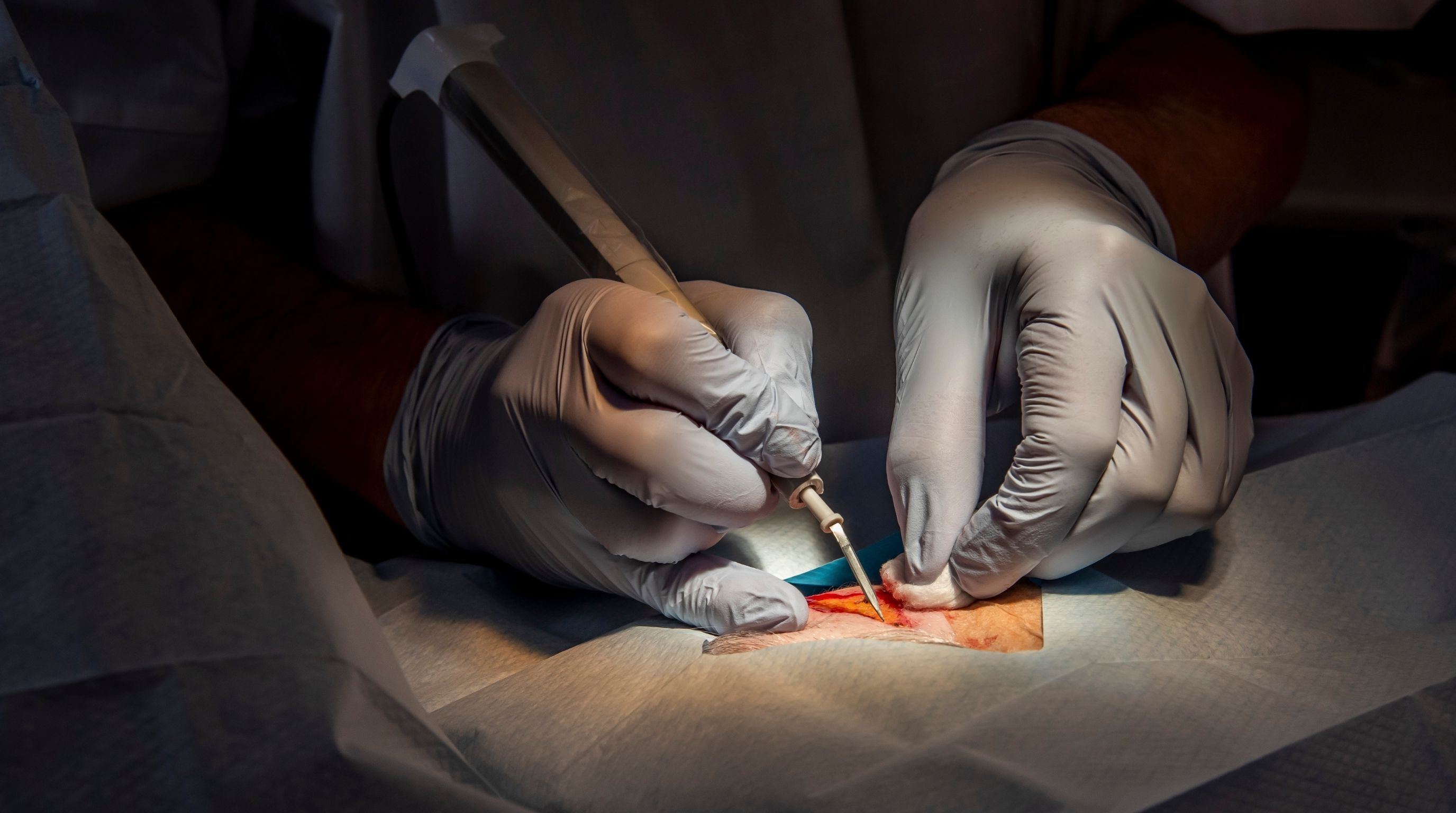
You're a few weeks post-op, sexually active again, and something has changed: a new discharge, an unfamiliar smell, a sore you don't remember seeing before. The instinct is to Google it, which leads to a spiral of possibilities, none of which account for the fact that your anatomy is not what most sexual health content is written for. The breakdown below covers every major symptom category, what the likely cause is, and exactly when an STD is in the picture.

Why Neovaginal Symptoms Are So Easy to Misread
The neovagina created by penile inversion vaginoplasty, the most common surgical technique, is lined with squamous skin rather than the mucosal epithelium found in a natal vagina. That tissue behaves differently. It sheds keratin, produces sebum, and doesn't have the Lactobacillus-dominant microbiome that a natal vagina maintains. What this means in practice is that a neovagina has a baseline discharge that would look alarming coming from a natal vagina, but is entirely normal coming from squamous tissue. The problem is that standard sexual health content, and many healthcare providers, don't distinguish between the two.
A 2025 study examined the neovaginal microbiome and found that the bacterial communities present after penile inversion vaginoplasty differ significantly from those of cisgender women, dominated by anaerobes typical of penile skin, with Lactobacillus rarely present in meaningful quantities. The same research noted that gynecological symptoms like odor, discharge, and itching are commonly reported by trans women after vaginoplasty and frequently reflect this altered microbiome rather than active infection. That's not a reassurance to ignore symptoms; it's a reason to understand what you're actually looking at before deciding what to do about it.
There's also a healthcare gap worth naming directly. Research consistently shows that trans women face higher rates of provider unfamiliarity with post-surgical anatomy, and guidance written for cisgender bodies often doesn't map cleanly onto post-op anatomy. That gap is exactly what this article addresses: what each symptom actually means, and when it warrants action.
Is Discharge After Vaginoplasty Normal?
Discharge is the symptom trans women ask about most after vaginoplasty, and with good reason, it's common, it changes over time, and it can look alarming without necessarily meaning anything is wrong. Understanding what you're seeing starts with knowing the source.
A neovagina created from penile and scrotal skin constantly sheds dead skin cells, sebum, and keratin debris. This produces a white or pale yellow, somewhat thick discharge that can have a mild odor, particularly after sex, after dilation, or when the canal hasn't been rinsed recently. This is normal. It's the skin doing what skin does, and it will be present for as long as you have a neovagina. It is not a sign of infection.
If your vaginoplasty involved intestinal tissue, sigmoid colon vaginoplasty, for example, the discharge pattern is different. Intestinal mucosa produces mucus, so a mucousy, sometimes heavier discharge is expected and normal for that surgical approach. Some providers and published reports note that this type can have a more pronounced odor, particularly in the first year post-op, as the intestinal tissue adjusts to its new environment.
What moves discharge from the "normal" column to the "get tested" column is a change in pattern alongside a plausible exposure. Specifically, discharge that is new or has changed in character, thicker, thinner, greener, more copious, or significantly more odorous than your baseline, combined with recent sexual activity without barrier protection, is worth taking seriously. So is discharge accompanied by itching, burning, or discomfort during or after sex.
| Discharge Type | Likely Cause | Test? |
|---|---|---|
| White or pale yellow, mild odor, consistent with your baseline | Normal keratin and sebum shedding from squamous tissue | No |
| Mucousy, heavier (intestinal vaginoplasty) | Normal mucosal secretion from the intestinal lining | No |
| Changed character from your baseline + recent unprotected sex | Possible bacterial infection, candida, or STI | Yes, swab test + STI panel |
| White, clumpy, cottage-cheese texture + itching | Candida (yeast), documented in neovaginas | Yes, swab test |
| Foul-smelling, brown or green, with pelvic pressure | Possible bacterial infection, granulation tissue, or fistula | Yes, clinical evaluation |
| Thin, yellowish-green, alongside burning or urinary symptoms | Possible gonorrhea or chlamydia (higher risk if mucosal grafts used) | Yes, test immediately |
One specific thing worth knowing: Neovaginal candidiasis, a yeast infection of the neovaginal canal, has been documented in peer-reviewed literature. A case series published in a dermatology journal described five consecutive patients who developed symptomatic candida infections of the neovagina, presenting with white discharge, itching, and odor. All were treated successfully with topical antifungal medication. The point: yeast infections can happen in a neovagina, and they can look similar to an STI on the surface. A swab test tells you which one you're actually dealing with.
Is Itching or Burning After Vaginoplasty an STI?
Itching inside or around the neovagina is another common complaint, and again, the tissue itself is often the explanation. Squamous skin in a warm, moist environment, particularly during the first year or two post-op when dilation is frequent, can develop localized irritation that has nothing to do with infection. Friction during sex, lubricant sensitivity, or even the material of a dilator can cause itching and mild burning that resolves on its own.
Irritation that persists for more than a few days after a potential exposure, or that is accompanied by other changes, discharge shift, visible changes in the tissue, or burning specifically during urination, is in a different category. Burning on urination after receptive vaginal sex can indicate a urinary tract infection, which is common after vaginoplasty due to the repositioned urethra, but it can also indicate a urethral STI. These require different treatment, and the only way to know which one you're dealing with is to test.
Burning during penetrative sex, when it's new and persistent rather than related to insufficient lubrication, is also worth investigating. Gonorrhea and chlamydia can cause pain during sex in people with neovaginas, particularly when mucosal tissue is involved from the surgical technique. The CDC guidelines on transgender and gender diverse persons note that extragenital and site-specific screening, including neovaginal swab testing, is the appropriate approach for trans women who are sexually active, precisely because symptoms are so frequently absent or atypical.

What Do STD Lesions Look Like on Neovaginal Tissue?
This is the category where waiting is not the right call. Any new lesion, sore, blister, or unusual growth on or around the neovaginal tissue, the labia, or the perianal area deserves to be investigated, full stop. The reason is straightforward: several STIs produce lesions on any skin surface, regardless of surgical technique, and distinguishing between them clinically without a test is unreliable even for experienced providers. If you're trying to tell a syphilis sore from a herpes blister by appearance alone, you're guessing, and the stakes of guessing wrong are high. Here's what actually separates the two, but the bottom line is: test first, identify second.
Herpes (HSV-1 and HSV-2) is the most consistently documented neovaginal STI across surgical approaches. HSV lesions on neovaginal or neo-labial tissue can appear as small blisters, ulcers, or raw patches. They are often painful, but not always, and in some people, particularly after a first outbreak, subsequent lesions are subtle enough to be mistaken for friction sores or post-dilation irritation. A documented case published in the International Journal of STD and AIDS described herpes simplex type 1 infection of the neo-labia in a trans woman, herpes neolabialis, confirming that the virus doesn't require the tissue type of a natal vagina to establish infection on surgical skin.
Syphilis produces a chancre, typically a painless ulcer, at the site of infection. Because painless ulcers can appear anywhere on the skin, including neovaginal tissue, neo-labia, or perianal skin, syphilis should be on the differential for any new ulcer in a sexually active trans woman. A chancre that heals on its own is not a sign that the infection resolved; untreated syphilis progresses through stages, and the systemic effects that follow are significantly more serious than the initial lesion.
HPV-related lesions, genital warts, have also been documented on neovaginal tissue. A case report published in Dermatology Online Journal described condyloma (HPV warts) of the neovaginal vault arising after penile inversion vaginoplasty, initially misdiagnosed as bacterial vaginosis, before a speculum examination revealed the true lesions. The research note here matters: a 2024 study in the Journal of Urology found that trans women who had undergone vaginoplasty had elevated HPV risk compared to cisgender women in the same age group, this is a real clinical consideration, not a theoretical one.
| Lesion Type | STI to Consider | Action |
|---|---|---|
| Painful blisters or ulcers, may cluster or crust | Herpes HSV-1 or HSV-2 | Yes, test immediately (blood test, both strains) |
| Painless single ulcer, clean edges, firm base | Syphilis (primary chancre) | Yes, test immediately (blood test) |
| Flesh-colored or cauliflower-textured growths | HPV (genital warts / condyloma) | Yes, HPV test + clinical examination |
| Small red bumps, scattered, possibly itchy | Molluscum contagiosum, folliculitis, or early herpes | Yes, test immediately (herpes); clinical eval for others |
| Any new ulcer or growth, regardless of pain level | Multiple possibilities including syphilis, herpes, HPV | Yes, test immediately |
At-Home STD Testing After Vaginoplasty: What to Use
The barrier to testing should not be finding a provider who understands post-op anatomy. At-home rapid tests cover the infections that matter most for sexually active trans women, deliver results in minutes, and can be used privately, on your own timeline. The key is knowing which test gives you the right coverage for your situation.
For the broadest single-purchase coverage, the 8-in-1 Complete At-Home STD Test Kit covers HSV-1 and HSV-2, chlamydia, gonorrhea, syphilis, HIV, hepatitis B, and hepatitis C, every infection with documented or elevated risk in sexually active trans women post-vaginoplasty, tested with 99% accuracy. If you've had recent unprotected sex and want comprehensive answers in one kit, this is the most efficient option.
If herpes is the specific concern, because you've noticed a lesion, blister, or unusual sore, the Genital and Oral Herpes HSV-1+2 At-Home STD Test Kit covers both strains simultaneously and is the right starting point for lesion-based symptoms. For HIV specifically, given the elevated incidence documented in trans women at CROI 2026, the HIV-1/2 At-Home STD Test Kit delivers standalone rapid results and is appropriate for regular HIV monitoring between full panels.
When collecting a neovaginal swab sample, insert the swab into the vaginal canal and rotate it to collect, exactly as you would with a standard vaginal swab. Research has confirmed that self-collected vaginal swabs perform equivalently to provider-collected samples for NAAT testing of gonorrhea, chlamydia, and trichomoniasis, which means you don't need to depend on a provider to collect the sample correctly. If you're also sexually active anally or orally, those sites should be tested separately; extragenital infections in the rectum and throat are common in trans women and frequently produce no symptoms at all.
Browse the full range of single STD tests and combo test kits to find the right coverage for your situation.
Can STD Symptoms After Vaginoplasty Affect Your Whole Body?
Not every STI announces itself locally. Some of the most clinically significant infections in trans women produce systemic symptoms, affecting the whole body, rather than presenting with neovaginal discharge or visible lesions. Knowing these patterns matters because the instinct is often to look for something at the surgical site and miss what's happening elsewhere.
HIV is the most important systemic risk to understand for trans women post-vaginoplasty. Data presented at CROI 2026 by Dr. Sari Reisner of the University of Michigan, from a nationwide cohort of over 2,500 trans women followed for two years, confirmed that HIV incidence remains high among trans women in the US, with the sharpest disparities among Black and Latina trans women. Trans women who had reported an STI in the prior six months had significantly higher HIV risk, reinforcing why STI symptoms aren't just a standalone concern but a connected one.
Acute HIV infection, which occurs in the weeks immediately following exposure, often presents with symptoms that look like a bad flu: fever, body aches, swollen lymph nodes, a sore throat, and sometimes a diffuse skin rash. This is called acute retroviral syndrome, and it's the window when viral load is extremely high and onward transmission risk is at its peak. The timing is important; acute HIV symptoms typically appear two to four weeks after exposure. If you had unprotected sex and a few weeks later feel like you have an unusually aggressive flu, an HIV test is the right move, and retesting at 12 weeks provides definitive confirmation regardless of the initial result.
Secondary syphilis, which develops weeks to months after an initial chancre that may have gone unnoticed or healed on its own, produces a characteristic skin rash, often including the palms and soles, along with flu-like symptoms and mucous membrane lesions. This stage is highly infectious. Because a primary syphilis chancre on neovaginal tissue can be painless and easy to miss, secondary syphilis is sometimes the first stage that trans women identify as a symptom.
Hepatitis B and C don't typically produce dramatic acute symptoms in everyone, but when they do, fatigue, nausea, yellowing of the skin or eyes, and abdominal pain, the connection to a sexual exposure may not be obvious. Both are transmitted sexually and both require blood tests to detect. If you've had unprotected sex with an unknown partner and develop unexplained fatigue or gastrointestinal symptoms weeks later, hepatitis should be on your radar alongside the more commonly recognized STIs.
| Systemic Symptom | STI to Consider | Action |
|---|---|---|
| Flu-like illness 2–4 weeks after unprotected sex | Acute HIV infection | Yes, test immediately; retest at 12 weeks |
| Rash on palms/soles, mucous membrane lesions, fever | Secondary syphilis | Yes, test immediately (blood test) |
| Fatigue, nausea, jaundice, abdominal discomfort | Hepatitis B or C | Yes, test immediately (blood test) |
| Swollen lymph nodes, prolonged fever, night sweats | HIV, secondary syphilis, or hepatitis | Yes, full panel immediately |
How Often Should Trans Women Test for STDs After Vaginoplasty?
Annual testing is a floor, not a ceiling, and for many trans women post-vaginoplasty, it's not enough. The UCSF Gender Affirming Health Program recommends quarterly testing for trans women with multiple partners, condomless sex, sex while intoxicated, or transactional sex. That recommendation is grounded in data: a study in the Journal of Infectious Diseases found bacterial STI prevalence of 32% among trans women with HIV and 11% among those without, numbers that make routine, frequent screening a medically appropriate baseline rather than excessive caution.
The practical argument for quarterly at-home testing is straightforward: most STIs in trans women are asymptomatic. Gonorrhea, chlamydia, and early syphilis produce no noticeable symptoms in a significant proportion of people, and in a neovagina, where the baseline symptom picture already differs from cisgender anatomy, the absence of obvious symptoms is even less reliable as reassurance. Testing regularly is not a statement about how careful you've been. It's the only way to actually know your status.
For trans women in monogamous relationships with a regularly tested partner who consistently use barrier protection, annual screening covering HIV, syphilis, gonorrhea, chlamydia, hepatitis B, and hepatitis C is a reasonable baseline. Herpes antibody testing is worth adding if either partner has a new or unknown herpes status.

How Soon After Exposure Can You Test for STDs After Vaginoplasty?
One of the most common mistakes after a potential exposure is testing too soon and reading a negative result as reassurance. Every STI has a window period, a gap between infection and when a test can reliably detect it. Testing within that window doesn't tell you you're clear. It tells you the infection hasn't reached detectable levels yet, which is a very different thing.
| Infection | Minimum Wait After Exposure | Notes |
|---|---|---|
| Chlamydia | 14 days | Vaginal swab preferred over urine for neovaginal testing |
| Gonorrhea | 3 weeks | Also test throat and rectum if relevant to sexual activity |
| Syphilis | 6 weeks | Blood test; chancres can appear on any neovaginal or labial skin |
| HIV | 6 weeks (initial); 12 weeks for certainty | Elevated risk documented in trans women; regular testing strongly recommended |
| Herpes HSV-1 and HSV-2 | 6 weeks | Blood test detects antibodies; lesion swab during active outbreak most accurate |
| Hepatitis B | 6 weeks | Blood test; risk from any sexual exposure regardless of anatomy |
| Hepatitis C | 8–11 weeks | Blood test; sexual transmission documented particularly with anal sex |
If you test negative within these windows and symptoms persist or develop, retest once the full window has passed. If a partner has notified you of a positive result, retest regardless of your current symptom status, exposure without symptoms is how most STIs spread undetected.
When At-Home Testing Isn't Enough: Signs You Need Clinical Evaluation
At-home rapid tests are the right starting point for most situations; they cover the core infections, deliver results in minutes, and remove the provider knowledge gap from the equation. But there are presentations where a clinical evaluation is the appropriate next step alongside or instead of an at-home test.
A positive result on any at-home test means you need a clinical provider for treatment; at-home tests diagnose, they don't treat. If your herpes test comes back positive and you're in active outbreak, a clinical provider can confirm and advise on management options. A positive syphilis result requires a prescription for treatment. A positive HIV result means connecting with a provider experienced in HIV care as quickly as possible.
Clinical evaluation is also the right call for: lesions that are growing, spreading, or not resolving; foul-smelling discharge with pelvic pressure, which may indicate a fistula or deeper tissue infection; symptoms that recur after treatment; and any neovaginal symptom that causes significant pain during dilation or sex and hasn't responded to simple measures. LGBTQ+-affirming sexual health clinics, Planned Parenthood locations, and academic medical centers with gender-affirming health programs will give you a more knowledgeable clinical encounter than a general urgent care walk-in.
If you'd prefer to self-collect samples and have them analyzed, research has confirmed that self-collected rectal and vaginal swabs perform equivalently to provider-collected samples for NAAT testing of gonorrhea and chlamydia, so even in a clinical setting, you can take control of the collection process.
FAQs
- 1. Is discharge from a neovagina always a sign of infection?
- No. A neovagina lined with squamous skin naturally produces discharge from shed skin cells, sebum, and keratin. This is normal and ongoing. The signal that warrants testing is a change from your established baseline combined with a recent sexual exposure, not discharge alone.
- 2. Can I get herpes in my neovagina?
- Yes. Herpes simplex virus infects any skin or mucosal surface, and the neovaginal and neo-labial tissue is no exception. Published case reports document both HSV-1 and HSV-2 infection across surgical techniques. A blood test detects antibodies to both strains; a lesion swab during an active outbreak is the most accurate option.
- 3. What does a syphilis sore look like on neovaginal tissue?
- A syphilis chancre is a painless, clean-edged ulcer with a firm base. On neovaginal or neo-labial skin, it can be mistaken for a friction sore or dilator irritation precisely because it doesn't hurt. Any new ulcer deserves a syphilis blood test, not watchful waiting.
- 4. Can gonorrhea infect a neovagina?
- It depends on your surgical technique. Standard penile inversion vaginoplasty uses squamous epithelium, which is less susceptible to gonorrhea. If your procedure involved urethral mucosa, peritoneal grafts, or intestinal tissue, risk is meaningfully higher and documented cases exist. Know your surgical approach, as it shapes which infections to prioritize.
- 5. I tested negative right after unprotected sex. Am I clear?
- Not necessarily. Every STI has a window period before it's detectable. A negative result within that window means the infection hasn't reached detectable levels yet, not that you're clear. Wait the full window: 14 days for chlamydia, three weeks for gonorrhea, six weeks for syphilis, herpes, HIV, and hepatitis B, and 8–11 weeks for hepatitis C.
- 6. Can I collect my own swab for neovaginal testing?
- Yes. Research confirms self-collected vaginal swabs perform equivalently to provider-collected swabs for NAAT testing of gonorrhea, chlamydia, and trichomoniasis. Insert the swab into the neovaginal canal and rotate to collect. You don't need a provider to do this correctly; you can do it yourself at home.
- 7. What's the difference between neovaginal itching from skin irritation and itching from an STI?
- Irritation from friction, lubricant sensitivity, or dilator use typically resolves within a day or two with no other changes. Itching that persists, worsens, accompanies discharge changes, or follows a sexual exposure is worth testing. Candida, gonorrhea, and chlamydia all cause itching; only a test tells you which.
- 8. Should I also test my throat and rectum, not just my neovagina?
- Yes, if your sexual activity includes oral or anal sex. Extragenital gonorrhea and chlamydia infections in the throat and rectum are common in trans women and frequently produce no symptoms. The CDC recommends site-specific testing based on anatomy and behavior; the neovagina is one site, not the only one.
- 9. How soon after vaginoplasty can I start STD testing?
- Testing windows run from the date of a sexual exposure, not from surgery. The same windows apply post-op: 14 days for chlamydia, three weeks for gonorrhea, six weeks for syphilis, herpes, and HIV (retest at 12 weeks for HIV certainty), and 8–11 weeks for hepatitis C.
- 10. How often should I test after vaginoplasty?
- At minimum annually if sexually active, but quarterly for trans women with multiple partners, condomless sex, or other risk factors. A Journal of Infectious Diseases study found bacterial STI prevalence of 32% among trans women with HIV and 11% without. Frequent testing is the standard of care, not excessive caution.
Know What You're Seeing. Then Act on It.
The symptoms that come with a neovagina, discharge, occasional odor, and mild irritation, are frequently normal, frequently misread, and almost never explained clearly in mainstream sexual health content. That gap leaves a lot of trans women either over-anxious about things that don't need attention or under-vigilant about things that do. The goal here is to give you enough information to tell the difference.
When symptoms cross into territory that warrants testing, changed discharge alongside a plausible exposure, a new lesion, systemic flu-like illness after unprotected sex, the fastest and most private path to answers is an at-home rapid test. For trans women at higher risk, multiple partners, condomless sex, or a known exposure, the most efficient approach is a single broad-panel test that covers every infection with documented risk in post-vaginoplasty anatomy. The 8-in-1 Complete At-Home STD Test Kit covers HSV-1 and HSV-2, chlamydia, gonorrhea, syphilis, HIV, hepatitis B, and hepatitis C in one kit, with results in minutes.
For HIV monitoring between full panels, for which the CROI 2026 data makes a strong case for doing quarterly, a standalone rapid test keeps you informed without requiring a full workup every time. The HIV-1/2 At-Home STD Test Kit is built for exactly that. And if a specific lesion, blister, or sore is what's driving the concern, a targeted herpes test is the right first move: the Genital and Oral Herpes HSV-1+2 At-Home STD Test Kit covers both strains together and gives you a clear answer fast.
Testing is not a sign that something is wrong. It's the only way to know whether something is, and knowing is what gives you real options. Explore the full range at STD Test Kits.
Our article was constructed based on current advice from the most prominent public health and medical organizations, and then molded into simple language based on the situations that people actually experience, such as treatment, reinfection by a partner, no-symptom exposure, and the uncomfortable question of whether it "came back." In the background, our pool of research included more diverse public health advice, clinical advice, and medical references, but the following are the most pertinent and useful for readers who want to verify our claims for themselves.
- CDC STI Treatment Guidelines, Transgender and Gender Diverse Persons
- Reisner S et al. HIV Incidence in a Nationwide Cohort of Transgender Women in the United States and Puerto Rico. CROI 2026
- Brown EE et al. Prevalence of Sexually Transmitted Infections Among Transgender Women With and Without HIV. Journal of Infectious Diseases, 2024
- Neu N et al. Updates on Testing, Treatment, and Prevention of STIs in the United States, 2025. PMC/IAS-USA
- van der Sluis WB et al. Neovaginal Discharge in Transgender Women After Vaginoplasty: A Diagnostic and Treatment Algorithm. Sexual Medicine Reviews
- Infections Following Gender-Affirming Vaginoplasty: A Single-Center Experience. Open Forum Infectious Diseases, 2024
About the Author
Dr. F. David, MD is a board-certified infectious disease specialist focused on STI prevention, diagnosis, and treatment. He writes with a direct, sex-positive, stigma-free approach designed to help readers get clear answers without the panic spiral.
Reviewed by: STD Test Kits Medical Review Team | Last medically reviewed: April 2026
This article is for informational purposes and does not replace medical advice.