Strong Genital Odor in Men: STD, Infection, or Something Else?
Quick Answer: Men usually have strong genital odor because of bacteria, sweat buildup, or conditions like balanitis, not an STD. This is not how human biology works. The problem arises when the microbiome is unbalanced.

Quick Answer: Men usually have strong genital odor because of bacteria, sweat buildup, or conditions like balanitis, not an STD. Persistent odor, along with symptoms like discharge, burning, or irritation, can be signs of infections like gonorrhea or chlamydia and should be checked out or tested.
The First Thing to Understand: Your Genitals Have a Microbiome
A great many people think that the genitals should have no odor whatsoever. This is not how human biology works. The skin that surrounds the penis, the groin, and the scrotum has what’s called the microbiome, which is a combination of bacteria and yeast, and it has its own natural odor.
The problem arises when the microbiome is unbalanced. The heat, sweat, and clothing can cause the bacteria to multiply faster than others, and when they break down the sweat and oils, they can have a sour, fishy, and unpleasant odor.
This is why someone may suddenly realize that they have a potent genital odor after working out, wearing tight clothing, and engaging in sex for several hours. The odor is not harmful; it is simply the way that the body works when it is warm and enclosed.
However, when the odor is particularly potent, it is worth considering the possibility that there is an infection occurring.
Common Causes of Genital Odor in Men
Most cases of penile odor come from everyday factors rather than sexually transmitted infections. Doctors who specialize in sexual health see the same few causes again and again.
One of the most common is simply bacterial buildup under the foreskin or along the folds of the skin. Another frequent culprit is balanitis, an inflammation of the head of the penis that can develop when bacteria or yeast multiply in moist environments. Fungal infections like jock itch can also contribute to strong groin odor.
| Cause | What’s Happening Biologically | Other Signs You Might Notice |
|---|---|---|
| Smegma buildup | Dead skin cells and oils accumulate under the foreskin | White residue, stronger odor after sweating |
| Balanitis | Bacterial or yeast inflammation of the penile head | Redness, irritation, itching |
| Jock itch (fungal infection) | Dermatophyte fungi grow in warm groin folds | Itchy rash, flaky skin |
| Sweat and bacteria | Skin bacteria break down sweat molecules | Musky smell after exercise |
| Sexual fluids | Semen and vaginal fluids alter local pH | Temporary odor after sex |
In many situations, odor disappears once the underlying cause, sweat, irritation, or bacterial buildup, is addressed. A change in hygiene habits or antifungal treatment can often resolve it quickly.
When Odor Could Be Linked to an Infection
Although odor alone rarely points to an STD, infections sometimes contribute to noticeable smell changes. The key difference is that sexually transmitted infections usually bring other symptoms with them.
A man dealing with gonorrhea, for example, often experiences burning during urination or a yellowish discharge from the urethra. Chlamydia may cause irritation or discomfort in the urethra. These infections affect internal tissues rather than just skin, so odor is rarely the only sign.
That said, bacterial infections in the genital area, even those not strictly classified as STDs, can sometimes create strong smells when bacterial growth increases.
| Symptom | Possible Meaning |
|---|---|
| Burning when urinating | Possible urethral infection such as gonorrhea or chlamydia |
| Yellow or green discharge | Common sign of bacterial STD |
| Pain during sex | Inflammation or infection in genital tissues |
| Redness or swelling of the penis head | Often linked to balanitis or yeast infection |
| Persistent odor lasting weeks | Possible chronic infection or skin condition |
If odor appears alongside any of these symptoms, medical evaluation or testing becomes more important. That’s because some infections can remain untreated for long periods if they’re mistaken for simple hygiene issues.
What Happens After Sex: Why Odor Sometimes Appears Suddenly
A scenario sexual-health clinicians hear about constantly goes something like this: someone has sex, showers the next day, and suddenly notices a strong genital smell that wasn’t there before. It’s easy to assume the worst.
In reality, sex temporarily changes the chemistry of the genital area. Semen, vaginal fluids, sweat, and friction all alter the pH and microbial balance of the skin. That shift can allow certain odor-producing bacteria to become more noticeable for a short period of time.
This is particularly common when condoms weren’t used or when intercourse lasted longer than usual. The smell can be surprising, but it often disappears within a day or two once the microbiome settles back to its usual balance.
Still, if odor persists or new symptoms develop, testing is the fastest way to remove uncertainty. Many people prefer discreet options like at-home STD testing kits, which allow screening for infections without a clinic visit.
When Hygiene Is the Real Issue
While it’s not the most glamorous subject, it’s true that hygiene plays a tremendous role in genital odor. The location of the penis and groin provides one of the warmest and most humid environments on the body. Bacteria love warm, moist environments.
Men who haven’t been circumcised can expect a stronger odor if they don’t regularly wash underneath their foreskin. The space underneath can trap sweat, oils, and dead skin cells, which can build up over time into a substance known as smegma. Smegma can produce a very pungent smell when it builds up in this area.
Men who have been circumcised can’t expect a free pass from genital odor either. The sweat glands in this region can produce a lot of moisture during physical activity, in warm weather, or when wearing tight clothing for long periods of time. If this region isn’t properly washed and dried, bacteria can build up very quickly.
The Moment When Testing Makes Sense
Most of the time, a genital odor does not need to be tested. However, there are some situations where testing for a sexually transmitted disease is the smart move, not only for your health but also for the health of your partners.
If a genital odor appears with other symptoms, such as discharge, painful urination, or sores, then testing should be done as soon as possible. Another situation is if a genital odor does not go away despite good personal hygiene habits and antifungal medications.
Sexual exposure risk is also a situation where a person might want to test, as they might have recently been with a new partner or had unsafe sex. In this case, a person might simply want to know what they are dealing with, as testing in this situation does not mean they are guilty of something; they are simply being smart about their health.
For people who are more private, a solution such as the at-home combo std test kit allows a person to test for a variety of different stds without having to leave the house.
What Different Odors Can Actually Mean
People tend to give very detailed descriptions of genital odor, such as fishy, sour, musty, sweaty, or even metallic in nature. These descriptions can actually provide doctors with clues about what is going on biologically in the body.
For example, a strong fishy smell can occur when certain bacteria are breaking down proteins on the skin or in genital fluids. Yeasty smells can occur when yeast grows more rampantly than usual in the body. Sweat smells usually have a musky or ammonia smell because of the way bacteria react with compounds in sweat glands.
All of this helps to make sense of the fact that genital odor can vary from one circumstance to another, such as after sex, after exercise, or when you are infected with a virus or bacteria.
| Type of Odor | Common Biological Cause | Typical Context |
|---|---|---|
| Fishy | Bacterial overgrowth breaking down proteins | After sex or bacterial imbalance |
| Sour | Skin bacteria interacting with sweat | Exercise or long periods in tight clothing |
| Yeasty | Yeast growth such as Candida | Balanitis or fungal infections |
| Musty | Accumulation of sweat and skin oils | Poor ventilation in groin area |
| Metallic | Blood or irritated tissue | Skin irritation or friction |
Again, these categories aren’t diagnostic. They simply help illustrate why the body sometimes produces noticeable smells even when nothing serious is happening.
The Infection Doctors See Most Often: Balanitis
If a man goes to a clinic and says he has a bad smell coming from his penis, one of the first things many doctors think about is balanitis. This is an infection of the head of the penis that happens when bacteria or yeast grow in warm, wet places.
Balanitis is more likely to happen to men who aren't circumcised because the foreskin makes a small, closed space where moisture can build up. Microbes can start to grow more quickly than usual if that area isn't cleaned often or if the skin gets irritated.
In a typical case, a person first notices a mild smell and then some redness around the head of the penis. The area may get itchy or a little swollen over the course of a few days. The smell gets stronger because bacteria are breaking down skin oils and making things that smell bad.
Balanitis is usually easy to treat, which is a good thing. Once the cause is found, antifungal creams, antibacterial drugs, or even just better hygiene can often fix the problem quickly.
Yeast Infections Aren’t Just a Women’s Issue
A lot of people are surprised to learn that men can get yeast infections too. The organism responsible, usually Candida, lives naturally on human skin, but it can multiply rapidly when conditions are right.
Warmth, moisture, tight clothing, and antibiotic use can all contribute to yeast growth in the genital area. When this happens, the skin around the penis may become irritated, slightly shiny, or itchy. A mild yeasty smell sometimes accompanies these changes.
Sex can also play a role. If a partner has a vaginal yeast infection, the yeast organism can transfer during intercourse. That doesn’t mean anyone did anything wrong, it’s simply how microbes move between skin surfaces.
Like balanitis, male yeast infections are usually manageable with antifungal treatment. The key is recognizing the symptoms early so they don’t become more uncomfortable over time.
How Sweat and Clothing Can Create Strong Odor
In some cases, it is as simple as this: sweat and clothing. The groin area has a high concentration of apocrine sweat glands, which secrete a type of sweat containing protein and fatty acids. When bacteria on the skin degrade these chemicals, they give off a potent smell.
For example, genital odor can often intensify after exercise or in hot weather. This is because clothing can cause moisture and heat to build up in the groin area, creating an ideal breeding ground for bacteria.
Another thing to think about is how long sweat can stay in clothes, especially underwear and clothes worn for working out. For instance, someone who showers every day might still have clothes that are wet, which can make bacteria grow quickly.
If a person wears cotton underwear and makes sure the groin area is dry after showering, they can reduce the amount of odor in this area.
Could an STD Actually Cause a Smell?
This is the question that usually sits at the center of the worry: can sexually transmitted infections cause genital odor in men?
The short answer is that most STDs don't smell bad on their own. Chlamydia and gonorrhea are two infections that mostly affect the urethra, which is the tube that carries urine out of the body. Burning urination, discharge, and irritation are the most common symptoms, not a strong smell.
But when discharge is present, it can smell because it contains bacteria. That's why some people think that certain STDs smell bad, even though the smell actually comes from discharge and not the infection itself.
Other infections, like trichomoniasis, can occasionally produce odor in genital secretions, although it’s far more common in women than in men. Men with trichomoniasis often have few or no symptoms at all.
This is exactly why guessing from smell alone doesn’t work. Testing remains the only reliable way to know whether a sexually transmitted infection is present.
Why Google Images Can Make the Anxiety Worse
One of the most common things people do when they notice genital odor is start searching symptoms online late at night. Within minutes, they’re looking at photos of every STD imaginable and assuming the worst.
The problem is that skin conditions, fungal infections, friction irritation, and bacterial imbalances can look extremely similar. Even experienced doctors rely on lab tests rather than visual guesses when diagnosing many genital conditions.
That’s why sexual-health professionals often encourage a simple rule: if symptoms persist and you’re worried, testing is faster than speculation. It ends the guessing game.
Many people today choose discreet options like ordering tests through STD Test Kits, which allow screening from home without the awkwardness of a clinic visit.
Situations Where Odor Shouldn’t Be Ignored
While the majority of genital odor cases are easily remedied and forgotten within a short time frame, there are certain situations where the odor is more than a fleeting annoyance. Generally, medical professionals take more notice when the odor lingers over time or is accompanied by other changes in the body.
Let's consider an example where the individual in question has been experiencing the odor since a weekend tryst. Initially, the odor was not particularly strong, but after a few days, the urination begins to sting and a cloudy discharge appears. This is where the situation changes from "probably nothing" to "we'll take a look." While the odor in and of itself is not particularly indicative of a sexually transmitted disease, the combination of the odor and the other symptoms does indicate the possibility of something that needs medical attention.
Other indicators that the situation needs more than guesswork are when the irritation does not improve with basic care and when the area surrounding the penis becomes increasingly red, tender, and swollen. This could be the beginning of a sexually transmitted infection such as balanitis or a fungal infection.
| Symptom Appearing With Odor | Why It Matters | Typical Next Step |
|---|---|---|
| Burning during urination | Possible urethral infection | STD testing recommended |
| Yellow, green, or cloudy discharge | Bacterial infections may be present | Clinical or at-home testing |
| Pain during ejaculation | Inflammation of reproductive tract | Medical evaluation |
| Visible sores or ulcers | Possible viral infections such as herpes | Immediate medical consultation |
| Odor lasting longer than two weeks | Chronic bacterial or fungal imbalance | Testing or dermatological exam |
When these warning signs appear, testing provides clarity quickly. It removes the uncertainty that often fuels anxiety.
The Hygiene Habits That Reduce Odor Most
Many genital odor issues disappear with a few simple lifestyle adjustments. The goal isn’t aggressive cleaning, in fact, harsh soaps can make things worse by irritating the skin and disrupting the natural microbiome.
Instead, doctors usually recommend gentle washing with mild soap and warm water, followed by thorough drying. Moisture is one of the main factors that allows odor-producing microbes to multiply.
Clothing choices matter too. Breathable fabrics allow sweat to evaporate rather than linger on the skin. Athletic gear or underwear that traps moisture for hours can easily create the kind of environment bacteria love.
People who are uncircumcised should also gently retract the foreskin during washing to remove accumulated oils and skin cells. This prevents smegma buildup, which is a common cause of strong penile odor.
The Anxiety Loop: Why Smell Triggers STD Panic
There is a psychological aspect to this, which sexual health professionals observe daily. When it comes to memory and emotion, smell is one of the strongest senses. The brain immediately links a strong smell in a certain part of the body to fear or embarrassment.
This fear is then heightened by the power of the internet. A simple search for "why does my penis smell bad" can take the user down a path of the worst-case scenarios. Within minutes, a simple hygiene issue can be transformed into a medical emergency.
The reality is that the human body is constantly producing smells. Bacteria on the skin are constantly interacting with the oils and the sweat in the body, producing smells depending on the food consumed, the amount of stress in the body, and the environment. In the majority of cases, the smell is nothing more than this.
The main difference between fear and reassurance comes down to one simple factor: the results. Getting the results allows the individual to move forward with certainty.
Why Testing Removes the Guesswork
If symptoms raise concern, testing is the fastest path to clarity. Modern STD tests are designed to detect infections long before complications develop, which means early testing protects both your health and the health of partners.
Some people prefer to visit a clinic, while others choose private options that allow them to test discreetly. Many individuals today order kits through services like 7-in-1 Complete At-Home STD Test Kit, which provide confidential screening for common infections.
Testing isn’t about shame or blame. It’s about information. Once you know what’s happening in your body, you can take the appropriate next step, whether that means treatment, prevention, or simply peace of mind.
How Doctors Usually Figure Out the Real Cause
In cases where a person seeks medical attention for a recurring genital odor, making a diagnosis is often uncomplicated. A medical provider will often begin by asking a few questions about symptoms, personal hygiene practices, sexual history, and exposure to certain diseases. While these conversations can be uncomfortable at times, for a sexual health provider, this is all in a day’s work.
The next part of making a diagnosis often involves a physical examination. A medical provider will often look for signs of infection in the genital or groin areas. In many cases, balanitis or fungal infections can be quickly identified during this part of the examination.
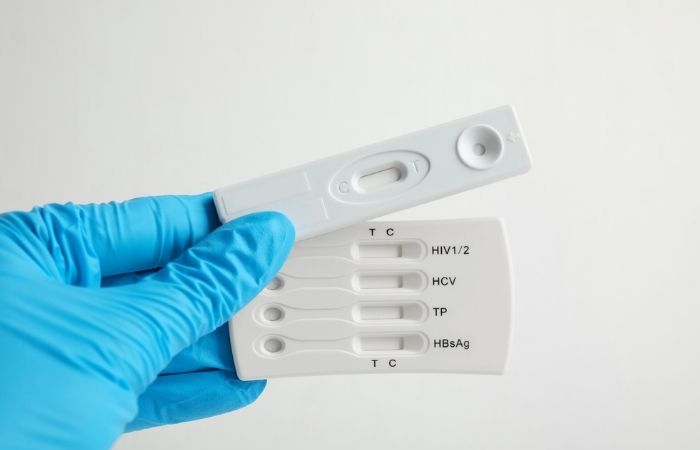
In cases where a sexually transmitted disease is a possibility, a medical provider will often perform a series of medical tests for diseases such as chlamydia or gonorrhea. In many cases, these medical tests only require a urine or swab test, allowing for results in a short period of time.
In many cases today, a person can avoid a medical provider altogether by utilizing a service such as STD Test Kits.
Simple Prevention Habits That Help Most
Once people understand the biology behind genital odor, prevention becomes much easier. The goal isn’t perfection, it’s simply keeping the environment around the genitals balanced and healthy.
| Habit | Why It Helps |
|---|---|
| Wash the groin daily with mild soap | Removes sweat, oils, and bacteria |
| Dry the area completely after showering | Prevents microbial growth in moisture |
| Wear breathable cotton underwear | Improves airflow and reduces sweat buildup |
| Change clothes after exercise | Prevents bacteria from multiplying in damp fabric |
| Practice safer sex and regular testing | Reduces risk of sexually transmitted infections |
FAQs
- 1. Is bad smell with origins in my penis and which I suspect is caused by an STD something I should worry about?
- No, bad smell with origins in the penis is not something to worry about if it is caused by an STD. STDs do not come with bad smell; instead, they come with discharge, painful urination, or sores.
- 2. Why is my penis smelling like fish after sex?
- The pH level in my genitals may have changed after sex; hence, bacteria in my penis may be smelling due to the pH level in my genitals.
- 3. Is Smegma dangerous?
- Although Smegma is not dangerous, it may come with a bad smell and discomfort if it accumulates in my penis.
- 4. Is poor hygiene a reason for a bad smell in my penis?
- Yes, poor hygiene is one of the leading causes of bad smell in my penis. Due to sweating in my genital area, bacteria may have accumulated in my penis.
- 5. What infection is likely to cause bad smell in my penis?
- Balanitis is one of the leading causes of irritation due to bad smell in my penis. It is caused by infection in my penis head.
- 6. Can yeast infection in men produce an odor?
- Yes, a small odor of yeast is present in men who are suffering from yeast infection, and redness, itching, and irritability are also present in the area of the penis.
- 7. How long does genital odor persist before seeking medical help?
- It is always better to consult a doctor when the odor is present in the genital area for more than a week or ten days, despite maintaining good personal hygiene in that area.
- 8. Can sweat be the cause of genital odor?
- Yes, absolutely, as there are glands present in that area that contain compounds that are broken down by bacteria and produce a pungent odor, especially after physical activities and in hot weather.
- 9. Are at-home STD tests accurate?
- Yes, they are very accurate, and it is always better to use at-home STD tests and get yourself tested before visiting a doctor.
- 10. Do I need to get tested if the only symptom I'm experiencing is genital odor?
- No, in such cases where the only symptom is odor and it is eliminated by good personal hygiene, there is no need to get tested.
What Treatment Looks Like Once the Cause Is Known
What the treatment does depends on the cause of the smell. If the bacteria are building up because of poor hygiene and sweating, then washing more frequently and wearing clothes that allow air to pass through them can help. In this case, there is no need for any medication.
Antifungal creams are generally required when the infection is jock itch or when balanitis is caused by yeast. Antifungal creams slow down the growth of the yeast cells and restore the natural balance in the body. Within a matter of days after the start of the medication, the infection will show visible changes.
In the case of bacterial infections, the doctor needs to prescribe the patient antibiotics. If the patient has acquired sexually transmitted infections such as gonorrhea and chlamydia, then they are easily treatable. The main thing is to be aware of the situation so the appropriate treatment can be administered.
How We Sourced This Article: This guide was developed using current sexual health guidance from major medical organizations along with peer-reviewed research on sexually transmitted infections, skin microbiomes, and male genital conditions. Around fifteen clinical and lifestyle sources informed the writing, and the most relevant reader-friendly references are listed below.