Swab vs Blood STD Tests: What’s the Difference and Which Is More Accurate?
Quick Answer: Swab STD tests detect infections like chlamydia and gonorrhea directly at the site of infection and are often more accurate than blood tests for those conditions. Imagine this scenario. No fever. No rash.
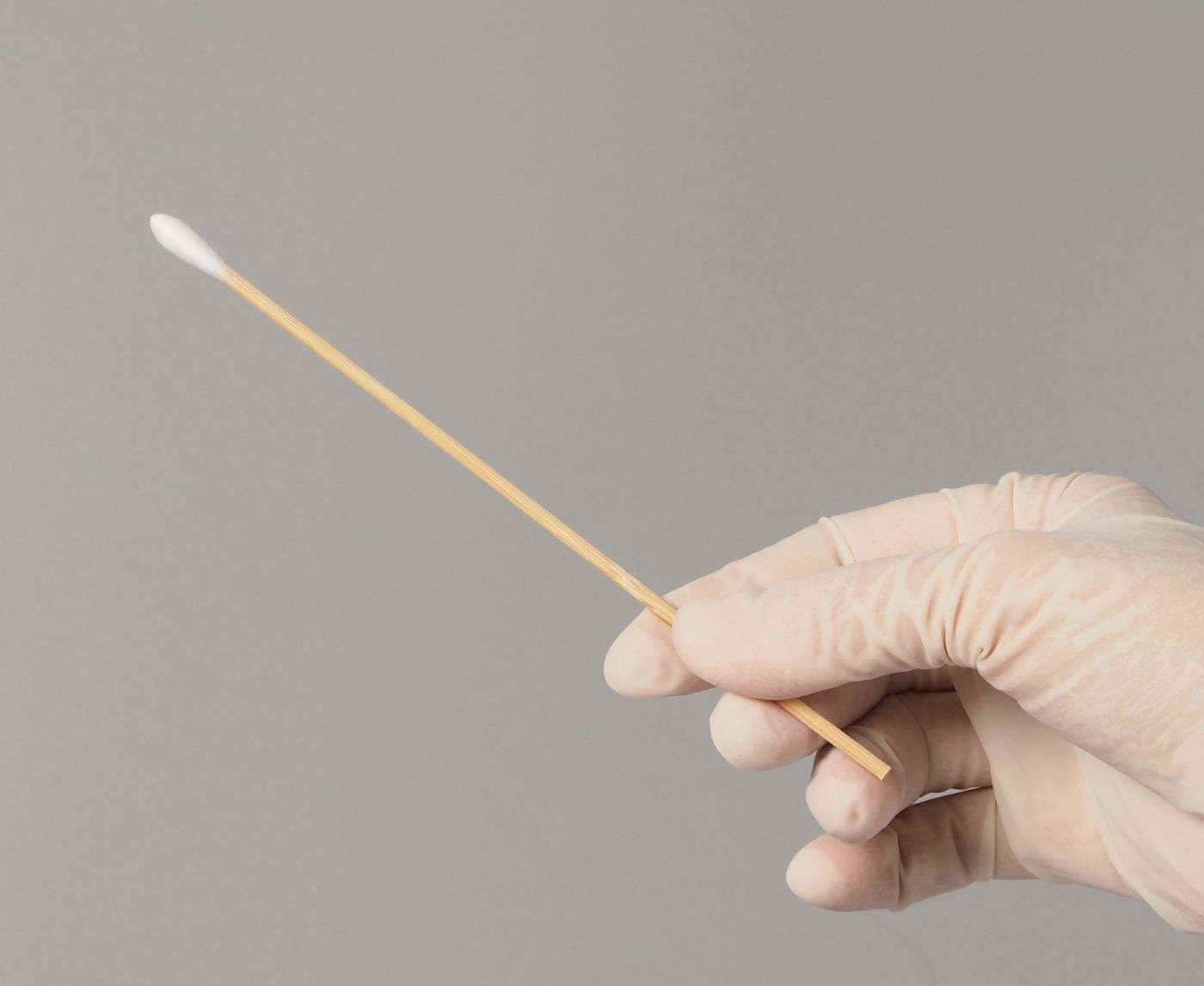
Quick Answer: Swab STD tests detect infections like chlamydia and gonorrhea directly at the site of infection and are often more accurate than blood tests for those conditions. Blood tests are used for infections that circulate in the bloodstream, such as HIV and syphilis.
Not All STDs Live in Your Blood
Here’s the part most people aren’t told clearly: different infections behave differently inside the body. Some stay localized in the throat, genitals, or rectum. Others spread through the bloodstream and trigger systemic immune responses. The type of test your doctor chooses depends on where the infection lives and how it shows up biologically.
Imagine this scenario. Jamie had unprotected oral sex two weeks ago and now has a persistent sore throat. No fever. No rash. Just irritation that won’t go away. If Jamie’s doctor ordered only a blood test, they could easily miss throat gonorrhea, because that infection doesn’t reliably show up in blood panels. A throat swab, however, tests the exact site where bacteria might be hiding.
This is where science meets logic. Testing the location of exposure is often more accurate than scanning the bloodstream and hoping something shows up.
How Swab Tests Actually Work
The most common way to do swab tests for infections like chlamydia and gonorrhea is with nucleic acid amplification testing, or NAAT for short. NAAT doesn't look for antibodies in your blood; it looks for the bacteria's own genetic material. That means it can detect infection even before your immune system mounts a measurable antibody response.
Think of it like this. A blood test is often looking for your body’s reaction. A swab test is looking for the actual intruder.
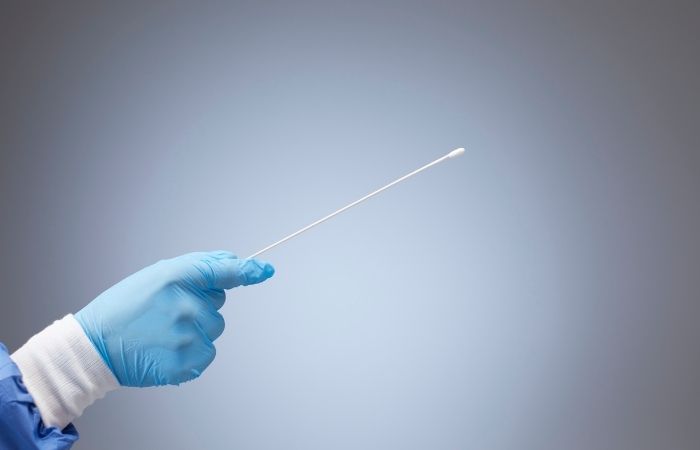
If bacteria are present in the cervix, urethra, throat, or rectum, a swab collects cells from that exact location. The test then amplifies even tiny traces of bacterial DNA. That’s why swabs are often considered the gold standard for detecting localized bacterial STDs.
| STD | Best Sample Type | Why This Sample Works Best |
|---|---|---|
| Chlamydia | Swab or urine (NAAT) | Detects bacterial DNA at infection site |
| Gonorrhea | Swab or urine (NAAT) | Localized infection rarely detected in blood |
| Trichomoniasis | Vaginal swab | Parasite lives in genital tract |
| HIV | Blood | Virus circulates in bloodstream |
| Syphilis | Blood | Detected via antibodies in blood |
Do you see how it works? Swabs are usually more accurate if the infection stays in mucosal tissue. If the infection spreads systemically, blood testing becomes essential.
Why Blood Tests Aren’t “More Thorough”
There’s a quiet myth that blood testing is somehow more complete. It feels serious. Clinical. Definitive. But thoroughness isn’t about the sample type. It’s about matching the right test to the right infection.
Picture another micro-scene. Alex leaves a clinic frustrated because they “only” got a swab after genital symptoms. They worry the doctor didn’t test for everything. In reality, if Alex’s concern was chlamydia or gonorrhea, a swab was not only appropriate, it was more precise than blood would have been.
Blood tests for those infections are not standard because the bacteria typically do not circulate in detectable amounts in the bloodstream during early or uncomplicated infection. Testing blood in that situation could actually increase the risk of a false negative.
This is where timing also matters. Blood tests for infections like HIV and syphilis rely on antibody development, which can take weeks. Swab-based NAAT testing can detect bacterial infections sooner after exposure.
| Infection | Typical Detectable Window | Test Type | Why Timing Matters |
|---|---|---|---|
| Chlamydia | 7–14 days | Swab or urine NAAT | Detects bacterial DNA before symptoms appear |
| Gonorrhea | 7–14 days | Swab or urine NAAT | Localized infection detectable early |
| Syphilis | 3–6 weeks | Blood antibody test | Requires immune response to be measurable |
| HIV | 2–6 weeks (Ag/Ab) | Blood test | Detects viral antigens and antibodies |
If you test too early with a blood test, your immune system may not have produced enough antibodies yet. That doesn’t mean you’re clear. It means biology is on its own timeline.
When Swabs Matter Even More Than Blood
Let’s talk about throat and rectal testing, because this is where misunderstandings become risky. Many people assume that if they had oral sex, a urine test or blood test will cover it. It often won’t.
If Taylor had receptive oral sex and develops mild throat discomfort, a throat swab is the correct diagnostic move. A urine test won’t detect throat gonorrhea. A blood test won’t either. Only sampling that exact tissue will give you a reliable answer.
The same applies to rectal exposure. Rectal infections can be entirely asymptomatic. No pain. No discharge. Nothing obvious. Without a rectal swab, those infections can go undetected and continue transmitting.
This isn’t about being invasive. It’s about being accurate.
Accuracy Isn’t About the Tool, It’s About the Match
When people search “swab vs blood STD test accuracy,” they’re usually afraid something was missed. The truth is simpler and more reassuring. Accuracy depends on matching the infection type, exposure site, and timing to the right testing method.
NAAT-based swab tests for chlamydia and gonorrhea have very high sensitivity, often above 95 percent when performed at the correct window. Modern fourth-generation blood tests for HIV are also highly accurate after the appropriate window period. Each tool is powerful when used correctly.
If you’re unsure whether you were tested comprehensively, you deserve clarity. You can always request confirmation of what specific infections were screened and what sample types were used.
And if privacy or access is part of your concern, you can explore discreet options directly through STD Rapid Test Kits, where both swab-based and blood-based at-home options are available depending on what you need.
When Blood Is Absolutely Necessary
Now let’s flip the script. There are situations where a swab would be incomplete, and blood testing becomes essential. This is especially true for infections that move beyond localized tissue and circulate through the body.
Picture Morgan, who had a new partner six weeks ago and now feels totally fine. No discharge. No sores. No burning. Just lingering anxiety. In this situation, blood testing for HIV and syphilis is critical because these infections often show few or no early symptoms, yet circulate systemically.
Syphilis, for example, is detected through antibody testing in blood. Even though it may begin with a localized sore, it rapidly becomes a bloodstream infection. A swab alone would miss the bigger picture. HIV testing works similarly. Modern antigen/antibody blood tests detect both early viral proteins and immune response markers, making blood the correct and necessary sample.
This is not either-or medicine. It is targeted medicine.
The Emotional Spiral: “Did They Test for Everything?”
Let’s talk about the real reason people Google “can an STD show up in blood but not a swab” at midnight. It’s not curiosity. It’s fear. Fear that something slipped through the cracks. Fear that the wrong test was chosen. Fear that reassurance was premature.
Riley left a clinic after a genital swab but no blood draw. Three days later, the anxiety kicked in. “What if they missed HIV?” they wondered. The reality is most clinicians order tests based on reported exposure risk. If HIV risk was present, blood would typically be included. If the exposure was limited and low-risk, providers sometimes tailor panels accordingly.
You are allowed to ask exactly what was tested. You are allowed to request additional screening. That is not dramatic. That is informed.
Understanding that swab and blood tests are designed for different pathogens can quiet the spiral. They are complementary tools, not competing ones.
Urine vs Swab: Why They’re Often Equivalent
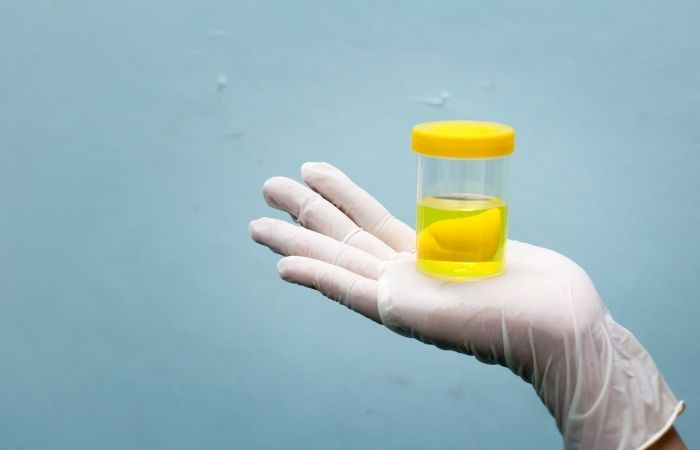
Another layer of confusion shows up when someone searches “STD urine vs swab accuracy.” For many bacterial infections, especially chlamydia and gonorrhea, urine NAAT testing is highly comparable to urethral swabs in people with penises. In people with cervixes, vaginal swabs often outperform urine slightly in sensitivity.
That difference isn’t dramatic, but it is measurable. Vaginal swabs collect cells directly from the infection site, while urine captures shed bacteria. Both are effective, but direct sampling sometimes edges out in accuracy.
| Infection | Sample Type | Relative Sensitivity | Best Used When |
|---|---|---|---|
| Chlamydia | Vaginal swab | Very high | Routine screening in people with cervix |
| Chlamydia | Urine | High | Non-invasive screening option |
| Gonorrhea | Urethral swab | Very high | Symptomatic discharge |
| Gonorrhea | Urine | High | Routine screening without symptoms |
If your provider chose urine instead of a swab, that does not mean they downgraded your test. It means they selected an option with strong evidence behind it that may have been more comfortable or practical in that moment.
What About Rapid At-Home Swabs?
Let’s zoom out of the clinic for a second. Many people now search “at home STD swab test accuracy” because access, privacy, or scheduling makes in-person visits complicated.
Think about Sam, who lives in a small town where everyone knows each other. It feels like you're being watched when you walk into the local clinic. It seems easy to order a discreet swab-based test kit. When used correctly and at the right time, modern NAAT-based kits and rapid antigen tests can give you reliable results at home.
What matters most is following instructions carefully and respecting window periods. Testing too soon after exposure can reduce accuracy, whether the test is done at home or in a clinic.
If privacy is part of your calculus, you can explore discreet options through the Combo STD Home Test Kit, which screens for multiple infections using the appropriate sample types for each. The key is not guessing. It is matching your exposure to the correct test.
False Negatives: The Real Risk Isn’t the Swab
When someone receives a negative result but symptoms persist, the blame often falls on the test type. “Maybe I should have done blood instead of a swab,” they think. But most false negatives come down to timing, not sample hierarchy.
Jordan tested for chlamydia five days after exposure and received a negative result. Two weeks later, symptoms appeared and a repeat test was positive. The first test wasn’t wrong because it was a swab. It was too early in the infection cycle.
Window periods matter more than sample preference. Testing after the recommended detection window significantly increases accuracy. If symptoms continue despite a negative result, retesting is not paranoia. It is good clinical sense.
The Bottom Line: Swab vs Blood Is About Biology, Not Severity
A swab does not mean something is worse. A blood draw does not mean something is more serious. These tools are designed for different biological behaviors.
Swabs detect infections where they live. Blood detects infections that travel. Urine offers a non-invasive alternative with strong performance in many cases. The most accurate STD test is the one that matches your exposure, timing, and anatomy.
If you’re still unsure whether your screening covered what you’re worried about, clarity is one conversation or one test away. You can review discreet screening options anytime through STD Rapid Test Kits and choose a method that aligns with your exposure and peace of mind.
How to Advocate for the Right Test Without Feeling Awkward
There’s a quiet moment in most appointments where you want to ask a follow-up question but hesitate. Maybe the room feels rushed. Maybe you don’t want to sound like you’re questioning the clinician. Maybe you’re worried you’ll look anxious. So you nod, leave, and Google later.
You don’t have to do that.
If you had oral sex and didn’t receive a throat swab, you can say, “Should we test the throat as well?” If you’re unsure whether blood screening was included, you can ask, “Did we check for HIV and syphilis too?” That’s not confrontational. That’s collaborative care.
Think of it this way. Your provider brings medical training. You bring context. You know exactly what kind of exposure happened. You know whether the condom broke, whether there was oral contact, whether symptoms showed up five days later or three weeks later. That information changes what tests are appropriate.
And if you left the clinic still unsure, you’re not locked out of answers. You can request lab records. You can schedule follow-up screening. You can choose discreet testing on your own timeline.
Testing is not a one-time pass-or-fail event. It’s a snapshot. Sometimes that snapshot needs to be retaken depending on timing, exposure, or evolving symptoms. That doesn’t mean something was mishandled. It means infection detection follows biology, not panic.
The goal isn’t to collect every possible test. It’s to collect the right ones.
Swab versus blood is not a hierarchy. It’s a map. When you understand what each tool is designed to find, the anxiety softens. You’re no longer guessing. You’re making informed decisions.
And informed decisions are the opposite of spiraling.
FAQs
- 1. Wait… so is a swab actually better than a blood test?
- It’s not about better. It’s about location. If the infection lives in your throat, cervix, urethra, or rectum, a swab is usually the smartest way to catch it. If it circulates in your bloodstream, like HIV or syphilis, then blood is the right move. Think of it like fishing, you cast the line where the fish actually are.
- 2. Does a swab mean I definitely have something?
- No. A swab means your provider is being precise. It’s targeted testing, not a red flag. If you had oral sex and they swabbed your throat, that’s not suspicion, that’s accuracy.
- 3. Why didn’t they just test my blood for everything to be safe?
- Because blood doesn’t show everything. Infections like chlamydia and gonorrhea don’t reliably show up in blood during early or uncomplicated infection. Testing blood for those could actually miss what a swab would detect in days.
- 4. I had symptoms but my swab was negative. Did they mess up?
- Not necessarily. Timing is the most common reason for false negatives. If you tested too soon after exposure, the bacteria might not have multiplied enough to detect yet. If symptoms continue, retesting after the recommended window period is completely reasonable, and smart.
- 5. Can an STD show up in blood but not on a swab?
- Yes. That’s exactly how systemic infections work. HIV and syphilis are typically detected in blood because they move through your body. A genital swab would not reliably catch them.
- 6. Do I really need a throat or rectal swab? That feels like overkill.
- It might feel that way, but those infections can live quietly in those tissues without obvious symptoms. A urine test won’t detect throat infection. A blood test won’t either. If exposure happened there, testing there makes sense. It’s not dramatic, it’s thorough.
- 7. Are at-home swab tests actually legit?
- A lot of people use the same molecular detection methods that clinics do. The most important things are following directions and timing. It doesn't matter where the test was ordered from; what matters is swabbing the right spot, sealing the sample correctly, and following the window periods.
- 8.What if I'm still worried after a bad test?
- That’s human. Testing clears infection status, but anxiety sometimes lingers. If your test was done at the right time and matched to your exposure, you can trust it. If you’re unsure about timing, retesting for peace of mind is allowed. Sexual health isn’t about proving you were reckless. It’s about staying informed.
- 9. Is urine worse than a swab?
- For many bacterial infections, urine performs very well. In people with cervixes, vaginal swabs may edge out urine slightly in sensitivity. In people with penises, urine testing is often highly reliable. Your provider usually chooses based on anatomy and practicality, not laziness.
- 10. If I want to be completely covered, what should I ask for?
- You can say something simple: “I’d like a full panel based on my exposure, including blood tests for systemic infections and swabs where appropriate.” Clear. Calm. Direct. You’re not being difficult. You’re being informed.
You Deserve Answers, Not Assumptions
It’s easy to let your imagination fill in the blanks after a medical appointment. A swab instead of blood can feel like something was skipped. Or worse, like something serious is hiding. But testing isn’t about drama. It’s about biology. And biology is specific.
Swabs catch infections where they live. Blood tests catch infections that travel. Urine can be just as reliable as a swab in certain situations. None of these tools are “better” in isolation. They’re powerful when they match your exposure, your timing, and your body.
If you walked out of a clinic wondering whether you were fully covered, that doesn’t make you paranoid. It makes you thoughtful. You’re allowed to ask what was tested. You’re allowed to request additional screening. And you’re allowed to choose a method that feels private, thorough, and aligned with your peace of mind.
If you want to double-check or screen comprehensively from home, you can explore discreet options through this at-home combo STD test kit, which uses the appropriate sample type for each infection it screens. No guessing. No assumptions. Just clarity.
Your sexual health isn’t a moral scorecard. It’s maintenance. It’s information. It’s care. And you should get answers based on science, not on fear.
How We Sourced This Article: This guide is based on the most recent clinical testing guidelines, peer-reviewed research on the sensitivity and specificity of NAAT, and public health recommendations from agencies like the WHO and CDC. We used both scientific evidence and empirical data to ensure that this article is realistic and medically accurate.
- CDC Sexually Transmitted Infection Treatment Guidelines
- World Health Organization STI Fact Sheet
- Planned Parenthood's STD Education
- HIV.gov: A Guide to HIV Testing
- MedlinePlus – Sexually Transmitted Infection (STI) Tests
- Cleveland Clinic – STD/STI Testing: What To Expect
- U.S. Preventive Services Task Force – Chlamydia and Gonorrhea: Screening
- BMJ Open – Performance of NAATs for Chlamydia and Gonorrhoea Detection Using Vaginal, Cervical, and Urine Specimens