The Hidden History of HIV Testing in the U.S., From Fear to Fingerpricks
Quick Answer: HIV testing in the U.S. began in 1985 with antibody blood tests that were slow, centralized, and stigmatizing. 1981–1985: The Silent Years of the HIV Crisis Before there was testing, there was guessing.

Quick Answer: HIV testing in the U.S. began in 1985 with antibody blood tests that were slow, centralized, and stigmatizing. Today, tests are rapid, private, and available at home, thanks to decades of activism, innovation, and public health transformation.
1981–1985: The Silent Years of the HIV Crisis
Before there was testing, there was guessing. Between 1981 and 1985, the virus we now call HIV was still a mystery. It first appeared as a cluster of rare infections in gay men, reported by the CDC in June 1981, but doctors didn’t know what they were dealing with. Patients were dying of Kaposi sarcoma, PCP pneumonia, and wasting syndrome, but there was no way to test for a virus that hadn’t been discovered yet.
These early years were defined by raw terror. Rumors spread faster than science. Gay communities bore the brunt of the epidemic, often facing isolation, job loss, and brutal stigma without even knowing if they were infected. Clinics refused to treat them. Funeral homes turned them away. The phrase “the gay plague” appeared in headlines, driving fear instead of facts.
Without a test, there was no diagnosis. Without diagnosis, there was no treatment, no data, and no funding. That absence was political as much as it was scientific. The Reagan administration was notoriously silent during the early epidemic, and testing lagged as a result. In those years, knowing your status wasn’t a right. It was a risk.
1985: The First HIV Test (And All Its Caveats)
Everything changed in March 1985, when the U.S. FDA approved the first HIV antibody test. Called the ELISA (enzyme-linked immunosorbent assay), it detected antibodies that the immune system made in response to HIV. But it was no quick fix.
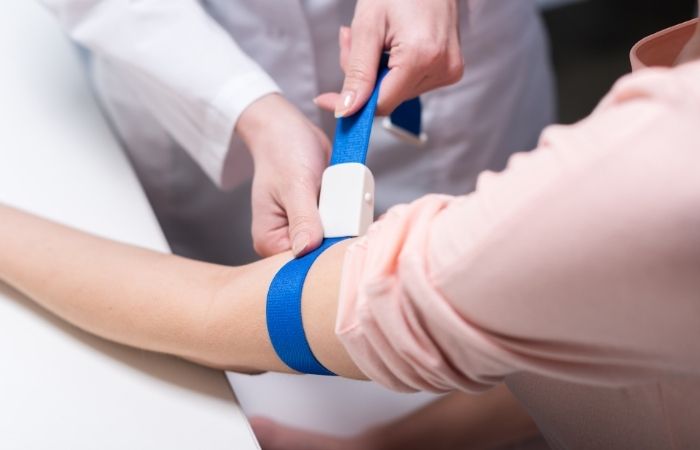
The early ELISA tests required a blood draw, lab analysis, and follow-up visits. Turnaround times ranged from days to weeks. More critically, the test wasn’t anonymous. People had to show ID. Results were reported to insurance companies, employers, and, in some states, even law enforcement. That kind of visibility could destroy a life.
One anonymous account from 1986 describes a 24-year-old man in Chicago who waited two weeks for his result, only to be denied life insurance when it came back positive. “I shouldn’t have gone,” he said. “Now I’m uninsurable, and I can’t even tell anyone.” For many, not knowing was safer than knowing.
Here’s how the early HIV testing process compared to modern-day options:
| Era | Test Type | Turnaround Time | Privacy | Risk of Stigma |
|---|---|---|---|---|
| 1985 ELISA | Blood-based antibody test | 7–14 days | Low | High |
| 2025 Rapid Test | Oral swab or fingerprick | 20 minutes or less | High | Low |
Table 1: HIV testing before and after rapid diagnostics. Early tests were invasive and institutional; modern tests are user-driven and private.
People are aslo reading: Syphilis Is Surging in Alabama, Don’t Wait to Get Tested
Late '80s to Mid-'90s: The Fight for Anonymous Testing
By 1987, activists were demanding more than just access, they wanted control. Anonymous testing became a rallying cry across cities like San Francisco, New York, and Los Angeles. Clinics began offering walk-in services where you could be tested with just a number, no name. This shift wasn’t just about privacy, it was about survival.
At the time, a positive HIV test could cost you everything. People lost jobs, were denied housing, and became medical pariahs. The backlash against mandatory reporting was fierce. AIDS organizations like ACT UP fought to make testing a right, not a punishment.
Despite these efforts, many still avoided testing altogether. A 1992 CDC study found that nearly 40% of people who tested positive hadn’t known their status a year earlier. Fear, not ignorance, was driving the epidemic underground. As one activist said at the time, “We don’t need more tests. We need safety around testing.”
Mid-'90s to Early 2000s: The Era of Rapid Testing Begins
By the mid-1990s, science was moving faster than public perception. Antiretroviral therapy (ART) was changing what it meant to test positive for HIV. It was no longer a death sentence, but many people still feared the test itself more than the virus. That began to shift in 1996, when a breakthrough changed everything: the first rapid HIV test was approved in the U.S.
Unlike the older ELISA and Western blot combo, this new test didn’t require a lab, refrigeration, or a multi-day wait. It used a small blood sample and delivered results in under 30 minutes. Suddenly, testing could happen in real time, on outreach vans, in shelters, at music festivals, even in prison intake centers.
A woman named Carla, who worked at a women’s shelter in Boston, recalls her first time facilitating a rapid HIV test in 1998. “She was crying the whole time,” Carla said of her client. “Not because she was scared. Because she finally felt like she mattered. Someone was helping her, not judging her.” That was the quiet revolution: HIV testing was starting to become care, not condemnation.
In 2003, the FDA gave the OraQuick rapid test the green light for use in clinics. A simple oral swab could give a result in 20 minutes. We now take for granted tests that are quick, don't hurt, and focus on the person, not just the virus.
Racial Disparities in Testing Access
Even as technology advanced, not everyone benefited equally. Communities of color, particularly Black and Latinx Americans, faced deep systemic barriers to HIV testing and treatment access. In many states, testing sites were scarce in majority-Black neighborhoods. Mobile vans were more common in white or urban gay communities, while rural areas were often left behind.
In 2008, a study published in the journal AIDS and Behavior showed that Black Americans were more likely to be diagnosed late, despite engaging in testing at similar or even higher rates than white individuals. The issue wasn’t willingness, it was structural racism baked into where and how resources were distributed.
Faith-based stigma also played a role. In the South, where churches often dominated public life, testing was seen as an admission of sin. Many clinics didn’t offer privacy. Some required parental notification for teens. Others demanded proof of citizenship. These barriers weren’t accidental, they were designed to control, not to care.
The irony? These same communities were often the most at risk. By 2010, nearly half of all new HIV diagnoses in the U.S. were among Black Americans, even though they made up only 13% of the population. Testing wasn’t just about awareness, it was about survival.
The Birth of At-Home HIV Testing
In 2012, a quiet but seismic shift occurred. The FDA approved the first at-home HIV test available without a prescription: OraQuick In-Home HIV Test. It used an oral swab and promised results in 20 minutes, with no blood, no lab, and no doctor visit.
For many, this was the first time they felt fully in control of their health. You could walk into a drugstore, pick up a test like a box of Tylenol, and take it in your bedroom. No waiting room. No clipboard. No shame.
Let’s look at how HIV testing technology evolved over time:
| Year | Testing Milestone | Impact on Access |
|---|---|---|
| 1985 | ELISA antibody test approved | Slow, institutional, high stigma |
| 1996 | First rapid HIV test approved | Point-of-care testing begins |
| 2003 | OraQuick rapid oral swab for clinical use | Non-blood option opens doors |
| 2012 | FDA approves first at-home test | Private, no-lab, over-the-counter testing |
| 2020s | Online ordering of combo STD test kits | Discreet, fast, stigma-free access |
Table 2: Timeline of key HIV testing innovations. Every change shows not only science but also culture and politics.
Still, even the OraQuick test had limits. It was less sensitive in the early stages of infection, especially during the HIV window period. People were encouraged to retest if exposure had occurred in the past three months, which created confusion and occasional false security.
But the emotional impact was profound. For the first time, testing didn’t have to involve another person. You could take the test in silence, process alone or with a partner, and decide what to do next. That privacy was revolutionary for people still living with shame, fear, or trauma from earlier testing eras.
This quiet revolution paved the way for even broader testing solutions, including at-home combo kits that screen for multiple STDs, including HIV, at once. These kits are especially valuable for people navigating new relationships, open partnerships, or healthcare deserts.
COVID-19 and the Rise of Self-Testing Culture
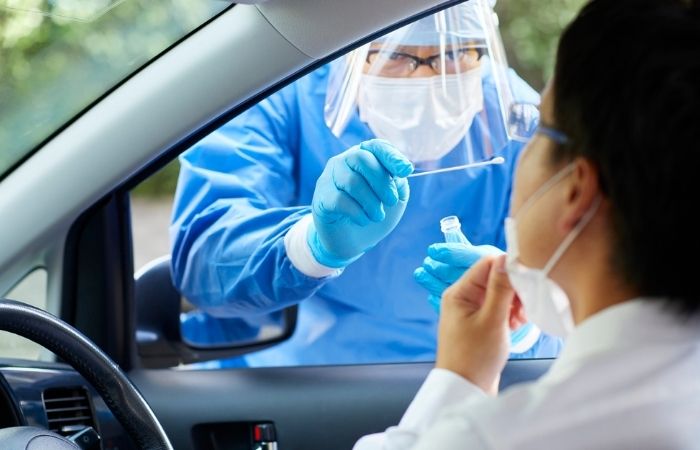
The COVID-19 pandemic did something that decades of public health messaging couldn't: it normalized testing. In 2020 and 2021, millions of Americans swabbed their noses in bathrooms, stood in drive-thru lines, and watched for lines to appear on test cassettes, sometimes daily. Testing, suddenly, became routine. And that changed everything for HIV.
During COVID, many clinics paused in-person STD testing. Demand for at-home kits soared. Companies responded by offering broader combo panels, improved packaging, clearer instructions, and faster results. People who had never tested for HIV before suddenly found it no different than checking for the flu. The fear was still there, but the mechanics were now familiar.
One user in a Reddit thread from 2022 described taking their first HIV test while recovering from COVID isolation: “I figured, why not? I was already in a spiral. Might as well clear the air.” That test came back negative, and the person said they finally slept well for the first time in weeks. This kind of casual, self-empowered testing would’ve been unimaginable in the early ‘90s. Now, it’s quietly reshaping how we deal with risk, reassurance, and responsibility.
The ripple effect of this shift is clear: more people are testing more often, and they’re doing it on their own terms. For the first time, testing isn’t a gate, it’s a gateway to control, calm, and clarity.
People are aslo reading: Why Syphilis Is Spiking Among Straight Men, and Why It Matters
HIV Testing in 2025: Private, Fast, and Person-First
Today, you can order a rapid HIV test kit online and have it delivered in discreet packaging within days. It takes about 15 minutes to perform. Most come with support lines or QR codes for follow-up resources. You never have to walk into a clinic if you don’t want to.
And the science? It’s solid. After the window period, modern rapid tests are more than 99% sensitive. Most of them take blood samples from a finger prick or swabs from the mouth. Some also test for other STDs, like chlamydia, gonorrhea, and syphilis, which helps people deal with more than one risk at a time.
But while the technology has matured, the emotions around testing haven’t entirely caught up. Shame, fear, and misinformation still shape behavior. Some people put off testing because they “don’t want to know.” Others assume symptoms must appear if they’re infected, when in fact, HIV can go years without showing any signs.
Here’s how today’s most common HIV testing options compare:
| Test Type | Sample | Window Period | Result Time | Privacy |
|---|---|---|---|---|
| At-Home Rapid (OraQuick) | Oral swab | 3–12 weeks | 20 minutes | Very High |
| Lab-Based Antigen/Antibody | Blood draw | 18–45 days | 1–3 days | Moderate |
| At-Home Combo Kit | Fingerprick blood | 2–12 weeks | 15–20 minutes | Very High |
Table 3: Comparison of current HIV test formats. Each serves different needs depending on timing, privacy, and risk level.
And yet, even with these options, some groups remain underserved. Undocumented individuals may fear government tracking. LGBTQ+ teens may not feel safe receiving a kit at home. People with past trauma from medical systems may delay testing even when they want it. That’s why cultural sensitivity, trauma-informed care, and accessible language matter more than ever.
It’s not just about making tests easier. It’s about making people feel safe enough to use them.
Stigma Isn’t Gone, But It’s Changing
In 2025, we no longer talk about HIV the way we did in the 1980s. We understand it. We treat it. People live full lives with it. But that doesn’t mean the fear has disappeared. It’s just gotten quieter, sneakier, more internalized.
One anonymous post on a health forum shared this: “I’m 28, I’ve never tested positive, but every time I take an HIV test I feel like I’m being judged. Like somehow I deserve it.” That feeling, that moral weight around testing, still haunts too many people.
And it’s not always rooted in religion or upbringing. Sometimes it’s just fear of being left, fear of being “dirty,” fear of not knowing who to tell. That’s why modern testing conversations must go beyond the kit. We need to talk about trust, pleasure, autonomy, and shame, and how all of those show up the moment someone considers taking a test.
For many, the test is not about the virus. It’s about what it says about them. That’s where we still have work to do.
FAQs
- 1. When did HIV testing actually start?
- Officially, HIV testing kicked off in 1985, four long years after the virus first showed up in U.S. headlines. People were dying without even knowing what they had. The first test, called ELISA, was blood-based and required a lab. It was a breakthrough, but also terrifying. You had to give your name. You could be reported. For many, testing felt riskier than staying silent.
- 2. Can I trust an at-home HIV test today?
- Yes, and here’s why: modern rapid HIV tests like OraQuick are over 99% accurate when used after the window period. They’re FDA-approved, easy to use, and backed by decades of science. You swab your gums, set a timer, and get answers in about 20 minutes. No doctor, no lab, no waiting room side-eyes.
- 3. What exactly is the HIV window period?
- Think of it like the “sneaky phase” after exposure. The virus is in your body, but tests might not detect it yet. Most rapid tests need 3 to 12 weeks to turn positive. So if you test too soon, a negative result doesn’t mean you’re in the clear. Wait it out, or plan to retest. Your future self will thank you.
- 4. What if my home HIV test shows a positive result?
- First: breathe. A reactive result on a home test means you need a confirmatory lab test to be sure. It doesn’t mean you’re definitely positive. It means it’s time to check again, with help. You can call a local clinic or use the number provided in your kit. And remember: if it is confirmed, treatment is available and effective. You are not alone in this.
- 5. Can you have HIV and feel totally fine?
- Absolutely, and that’s exactly why testing matters. Many people with HIV have no symptoms for years. You can feel great, look great, live normally, and still carry the virus without knowing it. It’s not about how you feel. It’s about what’s in your blood (or saliva). That's why doing tests on a regular basis is not paranoid but self-care.
- 6. What causes a false negative?
- Timing, mostly. If you test during the window period, before your body has built up enough antibodies, the result might miss it. That’s why experts recommend testing at least 2 to 4 weeks after exposure, and again at 12 weeks for final clarity. Also, don’t skip instructions. Even tiny mistakes (like not swabbing fully) can mess with your result.
- 7. Are HIV tests anonymous?
- Some are. At-home tests? Totally private. You don’t even have to leave your house. Clinics vary by state, some offer anonymous testing (you’re just a number), others require your name. Always ask. You have more control than you think.
- 8. Can I buy an HIV test online without a prescription?
- Yup. You can order one right now. Most sites, like STD Rapid Test Kits, ship in discreet packaging, no ID required. It’s legal, safe, and increasingly common. You don’t need a gatekeeper to know your status anymore.
- 9. Is HIV testing covered by insurance?
- In most cases, yes. Under the Affordable Care Act, routine HIV screening is supposed to be covered without copays. It is also covered by Medicaid and many private plans. But having insurance doesn't always mean you can get care. Free clinics and home testing options help fill in the gaps.
- 10. How often should I get tested?
- The CDC recommends everyone between 13 and 64 get tested at least once. But if you’ve had new partners, unprotected sex, shared needles, or just want peace of mind, test more often. Every 3 to 6 months is a good rhythm for anyone active or curious. Testing isn’t a confession, it’s a wellness check.
You Deserve Answers, Not Assumptions
More than just a medical timeline, the story of HIV testing in the U.S. is also a social one. It's a story of silence, shame, resistance, new ideas, and finally, access. We’ve gone from waiting weeks in fear to holding the power in our own hands. But knowing your status still takes courage. It always has.
If you’re thinking about testing, know this: you don’t have to prove anything to anyone. You’re not dirty. You’re not broken. You’re taking care of yourself, and that’s powerful.
Don’t wait and wonder, get the clarity you deserve. This at-home combo test kit checks for the most common STDs discreetly and quickly.
How We Sourced This Article: We combined current guidance from leading medical organizations with peer-reviewed research and lived-experience reporting to make this guide practical, compassionate, and accurate.
- World Health Organization – HIV/AIDS Fact Sheet
- KFF – The HIV/AIDS Epidemic in the U.S.
- HIV.gov – Testing Overview
- The AIDS Epidemic in the United States, 1981‑early 1990s
- Human Immunodeficiency Virus Diagnostic Testing: 30 Years of Evolution
- A Timeline of HIV and AIDS
- HIV Testing – NCBI Bookshelf (NIH)
- FDA’s Role in Preventing the Spread of HIV/AIDS
- HIV Testing in the United States – Kaiser Family Foundation
- Serologic Testing for Antibody to Human Immunodeficiency Virus (MMWR 1985–1993)
- Quick HIV Test Wins Approval — first oral fluid rapid HIV test (Wired, 2004)