Think It’s Just Irritation? These Chlamydia Symptoms Say Otherwise
Quick Answer: Men with chlamydia often have mild symptoms at first, like burning when they pee, itching inside the penis, or pain in the testicles. Many of these symptoms are mistaken for irritation.
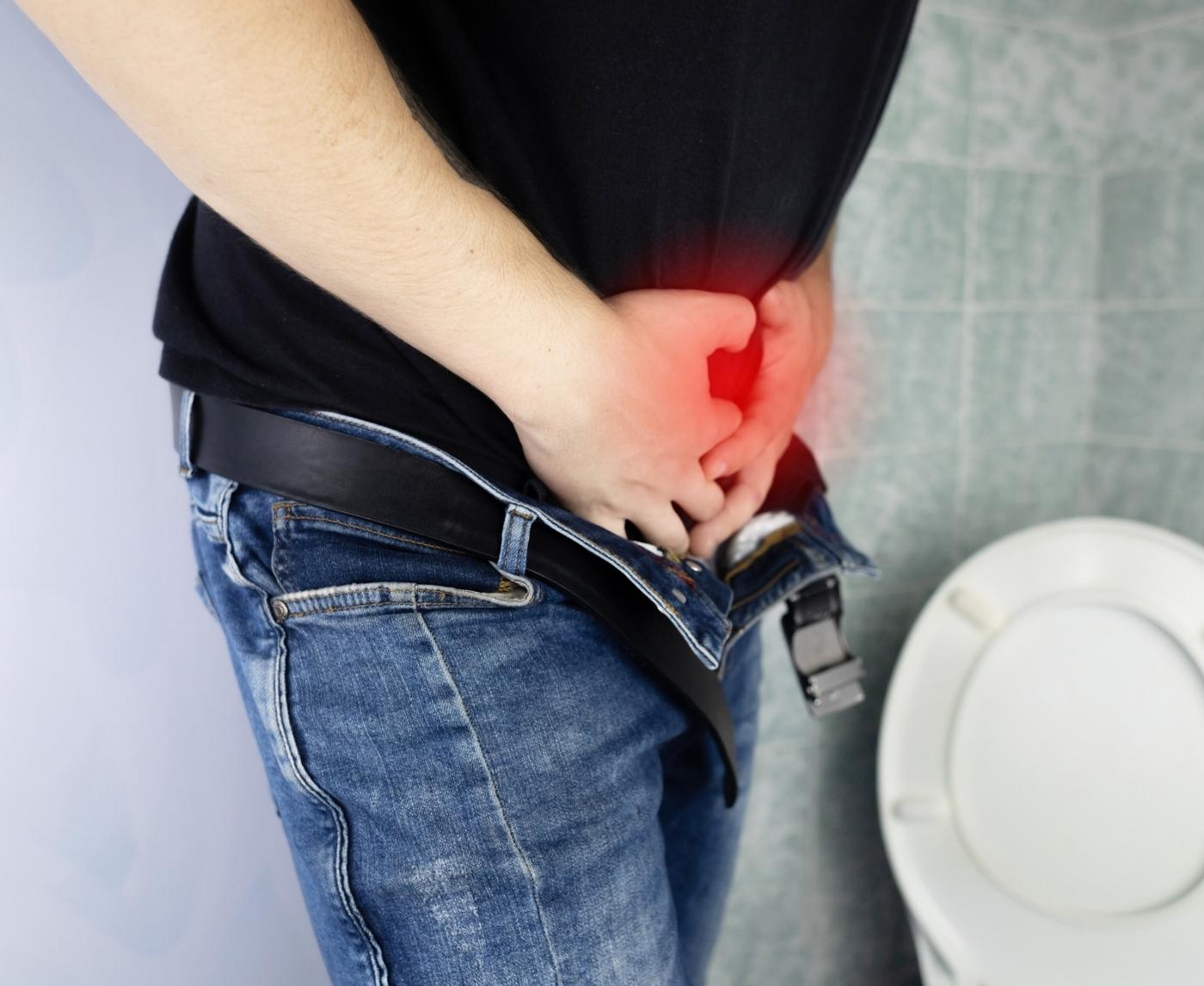
Quick Answer: Men with chlamydia often have mild symptoms at first, like burning when they pee, itching inside the penis, or pain in the testicles. Many of these symptoms are mistaken for irritation. It's easy to miss these early signs, but if you don't get treated for chlamydia, it can cause serious problems.
This Isn’t Just Razor Burn, And Here’s Why
Chlamydia is one of the most common bacterial STDs among men, and it’s notorious for how easily it slips under the radar. According to the CDC, many men don’t show symptoms at all. But when they do, the signs often mimic everyday discomforts: an itch after shaving, a sting from dehydration, or minor inflammation from vigorous sex.
What sets chlamydia apart is the persistence. That weird tingling or mild urethral burn doesn’t go away after a day or two. It might fluctuate, but it doesn’t resolve. This is where guys often miss the window to get tested, assuming it's nothing serious.
By the time symptoms ramp up, think cloudy discharge, sharp testicle pain, or pain during ejaculation, the infection has likely spread. Early detection isn’t just about feeling better faster. It’s about protecting your future fertility, your partners, and your peace of mind.
What Chlamydia Actually Feels Like for Men
Let’s break this down symptom-by-symptom, because real men don’t always show textbook signs, and Google isn’t always helpful. Here’s what guys report when they’re in the early stages of a chlamydia infection:
| Symptom | How It Feels | When to Be Concerned |
|---|---|---|
| Burning when urinating | Feels like a hot sting or razor-blade sensation in the urethra | When it lasts more than a day or worsens over time |
| Itchy or tingling penis tip | Mild internal itch, often ignored or blamed on friction | When it's persistent, especially without visible rash |
| Clear or cloudy discharge | May show up only in the morning or after arousal | Any unexpected discharge is a reason to test |
| Testicular pain or swelling | A dull ache, usually on one side | When it's new, consistent, or comes with other symptoms |
| Pain during ejaculation | Burning or aching sensation at climax | Often overlooked, get tested if it’s new |
Table 1: Common early symptoms of chlamydia in men, how they present, and when to seek testing.
Case Study: “I Thought It Was Just from Working Out”
Marcus, 28, had been dating someone new for a few weeks. He noticed a slight discomfort when peeing, nothing dramatic. He chalked it up to not drinking enough water. A week later, the discomfort was still there, and now one of his testicles felt sore. He assumed he strained something at the gym.
“It wasn’t even painful, just kind of nagging. I honestly didn’t think ‘STD’, I thought I’d pulled something doing squats.”
By the time Marcus got tested, the infection had spread to his epididymis, a structure near the testicle. He needed antibiotics and a follow-up. His partner also had to be treated, even though they had no symptoms. His regret? Not testing sooner.
But What If There’s No Discharge?
One of the biggest myths around STDs is that they always show up with discharge or sores. That’s just not true for chlamydia, especially in men. According to Planned Parenthood, most men with chlamydia don’t notice anything obvious. This is why it’s often called a “silent” infection.
In fact, discharge is one of the last symptoms to appear in many men. It’s more common to experience mild discomfort first, burning, itching, or testicle sensitivity. If you’re waiting to see gunk in your underwear before you take action, you might be waiting too long.
Silent symptoms don’t mean harmless. Untreated chlamydia can lead to epididymitis (painful testicle swelling), urethritis (urethral inflammation), and in some cases, infertility.
If you’re feeling unsure about what’s going on down there, consider using a discreet at-home chlamydia test kit. You don’t need to wait until it’s “obvious.”
When It’s Not a UTI, Jock Itch, or Razor Burn
A lot of men confuse chlamydia symptoms with other common issues, especially if the signs are subtle. You might think it’s a reaction to laundry detergent, or irritation from masturbating too often, or just a minor UTI. But here’s where things get complicated: chlamydia can mimic all of these, and still be spreading internally.
Let’s unpack a few of the common “wrong turns” men make before getting tested:
| Mistaken Condition | Why It’s Confused with Chlamydia | How to Tell the Difference |
|---|---|---|
| UTI (Urinary Tract Infection) | Burning while peeing is a shared symptom | UTIs are rarer in men and often come with fever or strong-smelling urine |
| Razor Burn or Friction | Itching or mild redness at the tip of the penis | Chlamydia symptoms come from inside the urethra and persist beyond surface irritation |
| Jock Itch or Heat Rash | Itching and redness near the groin | Rashes tend to be external and itchy; chlamydia symptoms are deeper and often without a rash |
Table 2: Common conditions mistaken for chlamydia, and how to spot the difference.
If your symptoms don’t resolve after a few days, or you’re sexually active and unsure of your partner’s status, assume chlamydia until ruled out. It’s safer, and faster, to test than guess.
How Long Does It Take for Symptoms to Show?
Another myth that gets people into trouble: the idea that STDs show up right away. In reality, chlamydia has an incubation period of about 7 to 21 days. That means if you’re feeling fine a few days after a new partner or a risky encounter, you might still be in the danger zone without knowing it.
Here's what the timeline looks like:
| Days Since Exposure | What to Expect |
|---|---|
| 0–6 days | Too early for symptoms or accurate testing in most cases |
| 7–14 days | Symptoms may begin to show; tests start to detect infection |
| 15–21 days | Symptoms usually visible if they appear at all; peak test accuracy |
| 21+ days | If still asymptomatic, test anyway, chlamydia can remain silent |
Figure 1: Chlamydia symptom and detection timeline in men based on days since exposure.
This is why timing your test matters. Testing too early might give a false negative, especially if your body hasn’t built up enough detectable bacteria. That’s why retesting is so important if you test early but still have symptoms.
How Chlamydia Spreads Without You Knowing
Yes, chlamydia is highly contagious, even when you have no symptoms. That means you can pass it to partners through oral, vaginal, or anal sex without even knowing you're infected. It doesn’t matter if you “feel clean.” It doesn’t matter if you used a condom most of the time. It doesn’t matter if you only had sex once.
According to the NHS, chlamydia bacteria live in semen, pre-cum, and vaginal fluids. They can infect the urethra, throat, and rectum, and be passed during any form of sexual contact, even without ejaculation.
Here’s what that means in real life:
You hook up with someone new. Condom slips halfway through. You don’t finish. You both feel fine. Three weeks later, your partner calls and says they tested positive. You don’t have symptoms, but you were still exposed, and you may be passing it to the next person, silently.
This is why regular testing matters, especially if you're not in a monogamous relationship. Even once-a-year testing can catch things early and protect your future health.
STD Rapid Test Kits offers discreet shipping and quick results with no clinic visit. Whether you’re sure or not, getting tested now beats guessing later.
“I Tested Negative, But Something Still Feels Off”
If you've already tested and got a negative result but symptoms persist, don’t panic, but don’t ignore it either. It might be that you tested too early. Most chlamydia tests (especially rapid tests) are most accurate after 14 days post-exposure.
In some cases, men test negative at first but still experience signs like a recurring burn or testicular pressure. One man we spoke to tested on day five after a condom broke during a hookup. The result was negative. But by day fifteen, symptoms had worsened, and a retest came back positive.
"I felt like an idiot for trusting the first test so soon. I just wanted to believe I was okay. Looking back, I should’ve waited a few more days or tested again sooner."
If your head keeps spinning, peace of mind is one test away. You can order a discreet at-home chlamydia test kit that gives you answers within minutes, no awkward clinic visit, no judgment.
Should You Retest? Here’s When It Matters
If you’ve already tested once, you might be wondering if it’s worth retesting. The answer? Often, yes, especially if your exposure was recent, your symptoms persist, or your first test was taken too early.
Here’s when men should strongly consider a second test:
| Situation | Reason to Retest | Suggested Timeframe |
|---|---|---|
| Tested before 7 days post-exposure | Possibility of false negative due to low bacterial load | Retest at 14+ days post-exposure |
| Symptoms appeared after testing | Infection may have developed post-test | Retest immediately and again in 1–2 weeks if negative |
| Partner tests positive | Even if you're symptom-free, exposure likely occurred | Test ASAP, regardless of symptoms |
| Previous positive, now treated | Ensure treatment worked and no reinfection happened | Retest 3–4 weeks after antibiotics |
Table 3: Retesting scenarios for men potentially exposed to or recovering from chlamydia.
Remember: a test is only a snapshot. If your situation changes, or symptoms evolve, it’s okay to test again. It doesn’t make you paranoid. It makes you responsible.
Rapid Test vs Lab Test: What’s Best for You?
Most men choose between two options when testing for chlamydia: at-home rapid tests or lab-based mail-in tests. Both work well, but they meet different needs.
Imagine this: you're on a weekend trip, feeling that familiar burn, and don’t want to deal with a clinic. A rapid test gives you fast reassurance, on your schedule. On the other hand, if you've had repeated infections or multiple partners, a lab test offers extra sensitivity and can double-check multiple STDs at once.
| Method | Privacy | Speed | Best For |
|---|---|---|---|
| At-Home Rapid Test | Very high | Results in 15–20 minutes | Quick answers, early detection, private testing at home |
| Mail-In Lab Kit | High | 1–3 business days after mailing | Confirmatory testing, bundled STD panels, or recurrent symptoms |
| Clinic Testing | Moderate | Same-day to several days | High-risk exposure, complex symptoms, or visible lesions |
Figure 2: Comparing testing options for men with suspected chlamydia symptoms.
STD Rapid Test Kits gives you access to both options depending on what you need right now. Whether you’re checking after a new hookup or confirming treatment success, you deserve clear answers.
Case Study: When Early Testing Gave False Reassurance
David, 32, had a condom slip during oral sex with a new partner. He freaked out, ordered a test two days later, and it came back negative. Relieved, he went back to business as usual. Two weeks later, his urethra was itchy, and he started feeling flu-ish. A retest showed a full-blown chlamydia infection.
"I trusted the test too early and didn’t want to look paranoid. I wish someone had told me the timing matters just as much as taking the test."
Early testing can help, especially in high-anxiety moments, but it’s not the final word. If you’re not sure when you were exposed or if you’ve started noticing symptoms later, retest. Testing isn’t weakness, it’s self-respect.
What to Do When You’re Not Totally Sure
Let’s be real, most guys don’t Google “chlamydia symptoms” until they’ve already convinced themselves it’s nothing. You wait, you justify, you hope it’s just soap irritation or a tight pair of briefs. But if you're reading this, part of you knows it might be more. And that’s not a reason to panic, it’s a reason to act.
One of the hardest parts of catching an STD early is accepting that “feeling off” is enough. It doesn’t have to be full-blown pain. It doesn’t have to be a dramatic discharge. That slight sting? That half-second of hesitation before you pee? That’s your body talking.
The good news? You’ve got options. Testing doesn’t have to mean awkward waiting rooms or long clinic delays. You can order a chlamydia rapid test from home, get your result in under 20 minutes, no appointments, no judgment.
And if you're still feeling stuck, unsure whether your symptoms are serious or just your anxiety acting up, we’ve got you covered there too. Our full guide on male STD symptoms with no discharge can help break down what’s normal, what’s not, and when to retest.
This next section answers the questions men ask when they’re scared to admit they’re scared. If any of it sounds familiar, that’s because you’re not alone. You’re just finally getting honest. And that’s where change starts.
FAQs
- 1. Can chlamydia really show up as just an itch?
- Yep. For some guys, it starts with nothing more than a weird inner itch, like something's off but not painful enough to worry about. That’s the trap. It’s not always dramatic. If the itch lingers, especially inside the urethra or at the tip of your penis, don’t write it off as dry skin or leftover lube. Get tested.
- 2. How long after sex can symptoms show up?
- Usually 1 to 3 weeks, but here’s the kicker: some guys never get symptoms at all. That’s why waiting around for “proof” can backfire. Even if you feel fine after a hookup, your body could be carrying chlamydia quietly. If you had a risky moment, don’t guess. Test.
- 3. Is it possible to have chlamydia with no discharge?
- 100%. Discharge is the symptom everyone looks for, but it’s not always there. Some men go their whole infection without ever seeing anything in their boxers. If you’ve got other signs (burning, discomfort, testicle tenderness), don’t wait for discharge to show up. It might not.
- 4. What’s the difference between chlamydia and a UTI in men?
- Tricky one. Both can make peeing feel like punishment. But UTIs are rare in younger guys, while chlamydia is incredibly common. If you’ve had any kind of sex, oral, anal, vaginal, you’re at risk. The safest move is to test for both. You can treat a UTI and still have an STD hiding underneath.
- 5. Can oral sex give you chlamydia?
- It can, even if it feels “low risk.” Chlamydia bacteria can live in the throat, and yes, it can spread from mouth to penis, or the other way around. You won’t always feel symptoms either. So if you’ve had oral, even with protection that came off or slipped, testing is still smart.
- 6. What if I already tested negative but still feel weird?
- Timing matters. If you tested too soon (like within a few days of exposure), your body might not have built up enough bacteria for a test to catch. That’s called a false negative, and it happens. If your gut says something’s not right, listen. Retesting at the 2-week mark is smart, not paranoid.
- 7. Does chlamydia go away if you leave it alone?
- Sorry, no. It might go quiet, but it doesn’t vanish. Left untreated, it can cause long-term damage like infertility, inflammation, and chronic testicle pain. Just because it disappears from your radar doesn’t mean it’s gone. This is one battle you don’t win by waiting.
- 8. Can I still have sex if I’m waiting on test results?
- Technically? Sure. But ethically and practically? Probably not a great idea. If you suspect you’ve got something cooking, the respectful thing is to hit pause, especially without a condom. Testing means you’re looking out for your partners, too, not just yourself.
- 9. Do I have to tell my partner if I test positive?
- It’s awkward. It’s uncomfortable. But yes, you should. Not just because it’s the decent thing, but because reinfection is real. They treat you, you treat them, and then boom, you’re passing it back and forth. If the convo feels too hard, anonymous notification tools exist to help you break the news safely.
- 10. What’s the easiest way to get tested without the whole clinic drama?
- Right here. At-home chlamydia test kits exist for a reason: private, fast, reliable results you can use without booking a single appointment. Whether you’re worried, curious, or just proactive, testing from home puts you back in control.
You Deserve Answers, Not Assumptions
Chlamydia doesn't always show up like we expect. There’s no dramatic movie-style moment, no clear warning bell. Sometimes, it’s just a sting. A tingle. A sense that something’s off. And that’s enough to listen to your body and act.
Testing gives you back the power, whether it's a one-time scare or a gut feeling you can't shake. You're not just keeping yourself safe; you're also keeping everyone you talk to safe.
Don’t wait and wonder, get the clarity you deserve. Order a discreet chlamydia test kit here and get results in minutes.
How We Sourced This Article: We combined current guidance from leading medical organizations with peer-reviewed research and lived-experience reporting to make this guide practical, compassionate, and accurate.
- CDC – Chlamydia Fact Sheet
- NHS – Chlamydia Overview
- Planned Parenthood – Chlamydia
- Chlamydia Infections – MedlinePlus (NIH)
- Next Steps After Testing Positive for Gonorrhea or Chlamydia – CDC
- Chlamydial Infections – STI Treatment Guidelines (CDC)
- Chlamydia: Causes, Symptoms, Treatment & Prevention – Cleveland Clinic
- Chlamydia – StatPearls (NIH Bookshelf)