Lower Abdominal Pain After Sex: Should You Test for an STD?
Quick Answer: Lower abdominal pain after sex can be caused by an STD, especially chlamydia or gonorrhea, but it can also result from ovulation, rough sex, or a UTI. The cervix can be bumped. The uterus can contract.
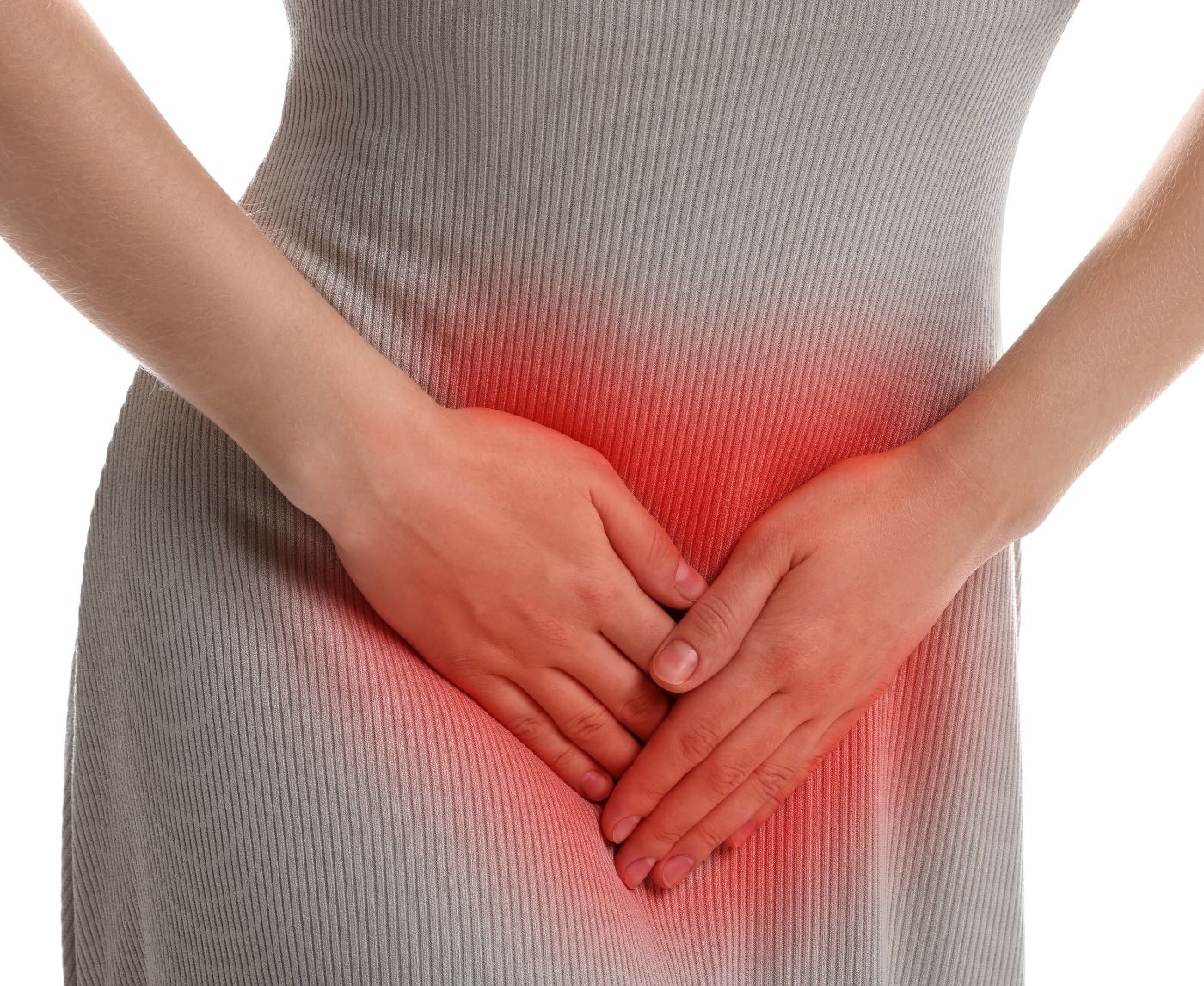
Quick Answer: Lower abdominal pain after sex can be caused by an STD, especially chlamydia or gonorrhea, but it can also result from ovulation, rough sex, or a UTI. If the pain is new, persistent, or paired with risk factors like unprotected sex, testing is recommended, ideally 7–14 days after exposure for most bacterial STDs.
This Isn’t Just “Sore From Sex" Let’s Talk About What’s Happening
Your lower abdomen houses your uterus, ovaries, fallopian tubes, bladder, and part of your intestines. During sex, especially deep penetration, these organs shift. The cervix can be bumped. The uterus can contract. Muscles tighten and release. A little cramping afterward can be completely normal.
But here’s the line we care about: normal soreness usually fades within a few hours. Infection-related pain tends to linger, intensify, or repeat every time you have sex. It can feel deeper, heavier, or more internal, like something inflamed rather than bruised.
One patient once described it to me like this: “It wasn’t sharp. It was like my pelvis was angry.” That kind of language matters. Because infections don’t always scream. Sometimes they simmer.

When an STD Is the Quiet Culprit
The two most common sexually transmitted infections linked to lower abdominal pain are chlamydia and gonorrhea. According to the CDC, both infections can ascend from the cervix into the upper reproductive tract if untreated, causing pelvic inflammatory disease (PID). PID is where the pain gets real.
The tricky part? Up to 70% of people with chlamydia have no obvious symptoms early on. No discharge. No burning. No dramatic warning. Just maybe a low ache after sex that feels… off.
If infection spreads upward, you might notice:
| Symptom | What It Feels Like | Why It Happens |
|---|---|---|
| Deep pelvic pain during or after sex | A heavy, internal ache or pressure | Inflamed reproductive organs reacting to movement |
| Lower abdominal tenderness | Dull pain when pressing on belly | Inflammation in uterus or fallopian tubes |
| Fever or chills (later stage) | Flu-like body symptoms | Systemic immune response |
| Irregular bleeding | Spotting between periods | Cervical inflammation |
Figure 1. Common symptoms associated with pelvic inflammatory disease secondary to untreated STDs.
Not everyone gets all of these. Sometimes it’s just pain after sex and a feeling you can’t shake.
If you had unprotected sex recently, or a condom failure, and now your lower stomach hurts after sex, this is when testing moves from “maybe” to “yes.”
But It Could Also Be Something Else
I don’t believe in fear-based medicine. Not every ache is an STD. In fact, most post-sex cramping is not caused by infection. Your body is dynamic. Hormones fluctuate. Muscles spasm. Bladders get irritated.
Here’s how some of the most common non-STD causes compare:
| Condition | Timing Pattern | Key Clue | Should You Test? |
|---|---|---|---|
| Ovulation pain | Mid-cycle, brief | Occurs same time monthly | No, unless risk exposure |
| Rough or deep penetration | Immediate soreness | Improves within 24 hrs | No, unless symptoms persist |
| UTI | After sex, worsening | Burning urination, urgency | Test urine; STD test if unsure |
| Endometriosis | Chronic, cycle-linked | Severe menstrual cramps history | Not STD-related |
| PID from STD | Progressive, recurrent | Deep internal ache, risk exposure | Yes, test promptly |
Figure 2. Differential comparison for lower abdominal pain after sex.
The difference often comes down to pattern. One random ache after intense sex? Probably mechanical. Pain that returns every time you have sex with a new partner? That deserves investigation.
“But I Don’t Have Discharge or Burning.”
I hear this constantly. People assume that if they don’t have dramatic STD symptoms, like thick discharge or pain when peeing, it can’t be an infection. That assumption delays testing more than anything else.
Chlamydia and gonorrhea frequently cause what we call “silent infection.” The cervix can be inflamed without obvious external signs. The only clue might be lower abdominal pain after sex, especially if penetration hits the cervix.
One 26-year-old patient told me, “I kept Googling ‘pelvic pain after sex but no discharge.’ Everything said it was probably nothing. It wasn’t nothing.” Her test came back positive for chlamydia. She had no other symptoms.
Silence doesn’t equal safety.
So… Should You Test?
Here’s the grounded, non-dramatic answer: test if there’s any combination of new pain and new risk. That means a new partner, unprotected sex, a partner with unknown status, or a condom slip. Testing isn’t an accusation. It’s information.
For bacterial STDs like chlamydia and gonorrhea, most tests become reliably accurate about 7 to 14 days after exposure. Testing earlier can still detect infection in some cases, but if it’s negative and symptoms persist, retesting at the two-week mark is smart medicine.
If the anxiety is louder than the pain, that matters too. Peace of mind is healthcare. You can order discreet, FDA-cleared testing directly through STD Test Kits and get answers privately at home.
If you want broad coverage, the 6‑in‑1 At‑Home STD Test Kit checks for the most common infections at once, useful when symptoms are vague and you don’t want to guess wrong.
Timing Matters More Than Panic
The most common mistake I see isn’t ignoring symptoms. It’s testing too early, getting a negative result, and assuming everything is fine. Timing is what determines accuracy. Your body needs time to build detectable levels of bacteria or antibodies before a test can pick them up.
If your lower abdominal pain started two days after sex, that doesn’t automatically mean infection was detectable two days later. Bacterial STDs like chlamydia and gonorrhea typically become reliably detectable around the one- to two-week mark. Testing at day three might ease anxiety temporarily, but it can miss early infection.
Here’s a practical timing guide:
| Time Since Exposure | What’s Happening Biologically | Testing Guidance |
|---|---|---|
| 0–5 days | Bacteria may be present but low in number | Too early for reliable results; monitor symptoms |
| 7 days | Infection detectable in many cases | Early testing possible; retest if negative |
| 14 days | Peak detection window for most bacterial STDs | Ideal time for accurate screening |
| 3+ weeks | Antibody response measurable for some infections | Consider expanded panel if symptoms persist |
Figure 3. Testing timeline for common bacterial STDs associated with pelvic pain.
If your pain is escalating, accompanied by fever, nausea, or severe tenderness, don’t wait for a test kit. That’s when urgent clinical evaluation is appropriate. But for mild to moderate lingering pain after sex, timing your test strategically gives you clarity without false reassurance.
What Pelvic Inflammatory Disease Actually Feels Like
PID is what we worry about when lower abdominal pain after sex isn’t fading. It develops when untreated infections move upward from the cervix into the uterus and fallopian tubes. Not everyone with chlamydia or gonorrhea develops PID, but when they do, the discomfort is deeper and more persistent.
Patients often describe it as a “pressure pain” rather than a sharp one. It can radiate across the lower belly or feel centralized behind the pubic bone. Sex can aggravate it because movement presses against inflamed tissue.
One woman told me, “It felt like something bruised inside me that never healed.” She had ignored subtle cramps for weeks. When she finally tested, the infection had been present long enough to require antibiotics and follow-up monitoring.
This isn’t about scaring you. It’s about recognizing patterns. If lower abdominal pain after unprotected sex keeps returning, especially with deep penetration, that’s a moment to act, not spiral.
What About Men With Lower Stomach Pain After Sex?
This isn’t only a female issue. Men can experience lower abdominal or pelvic discomfort after sex due to prostatitis, urethritis, or infections like chlamydia and gonorrhea. Sometimes the pain sits between the navel and groin. Sometimes it radiates toward the testicles.
Men are even more likely to have silent infections. No discharge. No dramatic burning. Just vague pelvic pressure or discomfort after ejaculation. That’s why testing matters even when symptoms feel ambiguous.
If you’re a man noticing recurring lower stomach pain after sex, especially with a new partner, screening is simple and private. Urine-based testing can detect most bacterial STDs without invasive swabs. The key is not dismissing discomfort just because it’s subtle.
The Emotional Spiral Is Real, Let’s Address It
There’s a specific kind of anxiety that hits when your body feels different after intimacy. It’s not just physical discomfort. It’s the what-if. The mental replay. The guilt. The fear of having to text someone something awkward.
Testing interrupts that spiral. Information reduces catastrophic thinking. Whether the result is negative or positive, you move from uncertainty to action.
And action is stabilizing.
If you’re weighing whether to test because of pelvic pain after sex but feel embarrassed, remember this: testing is routine healthcare. It doesn’t imply recklessness. It implies responsibility. Quiet, adult responsibility.
If Your First Test Is Negative But Pain Continues
This is another common scenario. You test at day seven. It’s negative. But the discomfort lingers. Now you’re unsure whether to trust the result or your body.
In that case, retesting at day fourteen is reasonable. If repeat tests are negative and pain persists, it’s time to consider non-STD causes like endometriosis, ovarian cysts, gastrointestinal issues, or bladder inflammation. A negative STD test doesn’t invalidate your pain. It just redirects the investigation.
One patient said, “The negative result didn’t mean I was crazy. It just meant we needed a different answer.” That mindset matters. Testing is part of ruling things in or out, not a verdict on your worth or behavior.
When to Stop Googling and Get Evaluated Urgently
Most lower abdominal pain after sex is not an emergency. But some symptoms should override home research and push you toward immediate care.
If you experience severe abdominal pain, high fever, vomiting, fainting, or pain so sharp you can’t stand upright, that requires prompt medical attention. These can signal advanced PID, ovarian torsion, ectopic pregnancy, or other urgent conditions unrelated to STDs but equally important.
Trust intensity. Mild and steady can be monitored. Sudden and severe deserves immediate evaluation.
A Case I’ll Never Forget,
Rita, 24, came in convinced she was overreacting. She told me she’d had sex with someone new two weeks earlier. It wasn’t violent, just enthusiastic. The next day, she felt a dull ache low in her belly. “I figured it was just positioning,” she said. But the ache didn’t leave. It showed up again the next time she had sex. And again.
“It wasn’t dramatic. It was just… there. Every time. Like my body was annoyed.”
She had no discharge. No burning with urination. No fever. If you Googled her symptoms, most search results would reassure her. But her instinct pushed her to test anyway. The result came back positive for chlamydia.
Rita wasn’t reckless. She wasn’t irresponsible. She was human. And because she tested early enough, treatment was straightforward and she avoided long-term complications.
This is why we don’t dismiss subtle pain after sex. Not because it always signals infection, but because sometimes it does.
Risk Isn’t About Shame, It’s About Context
Whether you should test doesn’t hinge only on pain. It hinges on context. The same cramp means something different depending on what preceded it.
If you’ve been in a mutually monogamous relationship with recent negative tests on both sides, a single episode of soreness after deep penetration is unlikely to be an STD. But if you had unprotected sex with a new partner whose status you don’t know, lower abdominal pain carries different weight.
Consider these common scenarios:
| Scenario | Risk Level | Testing Recommendation |
|---|---|---|
| Condom broke during intercourse | Moderate | Test at 7–14 days |
| New partner, no barrier used | Higher | Full panel at 14 days |
| Long-term partner, both tested recently | Low | Monitor unless symptoms persist |
| Multiple partners in recent weeks | Higher | Comprehensive testing recommended |
Figure 4. Context-based guidance for testing after lower abdominal pain following sex.
Risk assessment is not moral assessment. It’s math. Exposure plus symptoms equals information gathering.
Why Deep Penetration Makes Infection Pain Worse
When infection inflames the cervix or upper reproductive tract, mechanical pressure can aggravate it. Deep penetration during sex presses against tissues that may already be swollen or irritated. That’s why some people report sharp pain during sex deep in the pelvis, followed by lingering cramping afterward.
This doesn’t mean deep sex “caused” the infection. It means it revealed it.
If pain only occurs during particularly deep thrusting and disappears completely within hours, it may be purely positional. But if it recurs regardless of angle or intensity, that suggests inflammation, not impact.
Testing Strategy: Broad vs Targeted
If the only symptom you are experiencing is lower abdominal discomfort after sex, it may be tempting to try to guess the STD to test for. However, guessing is a bad idea, as many bacterial STDs have overlapping symptoms, and co-infections are common.
In many cases, the more general approach to STD testing can be the better option, especially in cases of vague symptoms. Instead of guessing the one STD to test for, testing for multiple STDs can help clarify the situation more quickly, especially in cases where the partner's testing history is unknown.
Discreet at-home panels, like the 6‑in‑1 At‑Home STD Test Kit, remove the friction of scheduling appointments and sitting in waiting rooms. When anxiety is already high, convenience matters.
Testing isn’t about confirming your worst fear. It’s about ruling it out, or catching it early enough to treat simply.
What Happens If It Is Positive?
Most bacterial STDs that cause pelvic pain are treatable with antibiotics. The earlier you treat, the lower the risk of long-term complications like scarring of the fallopian tubes or chronic pelvic pain.
Treatment is usually straightforward. A prescription. A short course of medication. Abstaining from sex until cleared. Notifying partners so they can test and treat as well. It’s logistics, not catastrophe.
The real damage often comes not from infection itself, but from delay. Waiting months because symptoms felt “not serious enough.” Lower abdominal pain after sex is your body whispering. Listening early prevents it from having to shout.
Prevention Without Paranoia
Condoms reduce the risk of bacterial STDs significantly, though they aren’t perfect. Regular screening, especially with new partners, adds another layer of protection. Many infections are asymptomatic for weeks or months, which means routine testing can catch them before pain ever begins.
If you’re sexually active with new or multiple partners, periodic screening through STD Test Kits can become part of your health routine, not just a reaction to symptoms. That shift, from reactive to proactive, changes everything.
You don’t have to wait for pain to test. But if pain shows up, that’s your cue to move from wondering to knowing.
FAQs
- 1. “It just feels like mild cramping. Am I overthinking this?”
- Maybe. But maybe not. Mild cramping after sex can absolutely be from muscle contractions or deep positioning. The key question isn’t “Is this dramatic?” It’s “Is this new?” If the ache showed up after a new partner, a condom slip, or unprotected sex, testing isn’t overthinking, it’s gathering information. You don’t have to panic. You just have to check.
- 2. I don’t have discharge, burning, or anything obvious. Could it still be an STD?
- Yes. That’s the frustrating part. Chlamydia in particular is famous for being quiet. No neon warning signs. Sometimes just pelvic discomfort during or after sex. Silence doesn’t equal safety, it just means your body is subtle.
- 3. How do I know if it’s ovulation pain instead?
- Ovulation pain usually shows up mid-cycle and tends to happen around the same time each month. It’s brief. Predictable. Almost routine. Infection-related pain doesn’t follow your calendar. It follows exposure. If this cramp doesn’t feel like your usual cycle pattern, that’s your clue.
- 4. What if I test too early and it’s negative?
- Then we retest. Testing at day five might calm your nerves, but it doesn’t always catch early infection. For most bacterial STDs, the 7–14 day window is more reliable. If your first test is negative but your body still feels off, give it a little time and repeat. Medicine is about timing, not luck.
- 5. Can rough sex really cause lower abdominal pain?
- Absolutely. Deep penetration can bump the cervix and create temporary soreness. The difference is duration. Mechanical soreness fades within hours or a day. Infection-related pain tends to linger, repeat, or slowly worsen. Think bruise versus inflammation.
- 6. If it is pelvic inflammatory disease, will I definitely have a fever?
- Not always. Severe PID can cause fever, nausea, and sharp pain. But mild or early PID can feel like a persistent, heavy ache after sex. That’s why testing early matters, you want to catch inflammation before it escalates.
- 7. I’m embarrassed to ask my partner to test. What do I even say?
- Try this: “Hey, I’ve had some pelvic pain after sex and I’m going to get tested just to be safe. I think it would be smart for both of us.” Keep it about health, not blame. Testing is logistics, not accusation.
- 8. Is it dramatic to order an at-home test just for peace of mind?
- No. It’s efficient. If anxiety is keeping you up at night, clarity is healthcare. A discreet panel can rule out the common infections and let you sleep again. That’s not dramatic, that’s adulting.
- 9. What if everything comes back negative but the pain stays?
- Then we pivot. Ovarian cysts, endometriosis, bladder inflammation, even gastrointestinal issues can mimic STD-related pain. A negative test doesn’t invalidate your experience. It narrows the field. And narrowing the field is progress.
- 10. When should I stop reading and just go to urgent care?
- If the pain is severe, you have a high fever, you’re vomiting, you feel faint, or the pain is sudden and sharp enough to double you over, close the laptop. That’s not “Google and wait” territory. That’s immediate evaluation territory.
You Deserve Clarity, Not Quiet Anxiety
Lower abdominal pain after sex is one of those symptoms people minimize until they can’t. It’s easy to call it rough positioning, hormones, or stress. And sometimes, that’s exactly what it is. But sometimes it’s early infection, quiet, treatable, and asking for attention.
If your pain is new and your risk is real, testing is not dramatic. It’s practical. It’s protective. It’s how you interrupt uncertainty before it snowballs. Whether you choose clinic-based screening or a discreet option like the Women’s 10‑in‑1 At‑Home STD Test Kit, the important thing is moving from wondering to knowing.
Don’t wait and spiral. Get answers. Early testing protects your health, your fertility, and your peace of mind.
How We Sourced This Article: This guide combines current CDC sexually transmitted infection treatment guidelines, peer-reviewed research on pelvic inflammatory disease progression, and clinical experience in infectious disease practice. We reviewed over fifteen sources including epidemiological data, treatment protocols, and patient-reported symptom studies. The six sources listed below represent the most authoritative and reader-accessible materials used in developing this article.