Think You Need an STD Test? Here’s Exactly What Happens
Quick Answer: It is easy to test for STDs by taking samples of urine, blood, or swabs. Most tests don't hurt too much and don't take long, and you usually get the results back in a few days. But nothing ever did.
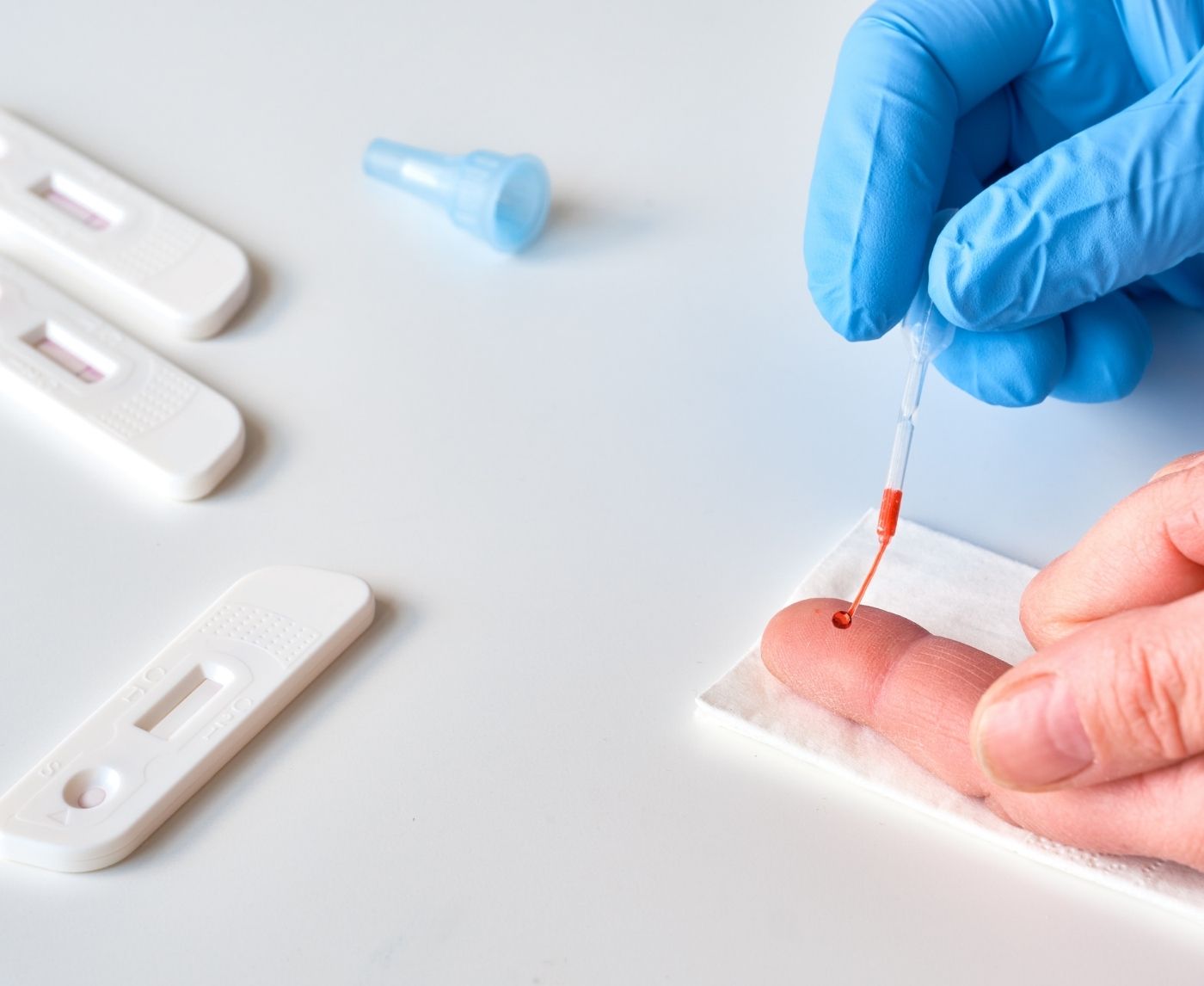
Quick Answer: It is easy to test for STDs by taking samples of urine, blood, or swabs. Most tests don't hurt too much and don't take long, and you usually get the results back in a few days. Knowing what to expect can help calm your nerves and make sure you get the right results.
The Moment Before You Decide to Get Tested
This is the part no one really talks about, the mental spiral before the test even happens. You’re replaying timelines, Googling symptoms, comparing yourself to strangers on forums. Maybe you’re thinking, “It’s probably nothing,” while also imagining worst-case scenarios.
Here’s the reality: most people who get tested don’t actually have symptoms. Infections like Chlamydia and Gonorrhea are often silent. That’s not a scare tactic, it’s just how these infections work. Waiting for obvious signs isn’t a reliable strategy.
“I kept telling myself I’d wait until something felt really wrong. But nothing ever did. I only tested because a friend pushed me.”
Before testing, timing matters more than people realize. Testing too early after exposure can lead to false negatives. This is called the “window period,” and it’s one of the biggest reasons people get confusing results.
| STD | Earliest Testing Window | Best Accuracy Timing |
|---|---|---|
| Chlamydia | 1–5 days | 7–14 days |
| Gonorrhea | 2–6 days | 7–14 days |
| HIV | 10–33 days | 45+ days |
| Syphilis | 3 weeks | 6 weeks |
If you’re not sure when to test, you’re not alone. Most people guess, and sometimes guess wrong. That’s why many turn to discreet options like at-home STD testing kits, where timing guidance is built into the process.
What Actually Happens During an STD Test
This is the part people fear the most, and honestly, it’s usually the least dramatic part of the entire experience.
There’s no single “STD test.” What happens depends on what you’re being tested for, but most testing falls into three simple categories: urine samples, blood draws, or swabs.
Let’s break that down without the medical jargon.
| Test Type | Used For | What It Feels Like |
|---|---|---|
| Urine Test | Chlamydia, Gonorrhea | Just peeing in a cup |
| Blood Test | HIV, Syphilis, Herpes | Quick pinch, a few seconds |
| Swab Test | Site-specific infections | Mild discomfort, not pain |
And about that big fear: no, you usually don’t have to fully undress. Most tests are targeted and quick. Even swabs, often the most feared, are more awkward than painful.
“I thought it was going to be this whole invasive thing. It was literally five minutes. I felt silly for waiting so long.”
If you’re using an at-home kit like the STD Rapid Test Kit, the process is even more controlled. You follow step-by-step instructions, collect your sample privately, and send it off or read results yourself depending on the kit.
There’s something powerful about that, no waiting room, no eye contact with strangers, no explaining your story out loud unless you want to.
The Waiting Game (And Why It Messes With Your Head)
This is where things get psychologically intense. You’ve done the test, but now you’re stuck in the in-between. Every sensation feels amplified. Every Google search feels more personal.
Most STD test results come back within a few days, but that window can feel like weeks when your brain is filling in the blanks.
“I checked my email like 30 times a day. Every notification made my stomach drop.”
Here’s what’s actually happening during this time: labs are processing your sample, checking for genetic material or antibodies depending on the infection. It’s precise, but it’s not instant.
And this matters, because testing too early or misunderstanding results is one of the most common reasons people panic unnecessarily.
If your result is negative but you tested too soon, you may need to retest. If it’s positive, it’s not the end of the world, it’s the beginning of clarity.
What Happens After Your Results (No Matter What They Say)
This is the part people either fear, or avoid thinking about altogether. But it’s also where the most control comes back into your hands.
If your result is negative, you get something rare: certainty. That weird symptom? Probably something else. That anxiety? You can finally exhale.
If your result is positive, the next steps are usually straightforward. Most STDs are treatable, and many are completely curable. Even long-term conditions like Herpes or HIV are manageable with modern treatment.
“I thought my life was over. It wasn’t. It just meant I had to pay attention to my health in a different way.”
Here’s what typically happens next:
- Confirmation: Some results may be double-checked with a second test
- Treatment: Antibiotics or antiviral medications if needed
- Partner notification: So others can get tested too
- Follow-up testing: To make sure everything is cleared
And here’s the part that matters most: getting tested doesn’t define you. It protects you. It protects your partners. It puts you back in control of your body instead of leaving things up to guesswork.
If you’re still on the fence, waiting for a “better time,” there usually isn’t one. But there is a moment where you decide you’d rather know than wonder, and that’s where everything shifts.
The Questions You’re Too Afraid to Ask (But Everyone Googles Anyway)
There’s a version of STD testing that lives in your head, and then there’s reality. Most of the fear comes from not knowing what’s normal, what’s optional, and what’s just straight-up myth.
So let’s clear the air on the questions people type into their phones late at night but rarely say out loud.
First, no, you don’t need symptoms to justify testing. In fact, many infections show up quietly. Waiting for something obvious can delay treatment and increase the risk of passing it on without realizing.
Second, yes, testing is confidential. Clinics are bound by privacy laws, and at-home options remove that concern entirely. No one is calling your parents, your job, or your ex. This is your health, your information, your timeline.
And third, no, testing isn’t a “punishment” for something you did. That idea is outdated and honestly harmful. Testing is just maintenance. Like checking your blood pressure or going to the dentist, except we don’t attach shame to those.
“I grew up thinking STD testing meant you messed up. Now I see it as just being responsible.”
At-Home vs Clinic Testing: What Actually Feels Different
Both options work. Both can be accurate. But the experience? Very different.
Clinic testing gives you immediate access to healthcare professionals. If you’re dealing with symptoms or something urgent, that can be incredibly helpful. You can ask questions in real time, get examined if needed, and sometimes even start treatment the same day.
But clinics also come with waiting rooms, time constraints, and sometimes that low-level anxiety of being seen. Even if no one is judging you, it can still feel that way.
At-home testing flips that experience. You control the environment, the timing, and the pace. You can take a break, read the instructions again, and avoid the emotional stress that can come with meeting in person.
For a lot of people, especially first-time testers, that privacy makes a huge difference.
| Factor | At-Home Testing | Clinic Testing |
|---|---|---|
| Privacy | Complete control | Moderate |
| Speed | Fast (some instant) | Depends on lab |
| Comfort | High (your space) | Varies |
| Support | Guides + optional help | Immediate medical staff |
If you’re unsure where to start, a comprehensive option like a multi-STD home test kit can cover the most common infections in one go, especially helpful if you don’t know exactly what you’re testing for.
Because let’s be honest, most people don’t walk in saying, “I think it’s specifically gonorrhea.” They just know something feels off, or they want peace of mind.
What No One Tells You About STD Testing (But Should)
Here’s the part that doesn’t make it into clinical brochures: getting tested can feel emotional. Not just physically neutral or procedural, but emotionally loaded.
You might feel guilt, even if you did nothing wrong. You might feel exposed, even in a private room. You might even feel relief before you’ve gotten your results, just for taking action.
All of that is normal.
What matters is what testing represents. It’s not about catching something “bad.” It’s about interrupting uncertainty. It’s about choosing clarity over guessing, and care over avoidance.
“The hardest part wasn’t the test. It was admitting I needed one. After that, everything felt lighter.”
And here’s something most people don’t realize until after: once you’ve done it once, it gets easier. The fear drops. The process becomes familiar. It turns into something routine instead of something overwhelming.
That’s how stigma starts to break, not through big statements, but through small, repeated actions that normalize taking care of yourself.

When You’re Ready, Here’s Your Next Move
If you’ve made it this far, you’re already doing something important, you’re choosing information over fear. And that’s the hardest step for most people.
You don’t need to wait for symptoms. You don’t need to be “sure.” You don’t need to justify it to anyone. Testing is allowed to be proactive, not reactive.
If you want something fast, private, and straightforward, you can start with a trusted option like STD Rapid Test Kits. It’s designed for real life, discreet, simple, and built for people who don’t want to sit in a waiting room wondering who’s watching.
Because at the end of the day, this isn’t about fear. It’s about clarity. And once you have that, everything else gets easier.
The Part No One Prepares You For: The Emotional Aftermath
There’s this quiet moment after testing that people don’t really talk about. Not the waiting, that gets attention. But the shift that happens once you’ve actually done it. You realize the fear wasn’t really about the test itself. It was about what it might mean.
For some people, there’s immediate relief. Like finally opening a message you’ve been avoiding for days. For others, it’s more complicated. Even with a negative result, you might still feel a little shaken, like your body just went through something bigger than the test.
“I thought I’d feel instant relief. I did, but I also felt kind of emotional, like I’d been holding my breath for weeks without realizing it.”
If your result is positive, that emotional wave can hit even harder. Not because your situation is unmanageable, but because of what you’ve been taught to believe about STDs. Shame, fear, stigma. All of that can show up before logic has a chance to catch up.
But here’s the truth: a result doesn’t define your health, your worth, or your future. It just gives you information. And information, no matter what it says, is something you can work with.
This is the part where things actually start to get better. Because once you know, you’re no longer guessing. You’re making decisions. And that shift, from uncertainty to action, is where people start to feel like themselves again.
How to Actually Prepare for Testing (Without Overthinking It)
Preparation for STD testing is a lot simpler than people expect, but that doesn’t stop overthinking from creeping in. You don’t need a perfect plan. You just need a few small things dialed in so your results are accurate and your experience is smooth.
Timing matters more than anything else. If you test too early, your body might not show the infection yet, even if it’s there. That’s why understanding your last possible exposure, even roughly, is more useful than trying to analyze every symptom.
Beyond that, most preparation is just about not interfering with the sample. For example, holding your urine for a short period before a urine test can improve accuracy. For swabs, avoiding excessive cleaning right before testing can help ensure nothing gets missed.
“I thought I needed to do all this prep. Turns out, it was just about timing it right and following basic instructions.”
And mentally? The best preparation is setting expectations. The test will be quick. The process will be straightforward. The hardest part will probably be the thoughts in your head, not anything happening in your body.
Once you understand that, everything feels more manageable. You’re not walking into the unknown, you’re stepping into something routine, controlled, and designed to give you answers.
FAQs
- 1. Do STD tests hurt, or is that just something people say to scare you?
- Honestly? Most of them are way less dramatic than your brain makes them out to be. Peeing in a cup is exactly what it sounds like, and blood tests feel like a quick pinch you’ll forget about in minutes. Even swabs, yeah, the ones people whisper about, are more “that was weird” than actually painful.
- 2. How long does the whole STD testing thing actually take?
- The test itself is quick, usually under 10 minutes, sometimes faster. What drags is the waiting, not the process. It’s that stretch of time after where your brain starts connecting dots that probably aren’t even related.
- 3. Is it weird to get tested if I don’t have any symptoms?
- Not weird at all, it’s actually the norm. A lot of infections don’t announce themselves with obvious signs, which is why people end up surprised later. Getting tested without symptoms is just you staying ahead of the game.
- 4. Be honest… do I have to fully undress?
- Almost never. Most tests are as simple as a urine sample or a quick blood draw. If a swab is needed, it’s targeted and over quickly, not some long, awkward exam like people imagine.
- 5. How long am I going to be stuck waiting for results?
- Usually a couple of days, sometimes up to five. And yeah, that waiting period can mess with your head more than the test itself. Just remember, feeling something while you wait doesn’t mean anything has changed in your body overnight.
- 6. Can I mess up my results by testing too early?
- You actually can, and this trips people up a lot. If you test before your body has had time to show the infection, you might get a false negative. That’s why timing matters more than most people expect, and why retesting is sometimes part of the plan.
- 7. Is this really private, or is someone going to find out?
- It’s private, full stop. Clinics protect your information, and at-home testing keeps everything entirely in your control. No surprise phone calls, no notifications to people in your life. This stays with you unless you choose otherwise.
- 8. What happens if the result is positive… like, what does that actually look like?
- It usually looks a lot more manageable than people expect. For many STDs, it’s a round of antibiotics and you’re done. For others, it’s about ongoing management, but still completely livable. The biggest shift is mental, not medical.
- 9. Can I eat, drink, or go about my day normally before testing?
- Yeah, for most STD tests, your routine doesn’t need to change. You don’t have to fast or prep like it’s some big medical procedure. The only real “prep” is showing up, or opening the kit, and doing it.
- 10. Are at-home STD tests actually legit, or am I just guessing?
- They’re legit when used correctly, and that’s the key part. Follow the instructions, test at the right time, and you can get very accurate results. Some people even prefer them because they remove the stress of being in a clinic.
You Deserve Clarity, Not Guesswork
STD testing isn’t the scary part people build it up to be. The real weight comes from not knowing, running through possibilities, second-guessing symptoms, wondering if you’re overreacting or ignoring something important. That mental loop? That’s what testing actually breaks.
If there’s been a recent exposure, get tested at the right time. If results are negative but doubts linger, retest when it makes sense. If something comes back positive, handle it early and move forward. Each step replaces uncertainty with something solid, and that shift alone changes everything.
Don’t wait and spiral. If there’s even a small question in your mind, start with something simple and private like the Combo STD Home Test Kit. No waiting rooms, no overthinking, just clear answers, on your terms.
How We Sourced This Article: This guide brings together the most up-to-date clinical guidelines for testing for sexually transmitted infections (STIs), peer-reviewed research, and real-life experiences of patients. We looked at public health recommendations, diagnostic protocols, and behavioral studies on testing patterns to make sure the advice was accurate, useful, and based on how people really make these choices.
- Centers for Disease Control and Prevention: Guidelines for STD Testing
- Fact Sheet on Sexually Transmitted Infections from the World Health Organization
- An Overview of STD Testing at the Mayo Clinic
- NHS: Testing for STIs and Symptoms
- Getting Tested for STIs at Planned Parenthood
- PubMed – STD Testing and Detection Studies