Think You’re Safe? The Myths That Keep Gen Z From Testing
Quick Answer: Gen Z often skips STD testing due to common myths like “no symptoms means no infection,” fear of judgment, and confusion about access. Maybe your hookup was quick and quiet, no names exchanged. We get it.

Quick Answer: Gen Z often skips STD testing due to common myths like “no symptoms means no infection,” fear of judgment, and confusion about access. But many STDs are silent, and testing is easier, faster, and more private than you think.
Who This Article Is For (And Why It Matters)
This guide is for anyone under 30 who’s ever thought, “I probably don’t need to get tested.” Whether you’re on birth control, in a new situationship, queer and cautious, or just feeling overwhelmed by the logistics of healthcare, this is for you.
Maybe your hookup was quick and quiet, no names exchanged. Maybe you trust your partner but never had “the talk.” Or maybe you’ve been sitting on a free clinic appointment you keep rescheduling because you’re not sure what happens next. We get it. And none of that makes you reckless or dirty. It makes you human in a world that rarely teaches young adults the full picture.
STD testing isn’t about shame. It’s about clarity. And the more we talk about it, the easier it gets, for everyone.

The Most Common Myths Gen Z Still Believes About STDs
No symptoms = no STD. This is hands down the most dangerous myth we see. According to the CDC, up to 80% of chlamydia and gonorrhea cases in young people are completely asymptomatic. That means you can pass it to a partner, or develop complications like infertility, without ever feeling a single thing.
You can’t get STDs from oral or “just the tip” sex. False. Herpes, syphilis, and gonorrhea are all transmissible via oral sex. Even minimal contact, like outercourse or unprotected genital rubbing, can still spread infections like HPV.
Only “promiscuous” people need to test. Completely false. STDs don’t care about your body count. What matters is exposure, not morality. One encounter is enough. And many long-term couples are surprised to learn that early infections were never detected because neither partner tested in the beginning.
It’ll be awkward or embarrassing to test. Not if you’re doing it at home. At-home test kits let you test discreetly, privately, and with results in minutes. There’s zero need to see a doctor unless you want follow-up care, and yes, you can even test while your roommate’s out grabbing boba.
“I Thought It Was Just a UTI”
Alejandra, 21, noticed a dull ache when she peed after a long weekend with her situationship. She chalked it up to a UTI, downed cranberry juice, and didn’t think twice, until a friend insisted she test.
“I was so sure it wasn’t an STD. No discharge, no smell, and we used a condom. But it turns out I had chlamydia, and I never would have known if I didn’t test.”
Like many others, Alejandra assumed she’d “feel it” if something was wrong. But the reality is, you can carry an STD silently for months. Her story isn’t rare. In fact, it's the norm, and it’s why routine testing matters even when you feel totally fine.
System Failures: Why Gen Z Doesn’t Trust the Process
It’s not just fear or confusion, it’s infrastructure. Many Gen Zers report that they don’t know where to go, how to schedule, or what testing will cost. Others worry about judgment from providers or a lack of LGBTQ+ affirming care. And if you’re uninsured, rural, or undocumented? The barriers multiply.
A 2023 survey found that less than 20% of sexually active college students had been tested for STDs in the past year, even though they account for nearly half of all new infections. Meanwhile, misinformation on TikTok and Reddit often spreads faster than real public health campaigns.
Combine that with the collapse of sex ed in many schools, and you get a generation left to Google their way to answers, often at 2AM, alone, and scared. No wonder they hesitate.
If this sounds like you, it’s not your fault. But you do have options, and they’re more accessible than you think.
Where Can You Actually Get Tested? (Spoiler: It’s Easier Than You Think)
If the word “clinic” gives you anxiety, you’re not alone. For many in Gen Z, the idea of walking into a fluorescent-lit building, filling out forms, and explaining your sex life to a stranger is enough to trigger avoidance. But the game has changed. You now have multiple options that fit real life, not just textbook checklists.
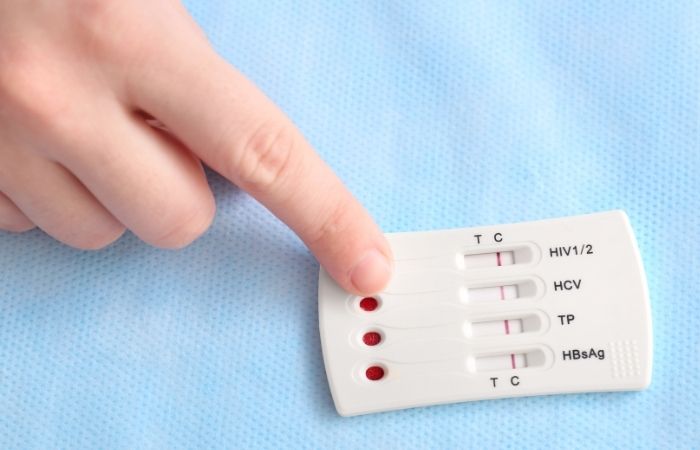
Here’s the reality: you can test at home, from your dorm, car, or even a public bathroom stall if needed. At-home kits like a Combo STD Home Test Kit let you screen for the most common infections, chlamydia, gonorrhea, syphilis, HIV, and more, with a finger prick or urine sample. No awkward questions. No insurance needed. Just results in minutes.
Prefer a clinic? Many Planned Parenthood locations offer low-cost or free testing, and telehealth platforms like Nurx or Wisp now prescribe tests and treatments online. Some cities even offer mobile vans or vending machines stocked with free kits.
| Testing Option | Privacy | Cost | Speed | Best For |
|---|---|---|---|---|
| At-Home Rapid Test | Very High | $$ | 10–15 mins | Immediate answers, no clinic access |
| Mail-In Lab Kit | High | $$$ | 2–5 days | Lab-grade results, no in-person visit |
| Clinic or Campus Health | Moderate | Free–$$ | Same day to a few days | Follow-up care, in-person reassurance |
Figure 1. STD Testing Options Table , Because your comfort matters as much as your results.
Why “I Can’t Afford It” Might Not Be True
Let’s talk money. Many Gen Z readers say they assume testing is expensive, especially without insurance. And yes, some private labs charge triple digits. But many at-home kits cost less than a night out, and don’t require billing to your parents’ plan. Some states even subsidize kits if you’re under 25.
If you’re in school, check with your student health center. They often offer free or sliding scale testing. Apps like Healthvana also connect users to low-cost clinics based on ZIP code. And if you qualify for Medicaid, testing is fully covered.
The bottom line? Testing doesn’t have to be a financial burden. In fact, catching an STD early often prevents costly complications later, like pelvic inflammatory disease or infertility, both of which can lead to thousands in treatment costs.
Peace of Mind Is One Test Away
Still stuck in “maybe I should, maybe I shouldn’t”? Here’s the truth: every moment you delay testing is a moment of mental load you don’t need to carry. If you’re nervous, you’re not weak, you’re human. But clarity is empowering.
This at-home combo kit screens for the most common STDs and gives you results in under 20 minutes. It’s discreet, accurate, and shipped without labels. Because you deserve to know, without the wait, the shame, or the what-ifs.
Social Stigma Still Screams Louder Than Science
You’d think in 2025 we’d be past the whole “dirty” label. But in real conversations, on campuses, in friend groups, and even in hookup culture, getting tested is still too often treated as suspicious instead of smart.
That mindset is not just outdated, it’s dangerous. It keeps people from protecting themselves and their partners. It silences the friend who might otherwise say, “Hey, I tested positive, can you get checked too?”
The irony? Most of Gen Z champions mental health, consent, and communication. Testing is part of that. Knowing your status isn’t just health care, it’s community care.
Here’s what we know: when you normalize conversations about testing, people test more. When people test more, infections go down. It’s not rocket science. It’s empathy in action.
What STD Testing Actually Feels Like (And Why It’s Not That Deep)
Let’s strip away the mystery. Getting tested, whether at home or at a clinic, is rarely the horror story people make it out to be. At-home kits walk you through the steps with clear instructions: pee in a cup, swab a cheek, prick your finger. Done. No pelvic exam. No judgmental glances.
Even at clinics, most tests are fast and low-pressure. You’ll be asked a few questions, maybe give a urine sample or quick blood draw. Most providers won’t bat an eye, because they’ve seen it all. They’re not there to judge; they’re there to help.
And if you’re afraid of a positive result? That’s valid. But remember: almost all common STDs are treatable, many are curable, and early detection makes everything easier. What’s worse, five minutes of awkwardness, or living unknowingly with chlamydia that could silently damage your reproductive health?
“I Didn’t Test Because He Said He Was Clean”
Jayden, 19, had been sleeping with the same guy on and off for months. “He told me he was clean, so I believed him. We didn’t use condoms every time, but I figured it was fine,” they said. “I didn’t feel sick. I didn’t even think about testing until I got a message from one of his exes.”
Jayden tested positive for gonorrhea, and had likely been carrying it for weeks without symptoms. “I felt stupid, but I wasn’t,” they added. “No one ever told me you should test even if you trust someone.”
Trust is important. So is testing. They’re not mutually exclusive. You can love someone, believe them, and still check in with your body.
How Social Media Helps and Hurts Gen Z’s Sexual Health
On one hand, TikTok has blown the lid off previously taboo topics. Influencers now talk about STIs, share personal diagnosis stories, and post guides on how to ask a partner to get tested. That visibility matters. It makes it easier to say “me too.”
But social media is also full of hot takes, bad advice, and unverified “facts.” Some creators downplay risks or confuse STDs with other infections. Others sell bogus products or shame people for being proactive about testing.
The key? Curate your sources. Follow sex-positive educators like @shanboody or @asktina, not fearmongers or Reddit doomscrollers. And when in doubt, trust your gut, and actual science.
Red Flag Scenarios That Should Always Trigger Testing
If you’re reading this article, it’s already a good time to test. But there are some situations that absolutely call for it, even if you feel fine:
| Scenario | Why It Matters | Recommended Next Step |
|---|---|---|
| Condom broke or slipped | Direct exposure to fluids can transmit STDs | Test within 14 days, then retest at 30 days if negative |
| New partner or hookup | Even if they “seem clean,” no test = no proof | Test before and after new partners if possible |
| Unexplained discharge, rash, or itching | Some STDs are silent but others show subtle signs | Test ASAP and avoid sexual contact until cleared |
| Your partner tested positive | They may have been asymptomatic during exposure | Test immediately and follow up as advised |
Figure 2. Testing Triggers Table , Knowing when to test helps you avoid regret later.
FAQs
- 1. Can I really have an STD and feel totally fine?
- Yep, and it’s way more common than you think. Most chlamydia and gonorrhea cases don’t show symptoms at all, especially in the early stages. That’s why so many people unknowingly pass them on. Feeling fine doesn’t always mean you’re in the clear. Testing is how you actually know.
- 2. Is it expensive to get tested if I don’t have insurance?
- Not always. Some clinics and campuses offer free or low-cost testing for young adults. And if you'd rather skip the paperwork, you can grab an at-home kit online, no insurance, no awkward questions. Think of it like investing in peace of mind instead of guessing games.
- 3. Will my parents find out if I get tested?
- Not if you’re smart about it. At-home tests shipped discreetly? Totally private. If you go through insurance and you’re still on your parents’ plan, check if an “Explanation of Benefits” gets sent home, because that’s how some folks accidentally get outed. But there are ways around that. Privacy is possible.
- 4. What if I test too soon after sex?
- Great question, and super common. Most STDs have a “window period,” meaning they might not show up right away. For chlamydia and gonorrhea, waiting 7 to 14 days gives the most accurate results. If you test earlier, you might need to retest in a few weeks. It’s not overkill, it’s just smart timing.
- 5. My situationship says they’re “clean.” Do I still need to test?
- First off, “clean” isn’t a vibe, it’s a test result. If they haven’t been tested recently, their word isn’t enough. Not because they’re lying, but because they might not know. STDs don’t always announce themselves. If you’re sleeping with someone, you deserve the same clarity they do.
- 6. Is oral sex really risky for STDs?
- Short answer: yes. You can get (and give) herpes, gonorrhea, syphilis, and even chlamydia through oral. It’s less risky than vaginal or anal sex, but it’s not risk-free. If you’ve had oral without protection, it still counts as exposure. Don’t ignore it just because it felt “lower risk.”
- 7. I’m nervous I’ll be judged if I test positive. What then?
- First: you’re not alone, and you’re not dirty. STDs are common, treatable, and nothing to be ashamed of. A positive result doesn’t mean you did anything wrong, it just means your body needs a little care. Take a breath, get treated, and move forward. You’re still whole. You’re still worthy.
- 8. Do I have to tell a partner if I test positive?
- It’s hard, but yes, ethically (and sometimes legally), you should. Think of it like a heads-up, not a confession. You can use anonymous texting services or scripts if it’s too intense to say out loud. Whatever helps you get it done without shame, that’s the right way.
- 9. How often should I be testing?
- Depends on your sex life. If you have new or multiple partners, every 3–6 months is solid. In a monogamous relationship and both of you tested clean? Once a year is fine. But if something changes, like a condom break, or a weird itch, it’s worth checking again. Your timeline is your power.
- 10. Can I still test during my period?
- Yup! Blood-based and urine tests are totally fine on your period. If you're using a vaginal swab, you might want to wait until after bleeding stops for clearer results, but it’s not mandatory. Your cycle doesn’t have to stall your care.
You’re Not Overreacting. You’re Protecting Your Peace.
Think of testing like checking your phone battery, you don’t wait until it dies. You check in, so you’re not left in the dark. Your body deserves the same care.
Explore at-home test kits that work around your schedule, your privacy, and your needs. Because this isn’t about fear, it’s about freedom.
How We Sourced This Article: We combined current guidance from leading medical organizations with peer-reviewed research and lived-experience reporting to make this guide practical, compassionate, and accurate. In total, around fifteen references informed the writing; below, we’ve highlighted six of the most relevant and reader-friendly sources. Every external link in this article was checked to ensure it leads to a reputable destination and opens in a new tab, so you can verify claims without losing your place.