Too Late for the HPV Vaccine? Not Necessarily
Quick Answer: Getting the vaccine is still possible even if you test positive for HPV. The HPV vaccine can still protect against other strains you haven’t been exposed to, especially if you get Gardasil 9.
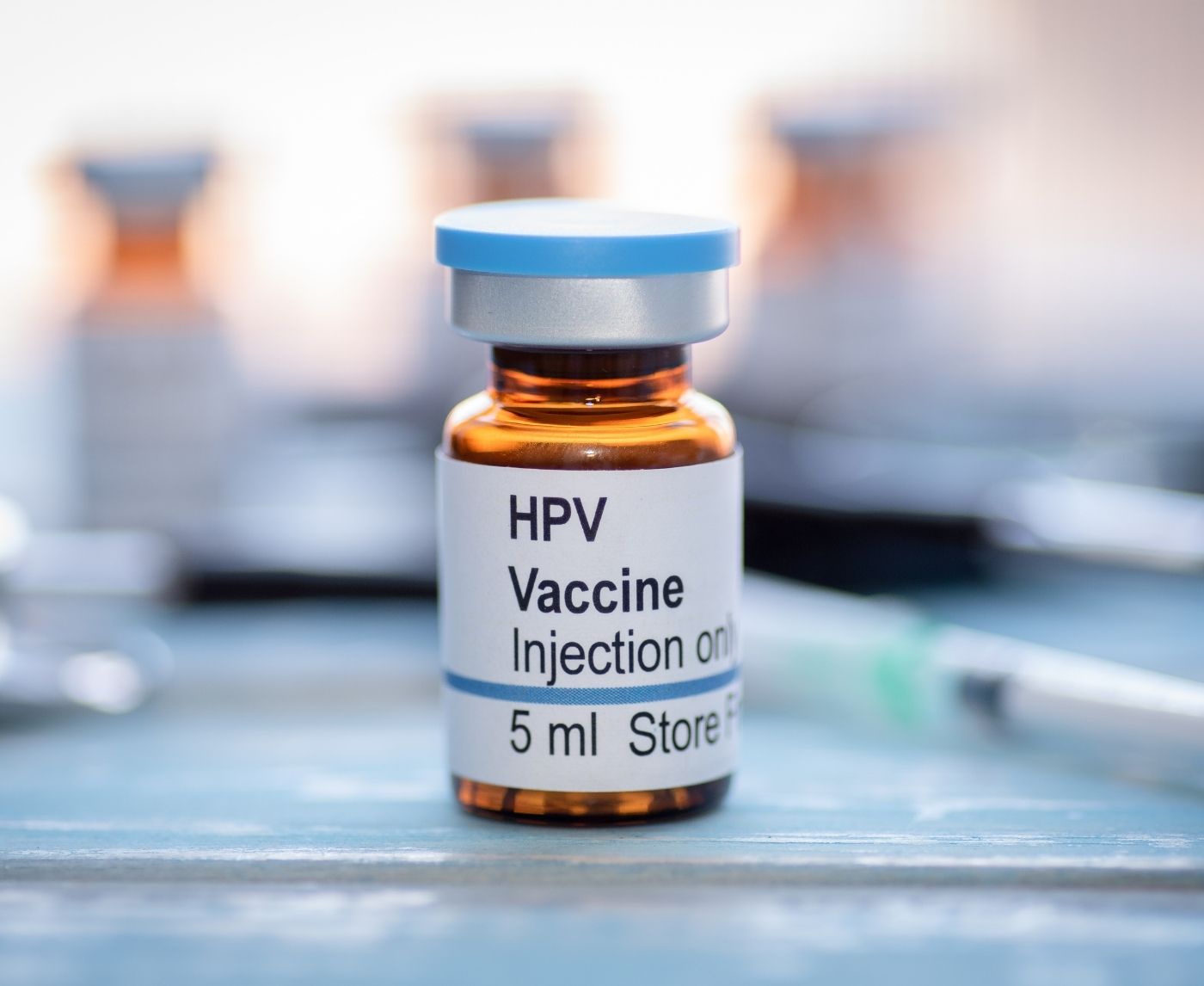
Quick Answer: Getting the vaccine is still possible even if you test positive for HPV. The HPV vaccine can still protect against other strains you haven’t been exposed to, especially if you get Gardasil 9.
Why This Question Matters So Much
You're not the only one asking. Thousands of people, often after a routine Pap smear, an abnormal result, or a visible wart, find themselves wondering whether the vaccine train has already left the station. The fear is real, especially if your diagnosis came with no symptoms at all and you feel like you missed your only shot at prevention.
Let’s make this clear: testing positive for HPV doesn’t mean you’re out of options. The vaccine was designed to protect against the most dangerous strains of the virus, and many people who already have one strain can still benefit from protection against others.
That includes you.
Let’s Talk About HPV First: What It Means to Test Positive
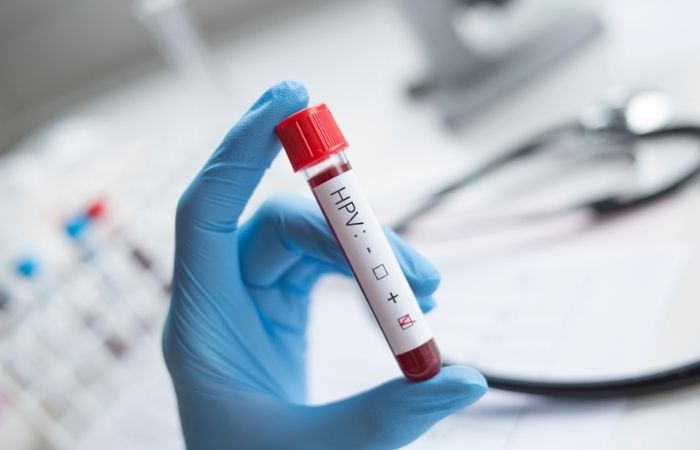
Human papillomavirus, or HPV, is the most common sexually transmitted infection in the world. There are over 100 strains, but only a small subset causes serious health issues. Some strains cause genital warts. Others, like HPV 16 and 18, are linked to cervical, throat, anal, and penile cancers. If your test came back positive, it usually means one of two things: either the lab found high-risk DNA (likely from a vaginal, cervical, or anal sample) or you’ve had visible warts that led to a diagnosis.
But here's the kicker, most people never know they have it. The virus often clears on its own, silently, without ever causing a problem. When it doesn’t, or when it keeps coming back, that’s when people start looking for answers... and maybe wish they’d gotten vaccinated earlier.
But even after infection, the vaccine isn’t just a consolation prize. It's a shield against what’s next.
What the HPV Vaccine Does (And Doesn’t Do)
There’s a lot of confusion about how the HPV vaccine works, especially once someone already has HPV. Some believe it’s like a treatment or a cure. Others think it’s completely useless after infection. The truth? It’s somewhere in between.
The vaccine is a way to stop the spread of disease, especially the newest version, Gardasil 9. It teaches your immune system to find and kill the nine most dangerous strains of HPV before they can get into your cells. It doesn’t clear existing infections, and it doesn’t reverse cell changes already caused by HPV. But it does help your body fend off any additional strains you haven’t yet encountered.
| Vaccine Name | Strains Covered | Protects Against | Use After Infection? |
|---|---|---|---|
| Gardasil 9 | 6, 11, 16, 18, 31, 33, 45, 52, 58 | Warts and multiple cancers | Yes, protects against strains not yet contracted |
| Cervarix (limited use) | 16, 18 | Cervical cancer only | Yes, but limited benefit |
| Original Gardasil (discontinued) | 6, 11, 16, 18 | Warts and some cancers | Yes, but no longer widely available |
Figure 1. Comparison of HPV vaccines and their protective profiles. Gardasil 9 remains the current standard and is most beneficial even post-diagnosis if you've only encountered a subset of strains.
A Real Story: Brianna’s Second Chance
Brianna, 27, was in a monogamous relationship when her Pap smear came back abnormal. Further testing revealed high-risk HPV, something she hadn’t expected at all. “I thought we were both clean,” she told her nurse. “I got tested before we started dating.”
After the shock wore off, she asked what many do: “Should I still get the vaccine?” Her nurse explained that although she likely had one strain, there were several others the vaccine could still protect her from, especially if she was going to be sexually active in the future.
“I got the shot a week later,” Brianna said. “Not because I thought it would undo anything, but because I wanted to protect myself going forward. It felt like claiming back some control.”
Her story isn’t unusual. Many adults, especially those under 45, are getting vaccinated after diagnosis, not out of regret, but out of resilience.
What the Research Says: Vaccine After Diagnosis Still Helps
While the HPV vaccine is most effective when given before any sexual activity, studies show that people can still benefit post-infection. A study published in The Lancet followed women who received the vaccine after already testing positive for one high-risk HPV strain. Over time, they were less likely to develop new infections with other strains and had a lower rate of persistent infection overall.
According to the CDC, adults up to age 45 can receive the HPV vaccine, especially if they may be exposed to new strains in the future. This includes people with new partners, those re-entering the dating world after a breakup or divorce, and those who never completed the vaccine series when younger.
In short: it’s not just about prevention before your first sexual partner. It’s about prevention for the life you’re living now, and the one you’ll live next.
Will the Vaccine Help Me Clear HPV Faster?
Here’s where things get tricky. The vaccine isn’t a treatment in the traditional sense, it doesn’t “flush out” the virus already in your system. But the immune boost it provides may help your body do a better job defending itself. Some studies suggest vaccinated individuals have a slightly better chance of clearing persistent infections over time, though this isn’t a guaranteed outcome.
If you’re already dealing with an active case, especially if you’ve had genital warts or abnormal cervical changes, vaccination should be paired with follow-ups, not replace them. Pap smears, HPV tests, and colposcopies remain essential for monitoring cell changes. But the vaccine protects you from getting sick in the future even more, which is the most important thing.
It's like putting on sunscreen after your first sunburn. It won’t undo the damage, but it can prevent worse outcomes down the line.
Is There a “Too Late” Age for the HPV Vaccine?
Technically, the FDA has approved Gardasil 9 for adults up to age 45. But that doesn’t mean everyone in that range will benefit equally. If you’ve had multiple partners, already contracted several strains, or experienced persistent HPV-related conditions, the net benefit might be lower, but not zero.
Your provider may use something called “shared clinical decision-making” to help guide the choice. This isn’t just about ticking off boxes. It’s about your life: your partners, your risk tolerance, your health goals. For some, the answer will be yes, get vaccinated now. For others, it might be more nuanced.
And if you’re under 26 and wondering? The answer is nearly always yes. Get the vaccine. Even after a positive test, it’s still worth it.
Can I Still Get the Vaccine If I Have Genital Warts?
One of the most common HPV-related symptoms is the appearance of genital warts, flesh-colored bumps that may appear singly or in clusters, often on the vulva, penis, anus, or groin. These are caused by low-risk strains, typically HPV 6 and 11. And yes, people often wonder if getting the vaccine after visible symptoms even makes sense.
Here’s the deal: if you have warts caused by one strain, the vaccine can still protect you from others, especially cancer-causing types like HPV 16 and 18. Gardasil 9 covers nine strains, not just the wart-producing ones. So even if you’ve already had an outbreak, vaccination could protect you from high-risk types down the line.
Plus, just because you’ve had one wart episode doesn’t mean you’ll never face a different strain. The vaccine helps widen the umbrella of protection. You’re not starting over, but you’re still moving forward.
What If My Pap Smear Was Abnormal?
Getting an abnormal Pap smear result can feel like a punch to the gut, especially when it comes bundled with words like “ASCUS,” “LSIL,” or “colposcopy.” These terms all point to some level of cervical cell change, usually caused by high-risk HPV types. So what happens if you get the vaccine after an abnormal result?
The vaccine won’t “fix” your current abnormality, but it may reduce the risk of further cellular changes triggered by other strains. Some research even suggests that women who get vaccinated after an abnormal result have a lower chance of recurrence after treatment like LEEP or cryotherapy. That’s powerful, especially for people looking to protect future fertility or reduce the need for invasive procedures.
The takeaway? You can still benefit from the HPV vaccine after an abnormal Pap, but it should be part of a broader care plan, not a substitute for follow-up.
How Long After Infection Can You Get the Vaccine?
There’s no required waiting period. You can get vaccinated at any point, even if your positive HPV test was recent. In fact, the sooner you do it, the better protected you’ll be against other strains. If you’ve just been diagnosed, and you're still reeling, it might feel like you're "too late", but that’s exactly when the vaccine can help guard against what comes next.
Here’s a quick look at how the vaccine fits into the HPV timeline:
| Timeline Event | Can You Still Vaccinate? | Benefit Likely? |
|---|---|---|
| Just diagnosed with one strain of HPV | Yes | High (protection from other strains) |
| Had genital warts last year | Yes | Moderate–High (especially if unvaccinated) |
| Abnormal Pap followed by LEEP | Yes | Moderate (may reduce recurrence) |
| Years of repeated HPV infections | Maybe | Low–Moderate (depends on age and strain history) |
| Completed vaccine series as a teen | No (unless incomplete series) | N/A |
Figure 2. Scenarios showing how HPV vaccination still fits in after diagnosis, symptoms, or treatment. Your provider can help tailor the decision to your history.
People are aslo reading: Hepatitis C Symptoms: Gender Differences You Should Know
What If My Partner Doesn’t Have HPV Yet?
This is one of the most emotionally loaded parts of the conversation. Many people who test positive for HPV feel guilt, fear, or panic about exposing their partners. In some cases, a partner may test negative, or may not have been tested at all. This leads to a key question: should my partner still get vaccinated?
In many cases, yes. If your partner hasn’t been vaccinated, there’s still time to help protect them from the strains you may not carry, or even from the ones you might have already passed. The vaccine can act like a firewall in both directions, protecting both people from future risks.
It’s also a way to shift the narrative from blame to action. HPV is incredibly common. Nearly everyone is exposed at some point. Making sure both partners are vaccinated is a shared, proactive choice, not a punishment for past exposure.
Need a starting point? Try: “I just learned I have HPV, and I’m getting vaccinated to protect against other strains. I’d love for us to talk about getting you vaccinated too.”
What If I’m Over 45? Is It Really Over?
This part is harder. The HPV vaccine is FDA-approved for adults up to 45 years old. That cutoff is based on studies about when the vaccine provides the most measurable benefit, but it doesn’t mean that after 45, you’re doomed. It just means insurance might not cover it, and your provider might say the expected benefit is lower.
If you’re over 45, talk to your doctor. Some people still opt to pay out-of-pocket for the vaccine if they believe they’re at continued risk (new partners, dating after divorce, open relationships, etc.). For others, the focus shifts more toward Pap smears, HPV screening, and managing cell changes if they arise. The vaccine conversation may be over, but prevention isn’t.
If nothing else, know this: being over 45 doesn’t mean you’ve “missed your chance.” It means your care will look a little different, and that’s okay.
Why Shame Shouldn’t Be Part of the Equation
There’s a deep layer of silence around HPV, even though it’s the most common STI. People often whisper about it, or avoid the topic entirely, because it doesn’t always come with symptoms, and yet it’s linked to cancer. That’s a heavy emotional burden to carry.
But here’s what’s real: having HPV doesn’t make you dirty, reckless, or broken. It makes you human. And choosing to get vaccinated after a diagnosis doesn’t mean you’re weak, it means you’re choosing to protect yourself and possibly others in the future. That’s strength.
If you’re hesitating to get the vaccine because you feel embarrassed, unworthy, or “too late,” this is your permission slip to let that go. You still deserve protection. You still deserve answers. And you are not the only one asking these questions.
STD Rapid Test Kits offers discreet testing options if you're unsure which strain you're dealing with, or need to recheck before deciding on vaccination. Empowerment starts with knowledge.
FAQs
- 1. Is it even worth getting the HPV vaccine after a positive result?
- Totally fair question, and the answer is yes, it can still be worth it. Think of it like wearing a seatbelt even after you’ve had a fender bender. Just because one risk has happened doesn’t mean you can’t protect yourself from others. The vaccine covers multiple strains, so unless you’ve had all nine (spoiler: most people haven’t), there’s still protection to be gained.
- 2. Will it help me get rid of the HPV I already have?
- Not directly. The vaccine isn’t a cure, it’s more like a bouncer that keeps new troublemakers out. That said, some early research suggests your immune system might fight off current infections more efficiently when you’re vaccinated. But don’t rely on it as treatment. Pair it with regular checkups, especially if you’ve had abnormal Pap results or warts.
- 3. I had genital warts last year. Can I still get vaccinated?
- Yep. Warts are usually caused by HPV types 6 and 11. The vaccine includes those, and more. Even if you’ve tangled with one strain, the others are still out there. This isn’t a "you blew it" situation. It’s more like, “Cool, now let’s block the rest.”
- 4. I’m married. Why would I need the vaccine now?
- Monogamy doesn’t cancel out risk. If either of you had previous partners, or if there’s been any outside contact (even in the way-past), exposure could’ve happened. Also, people sometimes re-enter the dating world post-divorce or loss, and it’s smart to be protected going forward. It’s not about suspicion, it’s about safety.
- 5. Will the vaccine mess with my Pap tests or cause side effects?
- Nope. The vaccine won’t interfere with your screening results, and most side effects are minor, maybe a sore arm or a mild fever. It won’t change your test results, your fertility, or your hormones. You can absolutely get the shot while staying on top of routine screenings.
- 6. I’m over 30. Is the vaccine still useful for me?
- It can be. The closer you are to 45, the more the answer depends on your personal history. If you’ve had fewer partners or haven’t been exposed to many strains, it could still offer solid protection. Even if you’ve been around the block a bit, you may not have picked up every strain covered by the vaccine. It’s a case-by-case thing, not a hard stop.
- 7. What if I already had an abnormal Pap and a procedure like LEEP?
- Then you’re in a sweet spot for benefit. Studies show that people who get vaccinated after LEEP or cryotherapy have fewer repeat abnormalities later on. It’s like adding armor after battle, you’re patching the wall and reinforcing it at the same time.
- 8. Can my partner get the vaccine too?
- Yes, and they should. If they’re within the approved age range and haven’t been vaccinated, it’s worth discussing. It helps reduce their risk, but also lowers the chance of reinfection between you. Think of it as tag-teaming your health.
- 9. If I already have HPV symptoms, can I still get the vaccine?
- Most of the time, yes. Ideally, you'd wait until any visible warts are gone or any treatment is complete, but there’s no rule saying you have to be symptom-free forever. The key is getting that window of protection open as soon as you reasonably can.
- 10. I feel ashamed. Is that normal?
- Incredibly. But please know this: shame is a liar. HPV is so common it’s practically a rite of passage, not a red flag. Getting the vaccine now doesn’t mean you failed, it means you’re protecting yourself, full stop. That’s brave. That’s smart. That’s yours to own.
You’re Not Too Late, You’re Right On Time
If you’ve tested positive for HPV and are wondering whether the vaccine still makes sense, the answer is: maybe more than ever. This isn’t about guilt, and it’s not about going back in time. It’s about protecting yourself now, from the things still ahead, not the ones you’ve already faced.
Whether you’re 22 and just diagnosed, 33 and navigating your first abnormal Pap, or 44 and newly single again, the HPV vaccine can still offer you peace of mind and future protection. You deserve that. And you don’t have to explain it to anyone.
Don’t wait and wonder, get the clarity you deserve. This at-home HPV test kit helps you understand your current status discreetly and accurately.
How We Sourced This Article: We combined current guidance from leading medical organizations with peer-reviewed research and lived-experience reporting to make this guide practical, compassionate, and accurate. In total, around fifteen references informed the writing; below, we’ve highlighted some of the most relevant and reader-friendly sources.
- CDC – Vaccine for HPV
- Planned Parenthood – HPV
- HPV Vaccination Recommendations — CDC
- What I Tell Every Patient About the HPV Vaccine — ACOG
- HPV vaccine: Who needs it, how it works — Mayo Clinic
- Adjuvant HPV vaccination associated with reduced risk of CIN recurrence — PMC
- Real‑world effectiveness of HPV vaccination against oral and anal HPV infection — PMC
- HPV Vaccine Safety and Effectiveness — CDC
- Should I get the HPV vaccine if I'm already infected? — Harvard Health
- HPV Vaccine: Age, Schedule, Importance & Side Effects — Cleveland Clinic