Took Doxy After Sex, Am I Protected from STIs?
Why Are People Taking Doxycycline After Sex? This isn’t a TikTok trend pulled from thin air. In those studies, taking a 200mg dose of doxycycline within 72 hours after sex showed promising results. The logic?
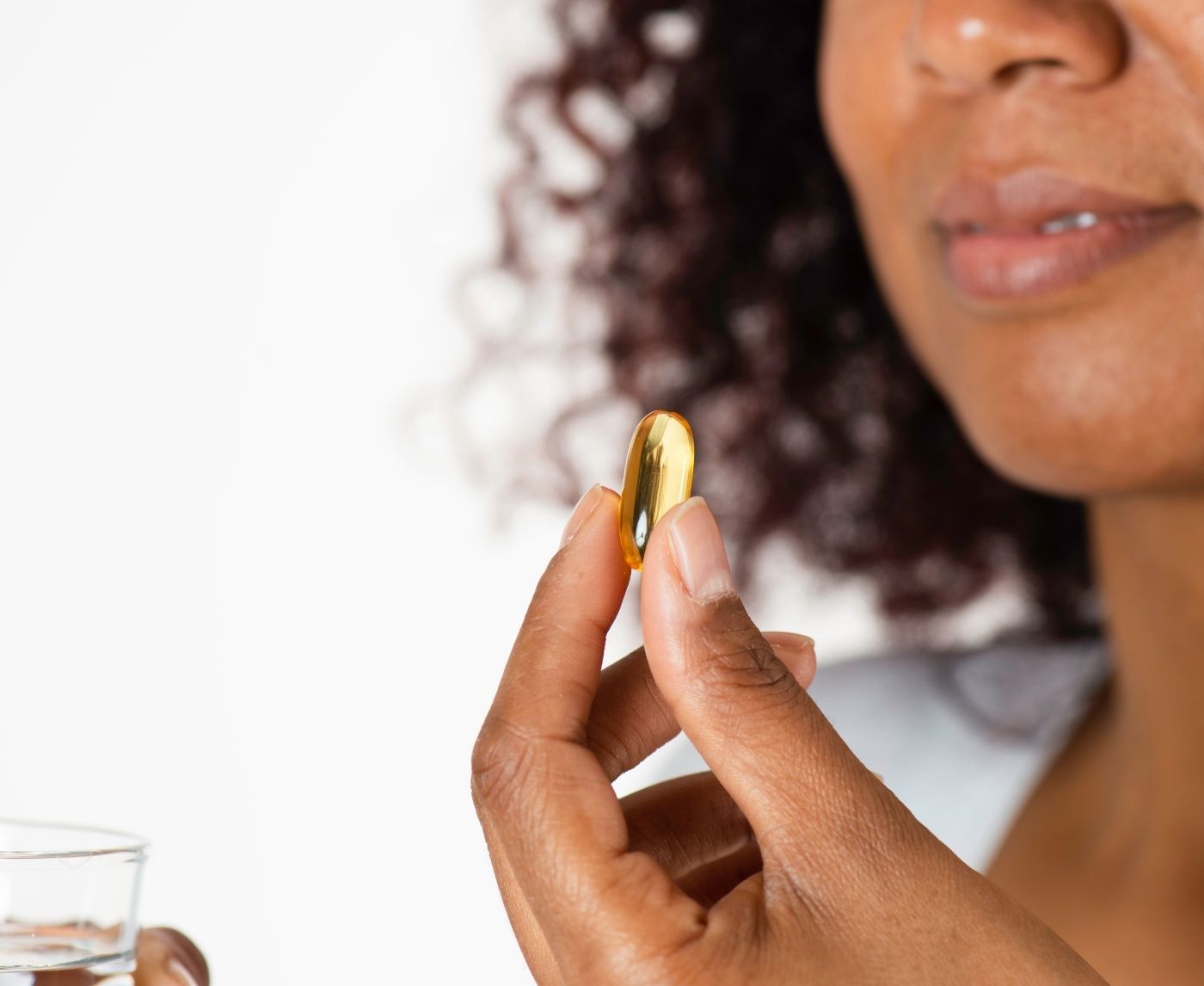
Quick Answer: Doxycycline can reduce your risk of getting chlamydia, syphilis, and to a lesser extent, gonorrhea if taken within 72 hours after sex, but it doesn’t prevent all STIs and isn’t a substitute for regular testing.
Why Are People Taking Doxycycline After Sex?
This isn’t a TikTok trend pulled from thin air. The idea of using antibiotics as post-exposure prevention for bacterial STIs, known as DoxyPE, is based on real science, and it’s been studied in real people. Most of that research has focused on men who have sex with men, particularly those already on PrEP for HIV, a group that’s often underserved in general sexual healthcare but over-targeted when it comes to risk statistics.
In those studies, taking a 200mg dose of doxycycline within 72 hours after sex showed promising results. It cut chlamydia infections by more than 70%, nearly halved the rate of syphilis, and slightly lowered gonorrhea risk. The logic? If bacteria haven’t had enough time to invade the system fully, doxycycline can stop the infection before it takes hold. But there’s a big caveat: timing, consistency, and the kind of STI all matter, and this isn’t a miracle cure.
Real Talk: What Taking DoxyPE Feels Like
Mateo, 27, had heard about it from a friend. “I was on PrEP already. Doxy was just the next thing. I’d pop one if I had a weekend with new partners. I didn’t feel weird about it until I realized I wasn’t testing as often, because I thought I was covered.”
That’s one of the biggest risks of DoxyPE, not resistance, not side effects, but a false sense of safety. Unlike condoms or routine testing, this method relies on behavior consistency and accurate risk timing. Miss the 72-hour window, and the benefit drops. Already infected? It won’t undo anything. Exposed to something viral like HIV or herpes? It won’t help at all.
This makes the emotional side even messier. People take DoxyPE with the hope that they’ve stopped something invisible, but there’s no immediate feedback. You won’t feel cured. You won’t know what didn’t happen. That gray area can be just as stressful as the exposure itself.
What DoxyPE Actually Protects Against (And What It Doesn’t)
Let’s get very specific. DoxyPE is currently only proven to work against three bacterial infections. Even within that list, results vary depending on timing, community use, and individual body factors. Here’s what current studies tell us:
| Infection | DoxyPE Effectiveness | Notes |
|---|---|---|
| Chlamydia | 70–85% reduction | Consistently effective in multiple trials |
| Syphilis | 50–65% reduction | Particularly useful in MSM populations |
| Gonorrhea | Little to no reduction | Resistance limits benefit; not reliable alone |
| Herpes, HIV, HPV, Trich | No protection | Viral or non-targeted pathogens unaffected |
Figure 1: What Doxycycline Prevents (And What It Doesn’t)
Understanding this table matters. Many people think they’ve done “something” after a risky hookup. And they have, but that something may not be enough to stop an STI, especially when it comes to viruses like herpes, HPV, or HIV.
So yes, you might reduce your odds of chlamydia. But that doesn't mean you're covered for everything, and that includes long-term health effects if something goes undetected.
What About Side Effects and Resistance?
When Anna, 33, started taking DoxyPE occasionally after hookups, she felt fine at first. But by the third or fourth dose, the nausea kicked in hard. “It was this low-key, all-day queasiness. I didn’t connect it to the antibiotic until someone else on Reddit mentioned it.” She stopped taking it for a while, but not before googling things like “can you take too much doxycycline for STDs?”
Like any antibiotic, doxycycline isn’t side-effect free. While a single 200mg dose may feel harmless, repeated use, especially outside a doctor’s care, can stir up stomach issues, yeast infections, sun sensitivity, and most importantly: resistance. This means that if your body becomes accustomed to low-level doxycycline, it might not respond as well when you actually need it to treat an infection.
This isn’t just a personal issue. On a community level, overusing antibiotics contributes to resistant strains of gonorrhea, syphilis, and even unrelated infections like UTIs. And while DoxyPE doesn’t appear to cause widespread resistance in controlled studies yet, experts are keeping an eye on it. There’s also concern that people who self-administer, without consistent timing or dosing, might drive resistance faster than those in structured programs.
PrEP vs DoxyPE: Different Goals, Different Rules
It’s easy to confuse PrEP and DoxyPE. Both involve pills. Both are taken around the time of sex. Both reduce STI risks. But they are not the same, and mistaking one for the other can lead to very dangerous gaps in protection.
Here’s how they really compare:
| Prevention Tool | Target Infections | When to Take | Who It’s For | Effectiveness |
|---|---|---|---|---|
| PrEP (HIV) | HIV only | Daily or 2-1-1 dosing before/after sex | High-risk individuals, especially MSM, trans women, some sex workers | Up to 99% when taken consistently |
| DoxyPE | Chlamydia, Syphilis, Gonorrhea | Within 72 hours after condomless sex | MSM and trans women in pilot programs; broader use being studied | 50–85% depending on infection |
Figure 2: DoxyPE vs PrEP , Different Tools, Different Purposes
The big takeaway? If you’re on PrEP for HIV, you’re not protected against other STIs unless you layer DoxyPE, condoms, or testing. And if you’re using DoxyPE, you’re not protected from HIV at all. These tools work best in combination, not confusion.
Who Is DoxyPE Being Prescribed To?
Right now, access is limited. Most of the people getting DoxyPE prescriptions are part of clinical studies, or are seeing progressive sexual health clinics familiar with the recent research. The CDC has not formally approved DoxyPE as a national protocol for STI prevention, though cities like San Francisco and Seattle have started incorporating it into some public health efforts, particularly among queer and trans communities with higher documented risk rates.
But this leaves out a huge group of people, cisgender women, nonbinary folks, and men who don’t fall into the MSM category, who may still face STI exposure but haven’t been included in research yet. That doesn’t mean DoxyPE won’t work for them, but it does mean we don’t have enough data to make confident recommendations outside those studied groups.
So if you’ve taken doxycycline post-sex and you’re not part of a formal program, you’re in a gray area. You might have helped yourself. You might not have. And unless you test again, you won’t really know.
So… Should You Take It?
This is where things get personal. Some readers find comfort in DoxyPE, a backup plan that reduces fear after risky sex. Others find it adds confusion: What am I really preventing? How many pills are too many? What if I took it too late?
If you’re considering DoxyPE or already experimenting with it, here’s what experts agree on: it’s not a replacement for condoms, testing, or honest conversations. It’s a tool, one that works best when it’s used thoughtfully, under guidance, and with a clear sense of its limits. If you’ve taken it already and feel unsure, testing is still your best next step.
If your head keeps spinning, peace of mind is one test away. This at-home combo test kit checks for chlamydia, gonorrhea, syphilis, and more, discreetly, affordably, and fast.
“I Took the Pill. Then I Tested Positive.”
James, 24, thought he was doing everything right. He took a 200mg doxycycline dose the morning after a one-night stand. “I felt this weird pride. Like I knew something other people didn’t. That I was ahead of the game.” But three weeks later, a burning sensation during urination pushed him into a clinic. The result? Positive for chlamydia. He was stunned. “I thought the pill had my back.”
Stories like James’s are becoming more common, not because DoxyPE doesn’t work, but because its limits aren’t clearly explained. Timing matters. The pill must be taken within 72 hours, and ideally within 24. A missed dose or delay could mean the bacteria had time to take hold. And even when the timing is “perfect,” no prevention method is absolute. Like emergency contraception or Plan B, DoxyPE is about reducing risk, not erasing it.
This gray zone can create emotional fallout: embarrassment, shame, or even denial. But here’s the truth: taking DoxyPE is still an act of self-protection. Testing positive doesn’t mean you failed, it means the system didn’t offer clear enough guidance. The next right move? Test, treat, and make the next decision with better information.
When Should You Test After Taking Doxycycline?
The timing of your STI test is still important, even if you didn't take DoxyPE. If you test too soon after being exposed to chlamydia or syphilis, you might get a false negative because the infection hasn't fully developed yet. The antibiotic may have suppressed symptoms without fully preventing the infection.
Here’s what a realistic timeline looks like for common scenarios:
| Post-Exposure Time | What Doxycycline Does | Best Testing Action |
|---|---|---|
| Within 24–72 hours | May reduce risk of some bacterial STIs if timed correctly | Wait 10–14 days, then test to confirm |
| More than 3 days post-sex | Too late for DoxyPE benefit | Test 2–3 weeks after exposure, then retest in 6 weeks if symptoms arise |
| Symptoms appear despite taking Doxy | Possible partial suppression, not prevention | Test immediately, consider retesting if symptoms persist |
Figure 3: DoxyPE Use and Testing Recommendations
This testing strategy isn't about punishment, it’s about protection. A negative test after DoxyPE can give peace of mind. A positive test doesn't mean you're dirty or irresponsible, it means your body needs care, not blame.
Testing Is Still the Most Powerful Tool
There’s a strange irony to all of this. In trying to prevent an infection, some people skip the one thing that actually confirms if it worked: testing. The discomfort of uncertainty often leads to procrastination. People wait. They wonder. They ask Reddit instead of ordering a kit. But the clarity testing provides is the only thing that turns guessing into knowing.
And it’s not just about you. If you’re sexually active with multiple partners, knowing your status helps everyone. DoxyPE doesn’t stop you from being a carrier if it didn’t fully work. You might feel fine, pass on an infection unknowingly, and reinforce the very cycle DoxyPE is trying to disrupt. Testing breaks that cycle.
STD Rapid Test Kits offers a range of discreet, affordable at-home tests. Whether or not you took DoxyPE, these kits help you follow through on the care your body deserves.
Can You Just Take Leftover Pills?
This question comes up constantly. “I had doxycycline left from a skin infection. Can I just take that?” Technically, yes. Ethically, no. Medically, maybe, but only if it’s the right type, dose, and within the right window.
Self-administering leftover antibiotics is risky for two reasons: first, you might be underdosing or mistiming it, giving bacteria a head start or just annoying them enough to become resistant. Second, you’re bypassing medical guidance that could spot other infections you didn’t even consider, like trichomoniasis or herpes, which DoxyPE won’t touch.
If you’ve done this already, don’t beat yourself up. Many people do. But consider this your sign to follow it with a proper test, and a conversation with a provider if you have access. DoxyPE isn’t about winging it. It’s about using the right tool, at the right time, for the right reasons.
Why Everyone’s Talking About DoxyPE, But Nobody’s Explaining It
You’ve probably noticed it too: the quiet rise of DoxyPE in group chats, Reddit threads, or whispered after a hookup. “Oh, just take a doxy. You’ll be fine.” It sounds casual. Almost cool. Like a cheat code for STI prevention. But for something so widespread in conversation, it’s wildly underexplained in most doctor’s offices. That disconnect can leave people making high-stakes decisions based on scraps of information, and that’s where things get risky.
Unlike PrEP for HIV, which comes with support systems, clear protocols, and community awareness, DoxyPE is still sitting in the shadows. Even though major studies (like the DoxyPE trial published in NEJM) show reduced STI rates in certain populations, the wider rollout just hasn’t caught up. If you’ve ever asked a primary care provider about it and got a blank stare, you’re not alone.
So what happens instead? People trade advice. They save pills from acne prescriptions. They try to do the right thing, without the tools, language, or support to do it safely. And let’s be honest: most folks aren’t reckless. They’re trying to stay healthy in a system that doesn’t always make it easy.
Jordan, 29, shared that she first heard about DoxyPE on a podcast, but when she asked her OB-GYN about it, the reaction was awkward. “She had never heard of it being used that way. I felt stupid for even asking.” That moment stuck. So when Jordan ended up in a high-risk situation and took a leftover doxycycline she had “just in case,” she did it without follow-up or guidance. Weeks later, she tested positive for gonorrhea. “I thought I’d done enough,” she said. “Turns out I did something, but it wasn’t the full picture.”
This is the problem with healthcare half-truths. When we make STI prevention feel inaccessible or shameful, people go underground. They patch together prevention on their own. Sometimes it works. Sometimes it doesn’t. And most of the time, they’re left holding a bag of “maybe I did the right thing?”
So let’s say it plainly: DoxyPE isn’t something to fear or worship. It’s a tool. And tools need instructions. If you’ve used it, or want to, you’re not irresponsible, you’re informed. You’re trying. You care. That’s more than most systems give you credit for.
Now let’s clear up the rest of the confusion. These are the real questions people are asking about DoxyPE, answered without fluff, shame, or judgment.
FAQs
- 1. Can doxycycline really stop an STD?
- It can help, sometimes. If you take a 200mg dose within 72 hours after unprotected sex, it may reduce your chances of getting chlamydia or syphilis. But it’s not magic, and it won’t block everything. It’s more like Plan B for bacteria, not a force field.
- 2. What if I took it too late?
- Timing is everything. If you waited more than three days, or if you’re not even sure when “the risk” happened, DoxyPE’s power drops off fast. Doesn’t mean you’re guaranteed to catch something, but it does mean you shouldn’t skip testing just because you swallowed a pill.
- 3. I took the doxy, but I’m still freaking out. What now?
- Totally valid. That post-sex spiral is real, and the pill doesn’t cancel anxiety. Best move? Wait about 10–14 days, then take a combo test. The negative will give you real peace of mind, and if anything shows up, you can treat it early. Win-win.
- 4. Does it protect against herpes or HIV?
- Nope. DoxyPE can’t touch viruses. That means HIV, herpes, and HPV are still in play. If you’re relying only on DoxyPE and skipping condoms or PrEP, you’re playing defense with half a team.
- 5. I took someone else’s doxy. Be honest, did I mess up?
- Not necessarily. People DIY all the time, especially when they’re scared and info is hard to find. But here’s the thing: if it wasn’t the right dose or you took it too late, it may not have helped, and now you don’t know for sure. Get tested. You deserve clarity, not shame.
- 6. Can I take DoxyPE every time I hook up?
- Some folks in studies do, especially if they have frequent partners. But daily or weekly use should only happen with a healthcare provider involved. Otherwise, you could wreck your gut or contribute to antibiotic resistance, which helps nobody.
- 7. I’m not gay or trans. Can I still use DoxyPE?
- Absolutely maybe. The research so far has focused on MSM and trans women, so that’s where access is easiest. But if you’re sexually active and at risk for bacterial STIs, the science might still apply. Problem is, doctors may hesitate to prescribe it unless you're in a studied group. That’s changing, slowly.
- 8. Will I still test positive if the doxy worked?
- If it worked, you shouldn’t have an infection to test positive for. But if you test too early, or if the doxy only partially suppressed the bacteria, your test might be falsely negative. Best practice? Test around 2 weeks after the exposure, and again later if symptoms show up.
- 9. Can I take PrEP and DoxyPE together?
- Yes, and a lot of people do. PrEP protects against HIV, while DoxyPE aims to block chlamydia, syphilis, and sometimes gonorrhea. They’re teammates, not duplicates. Just don’t confuse them, one doesn’t replace the other.
- 10. Why isn’t everyone talking about this?
- Good question. Part of it’s stigma. Part of it’s the slow pace of medical systems. And part of it’s the fear around antibiotic resistance. But the conversation is happening, just not loud enough yet. You being here? That helps shift it.
You Deserve Real Answers, Not Just a Pill
If you’ve taken doxycycline after sex hoping to prevent an STI, that means you care about your health. You were proactive. You acted fast. And that’s worth respecting. But one pill doesn’t always mean peace of mind. Testing fills in the gaps that DoxyPE can’t.
Whether it worked or didn’t, you still have options, and power. You can confirm your status, treat what needs treating, and protect your partners with honesty and clarity. That’s what real sexual health looks like: not perfect choices, but informed ones.
Don't wait and wonder; get the answers you need. This discreet and quick at-home combo test kit checks for chlamydia, gonorrhea, syphilis, and more.
How We Sourced This Article: We combined current guidance from leading medical organizations with peer-reviewed research and lived-experience reporting to make this guide practical, compassionate, and accurate.
- CDC: Doxycycline and STI Prevention
- CDC: Doxy PEP for Bacterial STI Prevention
- Doxycycline Post‑Exposure Prophylaxis to Prevent Bacterial STIs (NCBI Bookshelf)
- Doxycycline Postexposure Prophylaxis Is Effective — PubMed
- Population‑Level Analysis of DoxyPEP and STI Diagnoses — Nature Communications
- Doxycycline Post‑Exposure Prophylaxis and STI Incidence Trends (JAMA Internal Medicine)
- ECDC: Public Health Considerations on DoxyPEP Use
- NIH‑funded Study Finds Doxycycline Reduces Bacterial STI Incidence