What It Feels Like When Gonorrhea Travels to the Testicles
Quick Answer: Testicle pain after oral sex could be a sign of gonorrhea spreading to the epididymis. Even without discharge or burning, a dull ache or swelling in one testicle deserves immediate STD testing.
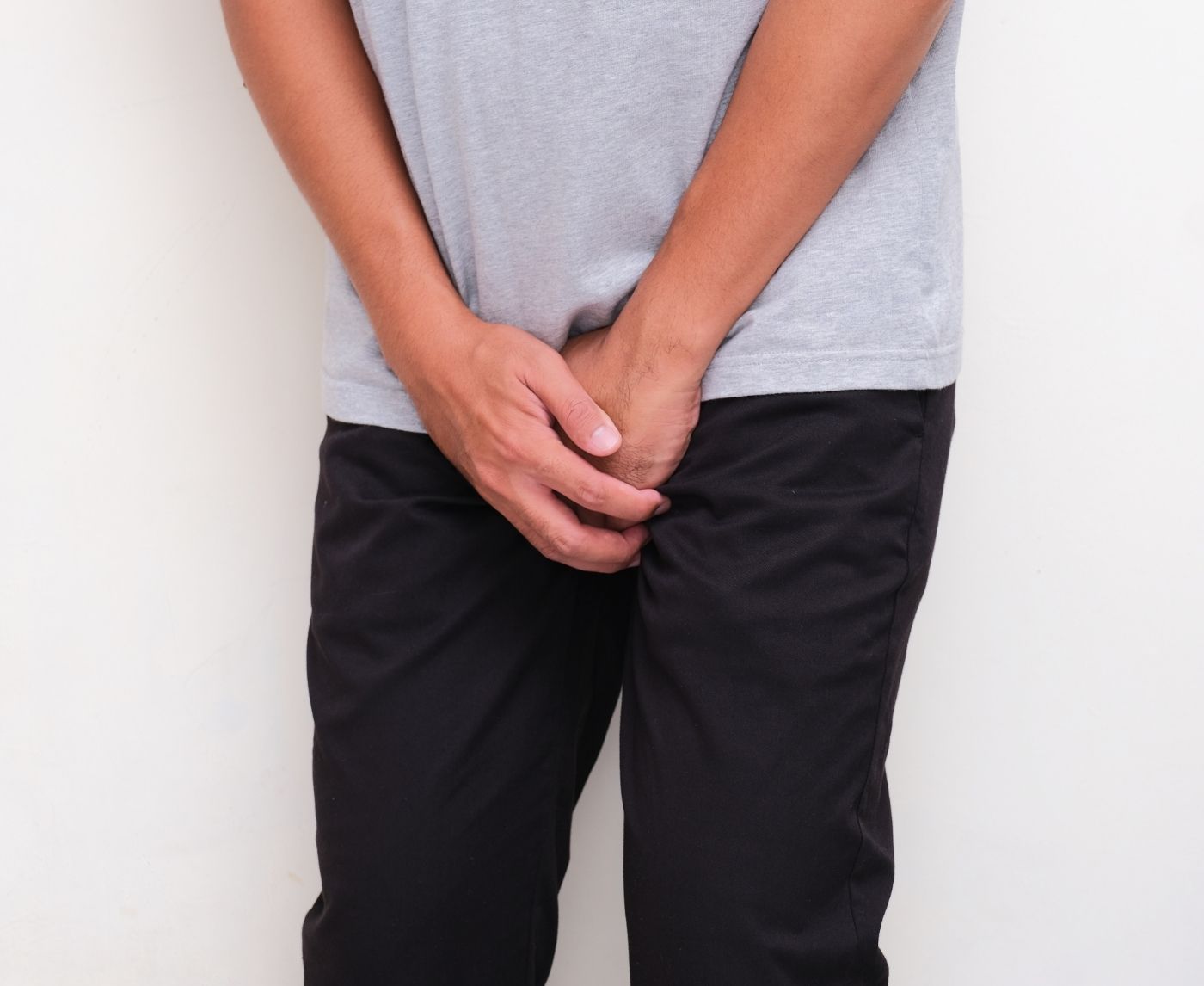
Quick Answer: Testicle pain after oral sex could be a sign of gonorrhea spreading to the epididymis. Even without discharge or burning, a dull ache or swelling in one testicle deserves immediate STD testing.
Why This Guide Exists (And Who It’s For)
If you’re feeling something off down there, especially after a recent hookup, and you’re spiraling in your head about it, this guide is for you. Whether you're monogamous or exploring, vaccinated or not, transmasc or cis male, sexually active or just experimenting, you deserve answers that don’t come wrapped in shame.
This article is for the folks who felt something shift in their groin after sex. Maybe you chalked it up to pressure, position, or nerves. Maybe you’re afraid it’s an STD but don’t see any discharge, so you're confused. Maybe you’ve been putting off a test because it feels like an overreaction. This guide is here to help you sort through the “what ifs” with clarity, care, and zero judgment.
When Gonorrhea Hits the Testicles: How It Happens
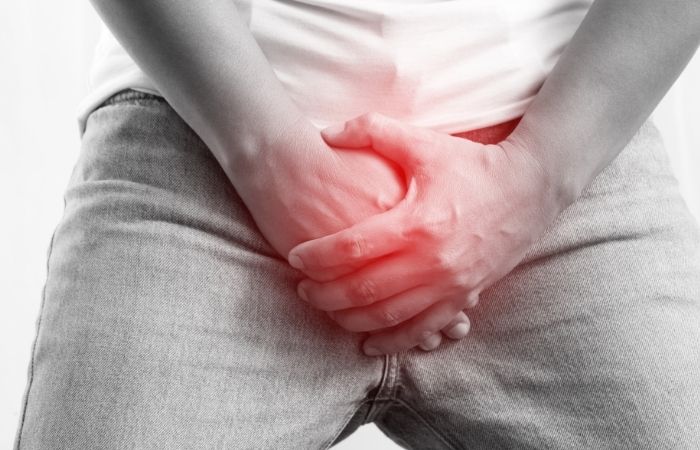
Gonorrhea usually starts at the point of contact, penis, rectum, throat. But in people with penises, if left untreated, it can ascend through the urethra and infect the epididymis, causing a painful inflammation called epididymitis. This isn’t rare. According to the CDC, gonorrhea is one of the leading infectious causes of epididymitis in men under 35.
The pathway looks something like this: oral sex → infection in the urethra (even if asymptomatic) → bacteria move upward into the epididymis. This process can happen in a matter of days if untreated. And here’s the kicker: many men never notice the urethral phase because not everyone gets the classic burning or discharge.
Instead, the first noticeable sign can be pain in one testicle, a feeling of heaviness, or tenderness near the base of the scrotum. Left unchecked, the infection can lead to infertility, abscesses, or chronic pain. Early detection is everything.
What It Feels Like (Real Descriptions from Real People)
It doesn’t always scream “STD.” Sometimes it’s subtle. A dull ache. A one-sided soreness. A sense that something’s just not sitting right. Here’s how readers have described it:
“I kept shifting in my chair, thinking I sat wrong. But the ache stayed, deep in my left ball. No redness, no discharge. Just... pain.”
“It felt like a bruise, but I hadn’t hit anything. It got worse after I stood up for a while.”
“I swore it was blue balls until it swelled up and got hot to the touch. That’s when I knew it wasn’t nothing.”
In some cases, there’s also fever, chills, or pain during ejaculation. But the most common early sign is a one-sided testicular pain that builds slowly. Often, it’s dismissed until the swelling becomes obvious. If you’re in that window, if your brain keeps going back to “something’s off”, listen to it. That’s what this article is here for.
How Fast Gonorrhea Can Move, and Why Timing Matters
Once gonorrhea enters the urethra, it can start moving upstream within days. Most cases of epididymitis develop within one to three weeks of exposure, but symptoms can start sooner depending on immune response and whether you’ve had prior infections. If you’ve already had gonorrhea in the past and didn’t complete treatment or were reinfected, your risk of complications like testicular involvement increases.
The absence of discharge or burning does not rule out infection. In fact, asymptomatic urethral gonorrhea is common in oral-only encounters, especially among men who don’t ejaculate during the act. But even without those classic signs, the bacteria can still climb into the testicles and cause damage.
Studies show that epididymitis related to STDs often presents with unilateral pain, low-grade fever, and swelling, yet many patients delay care because it doesn’t look or feel “urgent enough.” That delay is where things can spiral.
Don’t let the absence of dramatic symptoms fool you. If your testicle hurts and you've had oral sex recently, you need to test.
STD Testing When Your Testicles Hurt: What to Know
When you're dealing with testicle pain, the first question is always: "Do I need to test for an STD?" The answer is yes, especially if you’ve had unprotected oral, vaginal, or anal sex in the last few weeks. Even if you used protection for intercourse but not for oral, you're still at risk. Gonorrhea and chlamydia can both be passed through oral sex alone.
At-home STD testing has made things easier. You don’t need to explain your symptoms face-to-face, wait in a clinic, or worry about who might see your results. You can order a test kit online, collect your sample privately, and get results fast. The 6‑in‑1 At‑Home STD Test Kit checks for gonorrhea, chlamydia, and other common infections, all with one swab or urine sample, depending on the test type.
If you're experiencing testicular pain, you want to prioritize tests for gonorrhea, chlamydia, and possibly trichomoniasis. These are the three STDs most likely to travel to the epididymis and cause complications in men. If you've had any other symptoms, oral sores, rashes, fever, consider a broader panel.
Window Periods: When to Test After Oral Sex
The window period is the time between exposure and when an infection will show up on a test. Testing too early can give you a false sense of security. Below is a table that outlines how long you should wait before testing for the most common infections linked to testicle pain.
| STD | Transmissible via Oral? | Window Period | Ideal Test Timing | Can Cause Testicle Pain? |
|---|---|---|---|---|
| Gonorrhea | Yes | 2–6 days | 7–14 days post-exposure | Yes |
| Chlamydia | Yes | 7–21 days | 14–21 days | Yes |
| Syphilis | Yes | 3–6 weeks | 6+ weeks | Rare |
| Trichomoniasis | Possible | 5–28 days | 2–4 weeks | Uncommon but possible |
| HIV | Low risk via oral | 2–6 weeks | 6 weeks or later | No |
Table 1. STD window periods and risk of testicular involvement. Gonorrhea and chlamydia are the most common culprits behind epididymitis linked to oral sex exposure.
“I Thought It Was Just Blue Balls”
Leo, 24, hooked up with a friend-of-a-friend at a party. They kissed, exchanged oral, and nothing felt off, until three days later, when he noticed a soreness in his right testicle. It wasn’t sharp pain. More like pressure. By day six, the area felt heavier, and his scrotum looked redder than usual. He assumed it was blue balls, just lingering arousal or tension. But when it started to hurt during sex, he got spooked and Googled it. “That’s when I saw the word ‘epididymitis,’ and it was game over,” he said.
Leo ordered a rapid test for gonorrhea and chlamydia. The gonorrhea result came back positive. He saw a provider, got treated with a shot and a pill, and the pain resolved in four days. But he still regrets not testing sooner. “I was this close to ignoring it,” he said. “That could’ve wrecked my fertility.”
“There’s this idea that it has to burn when you pee, or you’re fine. I had none of that. Just pain in one ball. That was it.”
How to Tell If It’s Epididymitis (Or Something Else)
Not every case of testicle pain is gonorrhea. But if you’ve had a recent oral or genital encounter and the pain is one-sided, it’s smart to rule out infection. Here's how epididymitis from gonorrhea or chlamydia often differs from other conditions:
| Cause | Pain Type | Discharge | Fever? | Swelling? | Next Step |
|---|---|---|---|---|---|
| Gonorrhea-related Epididymitis | Dull to sharp, worsening | Sometimes, not always | Possible | Common | Test and treat ASAP |
| Blue Balls | Aching, pressure | No | No | No | Resolves with ejaculation |
| Testicular Torsion | Sudden, severe | No | Often | Yes, fast | Emergency, seek ER |
| Injury or Strain | Localized, sharp or bruised | No | Unlikely | Maybe | Monitor, rest, ice |
Table 2. Differentiating STD-related epididymitis from other causes of testicle pain.
If you’re unsure, don’t guess. A rapid test can help you eliminate the worst-case scenario and move forward with either treatment or peace of mind. Order a gonorrhea rapid test kit or choose a combo panel to cover all bases.
When to Retest and Why It Matters
If your test comes back positive, treatment is usually a single injection plus oral antibiotics. But what happens after? Here's what to know:
Retesting is typically recommended 3 months after treatment, even if your symptoms resolve. This isn’t just to check if the meds worked (they usually do); it’s to catch reinfection. Gonorrhea can return if your partner wasn’t treated too, or if you’ve had new exposures.
If your initial test was negative but symptoms persist, test again after 1–2 weeks. The window period may have been too early the first time. A case study published in the Journal of Infectious Diseases found multiple cases where initial tests missed infection due to premature timing, only to detect it upon retest.
What Happens If You Don’t Treat It
Let’s get honest: ignoring testicle pain after oral sex can turn a treatable STD into something that lasts a lot longer than embarrassment. When gonorrhea reaches the epididymis and stays untreated, it can cause scarring, chronic pain, and in some cases, infertility.
The epididymis is where sperm matures. If it’s inflamed long enough, the internal tubes can become blocked or damaged. In rare but real cases, untreated gonorrhea can also spread beyond the scrotum, triggering systemic infections like disseminated gonococcal infection (DGI), which can affect your joints, blood, and skin.
This isn’t said to scare you, it’s here to remind you that your body is talking. Pain isn’t always just “annoying”, sometimes it’s a signal. And when that signal is tied to a preventable, treatable infection? That’s a reason to act, not spiral.
How At-Home Testing Helps You Take Back Control
One of the biggest barriers to treating testicle pain as a possible STD? Shame. Many people hesitate to get checked out because they assume gonorrhea will “look obvious.” But a huge number of cases are asymptomatic, or show up in less textbook ways, like testicular discomfort.
At-home testing solves several problems at once. It gives you privacy, control, and speed, without needing to explain your symptoms to a front-desk nurse or wait in a public clinic. Kits like the 7-in-1 Complete At-Home STD Test Kit test for multiple infections at once and arrive in discreet packaging. You can collect your sample the same day symptoms show up and get results in as little as 20 minutes, depending on the test type.
Don’t wait and wonder. If your head keeps spinning, peace of mind is one test away.
Preventing Reinfection and Protecting Partners
If you test positive for gonorrhea, treatment is only part of the story. The next step is making sure your partner, or partners, also get tested and treated. Reinfecting each other is more common than people realize, especially when one person delays care or doesn’t know they were exposed.
You don’t have to do this perfectly. You just have to start the conversation. Some people text. Others use anonymous notification tools like TellYourPartner.org or rely on their clinic or telehealth provider to do the outreach.
Either way, it’s about respect, not shame. Sharing your results helps your partner avoid complications and keeps your own treatment effective. And if you’re not sure how to word it, try this:
“Hey, I just found out I have gonorrhea. I don’t have major symptoms, but it can cause complications if untreated. You might want to get tested just in case.”
That’s it. No blame, no drama, just facts and care.
Sex After Gonorrhea: When Is It Safe Again?
According to the CDC’s treatment guidelines, you should avoid all sexual activity for at least 7 days after completing your antibiotic treatment, and only resume if your symptoms have completely resolved. This includes oral, anal, and vaginal sex.
If your partner was also treated, you’ll both need to wait out that 7-day window together to avoid re-exposing each other. Condoms help reduce the risk of transmission, but reinfection is still possible if one person isn't fully cleared.
Some people also choose to get a follow-up test after that window ends, just for peace of mind. Others add regular testing into their routine, especially if they have multiple partners or are in a new relationship.
The gonorrhea rapid test makes retesting simple and discreet. Your sexual health isn’t just about this moment, it’s about building habits that protect your future.
Signs You Should Go to a Clinic or ER
Most testicle pain related to gonorrhea can be managed at home if you catch it early. But there are a few red flags that mean it’s time to stop Googling and seek urgent care:
- Sudden, severe testicle pain (especially if it came on in minutes)
- Nausea or vomiting alongside the pain
- Visible swelling that gets worse rapidly
- High fever or chills that don’t go away
- Pain that doesn’t respond to OTC meds or continues to worsen
These could point to testicular torsion, an abscess, or a rapidly advancing infection. It’s not worth the risk, head to an urgent care or emergency room if you’re seeing any of these signs.
For everything else, home STD testing is a smart, fast, and private first step. And if your result is positive, treatment is straightforward.
FAQs
- 1. Can gonorrhea really hurt the testicles even if there isn't any discharge?
- Yes, for sure. That's one of the biggest surprises. You might expect the textbook signs of gonorrhea, like burning pee and cloudy drips, but it doesn't always follow the rules. It can sneak up on you, especially after oral sex, and feel like a deep ache in one testicle. Not having a discharge doesn't mean you don't have an infection.
- 2. I only had oral sex. Do I still need to get tested for STDs?
- Yes, yes, and yes. Gonorrhea and other STDs can definitely be passed through oral sex. Many people think that oral sex is "safe enough," but bacteria like gonorrhea love the throat and can get to your urethra or testicles from there. It's a good idea to get tested if you feel bad after a BJ.
- 3. How soon after being exposed to gonorrhea can symptoms start?
- Sometimes in just two days. But here's the thing: gonorrhea doesn't usually cause testicular pain until it moves up, which can take a week or two. That's why people don't see the link. They feel fine at first, but then one ball starts to act strange days later.
- 4. What is the difference between gonorrhea pain and blue balls?
- Blue balls feel like pressure or fullness that goes away after you ejaculate. Pain from gonorrhea doesn't. It stays, gets worse, or comes with swelling, heat, or that annoying "something's wrong" feeling. If it hurts to walk or sit and it doesn't go away, it's not just arousal tension; it's time to get tested.
- 5. Is it possible for me to treat gonorrhea at home?
- Please don't. You can't get rid of gonorrhea with leftover antibiotics or cranberry juice. A shot and pills are the standard treatment for this. Trying to do it yourself can make it worse or make strains that don't respond. Get the real thing.
- 6. If I tested negative once but still have symptoms, is it still gonorrhea?
- It could be. You might have tested too soon, used the wrong kind of sample, or gotten a low-level infection that wasn't showing up yet. Retest if your testicle is still throbbing a week later. It's better to be safe than sorry (or sterile).
- 7. Can gonorrhea in the testicles make it hard to get pregnant?
- Yes, it can. Not always, but if you don't treat epididymitis for too long, it can hurt the system that stores and moves sperm. Not to scare you, but to get you moving. If you catch it early and treat it quickly, you'll be fine.
- 8. Should I tell my partner if I test positive?
- You should. Not only is it polite, but untreated gonorrhea spreads quickly and without any signs. If it's too hard to tell them directly, there are ways to let them know without giving your name. No judgment, just make sure they get the information and a chance to get help.
- 9. When can I get back together after treatment?
- The most important thing to remember is to wait seven full days after treatment and only if all symptoms are gone. That includes everything from oral to anal and everything in between. Great if your partner got help too. If you don't, you could get each other sick again like a bacterial boomerang.
- 10. What if I don't want to buy a test in person because I'm too embarrassed?
- No need. That's why there are test kits you can use at home. They come in plain packaging (no one will know), you test in your bathroom, and you get results quickly. Think of it as taking care of yourself with the help of a lab. No need for awkward small talk.
You Deserve Answers, Not Assumptions
Testicle pain after oral sex is more than a punchline, it can be a real sign of something deeper. Whether it’s gonorrhea, another infection, or something non-sexual, what matters most is listening to your body and responding with care, not shame.
You don’t need to be perfect. You just need to be proactive. Gonorrhea in the testicles is treatable, but only if you catch it in time. Don't wait and wonder, get the clarity you deserve. This at-home combo test kit checks for the most common STDs discreetly and quickly.
How We Sourced This Article: We combined current guidance from leading medical organizations with peer-reviewed research and lived-experience reporting to make this guide practical, compassionate, and accurate. In total, around fifteen references informed the writing; below, we’ve highlighted some of the most relevant and reader-friendly sources.
- CDC: Treatment Guidelines for Epididymitis
- Epididymitis – CDC STI Treatment Guidelines (gonorrhea can cause inflammation in the epididymis/testicles)
- Gonorrhea: Symptoms & Causes (painful/swollen testicles in men) – Mayo Clinic
- About Gonorrhea (testicular swelling/complications in males) – CDC
- Epididymitis Clinical Overview – NIH Bookshelf (epididymitis and orchitis including STI causes)