What No One Tells You About Oral STDs in Bi Men
Quick Answer: Bisexual men can absolutely get chlamydia and other STDs from giving or receiving oral sex, even without ejaculation. Many throat infections have no symptoms and require targeted testing to detect.
Quick Answer: Bisexual men can absolutely get chlamydia and other STDs from giving or receiving oral sex, even without ejaculation. Many throat infections have no symptoms and require targeted testing to detect.
Why This Article Exists (And Who It’s For)
If you’ve ever found yourself Googling “STD from giving head?” at 2AM, this article is for you. If you’re a bi guy who’s been told oral is ‘low-risk,’ or if you’re dating men and women and aren’t sure what applies to you, this is for you. If your doctor never asked the right questions, and your last test didn’t include a throat swab, this is especially for you.
This guide is for every bisexual or queer man who’s felt invisible in the conversation around sexual health. It’s for anyone who’s had a sore throat after a hookup and wondered, “is this normal?” It’s for the guys who test regularly but still miss something. And it’s for people who care about their partners, because getting tested is an act of care, not guilt.
We’ll cover what oral STDs look like (and don’t), how testing often misses them, and why bisexual men are both under-tested and under-informed. There’s no shaming here, just facts, context, and tools to take control.
What Counts as an Oral STD (And Why It’s Not Rare)
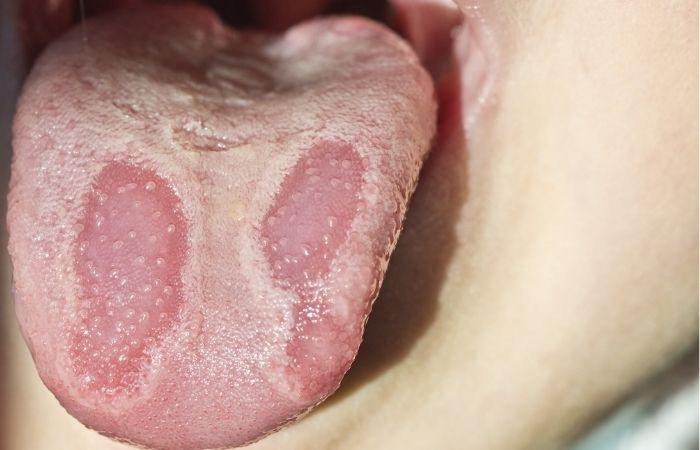
“Oral STDs” isn’t a clinical term, it’s shorthand for infections that can be transmitted via oral sex and take hold in the mouth or throat. The most common are:
| Infection | Can Affect the Throat? | Common Symptoms (If Any) |
|---|---|---|
| Chlamydia | Yes | Often none; sometimes sore throat, mild redness |
| Gonorrhea | Yes | Sore throat, swollen glands, pus-like throat discharge |
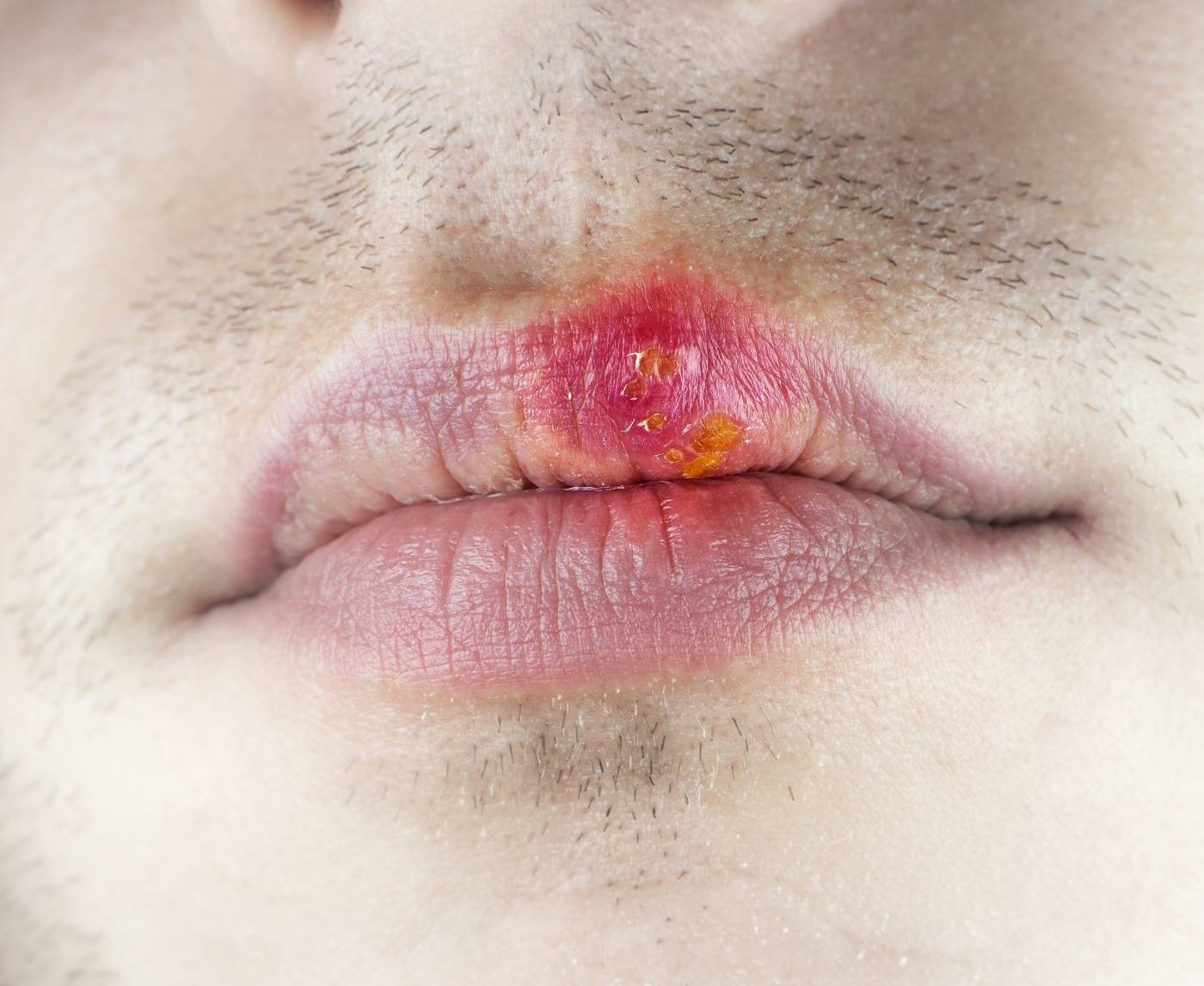
| Herpes (HSV-1/HSV-2) | Yes | Mouth sores, ulcers, pain when swallowing |
| Syphilis | Yes | Painless sore in the mouth, later rash or fever |
| HPV | Yes | Usually none; can lead to oral warts or rare cancers |
Table 1. Oral STDs and how they present, if they show symptoms at all. Many are silent in the throat, especially chlamydia.
The reason so many oral infections go unnoticed is because the symptoms are often mild or completely absent. According to the CDC, most chlamydia infections are asymptomatic. That includes infections in the throat.
And if you're not getting swabbed specifically in your throat? The infection may never be detected, even if you're getting “tested for everything.”
Can You Really Get Chlamydia Just From Oral?
Yes. You don’t need penetration, ejaculation, or even multiple partners. Giving oral sex to someone who has chlamydia in their genitals or rectum can lead to a throat infection. Receiving oral from someone with an oral chlamydia infection can also transmit it to your genitals or anus.
The bacteria responsible, Chlamydia trachomatis, lives in mucous membranes. The mouth and throat qualify. It doesn’t matter whether it “feels risky” or whether you’ve been told “oral doesn’t count.” Bi men are uniquely affected because they often move between partner types and are less likely to be offered throat-specific testing.
One 2022 study found that nearly 30% of oropharyngeal chlamydia cases in MSM (men who have sex with men) had no genital infection at all, meaning the throat was the only infected site. Standard urine tests would miss those cases entirely.
If you’ve given oral sex to someone with untreated chlamydia, your risk is real, whether you “finished” or not.
When “No Symptoms” Still Means You’re Infected
One of the biggest myths about chlamydia, especially in the throat, is that no symptoms means no infection. But that’s dead wrong. Many people, especially bisexual and queer men, walk around with oral STDs and have no idea because they feel totally fine.
Jake didn’t notice anything until the third day. A weird film on the back of his tongue. Maybe a slight ache in his neck. It wasn’t dramatic, no fever, no sores. If he hadn’t been paranoid, he never would’ve swabbed his throat. But when he did, the result was positive.
Chlamydia in the throat doesn’t usually cause the pain or pus we associate with strep. It can show up as:
- Mild sore throat: Often mistaken for allergies or a cold
- Swollen lymph nodes: Usually in the neck
- Redness or inflammation: Sometimes visible, often missed
- Completely asymptomatic: The most common presentation
That last point is the most dangerous. Because if you don’t know you’re infected, you won’t know to get treated, and you might pass it to someone else, even during what feels like “just” oral.
Why Standard STD Testing Doesn’t Catch This
Here’s where it gets infuriating: most STD testing panels don’t include throat swabs by default. Even if you ask for “everything.” Even if you’re honest about giving oral. Unless you specifically request an oropharyngeal swab for chlamydia and gonorrhea, it’s likely only your urine or blood will be tested.
This testing gap disproportionately affects bisexual men for two reasons:
- Assumption bias: Many providers don’t ask the right questions about partner gender or sex acts
- Testing protocols: Most clinics still default to genital-only tests unless you insist
The result? A lot of guys get told they're negative when they actually have an active infection in the throat. And without treatment, they continue spreading it, often to female partners, too, who may carry it silently as well.
It’s not your fault. But it is your body. You deserve to know what’s happening in it.
How to Test for Oral Chlamydia (And What to Expect)
Testing for oral STDs doesn’t require a doctor, a clinic, or a painful swab. Many at-home kits now offer oropharyngeal chlamydia and gonorrhea testing with simple, self-collected throat swabs.
You rub the swab against the back of your throat, avoiding the tongue, and seal it in a sterile tube. Mail-in kits usually deliver results in 2–3 business days. Some rapid options are available, but the most accurate method remains lab-analyzed PCR or NAAT testing.
You can order a discreet throat chlamydia test kit online if you suspect exposure. Choose a product that clearly states it tests oral/throat samples, not just urine.
Whether you test positive or negative, knowing the result lets you make informed decisions. No more guesswork. No more symptom Googling at midnight. Just answers.
How Long After Oral Sex Should You Test?
Let’s talk window periods, the time between exposure and when a test can reliably detect an STD. For oral chlamydia, here’s what the science says:
| Infection | Earliest Test Window | Best Accuracy Window |
|---|---|---|
| Chlamydia (oral) | 5–7 days | 14+ days |
| Gonorrhea (oral) | 2–5 days | 7–14 days |
| Syphilis | 3–6 weeks | 6–12 weeks |
Table 2. Testing windows for common oral STDs in men who give or receive oral sex.
If it’s been fewer than five days since exposure, a test may not catch the infection yet. If you test during the early window, plan to retest after 14 days for confirmation, especially if symptoms appear or persist.
Remember: testing doesn’t mean something’s wrong. It means you’re paying attention. It means you respect your body and your partners. It means you’re not afraid of the truth, and that’s powerful.
What Happens If You Don’t Treat It?
Untreated oral chlamydia doesn’t just linger in your throat. It can travel. It can spread. And it can cause complications you don’t see coming. While it may not lead to infertility like genital infections can, it still poses serious risks:
For starters, you can pass the infection to your partners during oral, vaginal, or anal sex, even if you feel fine. You can also develop chronic inflammation in your throat, putting you at higher risk for co-infections. And the longer it stays in your body, the higher the odds it may show up elsewhere later.
There’s also the emotional toll. Testing positive when you thought you were “careful.” Wondering if you’ve unknowingly infected someone you care about. Worrying what it says about you. That shame spiral is real, but it’s also unnecessary.
Here’s the truth: STDs are common. Treatable. And absolutely nothing to be ashamed of. Testing isn’t an admission of guilt. It’s an act of care, for yourself, and for anyone you’ve touched.
“I Got Chlamydia from One Hookup, No One Warned Me”
Luis, 24, identifies as bisexual. He’s been careful, uses condoms, gets tested every three months, and keeps communication open with partners. But last summer, after a solo hookup with a guy he met on vacation, he started feeling off. Nothing dramatic, just a persistent scratch in his throat.
“I didn’t think anything of it. No fever. No pain. It wasn’t until I went for my routine test and asked for an oral swab that they caught it.”
His urine test came back negative. Blood work clean. But his throat swab showed a chlamydia infection. He’d had it for at least two weeks. He wouldn’t have known if he hadn’t asked specifically to test that area.
“I was so pissed, at the system, not the guy. No one ever told me I needed to swab my throat. I assumed testing meant testing everything.”
After a single dose of antibiotics and some hard but honest partner conversations, Luis cleared the infection. But he’s still angry that bisexual men like him aren’t given clear guidance.
“We’re not invisible. We just get treated like we are.”
Why Bi Men Get Left Out of the STD Conversation
There’s a dangerous gap in how we talk about STD risk, and bisexual men are the ones who fall into it. Public health campaigns often separate “MSM” (men who have sex with men) from men who sleep with women. Bisexual guys may not identify with either label, and so they get missed.
Doctors may assume they're straight. Clinics may offer urine-only testing. And because bi men face stigma from both queer and straight communities, many don’t speak up.
That silence has consequences:
- Higher rates of undiagnosed STDs among bisexual men compared to gay or straight men
- More frequent missed testing opportunities due to assumptions about risk
- Emotional barriers to care because of shame, erasure, or medical mistrust
If you’re a bisexual man, you’re not “confused.” You’re not “overreacting.” You’re asking the right questions. And this is your reminder that you deserve care that fits your reality, not someone else’s assumptions.
Take control. Ask for throat testing. Choose an at-home kit that includes oropharyngeal swabs. If you’re unsure where to start, STD Test Kits offers discreet options that respect your privacy and your truth.
Let’s Talk About Partners, And What to Say
So you tested positive for oral chlamydia. Now what? First: breathe. This doesn’t make you dirty. It doesn’t mean you cheated. And it doesn’t define you. What it does mean is that your past partners may also be at risk, and they deserve to know.
If that idea sends panic through your chest, you’re not alone. Many bisexual men worry that disclosure will trigger judgment, questions about identity, or even outing. But there are ways to share this info safely and compassionately.
Try language like:
- “Hey, I wanted to give you a heads up, I tested positive for chlamydia in my throat. It’s treatable, but you might want to get checked too.”
- “No symptoms on either side, but it came up in a throat swab. Most standard tests miss it.”
- “Just found out I had an oral STD from a previous encounter. I’m treating it, but thought you should know in case you want to test.”
If a direct conversation feels unsafe, anonymous notification tools like TellYourPartner.org allow you to alert someone without revealing your identity.
Remember: protecting others doesn’t make you the bad guy. It makes you brave.
FAQs
- 1. Can I really get chlamydia from just giving a guy head?
- Yep. You don’t need to swallow, there doesn’t have to be ejaculation, and it can happen from a one-time thing. The bacteria lives in the urethra and rectum, and your throat has soft tissue it loves to latch onto. You’d never know unless you swabbed for it. That’s the problem.
- 2. Wait, so what does oral chlamydia actually feel like?
- Honestly? Most people feel nothing. That’s what makes it sneaky. Maybe a sore throat that won’t quit. Maybe a little swollen lymph node. Maybe literally zero signs. If you’re expecting burning, pus, or fever, you’ll probably miss it. That’s why so many folks walk around with it without knowing.
- 3. How long after a hookup should I test my throat?
- If it’s been 5–7 days, you can test, but 14 days is your best bet for catching it accurately. Think of it like baking a cake: test too early and it might not be fully “done” enough to show up. If you test early and it’s negative but you still feel weird? Retest at two weeks.
- 4. Does a regular STD test check your throat?
- Not unless you ask. Seriously. Most “full panels” test urine and blood only. Unless you, or your provider, specifically ask for a throat swab, you’ll get zero info about what’s going on up top. If you’ve given oral, make sure you’re actually testing the right site.
- 5. What if I’m bi and my doctor assumes I’m straight?
- You’re not alone, and you’re not wrong for being pissed. A lot of bisexual men get overlooked or misunderstood in healthcare settings. If your provider doesn’t ask the right questions, say something like: “I want to test for STDs in all relevant areas, including my throat. I’ve had oral sex.” It’s not TMI, it’s smart.
- 6. Can I pass throat chlamydia to a girl I’m dating?
- You can. If you perform oral sex on her while you have an untreated throat infection, there’s a real risk of transmission. That’s one way chlamydia keeps silently circulating, especially when no one knows they’re infected.
- 7. Is there a test I can do from home for this?
- Yes, but double check the fine print. Not all at-home kits include a throat swab. Look for one that says “oropharyngeal” or “oral site” explicitly. The STD Test Kits site carries those. It’s private, quick, and you can do it in your own bathroom without explaining anything to anyone.
- 8. What do I tell someone I might’ve exposed?
- Keep it simple, honest, and stigma-free. “Hey, I tested positive for oral chlamydia from a recent encounter. No symptoms, but I wanted to give you the heads up so you can test too.” You’re not outing yourself. You’re showing care, and courage.
- 9. Is treatment different for oral versus genital chlamydia?
- Not at all. It’s usually the same antibiotics. The key is catching it early and finishing the whole course. No shortcuts. And no hookups until your provider clears you, yes, even if you feel fine by day two.
- 10. Will it come back if I hook up with the same person again?
- If they weren’t treated? Probably. That’s how reinfection cycles work. You both need to test and treat, or else it’s ping-pong time. This is why those awkward-but-crucial “we need to talk” texts matter. It’s not drama, it’s health.
Take the Power Back, Quietly, Quickly, and Without Shame
If you’ve made it this far, you already care about your health. You’re not someone who ignores red flags. You’re someone who wants facts, clarity, and control. Whether you’re dealing with a scratchy throat, a confusing test result, or just a gut feeling that something’s off, trust yourself.
Testing doesn’t need to be public. It doesn’t need to be scary. It just needs to be done. Because the most dangerous STDs are the ones you don’t even know you have, and the ones no one talks about.
Take back your peace of mind. Order a discreet chlamydia throat test kit today and start getting the answers you deserve.
How We Sourced This Article: We combined current guidance from leading medical organizations with peer-reviewed research and lived-experience reporting to make this guide practical, compassionate, and accurate. In total, around fifteen references informed the writing; below, we’ve highlighted some of the most relevant and reader-friendly sources.