You Can Get Chlamydia in the Mouth
Quick Answer: You can’t get chlamydia from kissing alone, but oral sex can spread it to the mouth, throat, or genitals. Oral chlamydia often has no symptoms, but may cause sore throat or redness.
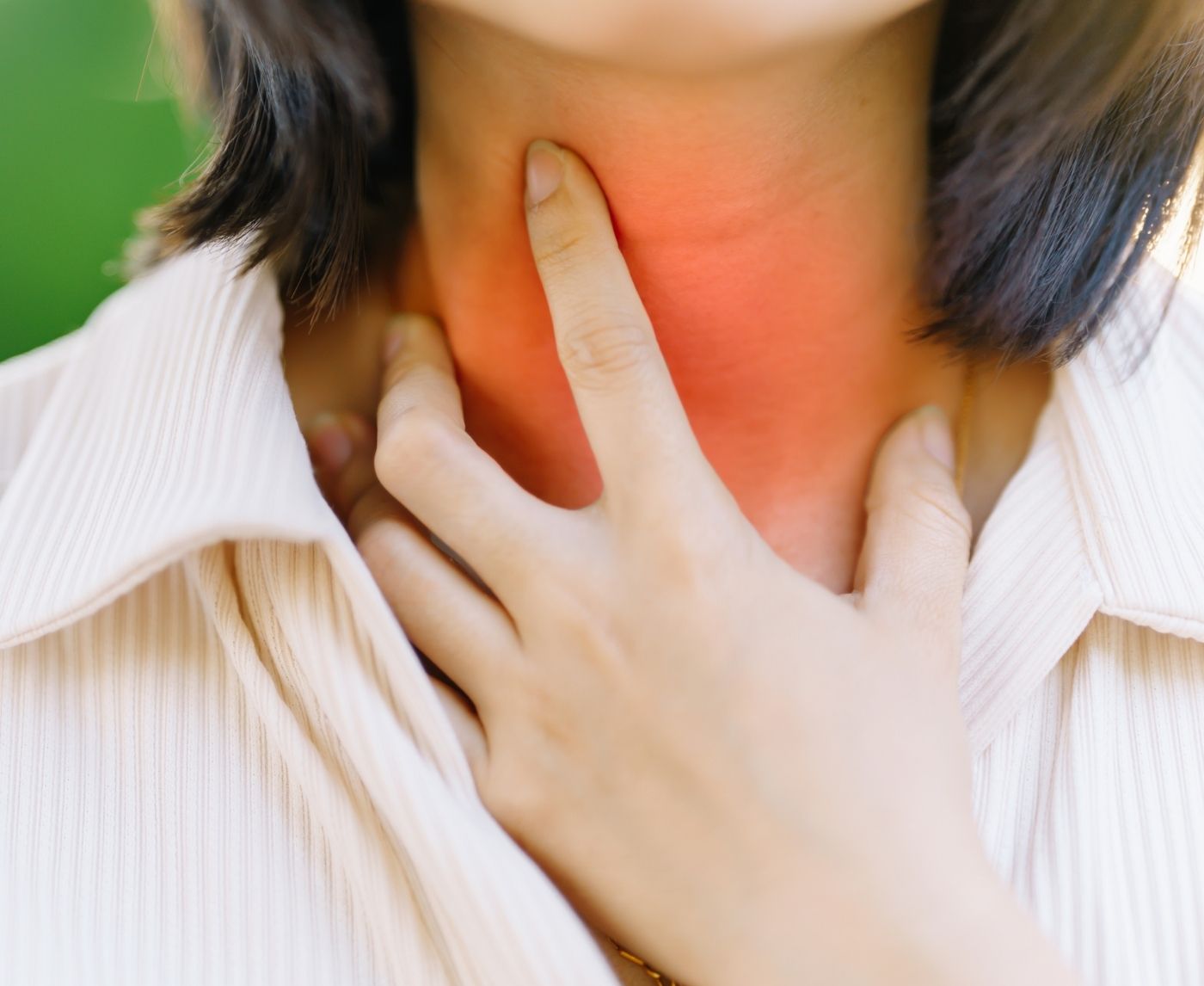
Quick Answer: You can’t get chlamydia from kissing alone, but oral sex can spread it to the mouth, throat, or genitals. Oral chlamydia often has no symptoms, but may cause sore throat or redness.
“Wait, Chlamydia in the Mouth?” Yes, It’s Real
Most people associate chlamydia with genital infections, but oral chlamydia, an infection of the throat or mouth, is well documented. It typically spreads through unprotected oral sex, especially when one partner has an active genital infection. Kissing alone is not a recognized transmission route, but confusion often comes from overlapping symptoms and timing.
Here’s what matters: if your mouth comes into direct contact with infected genitals (penis, vulva, vagina, or rectum), you can contract oral chlamydia. And if your partner performed oral sex on you while they had oral chlamydia? You might get a genital infection that way too.
The CDC confirms that chlamydia can infect the throat through oral-genital contact. That includes giving oral sex to someone who is infected, regardless of gender. The infection may settle in the throat, tonsils, or soft palate and often goes unnoticed, until testing reveals it.
So, Can You Get Chlamydia from Kissing?
In short: no, not from kissing alone. There’s no credible evidence that chlamydia spreads through casual or deep kissing, even if there’s tongue. It doesn’t live well in saliva, and there's no proof that it transfers mouth-to-mouth in this way.
However, this doesn’t mean your mouth is immune to STDs. Other infections like Herpes, Syphilis, and gonorrhea can be passed through kissing, especially if there are sores or lesions involved. And since many people carry oral infections without knowing it, risk still exists in high-exposure scenarios like rimming, face-to-genital contact, or exchanging saliva during sex play.
It’s also worth noting: a sore throat after kissing might not be from an STD at all. It could be viral (like mono), bacterial (like strep), or irritation from alcohol, smoke, or rough kissing. But if symptoms last more than a few days, or show up with other signs like swollen glands, redness, or a rash, it’s worth ruling out oral STDs with a throat swab test.
What Oral Chlamydia Looks Like (Or Doesn’t)
Here’s the trickiest part: oral chlamydia usually has no symptoms. Studies show that most people with it don’t feel sick and don’t even realize they’re infected. When symptoms do show up, they tend to mimic common throat issues:
| Symptom | Could Be Oral Chlamydia? | Other Possibilities |
|---|---|---|
| Sore throat without fever | Yes | Dry air, allergies, viral infection |
| Redness or white patches on tonsils | Sometimes | Strep throat, mono, thrush |
| Swollen lymph nodes | Rarely | Mono, HIV, general immune response |
| Facial rash near lips or chin | No | Herpes, acne, irritation |
Figure 1. Symptom overlap chart: how oral chlamydia symptoms can mimic other common infections.
Facial rashes, especially on the chin or mouth, are not typical signs of chlamydia. They’re more often linked to Herpes (cold sores), allergic reactions, or friction. But people sometimes confuse these with STD symptoms, especially if they show up days after a kiss or oral encounter.
“I Thought It Was Strep. It Was Oral Chlamydia.”
Leo, 24, went down on a new hookup he’d met on a dating app. A few days later, he felt a raw patch in his throat and chalked it up to allergies or dehydration. But when it didn’t go away, and a white spot showed up on his tonsil, he saw a doctor. The rapid strep test was negative. A throat culture eventually revealed it was chlamydia.
“I didn’t even know you could get it in your throat,” he said. “We didn’t have sex. Just oral.”
Leo’s story isn’t rare. In fact, research shows that oral chlamydia is more common than most people think, especially in people who receive or give unprotected oral sex to multiple partners. The good news: it’s treatable with antibiotics, and testing is quick with a throat swab.
If you’ve had recent oral exposure and feel symptoms, or even if you don’t but want peace of mind, an at-home STD test that includes oral sample collection can help. STD Test Kits offers discreet options that cover chlamydia and more.
Can Chlamydia Go Mouth → Genitals (or the Other Way)?
Yes, and this is where people often miss the bigger picture. While you likely won’t get chlamydia from kissing, you can absolutely transmit it from mouth to genitals (or vice versa) during oral sex. If one partner has oral chlamydia, performing oral sex on another person can pass the bacteria to their genitals or rectum. And if you receive oral sex from someone with chlamydia in their throat, you could end up with genital chlamydia.
This kind of “cross-site” transmission is especially easy to overlook, because symptoms might never show up, or show up in the wrong place. You might develop a sore throat and never realize it’s tied to a genital infection in your partner. Or you might test positive for genital chlamydia and have no idea the exposure came from someone’s mouth, not sex in the traditional sense.
The Journal of Infectious Diseases reports increasing rates of oropharyngeal chlamydia, especially in younger adults and men who have sex with men. Oral-to-genital routes are part of that pattern. But oral-to-oral (kissing) remains highly unlikely, even in high-risk groups.
What About Shared Cups or Lip Contact?
Let’s be clear: chlamydia is not spread by saliva, sharing drinks, or casual skin contact. It’s not like mono or the flu. The bacteria that cause it, Chlamydia trachomatis, need mucous membrane contact to pass from one person to another. That usually means vaginal, anal, or oral sex, not sipping the same glass or brushing cheeks at brunch.
Even deep kissing, while a route for Herpes or mono, isn’t likely to transmit chlamydia. The exception might be extreme exposure involving oral-genital contact followed by mouth-to-mouth kissing, think saliva carrying the bacteria immediately after giving oral sex. But even then, the risk is considered negligible.
Bottom line: kissing someone who has chlamydia in their genitals won’t give you oral chlamydia, unless you put your mouth directly on the source.
When to Test for Oral Chlamydia (and How)
If you’ve had oral sex, giving or receiving, within the last few weeks and notice symptoms like persistent sore throat, swollen tonsils, or unusual irritation in your mouth, it’s time to consider an oral STD test. But even without symptoms, testing is a good idea if you’ve had unprotected oral contact with a new or non-monogamous partner.
Here’s what you need to know:
| Test Method | Sample Needed | Best Time to Test | Accuracy |
|---|---|---|---|
| NAAT swab (lab or at-home) | Throat swab | 7–14 days after exposure | Very high |
| Combo at-home test kit | Oral + urine or genital swab | 10–21 days post-exposure | High if all sites are tested |
| Clinic throat culture | Swab + lab follow-up | Varies | Moderate to high |
Figure 2. Chlamydia oral testing options: what works and when to test for accurate results.
One common mistake? Only testing urine or vaginal swabs, and skipping the throat. If you’ve only had oral exposure, a genital test could come back negative even if the bacteria are hiding in your throat. That’s why full-site testing matters, especially after non-traditional encounters.
If you're unsure which test to get, or want a combo that covers multiple areas, consider a multi-site test kit. This combo STD test kit screens for chlamydia and other infections using discreet samples that include oral exposure.
Whether you're anxious after a hookup or just want peace of mind, testing isn't a confession, it's clarity. And you deserve that.
How Long Should You Wait to Test After Oral Contact?
Timing is important. If you test too soon after being exposed to the bacteria orally, you might get a false negative, especially if the bacteria haven't settled down yet. Here are your goals:
If you had oral sex with someone new:
- Give it at least seven days before you test your throat.
- Around 14 days is when the best accuracy happens.
- If the first test is negative, test again in 21 to 30 days if symptoms don't go away.
Are you already showing signs like a sore throat or white spots? You can test earlier, but keep in mind that symptoms alone don't mean anything. If you think you might have strep, mono, or thrush, talk to a doctor or get a throat swab kit right away.
No matter how long it takes, the most important thing is to know how likely you are to be exposed and not wait for things to get worse. Listen if your throat is telling you something's wrong.
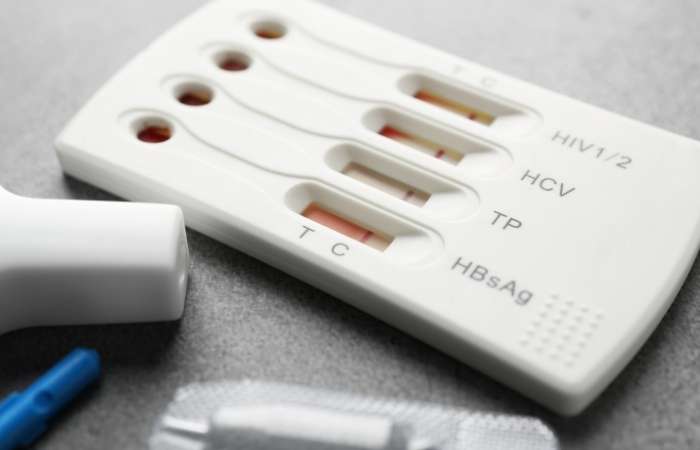
No, Mouthwash Won’t Kill Chlamydia
If you've ever sprinted to the bathroom after oral sex and rinsed your mouth with mouthwash, you're not alone. Some Reddit threads and sex blogs even claim it can “kill STDs in the throat.” But here’s the truth: mouthwash doesn’t cure or prevent chlamydia.
One study suggested certain alcohol-based mouthwashes may reduce oral gonorrhea temporarily, but nothing proves they impact chlamydia. The bacteria live deeper in the throat tissue and aren’t easily swished away.
So while rinsing your mouth can reduce bacteria and improve general hygiene, it’s not a substitute for barrier protection or testing. False security is risky, especially if you're relying on mouthwash after oral exposure to avoid getting tested.
Can Condoms or Dental Dams Help?
Yes, and they’re underused. Chlamydia is preventable with proper barrier use during oral sex, including:
- Condoms: Reduce exposure when performing oral sex on a penis
- Dental dams: Protect the mouth from vaginal or anal contact
- Cut-open condom or plastic wrap: A DIY version of a dam in a pinch
But most people don’t use barriers during oral sex. In fact, a study published in Sexually Transmitted Diseases found that fewer than 10% of young adults report consistent condom or dam use during oral.
Why? Stigma, awkwardness, lack of awareness, or the assumption that “it’s just oral.” Unfortunately, that’s exactly how oral chlamydia slips through unnoticed. Using barriers doesn’t mean you’re paranoid, it means you’re proactive.
Even occasional use can cut your risk dramatically. And if that feels unrealistic, testing regularly becomes even more important.
What Not to Do After an Oral Exposure Scare
Whether you’re panicking post-hookup or just unsure what counts as “real” risk, here are three common mistakes to avoid:
| Mistake | Why It Backfires | What to Do Instead |
|---|---|---|
| Testing too early (within 2–3 days) | Could miss the infection; leads to false reassurance | Wait at least 7 days post-exposure or test again at 14–21 days |
| Only testing urine/genital sites | Misses oral infections completely | Use a test kit that includes a throat swab or oral option |
| Assuming no symptoms = no STD | Oral chlamydia is usually silent | Base decisions on exposure, not just how you feel |
Figure 3. What not to do after potential oral exposure, and how to protect yourself better.
STD exposure doesn't always come with obvious signs. That’s why smart testing beats guessing. And if you're waiting for symptoms, you might already be contagious without knowing it.
Stigma Doesn’t Prevent STDs, Testing Does
If you’re reading this, there’s a good chance you’re feeling anxious, embarrassed, or caught off-guard. Maybe you thought oral sex was “safe enough.” Maybe you didn’t even realize chlamydia could show up in the mouth. That doesn’t make you reckless, it makes you human.
We all learn through experience. And the reality is, most STDs are treatable when caught early. Oral chlamydia responds well to antibiotics, and at-home test kits now make it easier than ever to get checked without judgment.
Whether it was a hookup, a new relationship, or just a moment you’re unsure about, you deserve answers, not assumptions.
FAQs
- 1. Can you actually get chlamydia from kissing?
- No, and that rumor’s been riding the internet for way too long. Chlamydia doesn’t live in saliva, and mouth-to-mouth kissing isn’t how it spreads. The real risk? Oral sex. So unless your kiss turns into oral contact with genitals, you’re not catching chlamydia that way.
- 2. Then how do people end up with chlamydia in their mouth?
- It usually happens when someone gives oral sex to a partner who has a genital chlamydia infection. The bacteria can settle in the throat or back of the mouth. You won’t feel it happening, and most people don’t feel anything afterward either, which is why it flies under the radar.
- 3. What does oral chlamydia even feel like?
- Honestly? Most of the time, nothing. But when symptoms do pop up, they’re super vague: a sore throat that sticks around, maybe some redness, maybe a dry scratchy feeling you can’t shake. You might blame allergies or think it’s strep. That’s the problem, it hides in plain sight.
- 4. What if I just have a rash on my chin, could that be chlamydia?
- Nope. Chlamydia doesn’t cause facial rashes. If you’ve got something bumpy or red near your mouth, it’s more likely to be Herpes, irritation, or even an allergic reaction. But if that rash showed up after oral sex or a new hookup, it’s smart to check everything, just in case there’s more going on.
- 5. Is it possible to pass chlamydia by giving oral sex?
- Yep. If you’ve got oral chlamydia and go down on someone, you could give them genital chlamydia, even if you don’t have a single symptom. That’s what makes it tricky: people assume they’re “safe” because they feel fine, but the bacteria don’t care how good you feel.
- 6. Do I really need to test my throat if I’ve only had oral sex?
- 100%. A urine test alone won’t catch an oral infection. If all you did was give or receive oral, and you’re not testing the throat? You might be walking away with a false negative, and still be contagious.
- 7. How long should I wait to get tested after oral sex?
- Give it at least 7 days after exposure. That’s when the bacteria can show up reliably on a throat swab. If you're super anxious, you can test earlier, but you’ll probably need a follow-up around the two-week mark for accuracy.
- 8. I used mouthwash after oral sex. Am I safe?
- We wish it worked like that. Mouthwash might freshen your breath, but it’s not killing STDs in your throat. Some studies suggest it helps with gonorrhea a little, but chlamydia? Not budging. Mouthwash isn’t a cure. Testing is.
- 9. Can someone get oral chlamydia from me if I have it in my genitals?
- Yes. If someone goes down on you while you have an untreated genital infection, there’s a solid chance the bacteria can move to their throat. And again, neither of you might feel a thing. That’s why testing and treating are so important in between partners.
- 10. What test should I use if I’m worried about oral chlamydia?
- Choose a test that includes a throat swab, don’t just settle for pee-in-a-cup. A good option is the Combo STD Home Test Kit, which screens multiple areas. It’s discreet, accurate, and you don’t have to explain anything to a stranger at a clinic.
You Deserve Answers, Not Assumptions
If your throat feels off after a hookup, or if you're just unsure what risks really count, this article isn’t here to scare you. It's here to tell you: you’re not alone, and you’re not overreacting. Oral chlamydia is real, underdiagnosed, and fully treatable.
Don’t wait and wonder, get the clarity you deserve. This at-home combo test kit checks for the most common STDs discreetly and quickly.
How We Sourced This Article: We combined current guidance from leading medical organizations with peer-reviewed research and lived-experience reporting to make this guide practical, compassionate, and accurate. In total, around fifteen references informed the writing; below, we’ve highlighted six of the most relevant and reader-friendly sources. Every external link in this article was checked to ensure it leads to a reputable destination and opens in a new tab, so you can verify claims without losing your place.