Can You Go to Urgent Care for STD Testing?
Quick Answer: Yes, urgent care clinics can test for STDs like chlamydia, gonorrhea, HIV, and syphilis, especially if you have symptoms. But not all offer comprehensive testing, and some results may take days.
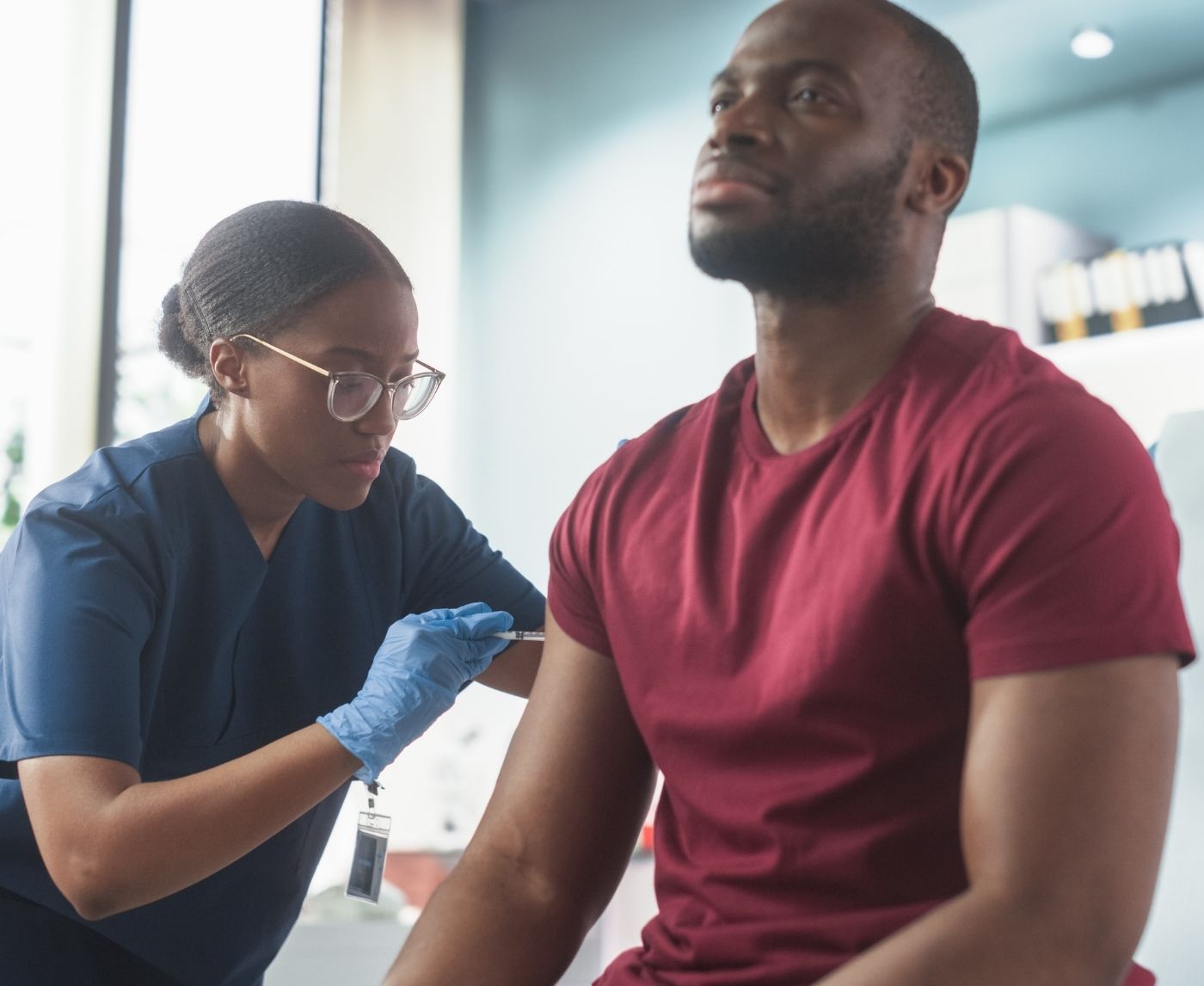
Quick Answer: Yes, urgent care clinics can test for STDs like chlamydia, gonorrhea, HIV, and syphilis, especially if you have symptoms. But not all offer comprehensive testing, and some results may take days. For privacy or convenience, at-home STD kits may be a better option.
Who Actually Goes to Urgent Care for STD Testing?
This isn’t just for people who’ve had “risky” sex. The reality is that urgent care sees everyone from teens with burning after their first sexual experience to married adults who noticed a new sore. Some walk in after a hookup gone sideways. Others are terrified after an old partner texts “You should probably get tested.”
Urgent care becomes the default for a lot of people who: don’t have a primary doctor, want fast answers, are traveling, or feel too embarrassed to book a full STI panel with their OB-GYN. It’s often about immediacy, you want someone to look at it now. That’s valid. But there are trade-offs.
If you’re reading this at 2AM, mid-panic, or sitting in your car outside an urgent care debating whether to walk in, this article is for you. We’ll help you decide if it’s the right move, what to expect, and what happens next.

What STDs Can Urgent Care Actually Test For?
Most urgent care clinics can test for the following infections:
| STD | Urgent Care Testing Available? | Typical Method | Same-Day Results? |
|---|---|---|---|
| Chlamydia | Yes | Urine sample or swab | No (usually sent to lab) |
| Gonorrhea | Yes | Urine sample or swab | No |
| Syphilis | Often | Blood test | Rarely |
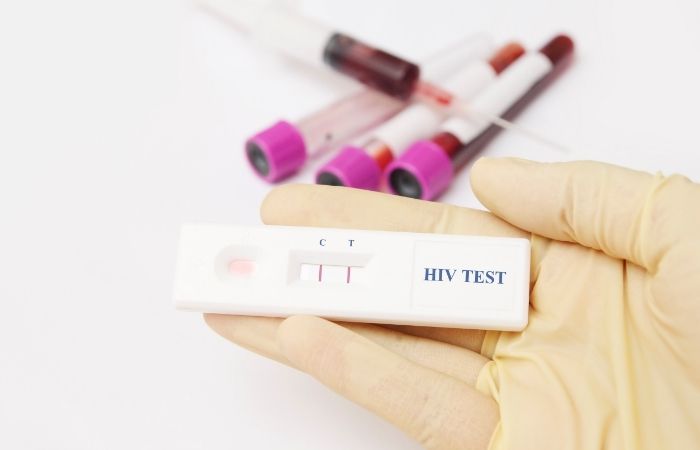
| HIV | Sometimes | Blood or oral swab | Varies (some offer rapid test) |
| Herpes (HSV-1/2) | Only during outbreak | Swab of active sore | No |
| Trichomoniasis | Sometimes | Swab (vaginal) | No |
Figure 1. What urgent care can typically test for, how, and whether you’ll get same-day answers.
Many centers send samples to external labs, which means waiting 2–5 business days for results. And unless you have clear symptoms, some providers may skip certain tests unless you specifically ask.
Important: Herpes testing is often misunderstood. If you don’t have an active sore, most urgent cares won’t do a herpes blood test, and if they do, the results can be confusing or misleading. We’ll unpack this more below.
When Urgent Care Makes Sense (And When It Doesn’t)
Here’s where urgent care shines: you’re symptomatic, you need a prescription, or you’re scared something serious is happening right now. That burning, that discharge, that painful ulcer? Those are moments when in-person care can rule out multiple conditions and get you antibiotics, fast.
But here’s the other side: if you just want peace of mind after unprotected sex, if you’re asymptomatic but anxious, or if you need full-panel testing for multiple STDs (including oral and rectal sites), urgent care may not be your best bet. Many won’t screen for HPV, hepatitis, or oral infections unless you advocate for it.
And if privacy is a top concern, if you don’t want to explain a hookup to a front desk staff or have a visit show up on insurance, then an at-home STD test might be a safer, more discreet route.
We'll break down that option in more detail in the next section.
Urgent Care vs At-Home STD Testing: Which Is Better for You?
Let’s say it’s Saturday night. You’re spotting a rash or something just feels off. You’re weighing two options: head to urgent care now or order an at-home STD test and wait. So which one makes more sense?
Urgent care can be the right choice if you're experiencing acute symptoms, painful urination, unexpected discharge, visible sores, or fever after sexual contact. These are red-flag symptoms that may point to gonorrhea, syphilis, or even herpes in an early outbreak. You may need treatment the same day, and urgent care providers can often prescribe antibiotics or antivirals right away.
At-home STD tests, however, are ideal if you're not in immediate discomfort but need answers. They're discreet, often cheaper than urgent care visits, and cover more ground. A comprehensive test panel can include chlamydia, gonorrhea, HIV, syphilis, trichomoniasis, and even hepatitis B and C, depending on the provider.
| Option | Best For | Turnaround Time | Privacy Level | Cost Range |
|---|---|---|---|---|
| Urgent Care | Visible symptoms, prescription needed | Same day to 5 days | Low to moderate | $100–$300+ (with/without insurance) |
| At-Home STD Test | Routine screening, discreet results | 1–3 days after lab receives sample | Very high | $79–$179 (no insurance needed) |
Figure 2. Comparison of urgent care vs at-home STD testing: what to consider before choosing.
Here’s the real-world tradeoff: Urgent care gives you immediacy; at-home kits give you control. Both are valid paths, and many people use both depending on the situation. You might go to urgent care if symptoms flare, but use an at-home test a few weeks later to confirm everything’s clear.
If your head keeps spinning and your stomach is in knots, peace of mind is one discreet test away. Order a Combo STD Test Kit to check for the most common infections without leaving your space.
“I Thought It Was Just a Yeast Infection”
Lena, 27, had been dealing with mild irritation after a new partner. She assumed it was a yeast infection, something she’d had before. But when the itching got worse and she noticed a small sore on her inner labia, panic set in. It was Sunday night. Her OB-GYN wasn’t available for another five days.
“I didn’t want to wait, but I also didn’t want to be judged,” she recalls. “I went to urgent care the next morning. The provider was actually really kind, they did a swab, sent it to the lab, and prescribed a cream in case it was something fungal while we waited.”
The result came back: HSV-2, genital herpes. It was a first outbreak, and urgent care was able to start antivirals right away.
Lena’s story highlights an important point: symptoms aren’t always what you think, and catching something early, whether it's herpes or something else, can reduce severity and transmission. Urgent care worked for her, not because it gave instant results, but because it gave her a path forward when she was spiraling.
If you’re staring at a bump and don’t know what to do next, you’re not alone, and you’re not overreacting.
Does Urgent Care Treat STDs Too?
Yes, most urgent care providers can treat several common STDs, especially bacterial infections like chlamydia, gonorrhea, and early-stage syphilis. In fact, if you have symptoms that strongly suggest one of these, they may treat you on the spot even before lab results return. This is called “empiric treatment” and it’s based on clinical signs plus your sexual history.
Here’s what urgent care can usually prescribe:
- Chlamydia: Azithromycin or doxycycline
- Gonorrhea: Ceftriaxone injection, often combined with oral meds
- Trichomoniasis: Metronidazole (oral antibiotic)
- Herpes: Acyclovir, valacyclovir, or famciclovir (for outbreaks)
For viral infections like HIV or hepatitis, urgent care centers usually do not provide full diagnosis or treatment. They may refer you to a specialist, particularly if you test positive on a preliminary screen. The same goes for HPV, urgent care doesn’t typically test for it at all.
If you’ve tested positive at urgent care, follow-up testing or care is still essential. And if you're not sure what to do with the result, you can always follow up with an at-home kit to confirm your status confidentially.
What Happens at Urgent Care for STD Testing?
If you’ve never been to urgent care for sexual health, you might not know what to expect. Here's how it typically works:
You check in, either online or in person, and fill out paperwork. You’ll be asked about symptoms, last sexual contact, and whether you want specific tests. You can decline to answer some questions, but being open (even awkwardly so) helps the provider choose the right tests and treatments.
Once you're in the exam room, a provider may do a brief physical exam, especially if you have visible symptoms. If you’re female or assigned female at birth, they might perform a pelvic exam or take vaginal swabs. For others, a urine sample or visual exam may be enough.
Most urgent care clinics don’t have onsite labs for STD results. Instead, they collect samples and send them to an outside lab like Quest or LabCorp. You’ll typically wait 2 to 5 business days for results unless you receive a rapid HIV test or are treated empirically.
Results are usually shared through a patient portal or via phone. If you're positive, you might be asked to return for treatment, or referred out. And yes, you can ask for a printout of your results if you need them for partner notification or follow-up care.
What If You Don’t Have Symptoms?
This is where things get tricky. Urgent care prioritizes people with symptoms. If you walk in asking for a full STD panel but don’t have any signs of infection, some clinics might only offer limited testing, or decline entirely.
For example, they may test for chlamydia and gonorrhea with a urine sample, but skip syphilis or HIV unless you ask. And they rarely offer oral or rectal testing, even if those were sites of exposure. This can lead to false reassurance.
Also worth noting: HPV and herpes blood tests aren’t routine. In fact, the CDC does not recommend herpes blood testing unless symptoms are present due to high false-positive rates and unclear clinical value. This often surprises people looking for “just to be safe” testing.
In contrast, an at-home STD kit can offer full coverage, oral, genital, and anal, without needing to justify your request. It's a safer bet if you're asymptomatic but still at risk.
Herpes, HIV, and the Limits of Urgent Care Testing
Herpes and HIV are among the most searched-for STDs online, and also two of the most misunderstood in urgent care settings.
For herpes, unless you have an active sore that can be swabbed, most urgent care centers will not test you. Blood tests (IgG) can be requested, but results are often inconclusive, especially if it's a recent exposure. Providers may even refuse to order the test unless you’re very persistent.
For HIV, it depends. Some urgent cares do offer rapid HIV tests (results in 20 minutes), but many rely on labs, meaning a 2–5 day wait. Worse, if you’re still within the window period, i.e., less than 2 weeks after exposure, a test might come back negative even if you’re infected.
For the most accurate HIV results, a fourth-generation antigen/antibody test (or NAAT) is best, but that’s not always available at urgent care.
If you’re navigating a recent scare and want full-spectrum testing, your safest move might be to combine both options: go to urgent care now if symptoms are urgent, then confirm with an at-home test after the window period.
Can Urgent Care Bill Insurance for STD Tests?
Yes, if you have insurance, most urgent care centers will bill it for STD testing. That can cover some or all of the visit, depending on your plan and whether the clinic is in-network.
But here’s the catch: insurance billing isn’t always discreet. If you're on a family plan, your explanation of benefits (EOB) could list "infectious disease testing" or itemized lab codes, alerting parents, partners, or employers to the visit. That’s one reason many people choose to pay out-of-pocket or use at-home kits instead.
Without insurance, expect to pay $100 to $300+ depending on how many tests you need. Some urgent care clinics offer STD “packages,” but those still might not include HIV or herpes, and the cost can add up fast.
By comparison, an at-home Combo STD Test Kit offers broad coverage for a flat price, no insurance disclosures, no waiting room, no awkward questions.
FAQs
- 1. Can I really just walk into urgent care and say “I think I need an STD test”?
- Yes, and you wouldn’t be the first. You don’t need to wait for permission or a doctor’s referral. Just be honest (even awkwardly honest) about your symptoms or exposure. Most urgent care clinics have seen it all, and the best ones won’t bat an eye.
- 2. What if I’m not having any symptoms, will they still test me?
- Maybe, maybe not. Urgent care tends to focus on urgent stuff, burning, discharge, visible sores. If you’re asymptomatic but want peace of mind after a hookup, they might say no or only test for one or two STDs. That’s where at-home kits really shine: full panel, no explanations required.
- 3. How fast do urgent care STD results come back?
- If you’re lucky, a few offer rapid HIV tests with same-day results. But most send your samples to a lab like Quest or LabCorp, which means 2–5 business days. So, no, unfortunately, it’s not like a pregnancy test where you pee and know in 3 minutes.
- 4. Will my parents/partner/insurance see that I went?
- If you use insurance and you’re on a family plan, the visit might show up on your EOB (Explanation of Benefits). Even if the results are confidential, the billing codes often aren't. If that’s a dealbreaker, consider paying out of pocket or using an at-home test that doesn’t go through insurance at all.
- 5. Does urgent care actually treat STDs, or just test?
- Yes, they can treat a lot of the common ones. If you test positive, or your symptoms strongly suggest something like chlamydia or gonorrhea, they may give you antibiotics on the spot. Some even start treatment before results are back if they think it’s likely you’re infected.
- 6. Can I get tested for herpes if I don’t have any sores?
- Here’s the deal: most urgent care clinics won’t test for herpes unless you’ve got something visible to swab. And even if you ask for a blood test, they might say no. The results can be confusing and cause more stress than clarity, especially if the exposure was recent. (Yep, herpes is complicated.)
- 7. I think I have a UTI, should I still get tested for STDs?
- Absolutely. UTIs and STDs can look super similar, burning, urgency, pelvic pain. It’s not uncommon to go in thinking it’s a bladder thing and leave with a gonorrhea diagnosis. If you’re sexually active, ask them to check for both. Better safe than sorry (and better treated than not).
- 8. What if I tested negative at urgent care but still feel off?
- First off, trust your gut. Some STDs take time to show up on tests, this is called the “window period.” If you tested too early, you might need to retest in a couple of weeks. If you’re still symptomatic or worried, follow up with an at-home kit or another provider. You deserve answers that make sense.
- 9. Do urgent cares test for everything, like HPV and hepatitis?
- Not usually. Most stick to chlamydia, gonorrhea, syphilis, HIV, and maybe trichomoniasis. HPV, hepatitis B/C, and oral or anal testing? That’s not their wheelhouse. If you need a full workup, consider a mail-in lab kit or call a clinic that specializes in sexual health.
- 10. Urgent care or the ER, where should I go?
- Unless you're dealing with extreme pain, fever, or a spreading rash that’s scaring the hell out of you, skip the ER. Urgent care is faster, cheaper, and way more appropriate for things like burning, discharge, or a potential outbreak. Save the ER for true emergencies, urgent care's got the rest.
You Deserve Answers, Not Assumptions
You shouldn’t have to wonder whether a weird bump, burning pee, or bad gut feeling deserves urgent care attention. If you’re anxious, that’s enough of a reason to get checked, and it’s not overreacting. Urgent care can help in many situations, especially when symptoms are loud, sudden, or painful. But if you want discreet, affordable testing on your own timeline, there’s another path too.
Don't wait and wonder. Get answers from home with our Combo STD Test Kit, accurate, fast, and judgment-free.
How We Sourced This Article: We combined current guidance from leading medical organizations with peer-reviewed research and lived-experience reporting to make this guide practical, compassionate, and accurate. In total, around fifteen references informed the writing; below, we’ve highlighted some of the most relevant and reader-friendly sources.