



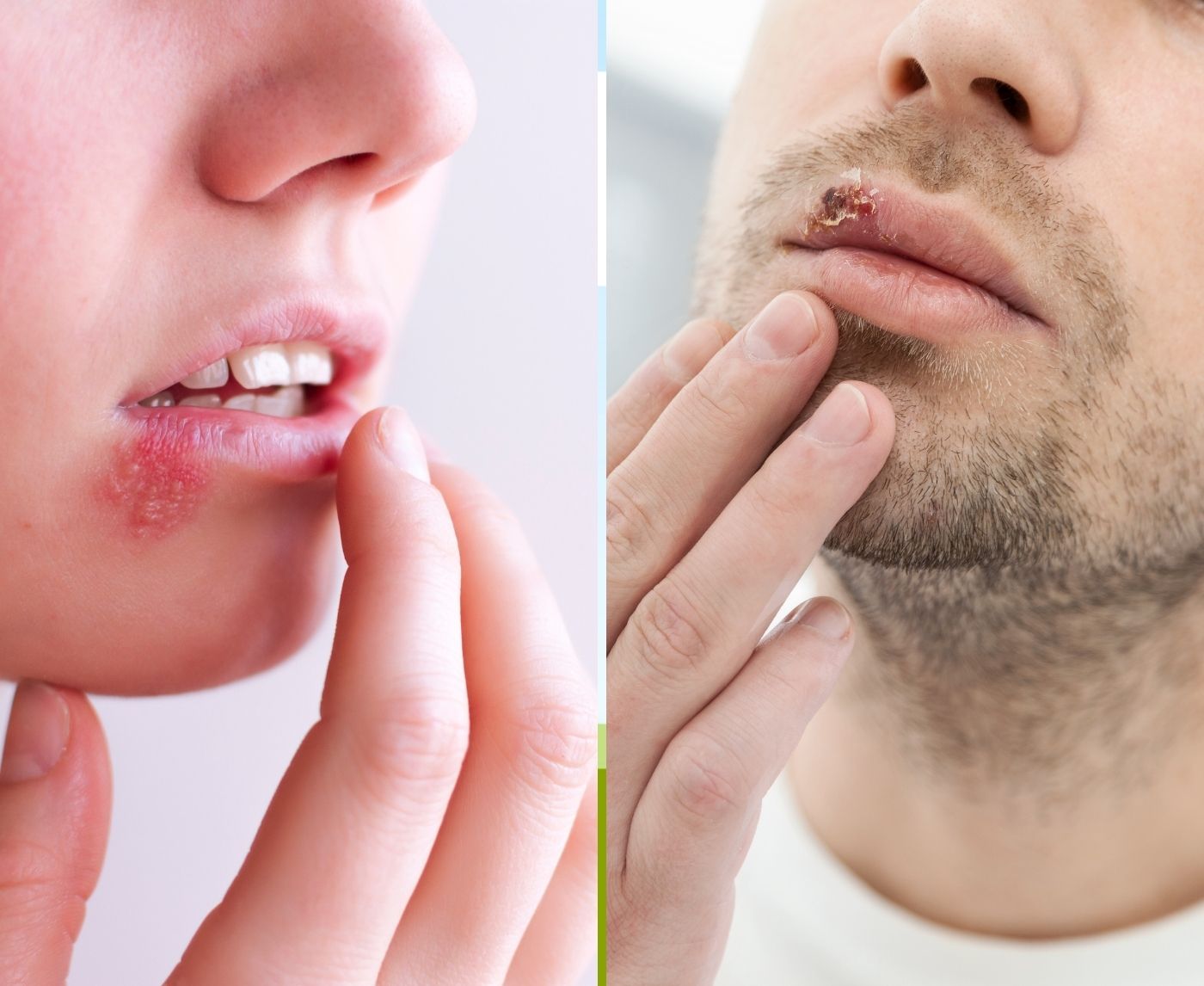

Quick Answer: Herpes (HSV-1), gonorrhea, syphilis, HPV, and sometimes chlamydia are some STDs that can be passed from the mouth to the genitals during oral sex. Transmission occurs when infected saliva, lesions, or pharyngeal infections come into contact with genital tissue.
The Biology Most People Never Hear About
One of the biggest myths when it comes to sexual health is that oral sex is risk-free. This is not entirely true, but it is also not entirely false. The reason for this is that the mucous membranes of your mouth, tongue, and throat are very delicate, just like your genitals. When an infection enters your system, it is very easy for it to jump between these two very delicate areas of your body.
This is why you may go into a doctor's office not even realizing that you have an infection of gonorrhea living in your throat. This is not something that you can control or prevent by not taking proper precautions. This is simply something that happens when you are infected.
The reason that this is possible is that your mouth is just another type of sexual organ when it comes to microbiology. This means that if you have an infection living in your throat, it is possible that you could give this infection to your partner through oral sex. This is why you are now seeing throat tests recommended by organizations such as the CDC.

People are also reading: Tested Positive for Trichomoniasis: What to Do Next
The STDs Most Commonly Passed From Mouth to Genitals
Not all sexually transmitted infections are easily spread through oral sex. Some infections don't do well in the mouth, but others do. Most of the time, mouth-to-genital transmission happens because of a few STDs.
Sexual health experts see these infections the most when oral sex is part of the person's history of exposure. They all act a little differently, which is why the symptoms and testing suggestions are different.
The infection that most people do not expect is herpes. In fact, oral herpes, also known as cold sores, is now one of the primary causes of genital herpes infections worldwide. This is due to the increase of oral sex among the younger generations.
A person may have a cold sore and assume that it is not a big deal since it is just oral herpes. However, if oral contact is engaged in during this period of time, it is possible that the herpes could be transferred to the genitals, resulting in a brand new infection. People are generally amazed when they are told that this is how they got their genital herpes infection.
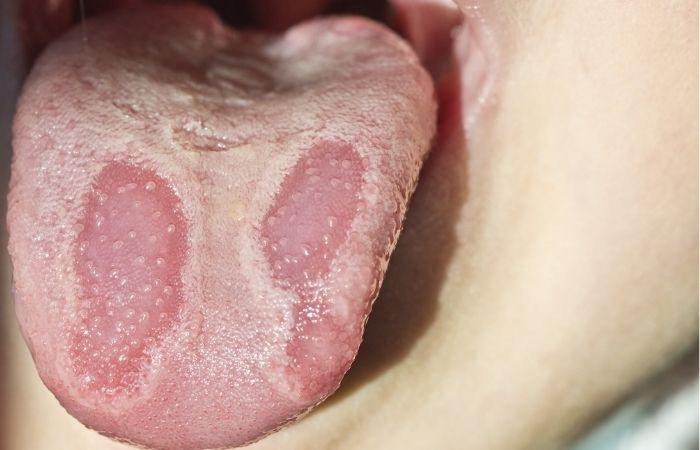
The other infection that people are generally surprised by is throat infections. In fact, it is common for physicians to diagnose people with gonorrhea in their throats when they are not even showing any signs of infection. This means that a person could be engaging in oral sex without even realizing that they are infected.
Why Oral STDs Often Go Completely Unnoticed
You probably thought that your sore throat was caused by not drinking enough water, yelling over loud music, or a mild cold. A lot of people don't realize that some STDs can get into the throat without showing any clear signs.
In fact, oral infections with gonorrhea and chlamydia often don't show any symptoms. People may feel fine even though the bacteria are quietly sitting in their throats. From a public health point of view, that makes oral transmission especially hard because people don't know they need to get tested.
Even when symptoms do show up, they often look like those of other common illnesses. Someone might feel:
- A sore throat that isn't too bad.
- A little redness in the back of the throat.
- Lymph nodes that are swollen and feel like a regular infection.
Because those symptoms are similar to those of common viruses, the infection often goes unnoticed until a partner shows signs of genital infection or a routine STD test shows it.
This is one reason why sexual health experts are more and more telling people to get their throats tested if they have had oral sex with a new partner. It's not about thinking something is wrong; it's about getting rid of the guesswork.
STD Test Kits offer discreet options for getting answers quickly without having to wait weeks for a clinic appointment. At-home testing can help you stop the cycle of "what if."

Real-World Situations Where Mouth-to-Genital Transmission Happens
For the majority of people, the image of STD transmission involves penetrative sex. This is a reasonable belief, as the education that is generally provided on the topic follows this model. However, as a doctor can attest, many STDs are caused by oral sex alone.
A common situation that can lead to the transmission of STDs can be imagined as follows: a person engages in oral sex, possibly with a mild sore throat or a cold sore that is nearly healed. From the point of view of the person with the STD, everything looks normal. There is no illness, fever, or any other cause for concern that anything is wrong.
However, if bacteria are present, as with the case of a person with a STD caused by the bacteria that cause gonorrhea, or a virus, as with the case of a person with a STD caused by the herpes virus, the bacteria or the virus can still be transmitted. After a week or two, the person who received the STD may notice that they have a genital irritation or discharge, possibly wondering how they came to acquire the STD.
Another common situation that can lead to the transmission of STDs can be imagined as follows: a person with cold sores since childhood decides to engage in oral sex. Because the prevalence of the herpes virus, which causes cold sores, is so high, many people do not take the disease too seriously, believing that the cold sores are a cosmetic annoyance rather than a serious disease that can cause the transmission of STDs.
However, as a result of the prevalence of the disease, the herpes virus can still cause the transmission of STDs, as the disease can establish itself in the genital tissues as a result of the oral sex.
Why the Throat Is a Hidden Reservoir for STDs
One of the most surprising facts that people learn about in the realm of sexual health is that these kinds of infections can reside quietly in the back of the throat without any kind of symptoms. A person may be harboring a case of gonorrhea in the back of their throat and be completely unaware.
There is no fever. There are no swollen tonsils. There is no indication that anything is amiss. This means that the individual in question may be able to engage in normal levels of sexual activity without realizing that something is present.
When they engage in oral sex, they may be passing this infection on to a partner via the saliva or tissue in the back of their throat. This is part of the reason why public health programs are increasingly recommending that individuals undergo a throat swab in addition to a urine test. It is also part of the reason why individuals may be surprised by the onset of a new infection. They may be unaware that the infection was present in the back of their throat all along.
For those individuals who wish to avoid the uncertainty that this kind of infection can bring, options like those provided by STD Rapid Test Kits are available.
Which Oral-to-Genital Infections Doctors See Most Often
Even though oral sex can spread a number of infections, doctors usually only see the same few pathogens over and over. These infections are especially good at living in the mouth or throat and spreading through oral contact.
People can figure out when they might need to get tested after being exposed to someone with an infection by knowing which infections act this way.
Of these, HSV-1 has been attracting most attention in recent times. In fact, researchers have recorded a rise in genital infections caused by this oral form of herpes. In many younger age groups, it is now a major cause of genital herpes infections.
It is more a matter of change in sexual behavior than anything else. When oral sex became more widespread in recent decades, naturally, a virus that had previously been more active in oral regions began to turn up more frequently in genital infections.
It is not that oral sex is suddenly a bad thing; it is simply a matter of microbes following where the opportunities are.
How Oral Herpes Turns Into Genital Herpes
If you are wondering if there is a single infection that perfectly embodies the concept of oral-genital transmission, then herpes is that infection. While growing up, you have likely been told that cold sores are “just a mouth thing,” but this is not true in a biological sense. The virus simply does not care where it is living.
This means that if a person has a cold sore on their lip, they can pass herpes on to their partner through oral sex. The virus will then establish itself in this new area of the body and begin acting like genital herpes.
This is something that has been happening more and more over the last two decades, and studies have even proven that a larger and larger percentage of genital herpes infections are coming from HSV-1, also known as oral herpes. This means that oral herpes is quickly becoming one of the biggest causes of genital herpes infections.
The risk of transmission is highest when a cold sore is visible, but it is also important that you understand that transmission is possible even when no cold sore is present, a process that is referred to as “asymptomatic shedding.”
A common scenario that plays out is that one partner had cold sores when they were a kid, but they have not had one in a very long time, meaning that they assume that they no longer have herpes. They then engage in oral sex with their partner, and a week later, blisters appear on their partner's genitals, prompting them to panic.
The reality is that no one did anything wrong, but instead, herpes simply moved from one area of the body where it was living to a brand-new area of the body where it had never been before.
People are also reading: Do I Have Gonorrhea? Symptoms Men Often Notice First
Giving vs Receiving Oral Sex: Does the Risk Change?
Another query that many individuals pose as they Google the symptoms late at night is whether the risk depends on the person giving or the person receiving oral sex.
The answer to that question is yes, although not necessarily the way many people expect. When a person performs oral sex on a partner, any disease that the person performing the act may have in the mouth or throat can potentially infect the person's genitals.
This is the reason behind oral gonorrhea or herpes causing genital infections. However, the opposite can also be true. When a person has a genital disease, such as herpes, syphilis, or HPV, performing oral sex on the person can potentially infect the mouth and throat with the disease.
This is how people get oral diseases, as explained before. The risk, as can be seen, is a two-way street. When a person performs oral sex, they are essentially connecting two mucous membranes, which is the easiest way for a disease-causing agent to travel from one body part to the other.
This is the main reason why throat tests are increasingly being recommended for sexually active adults with new partners. This is the main reason why a person can have a disease in one body part, although the results for the other body part were negative.
The most important thing to remember is that oral sex is not "safe" or "unsafe" in any way. It just has a different set of risks than other sexual activities. Most infections don't happen very often in this pathway, but they can happen.
If you're ever unsure about whether something could have been passed on during oral sex, testing is usually the quickest way to get rid of that doubt. The STD Test Kits homepage is a popular choice for many people because it lets them test privately without having to wait in line at a clinic.
When Symptoms Appear After Oral Transmission
Of course, one of the first questions that comes into people's minds when they learn that STDs can be transferred through oral sex is when you should get tested. The frustrating reality is that you cannot simply get tested right away after having sex, since this is not effective, given that you need a brief period of time before you can be tested.
To illustrate this, when you are infected by bacteria or viruses, you need a brief period of time before you can be tested, since if you get tested right away, you will be given a false sense of security even if you are infected. The best thing that you can do if you had oral sex with a new partner is to get tested during the right window period, or when you are already showing signs of infection.
This is the only way that you can be sure that you are not infected, or if you are already infected, that you are aware of it.
Testing After Oral Sex Exposure: What Actually Works
The most asked question by people who have heard that STDs can be transmitted through oral sex is: when should I get tested for an STD? The only frustrating part is that getting tested right away is not always effective since the body needs a short period before an STD can be detected.
The analogy that can be given here is that when an STD enters the body, a period of time is required before the body can start producing enough of that virus for a test to show that an STD is present.
Getting tested before that period can give a false sense of security. Doctors recommend that a specific period of days should pass before getting tested. The only way to get a clear understanding of whether an STD is present in the body is to get tested at the right time and get tested when symptoms appear.
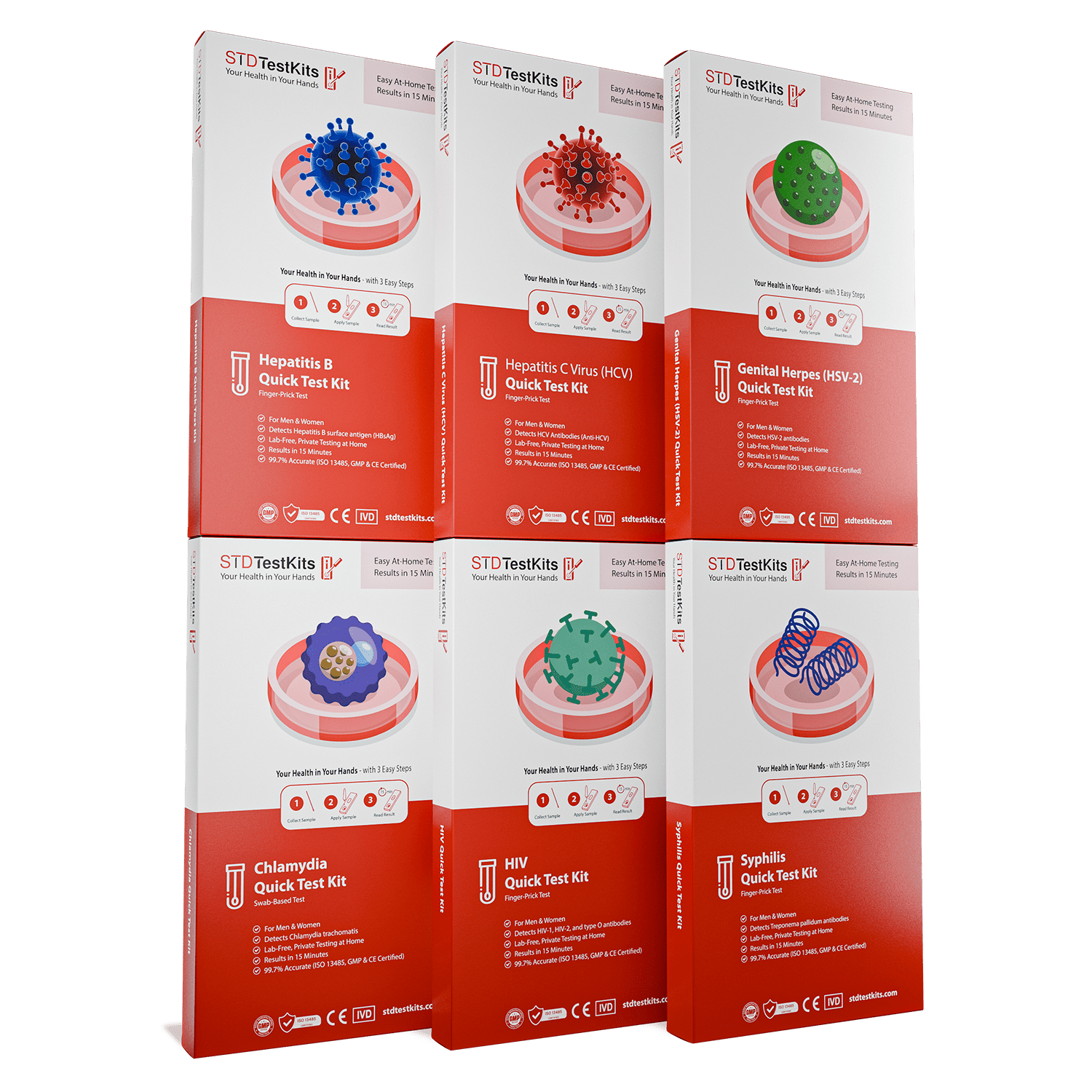
Many people prefer testing privately instead of waiting for a clinic appointment. Options like the STD Rapid Test Kits homepage allow people to order discreet kits and test from home, which can be helpful when the anxiety spiral starts and you just want a clear answer.
Whether testing happens at home or in a clinic, the goal is the same: remove uncertainty and protect both your health and your partner’s.
Reducing Risk Without Killing the Mood
The discovery that STDs can be passed through oral sex makes some people feel that every single sexual encounter is now a risk for infection. This is not true, however. The reality is that oral sex is still not as likely to pass on infection for some of these STDs as vaginal or anal sex, but it is not zero risk.
The thing that reduces risk of STDs is education. Not engaging in oral sex when your partner has visible cold sores, unexplained genital sores, or other obvious signs of infection reduces your risk of infection significantly. This one step alone reduces herpes and syphilis infections.
Using barrier protection also reduces risk of infection. This is because condoms and dental dams create a barrier that keeps bacteria and viruses from passing between two people. While not everyone uses this during oral sex, it is one of the easiest methods of reducing risk of infection.
Finally, regular testing is also an effective means of reducing risk of infection. Many STDs are passed around simply because one of the parties did not know they were infected yet. By regularly testing when you are in a new relationship, infections are caught early on.
This is not something that is done in a spirit of suspicion or blame. It is simply a means of keeping everyone informed and safe.
FAQs
1. Can a person give you an STD through oral sex even if he or she does not have symptoms?
Yes. Many STDs, including gonorrhea and herpes, can be given to you even when the person carrying the disease does not have symptoms. This is why it is a good idea to get tested when you change partners.
2. Is oral sex safer than vaginal sex when it comes to STDs?
While the risk of getting some STDs, including HIV, is lower through oral sex than through vaginal sex, there are a number of STDs, including herpes, gonorrhea, and syphilis, which can be easily passed on through oral sex.
3. What is the most common STD to be passed on through oral sex to the genitals?
The most common STD to be passed on through oral sex to the genitals is oral herpes, or HSV-1. This happens most commonly when a person with a cold sore gives oral sex to a partner.
4. Can you get the clap through receiving oral sex?
Yes. If the person performing the oral sex on you has the clap, the clap can be transferred to your genital areas.
5. Does chlamydia get passed on through oral sex?
While chlamydia can be passed on through oral sex, it is not as common as the clap or herpes. This usually happens when the person performing the oral sex on you has a throat infection.
6. Can you get HPV by going from mouth to genitals?
Yes. HPV is transmitted by skin-to-skin contact and can be transmitted between the mouth and genitals during sexual activity.
7. Should you test your throat for STDs?
You may want to test your throat for STDs if you have had oral sex with new partners. Throat testing is particularly common for gonorrhea or chlamydia.
8. How quickly after oral sex should you test for STDs?
You can test for many bacterial infections 7-14 days after oral sex. Viral infections like herpes can take weeks before blood tests can detect the presence of the STD.
9. Can you get the same STDs from kissing as you can from oral sex?
Most STDs are not transmitted by kissing alone. The only STD you can get by kissing is herpes, but only if you have cold sores.
10. What is the first step I should take if I'm concerned about getting an STD after oral sex?
The first step you can take is to be aware of any symptoms you are experiencing and to test for STDs within the appropriate time period.
The Takeaway Most People Wish They’d Learned Earlier
The reality is that the vast majority of people will experience oral sex as a part of a normal sexual relationship. Like all sexual activity, it has a number of biological risks. Infections like herpes, gonorrhea, syphilis, HPV, and chlamydia can all be transferred from the mouth to the genitals even when no obvious signs or symptoms are present.
The good news is that the majority of these infections are either easy to treat or manageable as soon as they are recognized. The bad news is that the cause of the stress is the lack of knowledge about what is happening. This is the cause of the middle-of-the-night research and the rehashing of past experiences.
If you ever find yourself in a position like that, remember that the purpose of all the testing is to help answer these questions. A quick and discreet test like the ones available on the at home STD test kits page can help clarify the situation in a matter of days.
The truth is that knowledge is the best way to conquer fear. And when it comes to sexual health, it is always better to be safe than to simply make an educated guess.
How We Sourced This: We wrote our article using the most up-to-date advice from the best public health and medical groups. Then, we changed it into simple language based on real-life situations, like treatment, getting reinfected by a partner, being exposed to someone with no symptoms, and the awkward question of whether it "came back." We had a lot of different public health advice, clinical advice, and medical references in the background of our research, but the following are the most relevant and helpful for readers who want to check our claims for themselves.
Sources
1. World Health Organization – Sexually Transmitted Infections Fact Sheet
2. CDC: About STI Risk and Oral Sex
5. CDC: About Genital HPV Infection
About the Author
Dr. F. David, MD is a board-certified infectious disease specialist focused on STI prevention, diagnosis, and treatment. He writes with a direct, sex-positive, stigma-free approach designed to help readers get clear answers without the panic spiral.
Reviewed by: Rapid STD Test Kits Medical Review Team | Last medically reviewed: March 2026
This article is for informational purposes and does not replace medical advice.