Which STDs Are Actually Dangerous Ranking Them by Global Death Rates
Quick Answer: Hepatitis B is one of the deadliest diseases in the world, along with HIV and HPV, which also causes a lot of deaths through cervical cancer. The most important thing is not to panic.
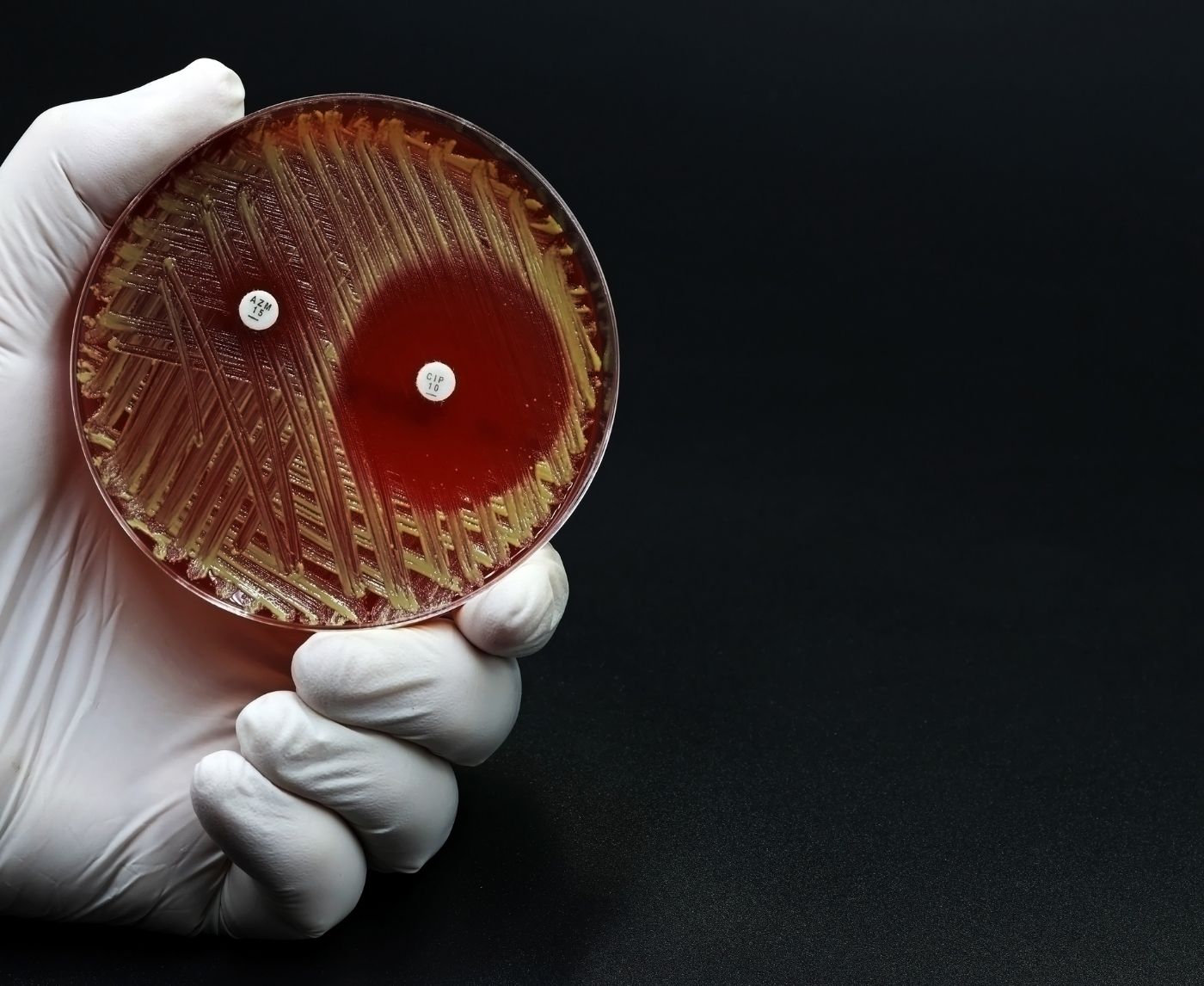
Quick Answer: Hepatitis B is one of the deadliest diseases in the world, along with HIV and HPV, which also causes a lot of deaths through cervical cancer. The most important thing is not to panic. The infections that kill the most people are usually the ones that do the most damage when people don't get vaccinated, screened, tested, or treated in time.
When People Say “Deadly STD,” They Usually Mean the Wrong Thing
Many readers will be expecting this article to point to one villain and be done with it. But the real world is not like that. Some sexually transmitted infections will kill you directly, some will kill you years later with cirrhosis or cancer, and some are more lethal during pregnancy than they are in the non-pregnant individual. This is why lists can look different depending on whether you are tallying up direct infectious deaths, cancer deaths caused by a sexually transmitted virus, or preventable infant deaths due to untreated infection during pregnancy.
There is another significant twist to all of this. Some of the infections mentioned in this article are sexually transmissible, but they are not the only way those infections are spread. Hepatitis B and C can also be spread through exposure to blood, and their worldwide death tolls include all methods of transmission, not just sexual ones. I am going to include them anyway because people searching for “dangerous STDs” deserve the truth, not the sugarcoated version that omits infections that are absolutely relevant to sexual health discussions.
So, here is the straight-shooting version: if we are looking at sexually transmissible infections based on the size of the worldwide death toll associated with them, hepatitis B, HIV, and HPV-related cancers are at the top of the list. The World Health Organization estimates that hepatitis B resulted in 1.1 million deaths in 2022 alone, primarily due to cirrhosis and liver cancer. UNAIDS estimates that 630,000 people died from AIDS-related illnesses in 2024. And the World Health Organization estimates that cervical cancer resulted in 350,000 deaths in 2022, with HPV being responsible for the vast majority of cervical cancer cases.
| Infection | Why it is dangerous | Recent global death figure | Important nuance |
|---|---|---|---|
| Hepatitis B | Chronic liver disease, cirrhosis, liver cancer | About 1.1 million deaths in 2022 | Spread through sex, blood, and from mother to child |
| HIV | Untreated immune damage leading to AIDS-related illness | About 630,000 deaths in 2024 | Treatment dramatically lowers the risk of death |
| HPV | Cancer risk, especially cervical cancer | About 350,000 cervical cancer deaths in 2022 | Not all HPV types are high risk, and vaccination changes the picture |
| Hepatitis C | Chronic liver disease, cirrhosis, liver cancer | About 242,000 deaths in 2022 | Often discussed less in STD articles because sex is not the main route in many settings |
| Syphilis | Severe complications when untreated, especially in pregnancy | No single simple global adult death figure used in everyday public guidance | Can lead to stillbirth, neonatal death, and major long-term harm |
That table isn't here to make you afraid. It is here to clear up the mess. People who worry after sex usually think about the infections that are most obvious right away, like burning, sores, or discharge. But the infections that kill the most people are usually the ones that work slowly in the background. That's why testing and follow-up are so important. If you're stuck in the "what if" loop in your head, starting with a discreet option from STD Test Kits can help you turn your vague fear into a real plan.
The Quiet Number One: Why Hepatitis B Belongs at the Top of This List
Hepatitis B is not always the first one to be mentioned in popular STD articles, but in terms of death toll, it is definitely one that should be taken seriously. According to the WHO, there are 1.1 million deaths from hepatitis B in 2022 alone, primarily because the chronic nature of the disease can cause the liver to be scarred for years before the person even realizes what is going on. This is one of those diseases that can quietly sit in a life, especially when people feel fine, until the long-term effects of the disease are much more difficult to reverse.
This is where the emotional side of sexual health and science meet. A person can live a normal life, feel perfectly fine, and still be carrying a virus that quietly raises the risk of cirrhosis or liver cancer down the line. That is what makes hepatitis B so deadly. It is not usually a dramatic disease in the way that people think of a “deadly STD” as looking. It is deadly because it can be quiet, because many adults do not know their vaccination status, and because the availability of screening and treatment around the world is still not equal.
It is also important to note that hepatitis B is a disease that is preventable in a way that should make all of us a little bit angrier about how often prevention disparities are simply ignored. There is a safe and effective vaccine, and the WHO specifically says that hepatitis B can be prevented through vaccination. Therefore, when hepatitis B is sitting this high on a list of mortality, it is not simply a science story. It is also an access story, a screening story, and a follow-through story.
| Stage | What may be happening | Why people miss it | Why it matters |
|---|---|---|---|
| Early infection | Some people have symptoms, many do not | No obvious sign after exposure | People may never get tested |
| Chronic infection | The virus stays in the body long term | A person may feel fine for years | Ongoing liver inflammation can continue silently |
| Liver damage | Scarring and worsening liver function | Complications often appear late | Cirrhosis raises the risk of severe illness and death |
| Cancer risk | Higher risk of liver cancer | The connection is not always obvious to patients | This is a major reason hepatitis B contributes to global deaths |
This part isn't saying that every sexual encounter puts you on the path to liver disease for people who are worried about recent exposure. It says that the most dangerous infections are often the ones that reward quick action and punish staying quiet. If you're not sure where you stand, especially if your vaccination history is unclear or you've had sex without protection, getting real answers is always better than scrolling through doom. A good next step is to look into private home tests like the6‑in‑1 At‑Home STD Test Kit and then get clinical care when a result or exposure history calls for it.
HIV: The Infection Most People Think Of When They Hear “Deadly STD”
Ask someone on the street which STD is the most dangerous, and the answer you will hear almost every time is HIV. That instinct makes sense historically. During the early decades of the AIDS epidemic, HIV was widely fatal because effective treatment simply did not exist. Entire communities watched friends disappear within a few years of diagnosis. That memory still shapes how people think about sexual health today.
The modern reality is more hopeful, but the numbers remain serious. According to UNAIDS global statistics, about 630,000 people died from AIDS-related illnesses in 2024. Those deaths occur overwhelmingly in places where access to treatment is inconsistent or where diagnosis happens very late. When people receive antiretroviral therapy early and take it consistently, life expectancy can approach that of people without HIV.
This is one of those moments where the science is actually reassuring if you know how it works. HIV becomes deadly primarily when it goes untreated. The virus weakens the immune system slowly, sometimes over years, until the body struggles to fight infections that healthy immune systems normally control. That stage is known as AIDS, and it is the point where life-threatening complications become much more likely.
But the part the internet often skips is the transformation that modern treatment created. Today, someone diagnosed early and treated properly can live a long life, maintain relationships, and have sex without transmitting the virus when their viral load is suppressed. That reality does not erase HIV’s global death burden, but it shows how dramatically testing and treatment can change the trajectory.

HPV: The STD That Becomes Deadly Through Cancer
Human papillomavirus, or HPV for short, is the most prevalent sexually transmitted infection in the world. Most sexually active people will come into contact with it at some point in their lives. Often, the immune system will simply eliminate it on its own, which is why HPV tends to be a silent player in discussions of “dangerous” STDs.
The problem is that certain high-risk types of HPV can cause cancer down the line. Cervical cancer is the most well-known example, but HPV is also known to cause cancers of the throat, anus, penis, and other areas. In fact, according to the World Health Organization, cervical cancer alone killed 350,000 women in 2022, and HPV is responsible for nearly all of these deaths.
The problem with HPV is that the timeline tends to be so quiet. A person may contract the virus in their twenties, and their immune system may eliminate it without them ever realizing it, or they may have a high-risk type that alters cells over the course of many years. By the time cancer develops, the initial sexual contact may seem like a distant memory. This is why screening programs like Pap smears and HPV tests are so effective, they identify the “dangerous” cell changes long before they become deadly.
The arrival of the HPV vaccine has turned the tide. The vaccine is designed to protect against the strains of HPV that cause most HPV-related cancers. In areas where the vaccine is widely available, the incidence of cervical cancer is already in decline. So when HPV appears in a “dangerous STD” list, it is less a story of inevitability and more a reminder that there are tools available that are incredibly effective.
Syphilis: The Infection That Becomes Dangerous When It’s Ignored
The reputation of syphilis has been around for centuries, in part because of the devastating effects of untreated infections on the nervous system and cardiovascular system. However, with modern antibiotics, syphilis is a very treatable disease, but it still shows up in conversations about dangerous STDs because, if left untreated, it can cause serious complications years later.
The catch about syphilis is that it progresses in stages. Early symptoms might be hard to notice or painless, such as a single lesion that heals by itself. But once the symptoms go away, people often think the problem solved itself on its own. However, the bacteria could still be lurking in the body, progressing from one stage to another, which could end up in the brain, nerves, or heart if treatment never occurs.
Perhaps the most tragic part of syphilis today has to do with pregnancy. If left untreated, the infection can be passed on from parent to child, resulting in stillbirths, premature births, or seriously ill newborns. Public health professionals tend to concentrate on congenital syphilis because it is a tragedy that is almost completely preventable with prenatal screening and treatment.
The important thing for adults to remember is this: syphilis becomes a serious problem only if people never seek treatment. A simple test and a round of antibiotics can completely eradicate the problem. That is a very different story from the images that many people have of syphilis in their minds.
The STDs That Sound Scary But Rarely Cause Death
Many of the infections that people worry about after a sexual encounter are actually much lower on the list of global risk. Chlamydia, gonorrhea, and herpes are the big STDs because they are so prevalent and have such obvious symptoms. But in terms of global death tolls, they rarely show up as a direct cause of death.
This is not to say that they are not dangerous at all. Chlamydia and gonorrhea, left untreated, can cause pelvic inflammatory disease and infertility, while herpes can be deadly in newborns. But in terms of global death tolls, these are not the same kind of dangers as those posed by hepatitis B or HIV. The difference is important, as fear can lead people to draw the wrong conclusions about danger.
This is where real sexual health education comes in, trying to calm the fears while still encouraging action. A rash, a sore, or an unusual discharge after sex is definitely a reason to go get checked out. But it is not a reason to believe that one is facing a potentially deadly disease. In most cases, the truth is that the end result is a treatable disease that will become a small blip on someone’s medical history rather than a defining feature.
And if you are reading this while waiting for the results of a potentially dangerous encounter, the best thing to do is to simply get tested. Rather than trying to guess what the disease might be, using a discreet service such as an STD Test Kit.
Why Some STDs Cause Massive Death Numbers While Others Don’t
If you look back at the infections listed earlier, a trend will begin to develop. The STDs that cause the most deaths around the world are not always the ones that people are most aware of. In fact, many of the most deadly infections are the ones that progress slowly, quietly damaging organs or cells for years before the effects become apparent.
Consider hepatitis B and hepatitis C, for instance. These are both viruses that affect the liver. They can cause it to become damaged, and this damage can occur over a period of years. A person can live for decades without realizing anything is wrong while a buildup of scar tissue occurs in the liver, eventually leading to cirrhosis or liver cancer. By the time anything goes wrong, the infection could have been building for years without being noticed.
The same is true of HPV. Most cases of this infection never lead to cancer, but the few that are high-risk and do lead to cancer can take a long time to develop. This is because they can take a normal cell and turn it into a cancer cell. This process takes ten years or more. This is exactly why screening programs and vaccines are so important in reducing the number of deaths that occur.
Infections such as chlamydia or gonorrhea, on the other hand, will often develop symptoms sooner and can be treated quickly. They can certainly cause serious problems if left untreated, but they will not often be among the STDs that cause the most deaths around the world because they can be treated when people seek medical attention.
The Real Risk Factor: Untreated Infection
One of the most crucial misconceptions that people have about sexually transmitted infections is that the level of danger can vary wildly depending on whether or not the infected person has access to treatment. In other words, the infection itself is only half the battle. The other half is the availability of testing, treatment, vaccines, and follow-up care.
Consider two different examples. In the first, a person recognizes symptoms after having sex and gets tested right away, possibly needing treatment. In the second, a person blows off symptoms or never gets tested, allowing an infection to quietly simmer in the background for years. The actual infection itself could be the same in both instances, but the long-term prognosis could be vastly different.
This is why public health professionals are so adamant about the importance of testing. Early diagnosis can turn many infections from long-term killers into something that can be easily managed. HIV, for instance, was once a death sentence because treatment was unavailable. Today, antiretroviral therapy is so effective at suppressing the virus that people can live long, healthy lives and not infect their partners if their viral counts are kept undetectable.
The same is true for other infections that make the “dangerous STD” list. Early diagnosis of hepatitis B allows for monitoring and treatment that protects the liver. Early diagnosis of high-risk HPV allows doctors to remove precancerous cells before they become cancerous. In other words, the difference between a scary statistic and a manageable health condition can often depend on whether or not a person knows they have the infection.
How Testing Changes the Entire Risk Equation
Imagine yourself in the following scenario: it is late at night, perhaps a few days after a new sexual experience, and curiosity gets the better of you in a downward spiral of worst-case scenarios. You begin searching symptoms, and suddenly every article you read is ominous. This emotional experience is exactly where testing becomes so valuable, as it allows you to turn speculation into fact.
Testing offers a surprisingly simple yet psychologically significant service. It offers a transition from uncertainty to information. Rather than speculating about every possible infection, you can discover exactly what is occurring in your own body. This allows you to take necessary steps if necessary or simply continue with your life if the test is negative.
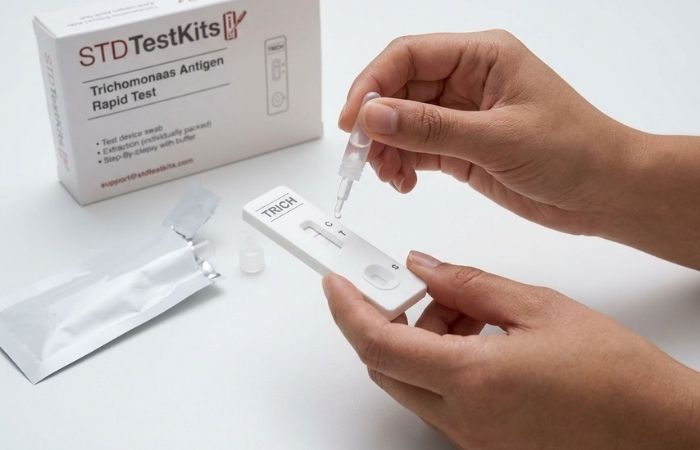
The current state of testing also makes the process simpler than many people might have anticipated. In addition to clinics and labs, many readers today have access to discreet at-home testing solutions. For instance, theEssential 6-in-1 At-Home STD Test Kit is designed to test for multiple infections simultaneously, allowing you to test for several possibilities without having to make an in-person visit.
The reason sexual health professionals are so adamant about the importance of testing is quite simple: it interrupts the timeline that makes infections so dangerous. Rather than allowing infections to quietly damage your body for years, testing brings infections out into the open when treatment is most effective and complications can be most easily prevented.
The Global Inequality Behind STD Death Statistics
Another key part of the story is that the death tolls worldwide do not represent the same experience for everyone. The infections mentioned above, HIV, hepatitis B, and HPV, result in many more deaths in areas of the world where access to healthcare is poor, screening programs are sporadic, or vaccines are not widely available.
For instance, the number of deaths from cervical cancer due to HPV is exponentially higher in areas of the world where screening programs are not widespread. In areas where regular Pap smears and HPV tests are a regular occurrence, doctors are able to spot irregular cells before cancer forms. In areas where screening is not common, the same infection can go undetected until the disease is far advanced.
The number of deaths from HIV infection also follows the same pattern. Antiretroviral drugs can keep the virus under control very effectively, but the drugs must be available, affordable, and consistent. In areas where the drug distribution chain is spotty or where testing is low, people are often diagnosed much later in life, when their immune systems are already badly compromised.
This is why the death toll from STDs seems so high. It is not just the infections that are the problem. It is the access to vaccination, testing, treatment, and education that makes all the difference. In areas where these things are available, the same infections are much less deadly.
So… Can an STD Actually Kill You?
This is the question that lurks behind most late-night searches. A symptom is noticed, or a memory of a sexual encounter is recalled, and suddenly it feels like a risk. The mind leaps straight to the worst-case scenario. The truth is that most STDs do not directly cause death, especially when they are caught and treated early.
The STDs that cause the most deaths worldwide tend to follow a very particular pattern. They either damage organs over a long period of time, such as hepatitis B, weaken the immune system when left untreated, such as HIV, or raise the risk of cancer many years later, such as HPV. In other words, the risk is usually a long-term outcome and not an immediate one.
For the STDs that most people are usually terrified of after a sexual encounter, such as chlamydia, gonorrhea, or herpes, death is highly unlikely. These STDs can definitely cause problems if left untreated, but they can usually be managed with testing, treatment, and follow-up care. The biggest risk factor is not the STD itself. It is the STD going undiagnosed for a long period of time.
This is exactly why sexual health professionals bring up testing so often. Testing can turn a vague worry into a clear-cut answer, and clear-cut answers can help people take action early. This one step can completely alter the course of an STD.
The Moment Most People Decide to Get Tested
In my experience working in sexual health, there is a very specific moment when people finally decide to test. It is usually not the first symptom. It is the moment when uncertainty becomes more stressful than the test itself.
Someone might spend a few nights scrolling through symptom lists, comparing photos online, and wondering whether a new sensation means something serious. Eventually they realize something important: guessing will not actually provide an answer. The only way to move forward is to check.
That shift, from speculation to clarity, is powerful. Instead of imagining the worst-case scenario, testing provides real information about what is actually happening in the body. For many people, the result is relief. For others, it is simply the first step toward treatment and resolution.
If you find yourself in that uncertain space, the fastest way out of it is testing. Many readers begin by exploring discreet options such as the STD Test Kits homepage, where at-home tests enable individuals to screen for common infections quickly and discreetly. Testing is not a confession. It is simply a responsible health choice.
FAQs
- 1. Which STD leads to the most deaths worldwide?
- Hepatitis B is one of the leading causes of death in global health statistics because it can cause liver cirrhosis and liver cancer. But HIV and HPV-related cancers also lead to a huge number of deaths every year. These diseases are most life-threatening when they go undiagnosed and untreated for a long time.
- 2. Can common STDs such as chlamydia or gonorrhea be deadly?
- Chlamydia and gonorrhea are not life-threatening. But if they are left untreated, they can lead to complications such as pelvic inflammatory disease, infertility, or systemic infection. The importance of testing for these diseases is that if they are treated early, the chances of developing complications are almost nil.
- 3. Why is HIV a life-threatening STD even today?
- HIV can be very life-threatening if it is left untreated. If it is not treated, it can develop into AIDS, where the body becomes so weak that it cannot fight off any other diseases. But with the help of antiretroviral therapy, people with HIV can live long and healthy lives.
- 4. Can HPV be deadly?
- Most cases of HPV go away on their own. But high-risk strains of HPV can cause cervical, throat, or anal cancers. These cancers are the reason why HPV is a life-threatening STD. But with the help of vaccinations and screenings, the risk of developing these cancers is almost nil.
- 5. How is hepatitis B transmitted through sex?
- Hepatitis B can be transmitted through bodily fluids. It can also be transmitted through blood exposure or from mother to child during childbirth. But the best way to prevent hepatitis B is through vaccination.
- 6. Are dangerous STDs more likely if left untreated?
- Yes. The greatest risk of serious complications from STDs is when they are left untreated for a long time. Early detection and treatment can prevent serious complications.
- 7. What symptoms would indicate a need for an STD test?
- Discharge, sores, urination pain, pelvic pain, or rash could all be reasons to take a test. But the truth is that many STDs have no symptoms at all, and this is why regular testing is recommended for sexually active individuals.
- 8. How soon after exposure should an individual take an STD test?
- This depends on the infection because each type of STD has a different testing window. Some infections can be tested for in a few days, while others may need a few weeks to test accurately. Most people take a test after exposure and then again later if advised to do so.
- 9. Are at-home STD tests accurate?
- Yes, many of the latest at-home tests are intended to give accurate screening results when done properly. These tests can be a good option for people who want to test in private or get immediate results before consulting a healthcare professional.
- 10. What is the best way to avoid dangerous STDs?
- The best ways to avoid dangerous STDs are through vaccination, regular testing, the use of condoms, and honesty with partners. These methods are the most effective ways to prevent infection and serious complications.
The Bottom Line: Danger Is About Timing, Not Shame
The world ranking of dangerous STDs teaches a very important lesson. The diseases that cause the most deaths in the world are not always what one would expect. Hepatitis B, HIV, and cancers linked to HPV rank high in the list of deaths mostly because they can go unnoticed for years if there is no screening and vaccination available.
However, the same information also shows something very hopeful. If people have access to vaccination, testing, and treatment, those diseases become much less dangerous. Modern medicine has changed the prognosis of many sexually transmitted diseases. Early detection and regular treatment make all the difference in the world.
If there is one thing that one should learn from this article, it is that sexual health is not about fear and shame. It is about information and timing. The earlier one knows what is going on, the better they can protect themselves and their partners.
We wrote our article using the most up-to-date advice from the best public health and medical groups. Then, we changed it into simple language based on real-life situations, like treatment, getting reinfected by a partner, being exposed to someone with no symptoms, and the awkward question of whether it "came back." We had a lot of different public health advice, clinical advice, and medical references in the background of our research, but the following are the most relevant and helpful for readers who want to check our claims for themselves.