Why Razor Burn Can Look Like Herpes
This Is Where the Confusion Starts Let’s be honest, most people don’t examine their skin this closely until something feels off. Maybe it stings a little when water hits it in the shower. I have herpes.’
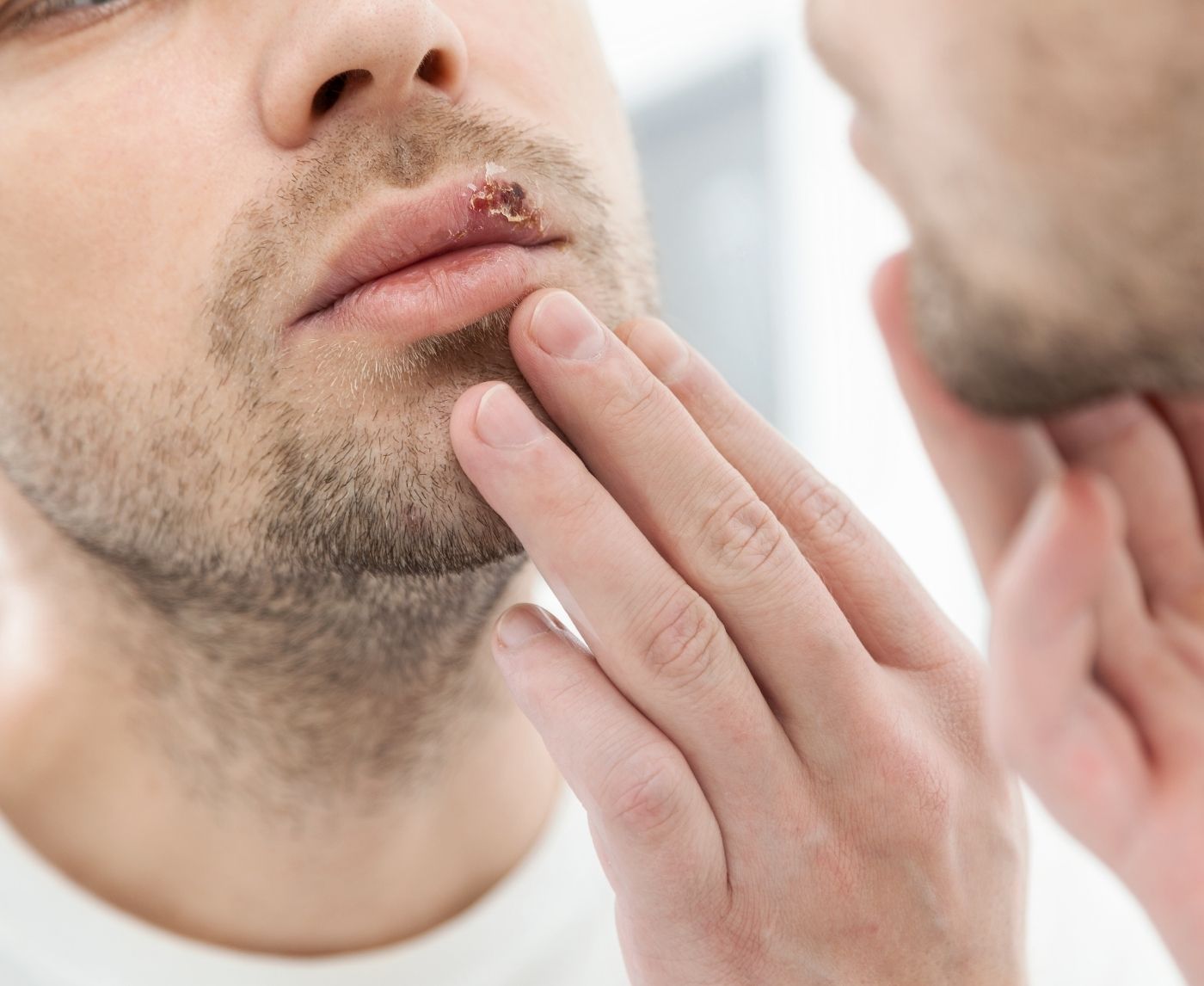
Quick Answer: Razor burn can look like herpes because both cause red, irritated bumps, but razor burn is usually itchy and appears right after shaving, while herpes typically causes painful, clustered blisters that develop over days after exposure.
This Is Where the Confusion Starts
Let’s be honest, most people don’t examine their skin this closely until something feels off. Maybe it stings a little when water hits it in the shower. Maybe you notice bumps that weren’t there yesterday. That moment alone is enough to trigger anxiety.
Jordan, 27, described it perfectly: “I shaved before a date, and the next day I had these red bumps. I immediately thought, ‘That’s it. I have herpes.’ I didn’t even consider razor burn until way later.” That reaction is incredibly common. When symptoms show up in a sexual area, your brain goes straight to STDs.
The truth is, the skin in the genital area is extremely sensitive. Shaving creates tiny micro-cuts, literally small openings in the skin. Combine that with friction from clothing, sweat, or bacteria, and you’ve got the perfect setup for irritation that can look way more dramatic than it actually is.
At the same time, early herpes symptoms can also start subtly. That’s where the overlap happens. Both conditions can begin with redness, tingling, or discomfort before anything more obvious develops.
This overlap is exactly why guessing based on appearance alone is unreliable. But once you understand what your body is actually doing, the differences become much easier to spot.

What Razor Burn Actually Looks and Feels Like
Razor burn isn’t just “a bad shave.” It’s a real skin reaction caused by irritation, friction, and inflammation. And in the genital area, it tends to look more intense than it would on your face or legs.
Imagine this: you shave quickly, maybe with a slightly dull razor, maybe against the direction of hair growth. The next day, the area feels tender. When you look closer, you see scattered red bumps, sometimes with a hair trapped underneath. That’s classic razor burn or ingrown hair territory.
Ana, 24, put it like this: “Mine looked angry. Like little red dots everywhere. It wasn’t just one spot, it was the whole area I shaved.” That’s a key clue. Razor burn usually appears exactly where the razor touched, and it tends to be more spread out rather than clustered in one tight group.
Another defining feature is the sensation. Razor burn is typically itchy, irritated, or mildly painful, but not deeply painful. It feels like surface-level discomfort, especially when clothing rubs against it.
The timing also matters. Razor burn shows up quickly, often within 24 to 48 hours after shaving. It doesn’t wait days or weeks. Your skin reacts almost immediately because the irritation is mechanical, not infectious.
And importantly, razor burn tends to improve on its own. Within a few days, the redness fades, the bumps shrink, and your skin calms down, especially if you stop shaving and let the area recover.
What Herpes Actually Looks Like (And Why It Feels Different)
Now, let’s talk about herpes because this is where the line between reality and the internet gets fuzzy. Herpes is not typically displayed in a random fashion across shaved skin.
When you first get herpes, you may feel something before you see anything. People describe a tingling, burning, or deep sensitivity to one area.
Marcus, 31, said, "It wasn't razor burn. It was deeper. Like a nerve thing. Then bumps showed up in the exact same area." The key difference here is that herpes tends to show up in a group, or a number of fluid-filled blisters.
The blisters may even break and form sores, which is another big difference. Razor burn does not form sores. Herpes blisters and sores, however, may progress to different stages, such as blister, sore, and healing scab.
The level of pain is also different. Herpes is generally more painful than itchy. Herpes may sting or burn and feel raw, especially during the first outbreak. Some may even get flu-like symptoms, fever, body aches, or swollen lymph nodes, which you will not get from razor burn.
And again, timing is everything. Herpes will not show up the following day after shaving. Herpes will show up a number of days following exposure, depending on the incubation period.
Why They Look So Similar at First Glance
This is the part that trips people up, and honestly, it’s not your fault. The skin in the genital area reacts dramatically to even minor irritation. A simple shave can trigger redness, inflammation, and bumps that look way more intense than they actually are.
Now layer that with how herpes is portrayed online. If you’ve ever Googled it, you’ve probably seen extreme, worst-case images. But early herpes doesn’t always look like those textbook photos. It can start small, subtle, and easy to misinterpret, especially in the beginning.
Luis, 29, said it best: “I kept comparing what I saw to Google images, and nothing matched exactly. That made it worse, not better.” That confusion is incredibly common. Real-life symptoms don’t always look like medical diagrams, and shaving irritation can blur the picture even more.
Both conditions can involve redness, sensitivity, and bumps. Both can appear in areas tied to sexual activity. And both can make you hyper-aware of every sensation down there. That overlap is enough to convince a lot of people they’re dealing with something serious when they’re not.
The key difference is not just how it looks, but how it behaves over time. That’s where things start to become clearer.
Razor Burn vs Herpes: Side-by-Side Differences That Matter
Instead of trying to guess from a single glance in the mirror, it helps to compare patterns. Think of this less like diagnosing yourself and more like narrowing down what’s most likely based on how your body is acting.
When you step back and look at timing, sensation, and progression together, the differences become much easier to recognize. This is where most people go from panic to clarity.
| Feature | Razor Burn / Ingrown Hair | Herpes (HSV-1 or HSV-2) |
|---|---|---|
| Appearance | Scattered red bumps, sometimes with visible hair | Clustered blisters or sores in one area |
| Sensation | Itchy, irritated, surface discomfort | Painful, burning, deeper nerve-like feeling |
| Timing | Within 24–48 hours after shaving | Typically 2–12 days after exposure |
| Progression | Improves over a few days | Blisters → sores → healing cycle |
| Location Pattern | Wherever you shaved | Usually localized cluster |
| Other Symptoms | None beyond skin irritation | Possible fever, fatigue, swollen lymph nodes |
The biggest takeaway here is pattern recognition. Razor burn behaves like irritated skin trying to heal. Herpes behaves like an infection moving through stages.
If what you’re seeing is already fading after a couple of days, that leans heavily toward irritation. If it’s evolving, especially into painful sores, that’s when it becomes more important to consider testing.
The Timing Clue Most People Miss
Timing is one of the most reliable clues, but it’s also the one people overlook when they’re anxious. You notice bumps, and your brain wants an answer immediately. But your body follows a timeline, whether you’re ready for it or not.
Razor burn shows up fast because it’s a direct reaction to physical irritation. You shaved, the skin got disrupted, and the inflammation followed almost immediately. That’s why symptoms usually appear within a day or two.
Herpes doesn’t work like that. After exposure, the virus needs time to replicate and travel through nerve pathways before symptoms appear. That’s why outbreaks usually take several days to develop, not overnight.
Elena, 26, shared:
“I panicked because I saw bumps the next morning. Later I learned herpes doesn’t even show up that fast. That alone would’ve saved me so much stress.”
This doesn’t mean timing is the only factor, but it’s a powerful one. If symptoms appear immediately after shaving, irritation is far more likely than infection.
On the flip side, if symptoms appear days later and continue to evolve, that’s when it’s worth paying closer attention and considering a test.
When It’s Not Just Razor Burn (And You Should Take It Seriously)
Here’s the point at which we transition from reassurance to clarity. While the majority of shaving-related bumps are nothing to worry about and will go away on their own, there are some instances in which it is crucial to stop speculating and begin to look at the situation more seriously.
If the bumps become more painful, instead of more comfortable, then that’s a sign. If the bumps begin to form open sores or ulcers, then that’s a sign as well. If all of this is occurring in a small, contained area, as opposed to all over the shaved regions of the body, then that’s a sign too.
Devon, a 34-year-old, explained his situation like this: “I thought it was irritation at first, but then it started getting worse, not better. It was then that I knew something else was going on.” The change from getting better to getting worse is a very obvious indicator that it’s not merely razor burn.
The other indicator of a problem is systemic symptoms. Feeling run down or feverish, or noticing swollen lymph nodes, is not a symptom of shaving irritation. It’s a symptom of a viral infection, and the immune system is fighting it off.
If you’re stuck in a state of limbo, speculating, overthinking, and obsessively checking, then testing is the most useful next step, simply because speculating will not provide you with the peace of mind you seek to obtain.
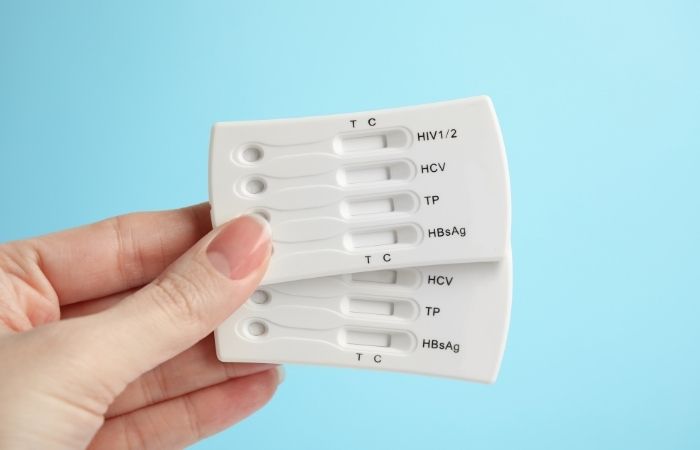
If you’re stuck in a state of overthinking, going over what-ifs in your brain, then getting some real answers can help to stop the cycle of speculating. There are discreet options available at STD Test Kits, which can provide you with the tools you need to test at home.
Ingrown Hairs, Folliculitis, and Other Lookalikes
Part of what makes this whole situation so confusing is that herpes isn’t the only thing razor burn can resemble. There’s actually a whole category of completely harmless skin conditions that can look alarmingly similar, especially in the genital area.
One of the biggest culprits is ingrown hairs. This happens when a hair curls back into the skin instead of growing outward. The result? A red, sometimes painful bump that can even have a small white head. If you’ve ever thought, “That looks like a pimple… but in a very stressful location,” you’re not alone.
Sofia, 22, described it perfectly: “I had one bump that looked worse than the others, and I fixated on it. I was convinced it was something serious. It turned out to just be an ingrown hair.” That hyper-focus on one spot is incredibly common when anxiety kicks in.
Another lookalike is folliculitis, which is basically inflammation or infection of hair follicles. It can cause clusters of red or white bumps, especially after shaving. The difference is that folliculitis usually stays superficial and doesn’t follow the blister-to-sore pattern seen in herpes.
Even simple friction, tight clothing, sweating, or sex shortly after shaving, can irritate the skin enough to create bumps that feel suspicious. But again, these tend to stay surface-level and improve with time.
Understanding that there are multiple harmless explanations is important. It doesn’t mean you should ignore symptoms, but it does mean herpes is far from the only possibility.
What to Do Right Now If You’re Not Sure
This is the moment where most people feel stuck. You’ve looked, compared, maybe even taken photos, and you’re still unsure. Do you wait? Do you panic? Do you assume the worst?
Here’s the grounded answer: you don’t need to jump to conclusions, but you also don’t need to stay in uncertainty. There’s a middle path that gives you clarity without unnecessary stress.
First, give your skin a little time. If this is razor burn or irritation, you’ll usually see improvement within a few days. The redness fades, the bumps shrink, and things start to feel normal again. That alone can be incredibly reassuring.
At the same time, pay attention to changes. If things are getting worse instead of better, if pain increases, or if you notice blistering or open sores, that’s your signal to take the next step.
Daniel, 30, said it like this: “Waiting felt impossible, but once I gave it a couple of days, it became obvious it was just irritation. It didn’t evolve into anything else.” That “watch and see” window can often bring clarity faster than constant checking.
But if your brain won’t let it go, and let’s be real, sometimes it won’t, testing is the fastest way out of that mental loop. Instead of guessing, you get a clear answer.
You can use a discreet option like this at-home herpes test kit to check from the privacy of your home. It’s not about assuming the worst, it’s about giving yourself certainty so you can move forward.
How to Prevent This Kind of Scare in the Future
Once you go through that cycle of anxiety, you don’t really want to go through it again. The good news is that many of these situations can be avoided in the first place—not by avoiding sex or shaving, but by understanding how your skin works.
One of these is shaving technique. Using a clean razor, shaving in the direction of your hair growth, and avoiding dry shaving all help in reducing irritation. These small things can really help in avoiding razor bumps.
Another is timing. Avoid shaving before sex or before an activity. Avoid it. If you give your skin a little time to rest before sex, you might avoid those bumps that cause confusion in the first place.
Camila, 28, said: “I used to shave before going out. Now I do it the day before going out. I haven’t had that irritation since.” You don’t always need to do less; you need to do it smarter.
Lastly, understanding your body is also important. If you’re someone who gets razor bumps often, understanding your body might help you avoid those situations before they cause you to worry. Not all bumps are caused by something unknown; it’s just your skin’s way of saying, ‘Hey, I’m just going to do my own thing here.’
But of course, if something feels off from your usual skin reactions, you might as well believe it. Being aware is great, but being clear is even better.
When Testing Actually Makes Sense (And When It Doesn’t)
This is the part people rarely get clear answers on. You notice something, you panic, and the instinct is to test immediately. But with herpes, and most STDs, timing matters more than urgency.
If what you’re seeing showed up right after shaving and starts improving within a few days, testing usually isn’t necessary. That pattern strongly points to irritation, not infection. Testing in that moment can actually create more confusion than clarity, especially if it’s too early for accurate detection.
But let’s flip the scenario. If symptoms appeared several days after a sexual encounter, are getting worse, or match that blister-to-sore progression, testing becomes a smart move, not a panic move. It’s about confirming what’s happening so you can respond appropriately.
Rafael, 33, put it this way: “I wish someone had told me I didn’t need to test immediately. I tested too early, got a negative, and still stressed for weeks.” That’s a real issue, testing outside the right window can give false reassurance or unnecessary anxiety.
The goal isn’t to test at the first sign of anything unusual. The goal is to test when it actually gives you useful information. If you’re unsure, exploring options through STD Test Kits can help you choose the right test at the right time, without the pressure of a clinic visit.
Think of testing as a clarity tool, not a reaction. When used at the right moment, it replaces guessing with certainty.
FAQs
- 1. Can razor burn look like herpes?
- Yes, it can, especially in the early stages of the symptoms. Razor burn and herpes can look similar, especially in the early stages, as the symptoms of razor burn can appear as red bumps, especially in the same area as herpes symptoms. However, the difference will most likely become apparent as the symptoms of razor burn go away or as the symptoms of herpes become more apparent.
- 2. How soon after shaving will razor burn appear?
- Razor burn will appear 24 to 48 hours after shaving. As it is the body’s reaction to the razor, it will not take very long for the symptoms of razor burn to appear. If the bumps appear right after shaving, then it is most likely not herpes but razor burn.
- 3. How soon will herpes symptoms appear?
- The symptoms of herpes appear 2 to 12 days after the person is infected with the disease. It will not appear overnight, as some people think. The time it takes for herpes symptoms to appear is probably the biggest difference between herpes and razor burn.
- 4. Do herpes bumps itch or hurt?
- It hurts more than it itches, and the person can feel tingling or burning sensations before the bumps appear. Razor burn, on the other hand, itches and only irritates the surface of the skin.
- 5. Can ingrown hairs resemble herpes?
- Ingrown hairs may look similar to herpes, especially if they become infected. Ingrown hairs may look like red or white bumps on the skin, similar to herpes. However, ingrown hairs will not look like grouped blisters or sores.
- 6. Should I test right away if I have bumps?
- Not necessarily. If you have bumps due to shaving and they are improving, you don't have to test. However, if you develop bumps later and they worsen, you can test.
- 7. Can shaving cause herpes outbreaks?
- If you already have herpes, bumps due to shaving can cause you to have an outbreak. However, shaving can cause herpes only if you come into contact with infected skin from another person.
- 8. What if I can’t tell the difference at all?
- Well, you’re not alone in this case. Not many people will readily confess to not being able to tell the difference between herpes and razor burn. However, in this case, it is best to test and find out for sure.
- 9. Do herpes bumps go away on their own?
- Herpes bumps will eventually go away on their own. However, this will only happen after blistering and sores develop. Razor burn will go away on its own without blistering and sores.
- 10. Is it safe to have sex if I suspect I have herpes but I am only experiencing razor burn bumps?
- It is best to wait until your bumps go away and you’re sure that you only have razor burn.
Before You Spiral, Here’s the Reality
If you’ve made it this far, take a breath. Most bumps that show up after shaving are exactly what they look like, skin irritation doing its thing. The internet tends to jump straight to worst-case scenarios, but your body usually isn’t that dramatic.
At the same time, you deserve real answers, not guesswork. If something feels off, if symptoms don’t follow the usual razor burn pattern, or if your mind keeps looping back to “what if,” there’s nothing wrong with getting clarity.
That’s where testing comes in. Not as a panic response, but as a way to take control. If you want fast, private answers, this at-home STD test kit can help you check for common infections without leaving your home.
Because at the end of the day, peace of mind isn’t about guessing better, it’s about knowing.
Our article was constructed based on current advice from the most prominent public health and medical organizations, and then molded into simple language based on the situations that people actually experience, such as treatment, reinfection by a partner, no-symptom exposure, and the uncomfortable question of whether it “came back.” In the background, our pool of research included more diverse public health advice, clinical advice, and medical references, but the following are the most pertinent and useful for readers who want to verify our claims for themselves.