Are HPV Home Tests Accurate? What You Need to Know First
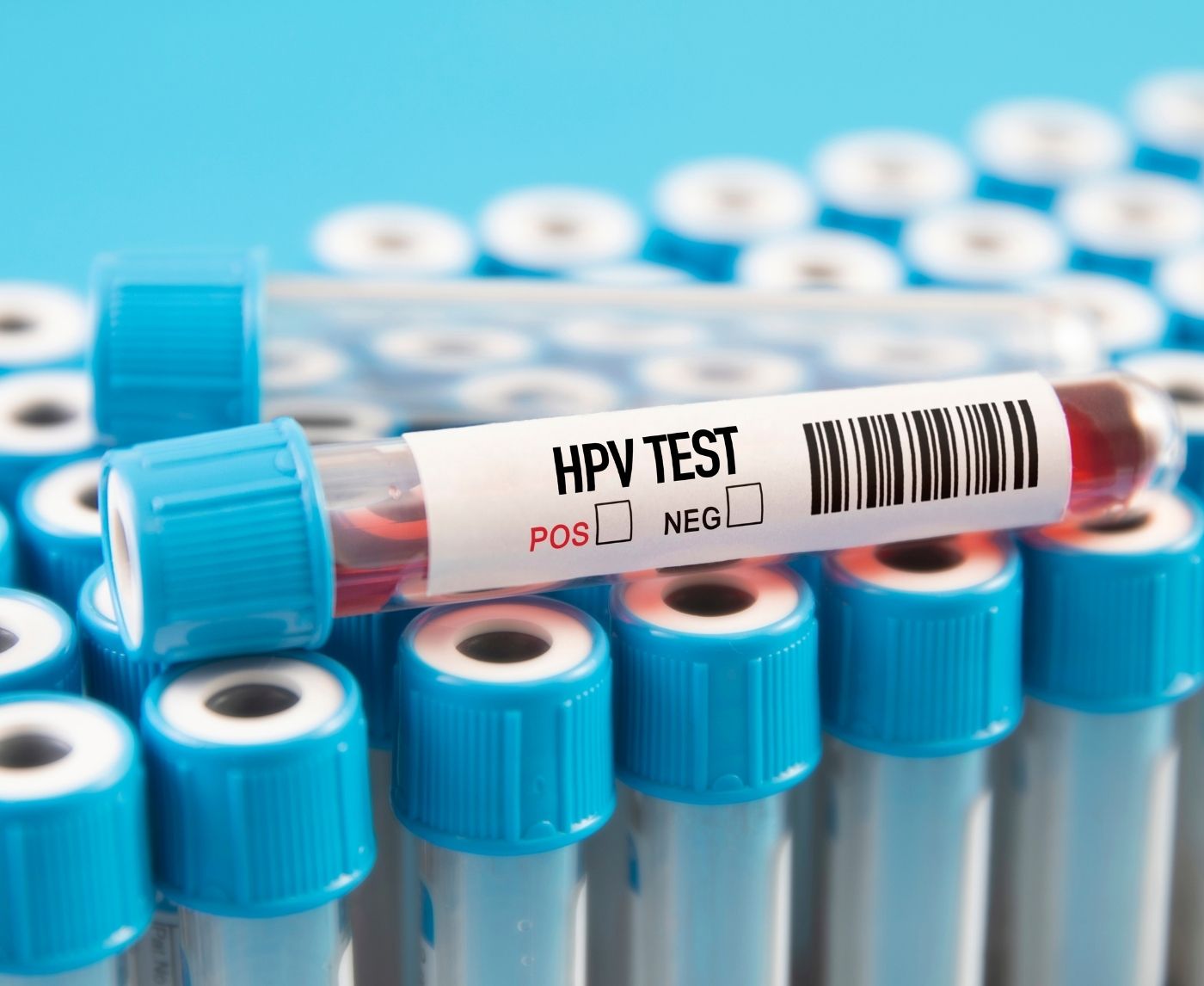
Quick Answer: If done properly, home testing for HPV can be very precise, but mistakes may occur due to issues in timing, sample distribution, or interpreting the faint test line. A re-test may be required for accuracy.
Quick Answer: If done properly, home testing for HPV can be very precise, but mistakes may occur due to issues in timing, sample distribution, or interpreting the faint test line. A re-test may be required for accuracy.
Why Accuracy Isn’t Just About the Test
These rapid tests for HPV are meant to look for high-risk types of human papillomaviruses that are associated with cases of cervical, anal, and throat cancers. The technology that they apply is related to Lateral Flow Immunoassay, which is also found in pregnancy tests, where there is a control line that shows that it actually worked, and then a line for the presence of HPV antigens.
Sounds simple enough, right? But real-world usage isn’t always clean. One Reddit user described testing in a hotel bathroom while on a work trip, only to get a barely visible second line. She spent hours searching “faint line on HPV test” and convincing herself she had cancer. When she retested five days later, the result was negative. The first test had been taken too early.
Test reliability depends on three major factors:
| Factor | Why It Matters | Impact on Accuracy |
|---|---|---|
| Timing after exposure | Testing too soon after sexual activity can lead to a false negative | Reduced accuracy (low antigen levels) |
| Sample quality | Improper swab technique or contamination can invalidate results | Possible invalid or incorrect result |
| Result interpretation | Faint lines can confuse users; some misread the test as negative or invalid | Misleading reassurance or unnecessary panic |
Figure 1. Common factors affecting HPV rapid test accuracy and user error potential.
What the Research Says About HPV Rapid Test Accuracy
According to studies published in PubMed and CDC data, the best home HPV tests show sensitivity rates between 85% and 95% for detecting high-risk HPV strains when used correctly. Specificity (the ability to avoid false positives) often exceeds 90%.
But those stats assume ideal conditions, perfect sample collection, testing at the right time, and proper reading within the test window. In reality, at-home testing adds room for error. A study in Sexually Transmitted Infections Journal found that many people collect samples too soon after exposure or misinterpret test lines, especially when they are faint or irregular.
That’s why instructions matter, and why understanding what counts as a valid test is so crucial. Many test kits have a tiny window of just 15–20 minutes during which the result is readable. After that, even a negative test can show ghost lines that look positive.
How to Collect a Clean Sample (And Why It Matters)
Let’s say you follow the directions, mostly. You open the test kit, swab yourself, and drop the swab into the buffer tube. You’re rushing because you’ve got a date later and you just want peace of mind. You wait the 15 minutes and check the cassette. One line? Two? You’re not even sure anymore. This is exactly where errors begin.
Sample collection is the most overlooked part of rapid testing. For HPV, tests typically rely on a vaginal swab (for people with a cervix) or a urethral or penile swab (for those without). If that swab doesn’t gather enough viral material, or picks up contamination from skin, surfaces, or improper handling, the test might not detect the virus, even if it's present.
Here's the anatomy of a clean collection:
| Step | Common Mistake | Fix |
|---|---|---|
| Wash hands and sanitize surface | Skipping hygiene setup | Use hand sanitizer and a clean, flat surface |
| Open swab without touching tip | Fingertips or packaging contaminate swab | Hold only the handle and avoid reusing if dropped |
| Insert swab to proper depth (vaginal/urethral) | Too shallow, or avoidant due to discomfort | Follow diagram in instructions or video guide |
| Rotate swab for 10–15 seconds | Quick poke or pullout | Maintain gentle pressure and rotate fully |
| Secure swab in buffer solution | Spilling or mixing timing errors | Cap tightly, gently mix, then wait for cassette drop |
Figure 2. Step-by-step overview of common sample errors and how to correct them.
Common Mistakes That Lead to False Negatives or Confusion
In real life, people don’t test in ideal conditions. One anonymous tester shared her experience on a women’s health forum: “I did the HPV test in my car, right after work. I didn't read the part about waiting 30 minutes after peeing. My result came back negative, but now I’m wondering if I messed it up.”
This isn’t unusual. Here are the most common at-home mistakes when using an HPV rapid test:
- Testing too soon after peeing: Fluids can make the sample less concentrated or mess with the antigens. You should always wait at least 30 minutes.
- Taking the test too soon after being exposed: The virus might not be there yet. It is more accurate to wait 14 to 21 days.
- Reading the results too late: If you read the results after the time limit (usually 15–20 minutes), they are not reliable. If you read the test after 30 minutes, dried chemicals can make ghost lines that look like faint positives.
- Swab contamination: Touching the tip of the swab, putting it down, or not sealing the tube tightly can all mess up the test.
These aren't moral failures; they're mistakes that people make when they're stressed. But they do have an effect on your results. That's why it's a good idea to retest, especially if your result is unexpected or doesn't match your symptoms or your partner's history.
Faint Lines, No Lines, and Invalid Results, What Do They Actually Mean?
The biggest question we see from users: “I got a faint line. Does that mean I have HPV or not?” And the answer depends on timing, exposure, and test type.
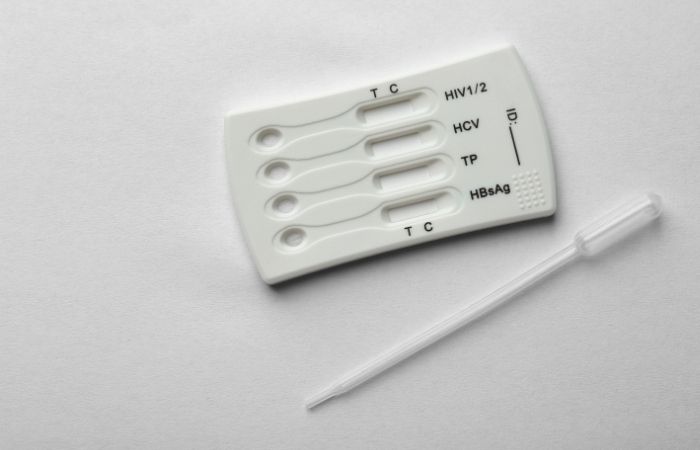
Most HPV rapid tests include two result lines:
- Control Line (C): Must appear in every valid test. If this line doesn’t show, the test is invalid and must be repeated.
- Test Line (T): Appears if high-risk HPV antigens are present.
If the test line is very faint, it may indicate a low viral load, or it may mean nothing at all if the test is read too late. Here's how to interpret different scenarios:
| Test Result | Possible Meaning | Next Step |
|---|---|---|
| One strong line (C) | Negative result | Safe to trust if timing and sample were correct |
| Two lines (C + strong T) | Positive for high-risk HPV | Schedule follow-up or confirmatory testing |
| Two lines (C + faint T) | Potential low-level infection or early detection | Retest in 7–10 days to confirm |
| No control line | Invalid test | Discard and repeat with new test |
Figure 3. Reading your test: When faint lines matter and when they don’t.
Still Unsure? Retesting Is Normal (And Often Recommended)
If your test result was invalid or confusing, or if you tested during a high-stress time like after a hookup scare or immediately after your period, it’s completely normal to retest. In fact, many medical sources, including the CDC, recommend retesting for HPV if symptoms persist or if the initial test was conducted too soon after exposure.
Retesting doesn’t mean you failed. It means you care enough to double-check. Most people who receive unclear results feel better after a second round, especially when done with clearer instructions or after the proper window period.
Peace of mind is worth doing it right. That’s why our FDA-approved kits come with illustrated guides and access to discreet shipping options for repeat testing, no clinic visit required. Order your HPV rapid test here and get reliable results from the privacy of your home.
When to Seek Confirmatory Testing (And Why It’s Not Overkill)
If you’ve tested positive for high-risk HPV, especially from a rapid at-home kit, you might feel stuck in limbo. Should you trust it? Should you panic? Should you go to a clinic or wait it out?
Here’s the truth: HPV is extremely common, nearly everyone sexually active will be exposed at some point, and most cases clear up on their own. But when a test flags a high-risk strain, especially types 16 or 18, clinical follow-up becomes important, not because it’s urgent, but because it gives you options.
According to WHO guidance, people who test positive on an HPV rapid test should consider confirmatory testing if:
- They have persistent or unexplained genital symptoms
- The test result was faint or confusing
- They are immunocompromised (e.g., HIV+, undergoing chemotherapy)
- They are pregnant and concerned about vertical transmission
- They have a cervix and are due (or overdue) for a Pap smear
Clinical tests may include an HPV DNA test (NAAT or PCR), a Pap smear, or colposcopy depending on risk level. These tests are not about shame, they’re about insight and options. And if your rapid test was negative but your partner recently tested positive, you may still need follow-up, especially if it’s been under 21 days since your last sexual exposure.

Long-Term Accuracy: What Affects Future Results?
HPV doesn’t behave like other STDs. You can test negative, then positive months later, not because your test was inaccurate, but because the virus took time to replicate enough to be detectable, or because a new exposure occurred. In other cases, a test might be positive even if you have no symptoms and the virus clears within two years without treatment.
Accuracy is a moving target. Some things that can affect your test result over time:
- Hormonal changes: Menstruation, pregnancy, and menopause may affect viral activity and test sensitivity
- Immune function: If your immune system is compromised, the virus may replicate more quickly or stay active longer
- New exposures: Even if you cleared a previous HPV infection, new partners can reintroduce high-risk strains
- Testing method: PCR-based lab tests are more sensitive than lateral flow kits, but may not be as accessible
This is why periodic testing matters, especially for people with a cervix between the ages of 25 and 65. But for everyone, including men and nonbinary folks, at-home HPV testing can still provide vital early insight into sexual health risks.
What About Privacy, Stigma, and “What If My Partner Sees It?”
We hear this all the time: “I’d test more often, but I don’t want anyone to know I’m even thinking about STDs.” It’s a brutally honest fear. And that fear keeps a lot of people from testing altogether, especially for viruses like HPV, which don’t always cause symptoms.
Here’s the good news: modern test kits are built with discretion in mind. At-home HPV rapid tests ship in unmarked packaging, and you control every part of the process, when you test, where you keep the results, and who you share them with. If you test positive, you don’t have to disclose immediately. But if you’re in a sexual relationship, open communication helps both of you stay safer.
One reader shared: “I did the test secretly while my partner was out. It came back positive. I waited three days, then told him. Turns out he had no idea HPV could be passed even without symptoms. He ended up getting tested, too. Now we both know, and it weirdly brought us closer.”
Your health is yours. Stigma should never be the reason you stay in the dark.
FAQs
- 1. Is it possible for an HPV rapid test to give a false negative?
- Yes, especially if the test was done too soon after exposure or if the sample was not collected correctly. It can take a while for HPV viral levels to rise, and quick tests aren't as accurate as lab-based ones. If you're not sure about the result, you should test again in 7 to 14 days.
- 2. What does it mean if my HPV test shows a faint line?
- A faint test line could mean that you have a low-level HPV infection, or it could be an evaporation line if you read the test too late. Always read your test within the time frame given in the instructions, which is usually between 15 and 20 minutes. If the faint line shows up in that time frame, treat it as a positive and retest to be sure.
- 3. How long should I wait to get an HPV test after being exposed?
- Most experts say you should wait at least 14 to 21 days after being around someone who might have HPV before getting tested. If you test too soon, you might get a false negative because the virus might not have replicated enough to be seen.
- 4. Is a Pap smear better than an at-home HPV test?
- No. A home HPV test looks for the virus itself, while a Pap smear looks for changes in cells caused by HPV. Both are useful, but they have different uses. If you need a Pap test or get a positive result from a home test, you should see a doctor right away.
- 5. Can guys take an HPV rapid test?
- Some home kits are made for people with a penis to use, usually by taking a urethral swab. But there aren't as many clinical tests for HPV in men, and they aren't done as often. Testing may still be helpful if you can see warts, have a sore throat, or know you've been exposed.
- 6. Can stress or being sick recently change the results of my HPV test?
- Not really, but if your immune system is not strong due to stress, illness, or medication, it could affect how your body responds to this virus. This can increase your viral load and your risk of testing positive, but it won't give you a false positive test.
- 7. Can you get HPV just from oral sex?
- Yes. Certain high-risk strains of HPV can infect the throat and mouth, and it can be spread through oral-genital contact. That's why some people who have never had penetrative sex still test positive for HPV.
- 8. What should I do if the result was wrong?
- The test is not valid if the control line didn't show up or the cassette was hard to read. Throw it away and take a new test. Follow the rules for cleanliness and timing very carefully. User error is the most common reason for wrong results.
- 9. If I test positive, should I tell my partner?
- That's a choice you have to make for yourself, but it's usually the right one. A lot of couples deal with HPV exposure together because the virus is so common. You don't have to tell right away, but talking about it can help both of you stay informed and ready for future tests.
- 10. If my symptoms go away, do I need to get tested again?
- Maybe. Even though the virus is still active, symptoms may go away. If you tested positive at first or got results that weren't clear, a follow-up test can tell you if the infection is still there or if it has gone away.
You Deserve Answers, Not Assumptions
If you’ve made it this far, here is what you need to remember: Rapid HPV tests can provide powerful, quick, and valuable information, but they are not magical. They are subject to timing, specimen quality, and the subsequent interpretation made by the individual using the results. And, if things don’t go exactly right, the individual is not left with nothing. They can always retest, follow up, and then simply move ahead.
How We Sourced This Article: We combined current guidance from leading medical organizations with peer-reviewed research and lived-experience reporting to make this guide practical, compassionate, and accurate. In total, around fifteen references informed the writing; below, we’ve highlighted some of the most relevant and reader-friendly sources.
- WHO – HPV and Cervical Cancer
- Self-Collection HPV Test Accuracy — American Cancer Society
- Self-Sampling for HPV Testing: High Relative Sensitivity & Specificity Compared to Clinician Collection — PMC / NCBI
- Accuracy and Acceptability of Self-Sampling HPV Testing — Nature (2025)
- CDC / NCBI: Overview of HPV Screening and Self-Sampling Methods