Are STDs Genetic? Why the Myth Exists and What Vertical Transmission Actually Means
The myth that STDs "run in families" or "skip generations" has real origins, and understanding where it comes from is the first step to replacing it with something more useful: accurate information and a clear next step.
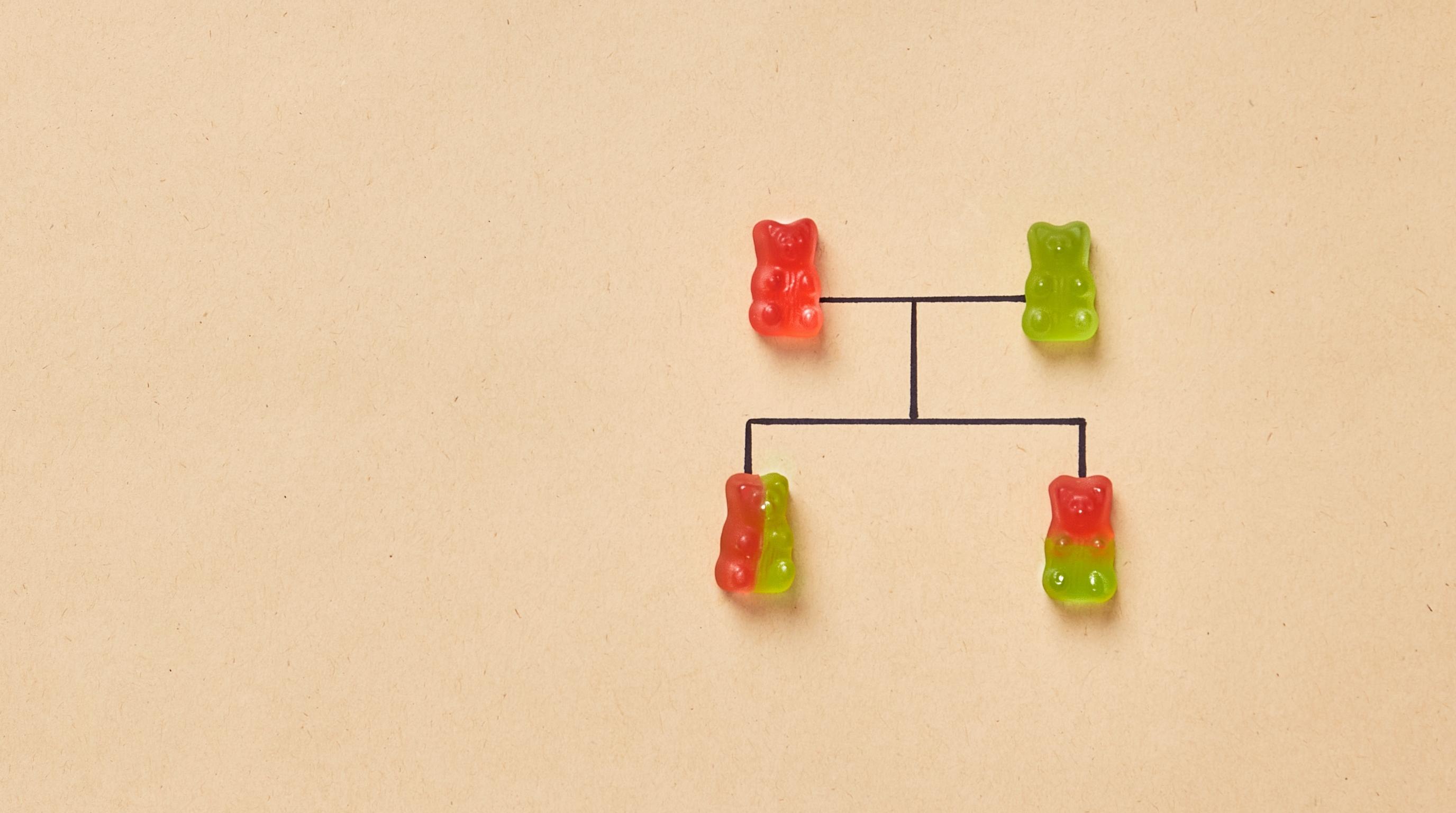
If you've landed here because someone in your family has an STD and you're wondering what that means for you, or because you're pregnant and worried about what could pass to a baby, this article answers both questions directly. The myth that STDs "run in families" or "skip generations" has real origins, and understanding where it comes from is the first step to replacing it with something more useful: accurate information and a clear next step.
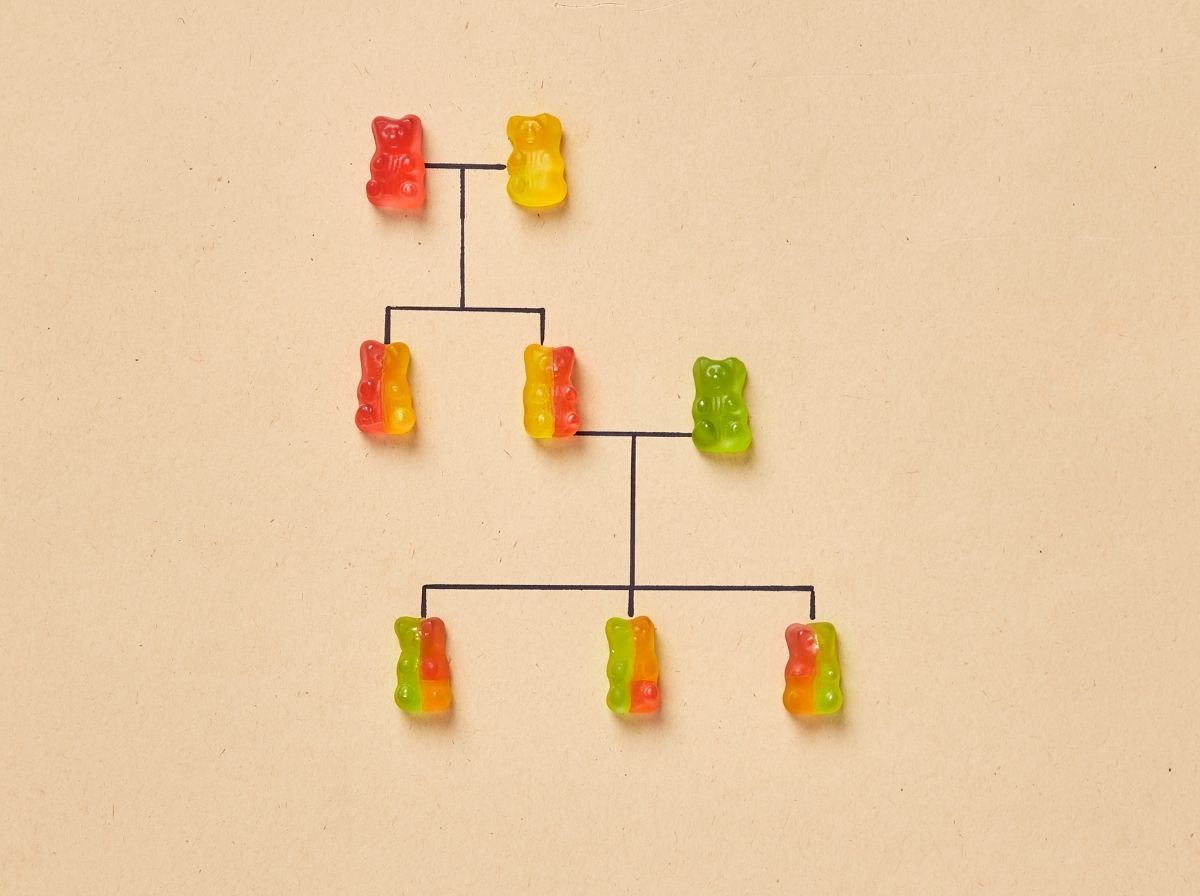
Why People Think STDs Can Be Inherited
The idea that STDs might run in families isn't pulled from thin air. It usually comes from one of three places: a family member being diagnosed with an STD that was never discussed openly, someone being born with an infection and not understanding how it got there, or an old-fashioned use of the word "hereditary" that pre-dates modern genetics. Before the germ theory of disease was well understood, doctors used the phrase "hereditary syphilis" to describe what we now call congenital syphilis, not because syphilis was encoded in anyone's genes, but because babies were being born with it when their mothers had untreated infections during pregnancy.
That language stuck around in popular culture far longer than it should have. References to "hereditary syphilis" appear throughout 19th and early 20th-century medical literature. The confusion it created was understandable: a baby is born sick with the same disease their parent had. From a lay perspective, that looks a lot like inheritance. From a biological perspective, it's something else entirely; it's infection during development, not a mutation in the child's chromosomes.
There's also a subtler layer to this myth. Some people hear that immune system genetics can influence how susceptible a person is to certain infections, and they assume that means the infections themselves are genetic. That's not what it means. Your genes can affect how well your body responds to an STD if exposed, but they don't carry the pathogen, and they can't transmit the disease to your children. More on that distinction later.
What Genetic Inheritance Actually Means (And Why STDs Don't Qualify)
Genetic inheritance is specific: it refers to traits and conditions passed from parent to child through DNA, through the chromosomes carried in egg and sperm cells. Conditions like cystic fibrosis, sickle cell anemia, and Huntington's disease are genuinely inherited because they are caused by mutations in specific genes that get copied into a child's DNA at the moment of conception. The child is born with those mutations already built in. No external pathogen is involved.
STDs work completely differently. Chlamydia is caused by a bacterium called Chlamydia trachomatis. HIV is caused by a virus. Syphilis is caused by a bacterium called Treponema pallidum. Herpes is caused by the herpes simplex virus. None of these organisms are part of any human's genetic code. They are external pathogens, living organisms or particles that invade the body from outside and cause disease. Your DNA does not contain Treponema pallidum. You cannot pass syphilis to a child by passing on your chromosomes, any more than you could pass a cold through your genes.
| Feature | Genetic Inheritance | Vertical Transmission |
|---|---|---|
| What is passed? | DNA mutations / gene variants | A live pathogen (bacterium, virus, or parasite) |
| When does it occur? | At conception, encoded in the embryo's DNA from the start | During pregnancy, labor, delivery, or breastfeeding |
| Can it be prevented? | Not typically, it is already in the child's DNA | Yes, through testing, treatment, and prenatal care |
| Is the child's infection the same as the parent's? | Yes, the same genetic mutation, permanent from conception | The same infection, acquired separately, and in most cases treatable |
| Examples | Cystic fibrosis, sickle cell anemia, Huntington's disease | Congenital syphilis, perinatal HIV, neonatal herpes, neonatal hepatitis B |
The only way an STD reaches a new person is through direct biological contact with an infected person. That contact can happen during sex, through shared blood (needle sharing, or historically through unscreened transfusions), or, the route most commonly confused with inheritance, through direct biological exposure during pregnancy, labor, or breastfeeding. That third route is called vertical transmission, and it is the key to understanding both where the myth comes from and why the distinction matters so much in practice.
What Is Vertical Transmission?
Vertical transmission is the medical term for when an infection passes from a pregnant person to their baby during pregnancy (in utero), during labor and delivery (intrapartum), or through breastfeeding (postpartum). It has nothing to do with genetics and everything to do with biology: the fetus shares a blood supply with the pregnant person via the placenta, the baby moves through the birth canal during delivery, and breast milk is a biological fluid capable of carrying certain pathogens. These are the actual routes, not chromosomes, not DNA.
Not every STD can be vertically transmitted. Among those that can, risk varies considerably depending on the stage of pregnancy, the specific infection, and whether the pregnant person has received any treatment. Understanding which infections carry this risk, and how high that risk actually is, is what allows people to make informed decisions about testing and prenatal care, rather than operating on fear or myth.
Can You Be Born with an STD? Which Infections Can Pass to a Baby
Yes, but the mechanism is always transmission, never genetic inheritance. Here is what the evidence shows for the most clinically significant infections, along with the actual numbers so you're working with facts rather than worst-case fears:
| Infection | Main Transmission Route to Baby | Risk Without Treatment | Risk With Treatment / Prevention |
|---|---|---|---|
| Syphilis | Placenta (in utero), delivery | Up to 80% if untreated in early stages | Near-zero with timely antibiotic treatment during pregnancy |
| HIV | Placenta, delivery, breastfeeding | 15–45% without intervention | 1–2% with HIV treatment and delivery protocols |
| Herpes HSV-2 | Birth canal during active outbreak | Highest risk with primary infection in 3rd trimester | Low with antivirals and caesarean if outbreak present |
| Hepatitis B | Delivery (contact with infected blood) | 70–90% if parent is highly infectious | Under 5% with newborn vaccination within 12 hours |
| Hepatitis C | Delivery (contact with infected blood) | ~5–6% without intervention | No vaccine; antivirals available if acquired |
| Chlamydia | Birth canal (eye and respiratory infection in newborn) | 30–50% risk of eye infection if parent untreated | Newborn eye drops at birth; treat parent before delivery |
| Gonorrhea | Birth canal (eye infection in newborn) | Risk of ophthalmia neonatorum if untreated | Newborn eye drops at birth; treat parent before delivery |
Syphilis is the most well-documented example of vertical transmission, and the one most responsible for the "inherited STD" myth. The bacterium Treponema pallidum can cross the placental barrier and infect the fetus, particularly after the first trimester when the placenta becomes more permeable. According to CDC Vital Signs data, congenital syphilis can cause stillbirth, miscarriage, neonatal death, or lifelong complications, including blindness, deafness, and developmental delays in surviving infants. The CDC's September 2025 surveillance report found that congenital syphilis reached nearly 4,000 cases in 2024, the 12th consecutive year of increases, and nearly 700% higher than a decade ago. Critically, 88% of those cases involved a missed opportunity: no prenatal testing, or inadequate treatment after a positive result. Congenital syphilis is not an inevitability. It's a failure of the system to reach people in time.
HIV can pass from parent to baby during pregnancy, at delivery, or through breastfeeding. According to the WHO, without any intervention, the transmission rate ranges from 15% to 45%. That number changes dramatically with treatment: where pregnant people with HIV have access to effective HIV treatment and follow recommended delivery protocols, transmission drops to around 1–2%. The baby is not born with HIV in their genes; they acquire the virus through biological exposure, and that exposure can be interrupted.
Herpes (HSV-1 and HSV-2) presents a different risk profile. Neonatal herpes most commonly occurs when a baby passes through the birth canal during an active genital herpes outbreak in the parent. Transmission through the placenta during pregnancy is rare. The risk is highest when the parent acquires genital herpes for the first time late in pregnancy, a primary infection in the third trimester, because the parent's body hasn't yet built the antibodies that partially protect the baby. Recurrent outbreaks during pregnancy carry a much lower risk. Neonatal herpes can affect the nervous system or cause systemic infection, which is why it is taken seriously in obstetric care, even though the absolute numbers are relatively small.
Hepatitis B is one of the most efficiently vertically transmitted infections. Without preventive measures, a baby born to a highly infectious parent has a 70–90% chance of acquiring the infection during delivery through contact with infected blood. Hepatitis B vaccination and hepatitis B immune globulin given to the newborn within 12 hours of birth reduce that risk to under 5%, one of the clearest examples of how a high biological risk can be almost entirely eliminated by timely intervention. The myth that this "runs in families" makes biological sense when you consider those untreated transmission rates across multiple generations, but the mechanism at every step is infection, not genetics.
Chlamydia and gonorrhea do not cross the placenta during pregnancy, but both can infect a baby during delivery. A baby passing through a birth canal where either infection is active can develop eye infections, a condition called ophthalmia neonatorum, or, in the case of chlamydia, a respiratory infection. This is precisely why newborn eye drops or ointment are routinely administered at birth in many countries. It's a direct, practical response to a transmission route that has nothing to do with genetics. If you're unsure whether you've been tested for either recently, our article on common STD myths covers what routine testing actually looks like and why so many infections go undetected.
Testing in Pregnancy: Why Knowing Your Status Is the Only Thing That Actually Helps
Here's the thing about vertical transmission: the risk only becomes real if the infection is unknown. Routine prenatal STD screening exists specifically because these infections frequently have no symptoms in the parent at all. You can carry syphilis, chlamydia, hepatitis B, or HIV during pregnancy and feel completely fine. The infection is silent. The risk to the baby is not. This is exactly the same principle behind why STD testing matters even without symptoms, something we cover in depth in our article on whether you need symptoms to get tested.
The CDC recommends that all pregnant people be screened for HIV, syphilis, hepatitis B, and chlamydia at their first prenatal visit, with repeat testing in the third trimester for those at higher risk. This isn't bureaucratic box-ticking. It is the mechanism that makes vertical transmission preventable. The 88% missed-opportunity finding in the CDC's congenital syphilis data tells you exactly what happens when that mechanism fails: infections that were entirely treatable reached babies that should never have been exposed.
| Infection | Test From | Vertical Transmission Route |
|---|---|---|
| Syphilis | 6 weeks after exposure | Placenta (in utero), delivery |
| HIV | 6 weeks (first indicator); retest at 12 weeks for certainty | Placenta, delivery, breastfeeding |
| Herpes HSV-1 & HSV-2 | 6 weeks after exposure | Birth canal (intrapartum) |
| Hepatitis B | 6 weeks after exposure | Delivery (blood contact) |
| Hepatitis C | 8–11 weeks after exposure | Delivery (blood contact) |
| Chlamydia | 14 days after exposure | Birth canal (eye/respiratory) |
| Gonorrhea | 3 weeks after exposure | Birth canal (eye infection) |
If you're pregnant and want to check your status before your first prenatal appointment, or if you're planning a pregnancy and want to know where you stand, at-home rapid testing is a private and legitimate starting point. The 8-in-1 Complete At-Home STD Test Kit screens for HIV, syphilis, herpes HSV-1 and HSV-2, hepatitis B and C, chlamydia, and gonorrhea, the full range of infections with documented vertical transmission risk. Testing windows for any exposures before or during pregnancy are:
Can an STD Skip a Generation? What Actually Happens in Families
This is where the "skipping generations" version of the myth gets its life. The scenario people imagine goes something like this: a grandparent had syphilis, the parent didn't seem to be affected, but now the grandchild has been diagnosed. Does that mean syphilis can lie dormant in a family bloodline and reappear generations later?
No. What actually happens in these scenarios is one of two things. Either the parent had the infection without knowing, or asymptomatic infections are the norm across many STDs, not the exception, and an untested, untreated parent can carry and transmit an infection without any visible signs. This is a point worth emphasising: the idea that STDs always produce obvious symptoms is itself one of the most persistent myths in sexual health, and it's one that causes real harm. Or, more commonly, each generation acquired the infection independently through their own exposure, either through sexual contact or, in the case of infants, through vertical transmission at birth. The chain looks like an inheritance from the outside. It's actually a sequence of new, separate infections, each one transmitted through direct biological contact, each one missed because it was never tested for.
A baby born with congenital syphilis does not have syphilis written into their DNA. They have a bacterial infection acquired during fetal development. If that infection is treated, and it can be, they are cured. They cannot pass syphilis to their future children through genetics. They could only transmit it the way any adult could: through sexual contact, or if untreated during a pregnancy of their own. The "generational" appearance of this is not biological predestination. It is a failure of diagnosis and treatment, repeating at each step because the underlying infection was never caught.
If My Parent Had an STD, Could I Have It Too?
If you know or suspect that a parent had an STD, particularly HIV, syphilis, hepatitis B, or herpes, it's worth considering whether you might have been exposed at birth, especially if your birth predated routine prenatal screening or happened in a context where prenatal care was limited or inaccessible. Neonatal testing is standard in many healthcare settings now, but historical and systemic gaps mean that not everyone born in those circumstances was tested and treated.
The important thing to understand is that any infection acquired this way is not a genetic legacy. It is not something you were destined to carry because of your family history. It is an infection, and infections can be tested for, treated, and in many cases cured. Syphilis is fully treatable. HIV is manageable with effective HIV treatment to the point where people live long, healthy lives with undetectable viral loads and cannot transmit the virus to sexual partners. Hepatitis B can be effectively suppressed. Hepatitis C now has highly effective curative treatment options. None of these are death sentences, and none of them are genetic.
People also sometimes worry that if they carry an infection acquired at birth, or at any point in life, they are destined to pass it to their own future children. That is not automatically true. It depends on the specific infection, whether it has been treated, and what precautions are taken during a future pregnancy. HIV-positive parents who have access to effective HIV treatment and follow current guidelines for delivery have reduced vertical transmission rates to 1–2%. Hepatitis B in newborns can be prevented through vaccination given within hours of birth. These are medical realities, not inevitabilities. The chain is breakable, but only if the infection is known about.
If you've never been tested and want to know your status, the 7-in-1 Complete At-Home STD Test Kit covers HIV, syphilis, herpes HSV-2, chlamydia, gonorrhea, hepatitis B, and hepatitis C. It's a private starting point, not an indictment of your parents, your history, or your health. It's the information that makes the next move possible. It's also worth noting that carrying more than one infection at a time is more common than most people realise. Our article on testing positive for multiple STDs at the same time explains why comprehensive testing rather than single-infection testing tends to give a more complete picture.
The Genetics Red Herring: What Your Genes Actually Do in the Context of STDs
There is one scientifically legitimate intersection between genetics and STDs, but it is far more subtle than the myth suggests, and it is often the thing people are actually thinking of when they raise the question. Research published in peer-reviewed literature has found that certain genetic variations in immune-related genes can influence how susceptible a person is to acquiring a specific STD if exposed, or how severely they experience symptoms. Genetic polymorphisms in toll-like receptor genes, for instance, affect how aggressively the innate immune system responds to pathogens like Chlamydia trachomatis or Treponema pallidum. A review published in PMC found that while host genetics clearly plays a role in STI susceptibility and disease progression, the findings across studies are inconsistent, no single gene reliably predicts vulnerability. A well-studied example is the CCR5-delta32 mutation: people who inherit two copies of this mutation have significant resistance to HIV infection because the mutation disrupts the receptor the virus uses to enter cells.
None of this means STDs are genetic diseases. What it means is that your immune genetics can modulate your experience of an infection, affecting vulnerability, symptom severity, or treatment response. The pathogen itself is never in your DNA. It lives outside your cells, in biological fluids and tissues. Your genes affect how your body handles the encounter. They are not a vehicle for the pathogen, and they cannot transmit it to your children.
Think of it this way: some people are genetically more prone to severe reactions to influenza. That doesn't make the flu a genetic disease. The same logic applies here. Susceptibility can have a genetic component. The infection itself does not.
It's also worth noting that the popular fear of being "immune" to STDs, or conversely, of being genetically predisposed to catching them easily, is largely unfounded. The CCR5 mutation is real but rare. For the vast majority of people, STD risk is determined by exposure, not genetics. Our article on why the body doesn't build immunity to most STDs explains this in more detail, including why repeat infections with the same STD are genuinely possible.
How to Actually Break the Chain, Testing Before and During Pregnancy
If there is a single actionable takeaway from everything above, it is this: vertical transmission is not destiny. It is a risk that exists, and it is a risk that can be dramatically reduced, but only if the infection is known about in time to act. The mechanism of prevention is not complicated. It starts with knowing your status before or early in pregnancy, treating any infections found, and following the delivery and newborn care protocols that exist precisely because this problem is solvable.
You're searching this at whatever hour people search for things like this, maybe you're newly pregnant, maybe a partner said something that made you think, maybe a family member's diagnosis is making you wonder about your own history. That instinct to find out is exactly right. Testing before pregnancy is one of the most effective things anyone can do to close off the only actual route through which an STD can reach the next generation. It is not genetic fate. It is a testable, treatable chain of transmission, and testing is where you intervene.
For anyone planning a pregnancy or currently pregnant, the Women's 10-in-1 At-Home STD Test Kit provides the most comprehensive at-home coverage available, testing for HIV, syphilis, herpes HSV-1 and HSV-2, hepatitis B and C, chlamydia, gonorrhea, trichomoniasis, and HPV 16 and 18, every infection with vertical transmission risk, plus the two most common infections in women overall. Knowing your full status before those infections have any opportunity to reach a pregnancy is the clearest practical answer to the question this article started with.
For anyone who has received a positive result and is pregnant, the next step is connecting with an OB-GYN or sexual health clinic as quickly as possible. At-home testing establishes the information. What follows, treatment, delivery planning, newborn care, is where that information becomes protection.
FAQs
- 1. Can STDs be passed down genetically from parent to child?
- No. STDs are caused by bacteria, viruses, and parasites, none of which are part of human DNA. Genetic inheritance works through chromosomes passed at conception. STDs are infections acquired through direct biological contact, not traits encoded in your genes. A parent cannot pass chlamydia, HIV, or syphilis to a child through genetics any more than they could pass influenza through chromosomes.
- 2. What does "congenital" mean when referring to an STD?
- Congenital means present from birth, acquired during pregnancy or delivery, not through sexual contact. A baby born with congenital syphilis acquired the bacterial infection in the womb or during birth, not through genetic inheritance. Congenital and hereditary are not the same thing, even though both describe something passed from parent to child. One is infection. The other is DNA.
- 3. Can a baby be born with HIV?
- Yes, but only through transmission during pregnancy, delivery, or breastfeeding, not through genetics. Without any intervention, the WHO estimates vertical transmission rates of 15–45%. With effective HIV treatment, appropriate delivery protocols, and avoiding breastfeeding, that risk drops to around 1–2%. The baby acquires the virus through biological exposure, and that exposure can be interrupted with medical management.
- 4. If my parent had syphilis, do I need to get tested?
- Syphilis does not pass genetically, but if your parent had untreated syphilis during pregnancy and your birth predated routine prenatal screening, or happened without adequate prenatal care, it is worth discussing with a doctor. Congenital syphilis can present with symptoms that aren't immediately obvious, and testing is the only way to be certain. An at-home syphilis test is a private first step before a follow-up clinical conversation.
- 5. Can herpes be passed from a parent to a baby during birth?
- Yes. Neonatal herpes most often occurs when a baby is delivered vaginally during an active genital herpes outbreak. The risk is highest with a primary (first-ever) infection in the third trimester, because the parent hasn't yet produced the antibodies that partially protect the baby. It is not transmitted genetically. Doctors may recommend caesarean delivery when an active outbreak is present at the time of labor.
- 6. Does having a family history of STDs put me at genetic risk?
- No, not in the way genetic risk works for inherited conditions. A family pattern of STD diagnoses typically reflects a chain of untreated infections, gaps in testing access, or inadequate prenatal care across generations, not shared DNA carrying a pathogen. If multiple family members have been diagnosed with the same STD, the connection is almost certainly shared exposure circumstances or healthcare access barriers, not heredity.
- 7. Can the baby of a hepatitis B-positive parent be protected?
- Yes, very effectively. Hepatitis B vaccination and hepatitis B immune globulin given to the newborn within 12 hours of birth reduce transmission risk from 70–90% down to under 5%, even when the parent is highly infectious. This is one of the clearest demonstrations that high biological risk does not mean inevitable transmission. The intervention window is narrow, which is why knowing the parents' status before delivery matters.
- 8. Can an STD skip a generation and appear in a grandchild?
- No. What looks like generational skipping is almost always a chain of separate, undetected infections, each one transmitted through direct biological contact, not inherited DNA. A grandparent's untreated syphilis cannot lie dormant in a parent's chromosomes and re-emerge in a grandchild. What can happen is that an asymptomatic, untested parent transmits the infection to their own child during pregnancy or birth, making the chain look genetic when it is actually a repeated failure of diagnosis.
- 9. Which STDs can be passed from mother to baby during pregnancy or birth?
- The main ones with documented vertical transmission risk are syphilis (via the placenta), HIV (via placenta, delivery, and breastfeeding), herpes HSV-2 (primarily during delivery with active outbreak), hepatitis B and C (primarily during delivery through blood contact), chlamydia (during birth, mainly causing eye and respiratory infection), and gonorrhea (during birth, causing eye infection). Risk level and preventability vary significantly by infection; the table in this article covers specific rates.
- 10. Should I get tested before trying to get pregnant?
- Yes, preconception testing is one of the most effective and underused tools for protecting a future pregnancy. Testing for HIV, syphilis, hepatitis B and C, chlamydia, gonorrhea, and herpes before conception means any infections can be treated or medically managed before they ever have an opportunity to be transmitted. At-home tests are a private, accessible starting point for anyone who wants a complete picture before trying to conceive.
Know Your Status Before a Pregnancy Begins
STDs don't live in your family tree. They live in your body, or they don't. And the only way to know is to test. If you're planning a pregnancy, are currently pregnant, or want to understand your full sexual health status before making decisions, at-home rapid testing gives you answers in minutes, privately, without a waiting room.
The Women's 10-in-1 At-Home STD Test Kit covers all ten of the most common STDs, including every infection with vertical transmission risk, and is designed for anyone who wants the most complete picture possible before or during a pregnancy. For a comprehensive option that works for all genders, the 8-in-1 Complete At-Home STD Test Kit covers HIV, syphilis, herpes HSV-1 and HSV-2, hepatitis B and C, chlamydia, and gonorrhea. If syphilis or hepatitis B are your primary concern after reading this, the 6-in-1 At-Home STD Test Kit includes both, alongside HIV, hepatitis C, herpes HSV-2, and chlamydia.
Testing is how the chain gets broken, not through genetics, but through knowledge. Visit STD Test Kits to find the right test for your situation.
Our article was constructed based on current advice from the most prominent public health and medical organizations, and then molded into simple language based on the situations that people actually experience, such as treatment, reinfection by a partner, no-symptom exposure, and the uncomfortable question of whether it "came back." In the background, our pool of research included more diverse public health advice, clinical advice, and medical references, but the following are the most pertinent and useful for readers who want to verify our claims for themselves.
- CDC, Sexually Transmitted Infections Surveillance, 2024 (Provisional)
- WHO, Mother-to-Child Transmission of HIV
- CDC Vital Signs, Missed Opportunities for Preventing Congenital Syphilis, United States, 2022
- Cleveland Clinic, Vertical Transmission: Infection, Examples and Diagnosis
- StatPearls, Vertical Transplacental Infections (NCBI)
- PMC, The Association of Host Genes with Specific Sexually Transmitted Infections