Can You Get an STD from Just Foreplay? Yes Here's How
Quick Answer: Yes, you can get an STD from foreplay, including oral sex, fingering, grinding, and kissing. Herpes, HPV, syphilis, gonorrhea, and even chlamydia can be transmitted without penetration.

Quick Answer: Yes, you can get an STD from foreplay, including oral sex, fingering, grinding, and kissing. Herpes, HPV, syphilis, gonorrhea, and even chlamydia can be transmitted without penetration. Testing is recommended if symptoms appear or exposure risk was high.
What Counts As “Just Foreplay”?
Foreplay is a fuzzy term. People use it to mean anything from making out to full-blown oral sex. But for STD risk, it matters what we’re actually talking about. Here's how it usually breaks down:
Foreplay can include:
- Kissing: especially deep or open-mouth kissing
- Oral sex: giving or receiving on vulva, penis, or anus
- Hand stuff: fingering, hand jobs, mutual masturbation
- Grinding: clothed or unclothed genital contact
- Use of toys: solo or shared, mouth or genital contact
These acts might seem “safe” because they don’t involve penetration. But many STDs don’t need penetration. They need contact, with skin, fluids, or mucous membranes. And if someone has a sore you can’t see, or is shedding virus without symptoms (which is common), you could be exposed even if everything felt normal in the moment.

“I Never Had Sex, But I Got Herpes Anyway”
Maya, 20, thought she was playing it safe. She and her situationship had only kissed, cuddled, and “fooled around.” No intercourse. No oral, even. Just grinding. Two weeks later, she noticed a painful sore on her labia and assumed it was from shaving. It wasn’t.
“When the doctor told me it was genital herpes, I was so confused. I kept saying, ‘But we didn’t have sex!’”
Turns out, skin-to-skin contact, like naked grinding, is enough to transmit HSV-2 if one person is shedding virus. Her ex had a history of cold sores. They didn’t talk about it. No one thinks it’s relevant… until it is.
This isn’t rare. In fact, nearly 20% of genital herpes cases come from partners who didn’t know they were contagious according to the CDC. You can have zero symptoms and still transmit herpes.
Let’s Break It Down: What You Can Catch and How
Here’s a look at how common STDs can be transmitted through various forms of foreplay. Yes, even hand stuff.
| STD | Spread Through | Foreplay Risk Level | Why It Matters |
|---|---|---|---|
| Herpes (HSV-1/2) | Skin-to-skin, saliva, oral-genital | High | Can transmit even with no visible sores |
| HPV | Skin-to-skin, oral-genital | Medium | Some strains cause cancer or warts |
| Gonorrhea | Oral sex, saliva | Medium–High | Can infect throat or eyes |
| Chlamydia | Oral sex, possibly fingering if fluid transferred | Low–Medium | Often silent; untreated cases can cause infertility |
| Syphilis | Kissing (if mouth sore), oral sex | Medium | Can appear as painless mouth or genital sores |
| Hepatitis B | Blood, semen, saliva (high amounts) | Low–Medium | Vaccine-preventable; oral transmission possible |
| HIV | Blood, semen; very low oral transmission | Low | Possible if oral wounds present; rare but documented |
Figure 1: Foreplay Risk Table, What STDs Can Spread Without Intercourse
What Makes the Risk Higher?
Risk depends on more than the act. It’s about context. These things raise the chance of foreplay leading to an STD:
- Sores, cuts, or shaving nicks: open pathways for bacteria and viruses
- Multiple partners or anonymous encounters: less knowledge of each other’s status
- Dry sex (grinding): skin friction spreads herpes or HPV
- Shared sex toys: if not cleaned between partners
- No conversation about testing: assumptions instead of information
If someone has oral gonorrhea or herpes and goes down on you, there’s a real chance you could catch it, even if they have zero symptoms. In fact, most transmission happens from people who don’t know they’re infected.
When Should You Test After Foreplay?
If you're here, you're probably trying to answer the hardest question of all: Do I need to get tested, even if we didn't “have sex”? And if so, when?
The answer depends on what kind of foreplay happened, your partner’s status (if known), and what symptoms (if any) you’ve noticed. But here's the general truth most clinics won’t spell out: if fluids were exchanged, mouths were involved, or genitals touched, some form of testing makes sense.
But don’t panic-test on day two. Every STD has a window period, the time between exposure and when a test can actually detect the infection. Testing too early might give you a false sense of security. Here's a timing breakdown:
| STD | Earliest Test Window | Best Time to Test |
|---|---|---|
| Herpes (HSV-1/2) | 2–12 days (with symptoms) | 3–6 weeks (blood test), or when sores appear |
| Gonorrhea / Chlamydia | 5–7 days | 2 weeks for accurate NAAT |
| HPV | Not testable without lesions or pap test (vulva only) | Weeks to months (most resolve on their own) |
| Syphilis | 3–6 weeks | 6–12 weeks for antibody blood test |
| HIV | 10–14 days (RNA/NAAT) | 4–6 weeks for antigen/antibody test |
Figure 2: Window periods for common STDs, based on oral or foreplay exposure.
If it's been less than 5 days, your best move is to wait, unless you’re having symptoms or the exposure involved blood or known HIV risk. Between days 7–14, gonorrhea and chlamydia tests are more likely to be accurate. After 3–6 weeks, you’ll get the clearest picture for most others.
Reminder: Many clinics don’t offer oral or throat testing unless you ask. You can test discreetly at home if asking out loud feels too hard right now.
But I Don’t Have Symptoms, Does That Mean I’m Safe?
Nope. And that’s the scariest part. Most STDs that spread during foreplay, oral gonorrhea, chlamydia, herpes, and HPV, can show zero signs for weeks or months. Some never show symptoms at all.
Here’s what foreplay-transmitted STDs might look like (if they show up):
- Oral Gonorrhea: sore throat, tonsil redness, swollen glands (often misread as a cold)
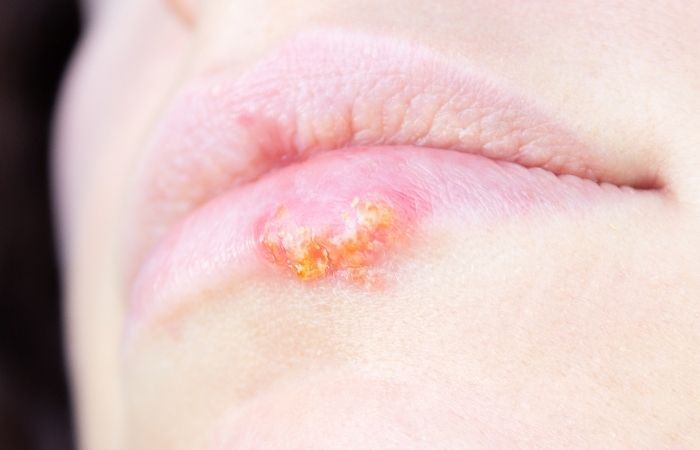
- Genital Herpes: small blisters, itching, burning when peeing, or tingling in the groin
- HPV: warts around genitals, anus, or throat, but many strains are silent
- Syphilis: painless sore or ulcer in mouth, lips, or genitals
Mouth symptoms get missed constantly. If you’ve given oral sex and develop a sore throat that doesn’t go away, or even white spots that resemble strep, don’t ignore it. Throat gonorrhea is real, and rising fast among young people and queer folks.
“I Thought It Was a Tonsil Infection”
Jordan, 26, had given oral sex at a party two weeks earlier. No penetration. No protection. A few days later, he developed a sore throat that wouldn’t quit. His urgent care provider gave him antibiotics for strep, but the test was negative.
“It wasn’t until I got tested at a queer health clinic that I found out it was oral gonorrhea. I had no idea that was even a thing.”
Many standard panels don't include throat swabs unless you ask. That's why at-home kits with oral collection or throat-specific panels are a game-changer.
Not sure which test covers oral exposure? STD Test Kits lists exactly what’s included in each discreet kit, so you don’t have to guess.
What About Shared Toys and Fingers?
This is one of the biggest gray zones in sex-ed, and one of the most Googled at 3AM.
Can you really get chlamydia or herpes from fingering or hand jobs? The answer: possibly, but it depends on what happened and what fluids were involved.
Here’s what raises risk with hands or toys:
- Fluids (vaginal, semen, pre-cum) transferred to open cuts or mucous membranes
- Fingering or toy use immediately after oral sex or without washing
- Cuticles, hangnails, or cracked skin on hands
- Anal to vaginal contact with toys or fingers
The same applies to saliva. Using spit as lube during toy use or hand play is common, but can transmit herpes, gonorrhea, or syphilis depending on what’s in that person’s mouth.
TLDR: It’s not high risk, but it’s not zero risk. And if your partner has oral herpes and uses their mouth or fingers during foreplay, transmission is very possible.
Why Foreplay Still Feels “Safe” (Even When It’s Not)
Let’s talk about the unspoken script: “It wasn’t real sex, so I must be okay.”
For so many people, especially teens, queer folks, or anyone raised with shame-heavy sex ed, foreplay becomes the loophole. If there’s no penetration, no orgasm, no condom... then nothing really happened, right? Except our bodies don’t follow that logic.
Herpes doesn’t care if you call it “just messing around.” Gonorrhea doesn’t need full insertion to land in your throat. STDs operate on biology, not social rules. And still, the myth that foreplay equals safety keeps a lot of people from testing after exposure.
And it’s not your fault. Most clinics and health classes still treat STD risk like a penis-in-vagina equation. If your experience doesn’t fit that mold, you’re left wondering if your fear is overblown, or worse, if you’ll be judged for even asking.
This guide exists to say: you're not overreacting. You're being proactive.
“They Laughed When I Asked About Oral Testing”
Lucas, 24, went to an urgent care clinic three days after giving oral sex at a house party. He had a sore throat and was panicking. The doctor waved him off.
“They told me STDs don’t spread that way and that I was being paranoid. I felt stupid.”
It wasn’t until a week later that a queer-led sexual health center tested him for oral gonorrhea, and it came back positive. His story isn’t rare.
Throat infections often get misdiagnosed as strep, allergies, or post-nasal drip. But STIs like gonorrhea, chlamydia, and even syphilis can absolutely colonize the throat after oral sex. And you can pass it to others without ever knowing you had it.
That’s why some at-home kits now offer throat swabs or oral-specific panels, without awkward questions or invalidating responses.
Should You Wait, Test, or Retest?
If you’re anxious right now and can’t stop replaying what happened, use this breakdown to decide your next move:
| Scenario | Risk Level | Suggested Action |
|---|---|---|
| Gave or received oral sex | Medium | Wait 7–14 days, then test for oral gonorrhea, chlamydia, syphilis |
| Naked grinding or contact with sores | High (Herpes, HPV) | Watch for symptoms; test for herpes at 3–6 weeks if needed |
| Shared toys without cleaning or condoms | Medium | Wait 2–3 weeks, test for chlamydia, gonorrhea, trichomoniasis |
| Fingering or hand jobs with no fluid contact | Low | No immediate testing needed unless symptoms show up |
| Kissing partner with visible cold sores | Medium–High | Watch for oral or genital sores; test for herpes if symptoms appear |
Figure 3: Risk-based decision guide for testing after non-penetrative sexual contact
If you’re still unsure: Test anyway. It’s fast, private, and no one has to know but you. Foreplay doesn’t protect you from STDs, but knowledge does.
And if you’ve already tested and it came back negative, but you’re still feeling off? That doesn’t mean you’re paranoid. It may just be too early. Retesting at the right window can give you clarity that early testing can’t.
FAQs
- 1. Can I really get an STD from oral sex?
- Yes, oral sex isn’t a cheat code for safety. STDs like gonorrhea, chlamydia, herpes, syphilis, and HPV can all be transmitted through giving or receiving oral. And the worst part? Many oral infections show no symptoms at all. So someone can feel totally fine, kiss you, go down on you, and pass something along without ever knowing. It’s not about blame, it’s about biology.
- 2. But we didn’t even have sex. Why am I freaking out?
- Because your body was still involved. If there was mouth-to-genital contact, naked grinding, shared toys, or even deep kissing with a partner who had a cold sore, there’s risk. And if your brain is spinning with “What ifs?” at 2AM, trust that instinct. You’re not being dramatic. You're being responsible.
- 3. Can I get herpes from someone who had no symptoms?
- Yes. That’s the sneaky part of herpes, it's most contagious when it’s invisible. It doesn’t need a big, scary sore to jump ship. Someone can shed the virus through their skin or saliva even if they feel totally normal. That’s how so many people end up saying, “I have no idea where I got it.”
- 4. How long should I wait before testing?
- It depends on the infection. For things like chlamydia and gonorrhea, aim for 1 to 2 weeks. Herpes takes longer, 3 to 6 weeks for accurate blood testing unless a sore shows up first. If you’re in that awkward “do I test now or wait?” window, it’s okay to test early and again later. One and done isn’t always the answer.
- 5. Can I get gonorrhea just from kissing?
- It’s rare, but not impossible. If someone has a gonorrhea infection in their throat (and many do without knowing), deep kissing, especially with tongue and lots of saliva, could technically pass it on. It’s not the top transmission route, but if your throat’s sore after a hookup and it won’t go away? Get it checked.
- 6. Do I need to test if we only used toys or fingers?
- Short answer: maybe. If there were fluids involved, especially if toys went from one person to another without cleaning, there’s a chance. Same goes for unwashed hands that touched someone’s genitals or anus and then yours. Low risk doesn’t mean no risk. It comes down to what happened, how, and if you’re noticing anything unusual afterward.
- 7. What does an oral STD feel like?
- Honestly? Like nothing at all. That’s why they’re tricky. Some people get a sore throat that won’t go away, white patches on their tonsils, or swollen glands. But a lot feel completely fine. Oral chlamydia and gonorrhea are masters of disguise, which makes testing way more important than waiting on symptoms.
- 8. I tested negative. Why do I still feel weird?
- Because your gut knows what your test might not be ready to show yet. If you tested too soon after exposure, it might miss an early infection. That doesn’t mean the test was wrong, it just means your timing might’ve been off. Retesting later (especially after the 2- to 4-week mark) can help clear things up.
- 9. Is it possible to get HPV or herpes even if we used a condom?
- Yup. Condoms help a ton, but they don’t cover everything. Skin around the genitals (like inner thighs, labia, scrotum) can still come into contact. That’s why things like herpes and HPV can slip through the gaps. Still, condoms reduce risk across the board, so keep using them, but don’t let them be your only line of defense.
- 10. I’m scared to go to a clinic. Can I test from home?
- Absolutely. That’s the whole reason at-home kits exist, to take the fear and shame out of the equation. No awkward conversations, no waiting rooms, no one calling your name. You pee, swab, or prick a finger in your own space, mail it off, and get results privately. You can even order a combo kit that checks for multiple STDs at once.
Before You Panic, Here’s What to Do Next
You don’t have to wait until you’re in pain, or worse, shamed in a clinic, to take charge of your sexual health. Foreplay can be risky, yes. But testing is easy, fast, and private.
If your body or your gut is telling you something feels off, you don’t need permission to get tested. You deserve answers.
How We Sourced This Article: We combined current guidance from leading medical organizations with peer-reviewed research and lived-experience reporting to make this guide practical, compassionate, and accurate. In total, around fifteen references informed the writing; below, we’ve highlighted six of the most relevant and reader-friendly sources. Every external link in this article was checked to ensure it leads to a reputable destination and opens in a new tab, so you can verify claims without losing your place.