Do Gonorrhea Rapid Tests Work? What the Science (and Users) Say
Quick Answer: Gonorrhea rapid tests can work, but they're less accurate during the early window period, or when the infection is in the throat or rectum. Maybe you tested negative but still feel symptoms.
Quick Answer: Gonorrhea rapid tests can work, but they're less accurate during the early window period, or when the infection is in the throat or rectum. NAAT tests are more reliable, especially when symptoms persist despite a negative result.
Why This Article Exists: Symptoms, Shame, and Second-Guessing
Most people don’t Google “gonorrhea test accuracy” unless something’s gone wrong. Maybe you tested negative but still feel symptoms. Maybe you tested positive later and now doubt the first result. Or maybe you’re just scared, because testing means confronting what might be real.
We wrote this for everyone stuck in the middle: people with confusing symptoms, people testing on the go, and people trying to be responsible while managing anxiety. Gonorrhea can be subtle, stubborn, and silent. Testing is how we reclaim control. But knowing what your test can (and can’t) tell you is just as important as doing the test itself.
Throughout this article, we’ll share both clinical science and real user experiences to help you understand what’s happening, and what to do next. If you're here because your test was negative but your body isn’t convinced, you're not alone. And no, you're not overreacting.
How Gonorrhea Rapid Tests Work (And What They’re Good At)
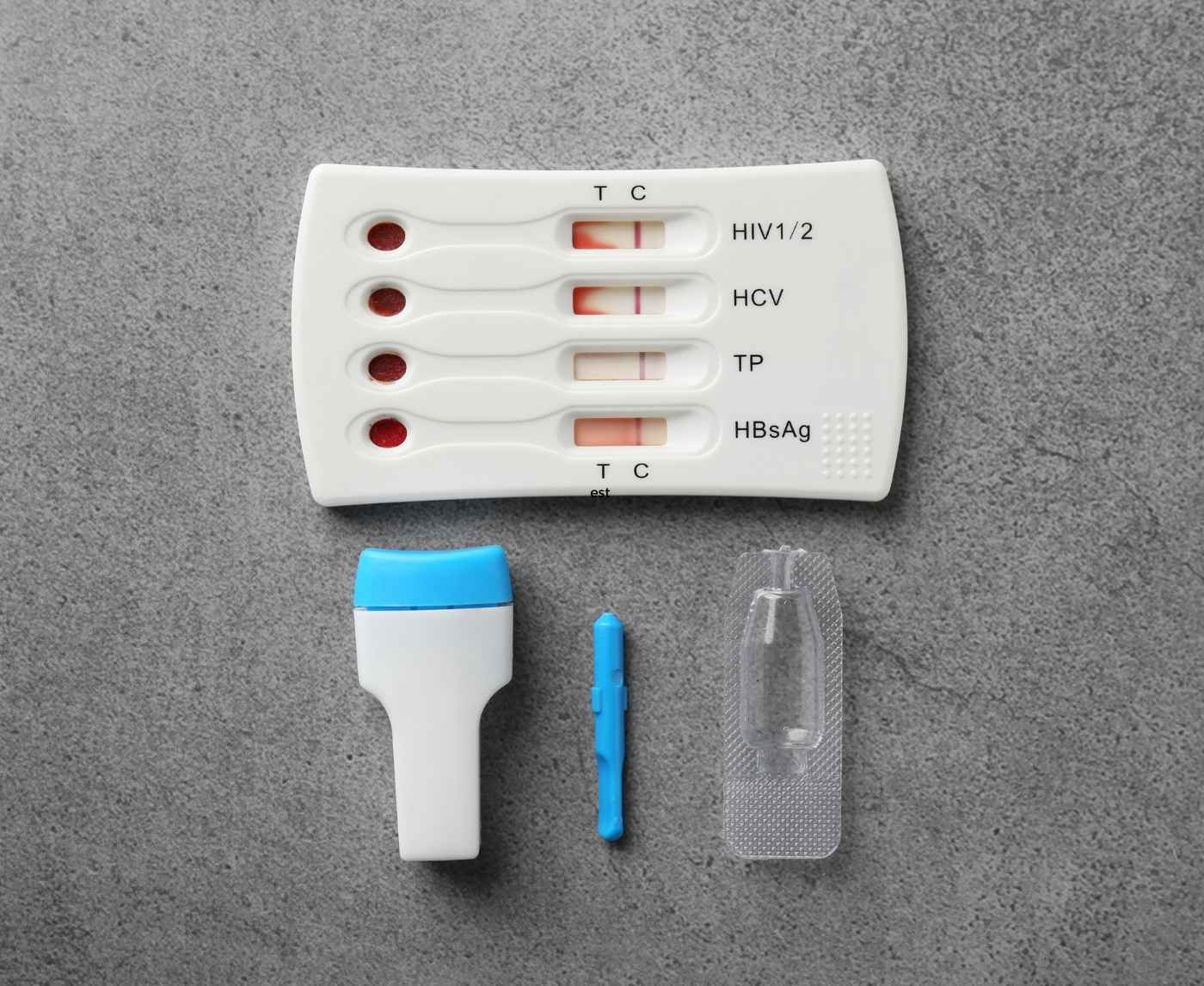
Most at-home gonorrhea rapid tests use a lateral flow method, which looks for Neisseria gonorrhoeae antigens in a sample, usually urine, a vaginal swab, or a urethral swab. You take the sample, mix it with a reagent, and put it on a test strip. The strip will show lines in 10 to 15 minutes: one control line and one test line if the test is positive.
People like these tests because they are quick, private, and simple to use. But they aren't perfect. Rapid tests usually aren't as sensitive as lab-based NAAT (nucleic acid amplification tests), which look for the bacteria's DNA instead of just surface antigens. That means that quick tests are more likely to miss infections that are early or low-level, especially if:
- The infection just happened: A rapid test may not show enough bacteria for several days after exposure.
- The site isn't being swabbed correctly: Testing only urine often misses throat and rectal infections.
- The sample is either diluted or broken down: Results can be wrong if there is too much urine, not enough time for incubation, or reagents that have gone bad.
So, even though quick tests are helpful, they aren't perfect. Don't assume you're in the clear yet if you get a negative result but still have symptoms or if you were at high risk of exposure.
Sensitivity, Specificity, and the Truth About Accuracy
When we talk about “accuracy,” what we really mean are two things:
- Sensitivity: The ability to detect true positives (you have gonorrhea, and the test catches it)
- Specificity: The ability to avoid false positives (you don’t have gonorrhea, and the test confirms that)
Gonorrhea rapid tests tend to have high specificity but moderate sensitivity. In plain English: they're pretty good at confirming when you're clean, but not always reliable at catching an infection, especially early on. Here's a table comparing methods:
| Test Type | Sensitivity (True Positive Rate) | Specificity (True Negative Rate) | Time to Result |
|---|---|---|---|
| At-Home Rapid Test | 65% – 85% | 95% – 99% | 10–15 minutes |
| Mail-In NAAT Lab | 95% – 99% | 99% | 1–3 days |
| Clinic-Based NAAT | 98% – 100% | 99% | Same-day to 3 days |
Figure 1. Comparison of gonorrhea testing accuracy across different test types. Sensitivity matters most when you're symptomatic or recently exposed.
Timing Is Everything: Why the Window Period Can Trick You
The number one reason gonorrhea tests come back falsely negative? Timing. If you test too soon after exposure, there may not be enough bacteria for any test, especially a rapid one, to detect. This gap between infection and detectability is called the window period.
Most rapid tests for gonorrhea require a bacterial load that typically builds up 5 to 7 days after exposure. NAAT tests, which are more sensitive, can sometimes detect infections slightly earlier. Still, no test can deliver perfect results immediately after sex. Here's how the timing breaks down:
| Days Since Exposure | Rapid Test Accuracy | NAAT Accuracy | Recommended Action |
|---|---|---|---|
| 0–3 Days | Low (likely false negative) | Low–Moderate | Wait and monitor symptoms |
| 4–7 Days | Moderate | High | Test with NAAT or plan retest |
| 8–14 Days | Higher | Very High | Ideal time to test |
Figure 2. Gonorrhea test accuracy over time. Testing too early can miss infections, especially with rapid tests.
We often hear from users who panic-test the morning after a risky encounter. The instinct makes sense, anxiety doesn’t wait. But if it’s been less than a week, and your rapid test says “negative,” that doesn’t mean you’re safe. It means you’re still inside the window period. Plan to retest after day 7, and again around day 14 for highest accuracy.
“Negative at First. Then Positive Weeks Later.”
Ana, 29, used a rapid test five days after a condomless hookup. She had mild discharge and lower belly cramps, but the test was negative. She tried to shake it off. By week three, the cramps were worse. She retested, this time with a mail-in NAAT, and the result was clearly positive for gonorrhea. She started treatment the same day.
“I almost didn’t retest. I kept thinking, I already checked, right? But something in my body wasn’t normal. I’m glad I listened to it.”
Ana’s story isn’t rare. False negatives are common when testing too early or using lower-sensitivity methods. Trust your gut, and your symptoms. Negative doesn’t always mean nothing’s wrong. If something feels off, it probably is.
Wondering whether it’s time to retest? This combo test kit covers gonorrhea along with other common STDs and arrives in discreet packaging. It’s a good option if you’re still unsure or want to cover more bases.
Where Rapid Tests Struggle: Throat, Rectum, and Asymptomatic Cases
Here’s something you won’t find on most test kit boxes: many rapid tests for gonorrhea are only designed for genital samples, usually urine or vaginal swabs. That means they can completely miss infections in the throat or rectum unless those sites are specifically swabbed with the correct test.
This matters because oral and anal sex can transmit gonorrhea, often without symptoms. Throat infections especially tend to be “silent” but still contagious. NAAT tests at clinics or specialty mail-in kits can detect these harder-to-catch cases, but rapid tests rarely do unless specifically designed for it.
And even when the infection is in the genitals, many people show no symptoms at all. According to the CDC, up to 50% of infected women and about 10–15% of infected men report no noticeable symptoms. That’s why relying on symptoms, or even a single negative test, can be misleading.
If your exposure included oral or anal sex, or if you tested negative despite a strong feeling that something’s wrong, it’s worth considering a broader test panel and more sensitive lab method. You can always start here: STD Test Kits offers options that include throat and rectal site detection for more accurate screening.
Faint Lines, No Lines, and “Invalid” Results: What They Actually Mean
One of the most confusing moments in at-home testing happens when the result isn't clear. A faint line appears. Or no line shows up at all. Or the control line is missing. What now?
If your gonorrhea rapid test shows no control line, the test is invalid, period. You need to retest with a new kit. If there's a control line and a very faint test line, that may still be a positive result. Even a light-colored line means some antigen was detected. In some kits, faint lines are more common with older infections or low bacterial load. Always follow up if there’s any line at all.
Here’s a quick reference table to help interpret common line issues:
| What You See | What It Likely Means | What to Do |
|---|---|---|
| Strong control + no test line | Likely negative | Retest if early or symptoms exist |
| Strong control + strong test line | Positive | Seek treatment and notify partners |
| Strong control + faint test line | Likely positive | Confirm with lab test |
| No control line (regardless of test line) | Invalid result | Retest with new kit |
Figure 3. How to read gonorrhea rapid test lines, and what to do next based on visual results.
User Error Is More Common Than You Think
Even the best test won’t help if it’s not done right. And the truth is, many false negatives come down to simple mistakes: not swabbing deep enough, not mixing the reagents properly, using an expired kit, or waiting too long (or not long enough) to read the strip.
Storage also matters. Rapid test kits should be kept in a cool, dry place, not a glove box, gym bag, or overheated room. High humidity and extreme temperatures can damage the reagents and reduce test performance. If you’ve been carrying your kit around or storing it in a steamy bathroom, it might not give you an accurate result anymore.
Not sure you followed the instructions perfectly? It’s okay. We all make mistakes. That’s why retesting matters, and why high-sensitivity mail-in or lab tests are still the gold standard when you really need answers.
When to Confirm With a Lab Test or Talk to a Provider
So you got a negative result. Or a faint line. Or something that doesn’t feel right. When should you talk to a provider or go to a clinic?
Here are a few strong reasons to seek confirmatory testing:
- You tested within 7 days of exposure
- You have ongoing symptoms (burning, discharge, pelvic pain, testicular ache)
- Your partner tested positive or has symptoms
- You got a faint line and aren't sure what it means
- You had oral or anal sex and didn’t swab those sites
Clinics typically use NAAT testing, which is highly sensitive and approved by major health authorities like the CDC. Many telehealth providers now also offer discreet mail-in testing options with treatment included.
Want to take the next step now? This combo kit includes gonorrhea along with other common STDs and ships discreetly. It’s ideal for double-checking symptoms or confirming a confusing result, without leaving home.

You Deserve Real Answers, Not a Guess
Gonorrhea is too common, and too easily missed, to rely on a single test, especially if that test was rapid, early, or done under stress. Whether you're navigating new symptoms, post-hookup anxiety, or the fallout from a partner’s result, remember this: testing is just a tool. It's not a verdict, and it's not the end of the story.
Take a breath. Reassess your timeline. And if you need clarity, it's okay to retest or choose a different method. You are not overreacting. You're taking care of your body, your mind, and the people you care about.
Ready to get a clearer answer? This at-home combo test kit gives you a broader screen for common STDs with fast, discreet results, no appointment, no waiting room, no judgment.
FAQs
- 1. Can gonorrhea tests be wrong?
- Yep. Especially if you test too early, don’t swab the right area, or use a rapid test when you really needed a lab-grade one. Rapid kits are good tools, but they’re not psychic. If your gut says something’s off, believe it, and retest.
- 2. How soon after sex can I test for gonorrhea?
- Best case? Wait at least 7 days. That’s when most tests, even the rapid ones, start to pick up enough bacteria to detect. Test too early and you might get a clean result that feels good… until it doesn’t hold up a week later.
- 3. I tested negative but still have symptoms. What gives?
- That happens a lot more than people think. If you’re burning, cramping, or noticing weird discharge, your body’s telling you something. That “negative” might’ve been too early, too limited, or just plain wrong. Time to double-check with a better test, or talk to someone who can help.
- 4. What does a faint line even mean?
- Think of it like a whisper instead of a shout. It still counts. A faint test line often means there was something there, just not in huge amounts. Don’t ignore it. Call it a maybe-positive and get confirmation before assuming you’re clear.
- 5. Can I still have gonorrhea if I feel totally fine?
- Totally. Gonorrhea is sneaky. It loves to hide out, especially in the throat or rectum, and often doesn’t cause symptoms at all. That’s why regular testing is part of good sexual hygiene, even if everything feels “normal.”
- 6. Do at-home tests check the throat or rectum?
- Not most of them. Unless your kit specifically says “throat” or “rectal” and includes the right swabs, it’s probably only covering genital infections. And yes, that’s how people end up with a false sense of security. If you had oral or anal sex, test accordingly.
- 7. Are rapid gonorrhea tests accurate?
- They’re decent, especially for what they are. Expect 65–85% sensitivity. That means they miss a chunk of real infections, especially early ones. Lab tests (NAAT) are more sensitive and reliable, but they take longer. Each has a place, it depends on what you need right now.
- 8. When should I retest?
- If you tested early, have symptoms, or didn’t swab all the right places, give it 7–14 days and test again. After treatment? Retest in a few weeks to make sure it’s really gone, especially if you’re sexually active again or unsure if your partner got treated too.
- 9. Can antibiotics mess with my test results?
- Yes, and this gets overlooked. If you’ve taken antibiotics, even for something unrelated like strep, they can partially suppress gonorrhea and create a false negative. That’s why it’s best to test before starting treatment, not during or after a random Z-pack.
- 10. Where can I test without all the awkwardness?
- Right here. STD Test Kits delivers discreetly, no clinic trip required. Whether it’s a combo test, a second opinion, or peace of mind before a weekend, they’ve got you covered with zero judgment and fast results.
You Deserve Real Answers, Not a Guess
Gonorrhea is too common, and too easily missed, to rely on a single test, especially if that test was rapid, early, or done under stress. Whether you're navigating new symptoms, post-hookup anxiety, or the fallout from a partner’s result, remember this: testing is just a tool. It's not a verdict, and it's not the end of the story.
Take a breath. Reassess your timeline. And if you need clarity, it's okay to retest or choose a different method. You are not overreacting. You're taking care of your body, your mind, and the people you care about.
How We Sourced This Article: We combined current guidance from leading medical organizations with peer-reviewed research and lived-experience reporting to make this guide practical, compassionate, and accurate. In total, around fifteen references informed the writing; below, we’ve highlighted some of the most relevant and reader-friendly sources.