Does Birth Control Affect STD Symptoms or Test Results?
Quick Answer: Birth control does not protect against STDs and can sometimes make symptoms harder to interpret. It does not interfere with STD test accuracy. Spotting between periods was her normal.
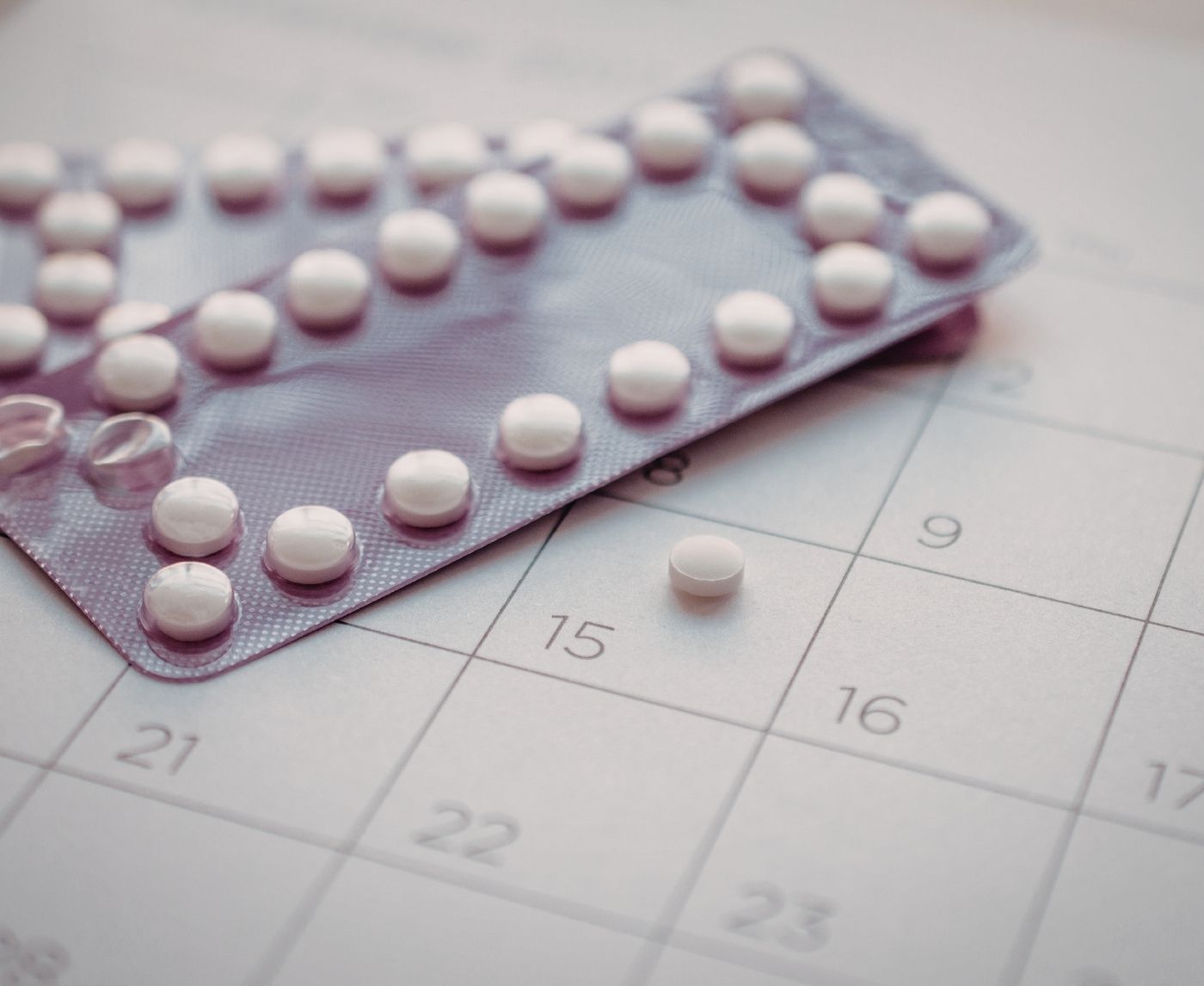
Quick Answer: Birth control does not protect against STDs and can sometimes make symptoms harder to interpret. It does not interfere with STD test accuracy.
Why This Confusion Happens (And Who This Affects Most)
Ella, 24, had been on the same birth control pill since college. Spotting between periods was her normal. So when she noticed unusual discharge after a weekend hookup, she dismissed it, until burning and pelvic pain started days later. A rapid test confirmed chlamydia.
Many people on hormonal birth control, whether it's pills, patches, rings, implants, or IUDs, are conditioned to expect irregularities. Breakthrough bleeding, discharge changes, breast tenderness, mood swings: these can all be “normal” side effects. But some of those same signs can also indicate an infection. This overlap can delay testing, increase complications, and lead to unintentional spread to partners.
This guide is especially for those who:
- Use hormonal contraception and feel unsure whether symptoms are side effects or red flags
- Are in new or multiple partner situations and want clarity on risks
- Have taken Plan B recently and are wondering if it affects symptoms or testing
- Feel off but have tested negative and don’t know what to trust
Let’s break it down by the two biggest concerns: how birth control may mimic STD symptoms, and whether it affects testing.

Which STD Symptoms Can Be Confused With Birth Control Effects?
Hormonal birth control changes cervical mucus, uterine lining thickness, hormone levels, and even vaginal pH. Many STDs cause irritation, inflammation, and discharge changes, making it hard to tell what’s “normal” and what’s not.
Here’s where things get murky:
| Symptom | Birth Control Side Effect | STD Symptom | Common Misread |
|---|---|---|---|
| Brown discharge | Breakthrough bleeding or uterine lining shedding | Chlamydia, trichomoniasis | “It’s just old blood from the pill” |
| Lower abdominal cramps | Hormonal fluctuation, IUD placement | Gonorrhea, pelvic inflammatory disease (PID) | “My IUD always makes me cramp” |
| Itching or irritation | Vaginal dryness, pH changes | Herpes, trichomoniasis, yeast infection | “Maybe it’s just the ring irritating me” |
| Spotting after sex | Cervical sensitivity from hormones | Chlamydia, HPV | “This always happens after rough sex” |
Figure 1: Overlapping symptoms between hormonal contraception and STDs often delay testing or lead to misdiagnosis.
The biggest risk? Thinking it’s just the pill and not being tested. This can cause infections to spread undetected, particularly as many STDs can present with few or no noticeable symptoms in the early stages.
Does Birth Control Affect STD Testing Accuracy?
Short answer: No, but there is more to the story. Hormonal contraception does not interfere with the ability of modern NAAT (Nucleic Acid Amplification Tests) for the diagnosis of chlamydia, gonorrhea, and trichomoniasis. These tests are not based upon hormone levels or the presence of symptoms.
However, birth control may affect why and when you choose to test. If your symptoms are being dismissed, or you’re dismissing them yourself, you may miss the ideal window for diagnosis. That’s the real danger. For example, CDC guidance on chlamydia notes that many people delay testing due to mild or no symptoms, increasing the risk of complications like PID and infertility.
Emergency contraception (like Plan B) also doesn't affect test results. It may disrupt your cycle temporarily, but it won’t hide or mask an STD. Still, the hormonal chaos it causes can lead people to overlook or misinterpret symptoms. That’s why testing after unprotected sex, even with Plan B, is still a must.
“I Waited Too Long Because I Thought It Was My IUD”
Noura, 29, had switched to a hormonal IUD after years on the pill. She was used to light spotting, random discharge, and even the occasional sharp cramp, side effects her OB-GYN had warned her about. So when she noticed pinkish-brown discharge two days after a new partner, she ignored it. Three weeks later, the discharge turned yellowish, sex became painful, and she finally took a home test: positive for trichomoniasis.
This story isn’t rare. Many people, especially those using long-acting contraceptives, come to expect symptoms that mirror STDs. And when discomfort blends with what you’ve been told is “normal,” it’s easy to delay testing. The result? Missed early treatment windows, unknowing transmission, and avoidable complications.
If your body’s signals are easy to dismiss because they’ve been there before, it’s time to learn the difference between hormone-induced weirdness and infection warning signs.
When to Test: Timing Still Matters
Even though hormonal birth control doesn’t interfere with STD test results, testing too early after exposure can still lead to false reassurance. That’s because many STD tests rely on the presence of genetic material (NAAT tests) or antibodies (in blood tests), both of which take time to build up after infection.
Here’s a general guideline based on common infections and birth control use:
| STD | Typical Window Period | Birth Control Interaction | Best Time to Test |
|---|---|---|---|
| Chlamydia | 7–14 days | No effect on test accuracy | 14+ days post-exposure |
| Gonorrhea | 7–14 days | No effect on test accuracy | 14+ days post-exposure |
| Trichomoniasis | 5–28 days | No effect, but symptoms mimic BC side effects | 14–21 days post-exposure |
| Herpes | 4–12 days for sores, 3–6 weeks for blood tests | No effect on test accuracy | If symptomatic, test right away; for blood test, wait 3+ weeks |
Figure 2: STD testing windows don’t change due to birth control, but symptoms may be easier to overlook.
If you're unsure when you were exposed, or if you’ve had multiple partners, a combo approach works best: test now, then retest in a few weeks for confirmation. Especially if you’re asymptomatic or the symptoms feel vague, retesting is how you close the window of uncertainty.
5 Birth Control Myths That Can Delay Diagnosis
The most common cause of missed tests is the misconception of how contraception works.
These myths lead to late diagnoses, untreated infections, and sometimes long-term complications such as infertility and chronic pain.
Let’s bust them one by one:
| Myth | Why It’s Dangerous | The Truth |
|---|---|---|
| “I’m on birth control, so I’m protected.” | Leads people to skip condoms and testing. | Birth control only prevents pregnancy, not STDs. |
| “It’s just hormonal spotting, it always happens.” | Symptoms are ignored and left untreated. | Spotting can be a sign of chlamydia or HPV. |
| “Plan B wipes everything out.” | False reassurance after high-risk sex. | Plan B only delays ovulation. It does not prevent STDs. |
| “If I had something, I’d know by now.” | Delays testing even when infection is present. | Many STDs are silent, especially in early stages. |
| “My test was negative a week after sex, I’m good.” | Testing too early may miss the infection. | Retesting at the optimal window (14+ days) is key. |
It’s not just about being careful, it’s about being clear. Knowing how your birth control interacts with your body helps you listen to your symptoms more accurately.
When and Why to Retest (Even If You Feel Fine)
Let’s say you took a test 5 days after a risky hookup. It came back negative. But something’s still off, you’re tired, spotting, and sex feels different. Here's the truth: that negative result may have come too soon.
Retesting isn’t about paranoia. It’s about accuracy. Many infections don’t show up right away, especially in the first 7–10 days. A false sense of security is just as dangerous as ignoring symptoms entirely.
Retest if:
- Your first test was taken fewer than 14 days after exposure
- Your symptoms continue or evolve
- You’ve had new sexual activity since the last test
- Your partner tested positive or disclosed recent exposure
Marcus, 31, tested negative for gonorrhea after a condom broke. A week later, his partner developed discharge and tested positive. Marcus retested, this time with a positive result. The difference? He tested too early the first time.
Retesting closes the gap that early testing can miss. It’s not a lack of trust in science, it’s just how infections work.
Should Your Partner Test Too?
Absolutely. STDs aren’t a personal shame, they’re a shared reality. And if you’re on birth control, your partner may assume they’re off the hook. But protection from pregnancy isn’t the same as protection from infection.
Testing together doesn’t have to be awkward, it can actually build intimacy. It shows you both care about health and honesty. And with at-home kits, no one needs to book a clinic appointment or face uncomfortable questions at reception.
You can discreetly order multiple test kits for you and a partner, whether you're in a monogamous relationship, exploring ethically non-monogamous dynamics, or somewhere in between.
Private, Discreet, and Judgment-Free: What At-Home Testing Feels Like
If you’ve ever put off testing because you didn’t want to explain your sex life to a stranger, or you didn’t have the time to sit in a waiting room, you’re not alone. That’s where discreet at-home testing changes everything.
Here’s what to expect:
- Plain, unmarked packaging (no “STD” label anywhere)
- Instructions that are clear and easy to follow, even if you’re panicking
- No ID, no prescription, and no awkward pharmacy pickup
- Results in minutes (rapid) or within days (mail-in)
Whether you’re in a small town, on a road trip, or just don’t want to explain yourself to a front desk nurse, at-home testing puts you in control. It lets you act on your instincts without delay or shame.
Let’s Be Clear: It’s Not Just About Protection, It’s About Clarity
Birth control gave you freedom, but don’t let it give you false confidence. You can be protected from pregnancy and still exposed to herpes, chlamydia, trichomoniasis, or HPV. Worse, you might already have symptoms and not recognize them, because they blend into your hormonal baseline.
Taylor, 22, started having painful sex a few months after starting the ring. Her doctor said it was vaginal dryness from estrogen shifts. But a second opinion and a full panel revealed herpes simplex 2. She hadn't even considered it, because she thought birth control meant “protected.”
Your body is trying to tell you something. Testing helps you understand its language. It doesn’t matter how careful you were or weren’t, what matters is what you do now.
FAQs
- 1. Can birth control actually hide an STD?
- Not exactly, but it can make one a lot easier to miss. Say you're used to spotting, weird discharge, or cramping from your birth control. If an infection shows up with the same symptoms, you might shrug it off. That’s how things get overlooked. The symptoms don’t vanish, they just get buried under what you’re already used to feeling.
- 2. Does being on the pill protect me from STDs?
- Nope. The pill only blocks pregnancy. It does nothing against chlamydia, gonorrhea, herpes, or anything else passed during sex. If you’re not using condoms or dental dams, you’re still at risk, even if you're in a relationship. Love isn’t immunity.
- 3. Can I take an STD test while on birth control?
- Definitely, and you should, especially if something feels off. Birth control won’t mess with the accuracy of your test. Whether you're on the pill, patch, ring, or rocking an IUD, your STD results will still be legit.
- 4. What if I took Plan B after a hookup, do I still need to test?
- Yes. Plan B can stop pregnancy if you take it in time, but it’s got zero effect on STDs. And it might cause some hormone chaos, spotting, cramping, mood swings, which makes it even harder to tell if something else is going on. Bottom line: test anyway.
- 5. How do I know if discharge is from my birth control or something else?
- Good question, and tricky. Normal birth control discharge is usually thin, clear-ish, or white, and doesn’t smell weird. If it's yellow, green, chunky, fishy, or comes with itching or pain, that’s your cue to test. Trust your gut. You know your body better than anyone else.
- 6. My test came back negative, but something still feels wrong. Should I retest?
- Probably, yes. Especially if you tested early, like, within a week of exposure. Some STDs take 10 to 14 days (or more) to show up on tests. If your symptoms stick around or get worse, don’t wait. Get retested and get peace of mind.
- 7. Can an IUD cause the same symptoms as an infection?
- Sometimes, yeah. Cramping, spotting, weird discharge, that can all happen after insertion. But if those symptoms show up suddenly months later, or feel different than usual, don’t just chalk it up to your device. STDs like trichomoniasis or chlamydia can look similar but need very different treatment.
- 8. I’m in a relationship, do I still need to test?
- Honestly, yes. STDs don’t only come from cheating. They can lie dormant for months, even years, and get passed unknowingly. Testing isn’t a trust issue, it’s part of regular sexual health. Think of it like brushing your teeth, but for your genitals.
- 9. How soon can I test after unprotected sex?
- For most infections, wait about 14 days for best accuracy. Some tests might pick things up earlier, but that 2-week mark is your best shot at catching what’s really going on. If you’re nervous, test now and again later, it’s not overkill, it’s just smart.
- 10. Can the pill cause itching or other weirdness down there?
- It can, but it's rare. Hormones might change your vaginal pH, making you more prone to yeast infections or dryness. But if you're itchy, irritated, or notice anything new down there? Don’t assume. Rule out infections first, then blame the hormones if everything’s clear.
You Deserve Answers, Not Assumptions
Birth control changed your life. It gave you freedom, autonomy, and control. But it didn’t give you immunity from STDs, or from the confusion that happens when hormones cloud your symptoms.
Whether you’re spotting, itching, cramping, or just unsure, you don’t need to wait and wonder. This discreet combo test kit screens for the most common STDs at once, fast, private, and judgement-free. Because clarity is the most powerful protection you can have.
How We Sourced This Article: We combined current guidance from leading medical organizations with peer-reviewed research and lived-experience reporting to make this guide practical, compassionate, and accurate. In total, around fifteen references informed the writing; below, we’ve highlighted some of the most relevant and reader-friendly sources.
Sources
CDC: Chlamydia – Detailed Fact Sheet
Planned Parenthood: STD Testing & Results
Hormonal Contraceptive Use and STI Risk – PubMed
Sexually Transmitted Infections: Clinical Review – NIH
VICE: Birth Control Side Effects vs STD Symptoms
Healthline: What Discharge on Birth Control Means
Contraception and Birth Control Methods (CDC)
Know the Facts: Birth Control and STIs (CDC)
U.S. Selected Practice Recommendations for Contraceptive Use (CDC)
STI Testing Overview (Mayo Clinic)
Sexually Transmitted Infections Treatment Guidelines (CDC)
Hormonal Contraceptive Use and the Risk of STIs (PMC)
Facts about Birth Control, STIs and Condoms (Society of Behavioral Medicine)