



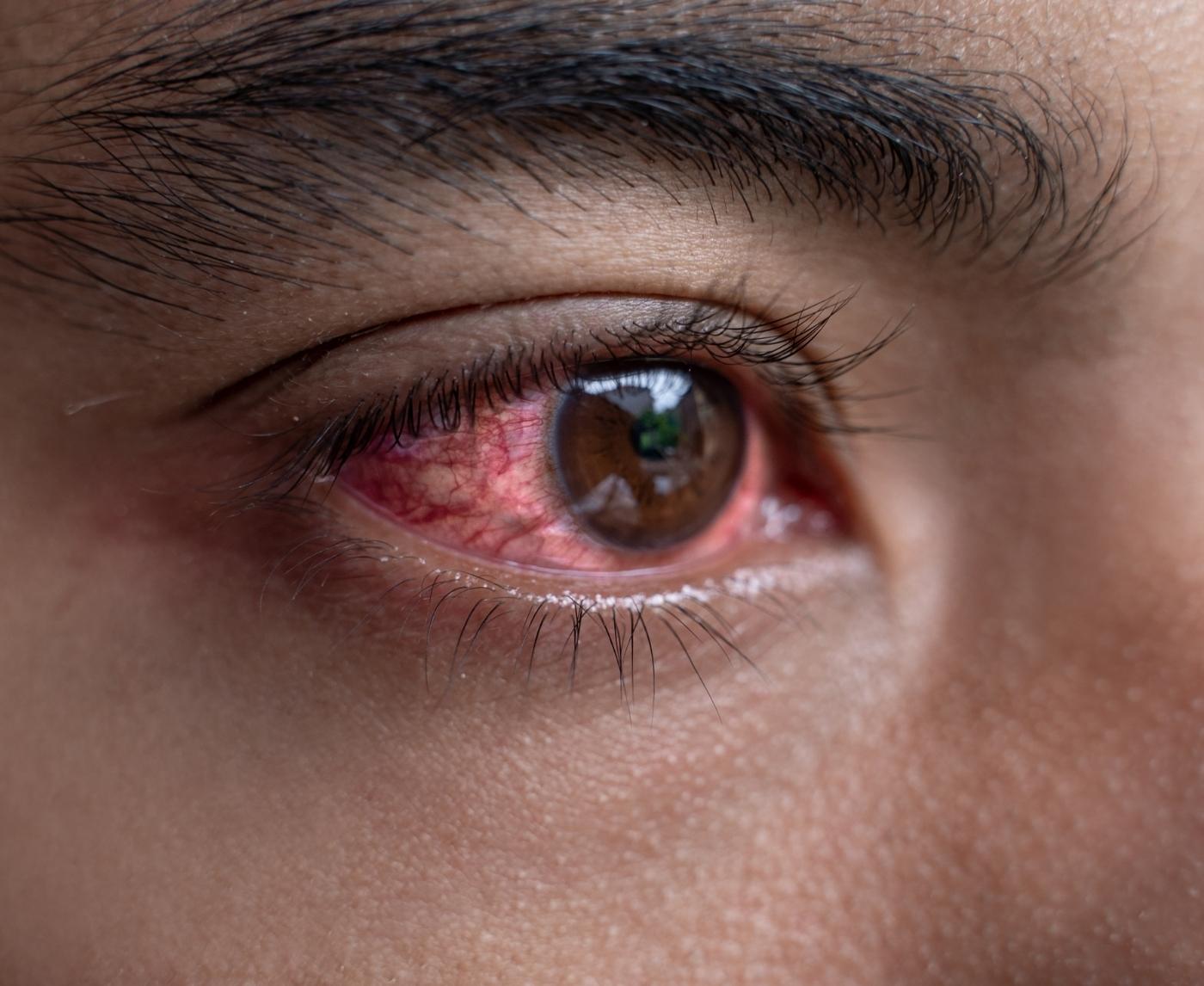
Can Chlamydia or Gonorrhea Infect Your Eye? What to Watch For
Quick Answer: STD symptoms in men don’t always include discharge. Itching, tingling, burning, sore throat, fatigue, or testicular discomfort can all point to an infection. Testing is the only way to know for sure.
When Your Body Whispers Instead of Screams
The stereotype is loud: green drip, painful urination, blisters you can’t ignore. But the truth is quieter. Many STDs start with symptoms that feel like skin irritation, muscle fatigue, or a bad night’s sleep. Others don’t show anything at all. The CDC estimates that up to 70% of men with chlamydia may have no symptoms, yet they can still pass it on.
Here’s where that becomes dangerous: if you’re relying on discharge or visible sores as your “alarm,” you might miss weeks, or months, of silent infection. That delay can lead to complications like epididymitis (testicle inflammation), pelvic inflammation in partners, or long-term damage to your reproductive health.
One anonymous Reddit user described it like this: “I only got tested because my girlfriend had a weird Pap smear. I felt fine. No burning. No symptoms. Turns out I had gonorrhea for probably months.” These silent cases are more common than you think, and they don’t make you careless or dirty. They make you human.

People are also reading: Think It’s Just a Skin Thing? Syphilis Rashes Are Trickier Than You Think
What STDs Show Up Without Discharge?
Let’s break down some of the most common STDs in men and how they present when there’s no discharge. This is especially useful if you’re experiencing mild discomfort, fatigue, or skin changes but aren’t sure if it “counts” as an STD symptom.
Table 1. STDs commonly found in men that may present with little to no discharge. Notice how often subtle skin changes or irritation are the only clue.
How Subtle Symptoms Get Dismissed
Let’s talk about the lies we tell ourselves:
“It’s probably just jock itch.” “I shaved too close.” “This happens after I work out.”
Those excuses are one of the ways STDs get missed. A little red bump? It could be an ingrown hair. Do you feel tingling down there? That new lube must be causing friction. A lot of these symptoms are also seen in infections like herpes or HPV. It's not always an emergency when you have an itch, but ignoring patterns, especially after unprotected sex, can lead to big problems.
Another common mistake: assuming oral or anal sex doesn’t count. STDs can infect the throat or rectum without causing discharge at all. One 2022 study published in Sexually Transmitted Diseases journal found that nearly 40% of rectal gonorrhea infections in men were completely asymptomatic. Silent doesn't mean safe.
When It’s Not a UTI or Heat Rash
For men, it’s common to mistake early STD symptoms for everyday annoyances, especially when there’s no discharge. But that’s where things can get dangerous. Let’s break it down.
Case example: Jacob, 31, assumed his lower abdominal cramps and slight burning while peeing were signs of a mild UTI. He chugged cranberry juice, took over-the-counter painkillers, and avoided the doctor. It wasn’t until a dull ache started radiating into his testicles that he got tested, only to learn he had untreated chlamydia that had led to epididymitis, a painful inflammation of the tubes connected to the testicles.
UTIs are actually rare in healthy young men. If you’re feeling pressure, stinging, or discomfort during urination, especially without the usual discharge, it could be an early sign of an STD. Same goes for skin symptoms: what looks like a patch of irritation from a new detergent might be an early herpes lesion. What you thought was chafing might actually be a wart from HPV.
STDs That Affect the Throat, Testicles, and Anus
Not all STDs show up where you expect them to. In men, infections from oral or anal sex can cause symptoms that seem completely unrelated to the penis. And often, these go untested because they don't trigger the “discharge = danger” reflex.
Let’s look at three sites men often overlook:
Table 2. Overlooked anatomical sites where STDs can cause symptoms in men, often misattributed to non-STD causes.
Many clinics do not test the throat or rectum unless you specifically ask, and at-home test kits vary in what areas they screen. If you’ve had oral or anal sex, especially unprotected, it’s worth choosing a test kit that covers these sites.
The Myth of “Clean Until You’re Dirty”
There’s a harmful myth that as long as you look or feel “clean,” you must not have an STD. But infections like HIV, syphilis, and trichomoniasis can live in the body without obvious symptoms for weeks, or months. These are not rare cases. They're normal.
One user on a men’s health forum shared: “I got tested as part of a routine physical. I hadn’t noticed anything weird except some mild fatigue and night sweats. My doctor called and said I tested positive for HIV. I couldn’t believe it.” Fatigue, swollen lymph nodes, and vague flu-like symptoms in the first few weeks of HIV infection often go unnoticed. They’re written off as “just stress.”
The same goes for early syphilis. A painless sore in the mouth or on the penis might go away on its own, leading you to believe it was nothing, until the secondary rash or more serious symptoms appear months later. Don’t wait for dramatic signs. Subtle is common. Subtle still spreads.
STD Test Kits offers discreet home test kits that check for infections whether you have symptoms or not. If you’re unsure, uncomfortable, or just want peace of mind, you don’t need a reason to test. You just need the option.
How to Tell If It’s an STD (or Not)
So how do you tell the difference between an STD and something else, like irritation, friction, or a non-STD infection?
Here are some comparison notes based on how symptoms typically play out. These aren’t perfect predictors, but they can help you know when to test.
Table 3. STD vs non-STD symptom comparison for men. Use this as a guide, not a diagnosis, testing is the only way to confirm.
If symptoms persist more than a few days, change after sexual contact, or just don’t feel normal to you, it’s worth getting tested. You don’t need to explain or justify it. Testing isn’t about guilt. It’s about your health, and your peace of mind.
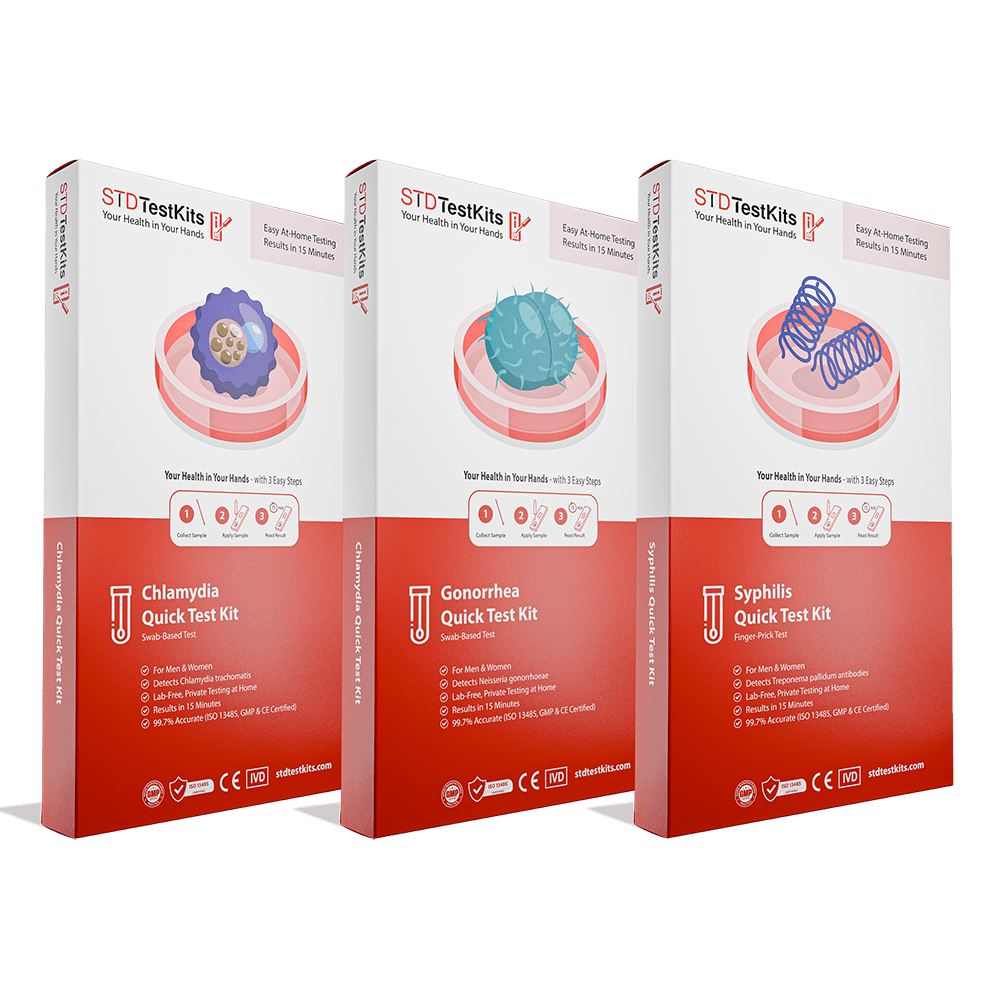
Don’t wait and wonder. This at-home combo test kit checks for the most common STDs discreetly and quickly.
What If You Already Got Tested, But Something Still Feels Off?
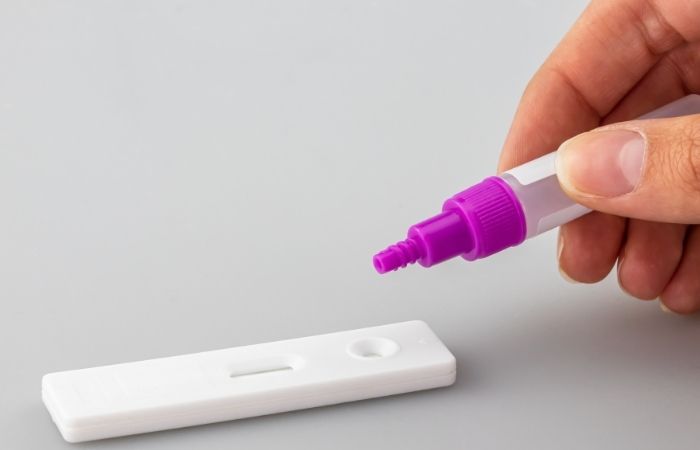
Getting tested is powerful. But it’s not always the end of the story. If you tested early, within days of exposure, you might have tested before the infection became detectable. Every STD has a different “window period,” or the time between exposure and when a test can reliably pick it up.
Take herpes, for example. Antibody tests often don’t detect the virus until weeks, or even months, after exposure. Rapid HIV tests can miss very recent infections if taken too soon. One user shared: “I tested negative at a clinic five days after the hookup. But something still felt off. I waited two more weeks, tested again, and it came back positive for chlamydia.”
False negatives aren’t common, but they happen. If your symptoms persist, change, or evolve, even after a negative result, it’s worth retesting. A safe window for most infections is around 14 days after exposure, though some may require longer. Our Window Period Calculator can help you decide when to test or retest for each infection.
People are also reading: What Syphilis Looks Like in Newborns (And Why It’s Often Missed)
Retesting and Ongoing Risk: Who Should Test Again?
STDs don’t always stay gone, even after treatment. If you’ve been treated for an STD recently but had unprotected sex again, retesting is often recommended. According to the CDC, men treated for chlamydia or gonorrhea should get tested again in 3 months, even if symptoms don’t return. Reinfection is common, especially in relationships where only one partner got treated or tested.
Here are scenarios where retesting is a smart move:
- You had sex before finishing treatment
- Your partner hasn’t been tested or treated
- You had a new or anonymous partner since your last test
- You started noticing new or returning symptoms
None of these mean you did something wrong. They mean you’re paying attention, and that’s power. You can retest at a clinic or use a discreet option like the 7-in-1 Complete At-Home STD Test Kit from STD Rapid Test Kits. It checks for multiple infections and ships in privacy-first packaging.
Privacy, Shipping, and What Testing Really Feels Like
If you’re reading this with a pit in your stomach, you’re not alone. The anxiety before testing can be brutal, especially if you’re scared of being judged or don’t want anyone to know. That’s why more men are choosing at-home testing: no waiting rooms, no awkward eye contact, no explaining why you’re there.
- Discreet packaging: STD Rapid Test Kits ships in unmarked packaging with no brand name on the label. No one, not roommates, family, or neighbors, will know what’s inside unless you tell them.
- Fast results: Some tests give you results in minutes. Others (like mail-in kits) take 1–3 days after receipt at the lab. You get your results privately, and you decide what to do next. There’s no pressure, just information you can act on.
One user described it best: “Doing the test in my bathroom was the first time I felt like I had control. I didn’t have to wait on anyone else to tell me what was going on with my body.”
What If You Test Positive?
Testing positive for an STD doesn’t mean you’re dirty, reckless, or doomed. It means you’re human, and now you have a chance to treat it, stop the spread, and move forward.
Here’s what happens next:
You may need a confirmatory test, especially if it was a rapid or home-based test. Most STDs are treatable with antibiotics or antiviral meds. Your partner(s) should be notified so they can get tested and treated too, either by you directly or anonymously through apps or clinic services.
And if shame shows up? You’re allowed to feel what you feel, but know this: over 1 million STIs are acquired every day worldwide. Testing positive is far more common than you think.
Case moment: After getting a positive result for herpes, Malik sat in his car for 45 minutes. Then he texted his ex and booked a telehealth appointment. “I was scared,” he said. “But I’d rather know than keep passing it around without meaning to.” That choice made him a better partner, not a worse one.
FAQs
1. Can I get an STD even if I feel fine?
Yes, and that's why they spread so quickly. Some infections like chlamydia and HPV are sneaky. You could feel fine and still be contagious. It's like driving with a broken taillight; you don't notice it until someone else tells you about it.
2. Is it still an STD if there is no discharge?
Yeah, for sure. Discharge is just one symptom, and it isn't always present, especially if the infection was in the mouth or butt. An STD can cause itchiness, pain, or tingling in your throat, or it can simply make you feel strange in your body. Don't ignore a strange sensation in your body after a hookup just because you don't have discharge.
3. How do I know if it’s herpes or just razor burn?
This one’s tricky. Herpes can start as little red bumps or cuts, just like what you'd see if you used a dull razor. But what if it hurts, stings, or comes back in the same place? That's your cue to try. Razor burn fades fast. There is a pattern to herpes.
4. Is it possible to get an STD from oral sex?
Yes, and it's more common than you might think. Your throat can get infected with herpes, chlamydia, gonorrhea, and even herpes. Most people write off a sore throat as “just allergies” or “I slept with the fan on”, but if it hits after oral sex, test to be sure.
5. Is testicle pain ever a sign of an STD?
Yes, it can be. Infections like chlamydia and gonorrhea can cause something called epididymitis, inflammation of the coiled tubes behind your testicles. It's not just "blue balls" or sore muscles from working out. If one side hurts, feels heavy, or swells? It's time to look into it.
6. How soon should I get tested after unprotected sex?
It depends on the STD. Some show up on tests within 5–7 days (like gonorrhea), while others take 2–6 weeks (like HIV). If you test too early, you might get a false negative. Use our Window Period Calculator to find the best time for you, and if symptoms come back later, think about getting tested again.
7. What if I already tested negative, but I still feel weird?
You’re not being paranoid. Some tests might not catch infections that happen early on. If you tested right after exposure or used a test with a long window period (like for herpes), your body might not have built up detectable markers yet. If your gut tells you something's wrong, trust it. Not dramatic, but smart to retest.
8. Is it possible for me to give someone an STD even if I don't have any symptoms?
100%. In fact, most STDs get passed along by people who don’t know they’re infected. You don’t need a rash or drip to be contagious. That’s why testing, even without symptoms, is a game changer for sexual health.
9. Does herpes always come with painful blisters?
Nope. Some people never get blisters at all. Others get a bit of tingling, itching, or what feels like a paper cut. The first outbreaks can be very bad, but sometimes the only sign is "something feels wrong down there." If it keeps happening in the same place, test.
10. Do I have to tell my partner if I test positive?
It’s the right thing to do. Having sex can lead to STDs, but that doesn't mean you're a bad person. Letting your partner know helps them stay safe and healthy too. If a face-to-face convo feels impossible, there are anonymous text tools and clinics that can help you notify them discreetly.
You Deserve Answers, Not Assumptions
If something feels off, trust yourself. Discharge isn’t the only red flag, and waiting for dramatic symptoms can let infections linger, spread, and cause long-term damage. You don’t need to wait until it gets worse. You don’t need to feel ashamed. You just need a way to know.
Don’t stay in the dark. This discreet at-home STD combo test checks for the most common infections, without awkward appointments, without judgment, and with results you can trust.
How We Sourced This Article: We combined current guidance from leading medical organizations with peer-reviewed research and lived-experience reporting to make this guide practical, compassionate, and accurate. In total, around fifteen references informed the writing; below, we’ve highlighted some of the most relevant and reader-friendly sources.
Sources
1. Mayo Clinic – Epididymitis Overview
3. About Chlamydia – CDC (symptoms in men can be subtle or absent)
5. STD Symptoms Overview – Mayo Clinic (STDs can go unnoticed and overlap with non-STD causes)
About the Author
Dr. F. David, MD is a board-certified infectious disease doctor who works to stop, diagnose, and treat STIs. He combines clinical accuracy with a straightforward, sex-positive approach and is dedicated to making it easier for readers to get to know him in both urban and rural areas.
Reviewed by: Melanie Cruz, RN, MPH | Last medically reviewed: February 2026
This article is for informational purposes and does not replace medical advice.